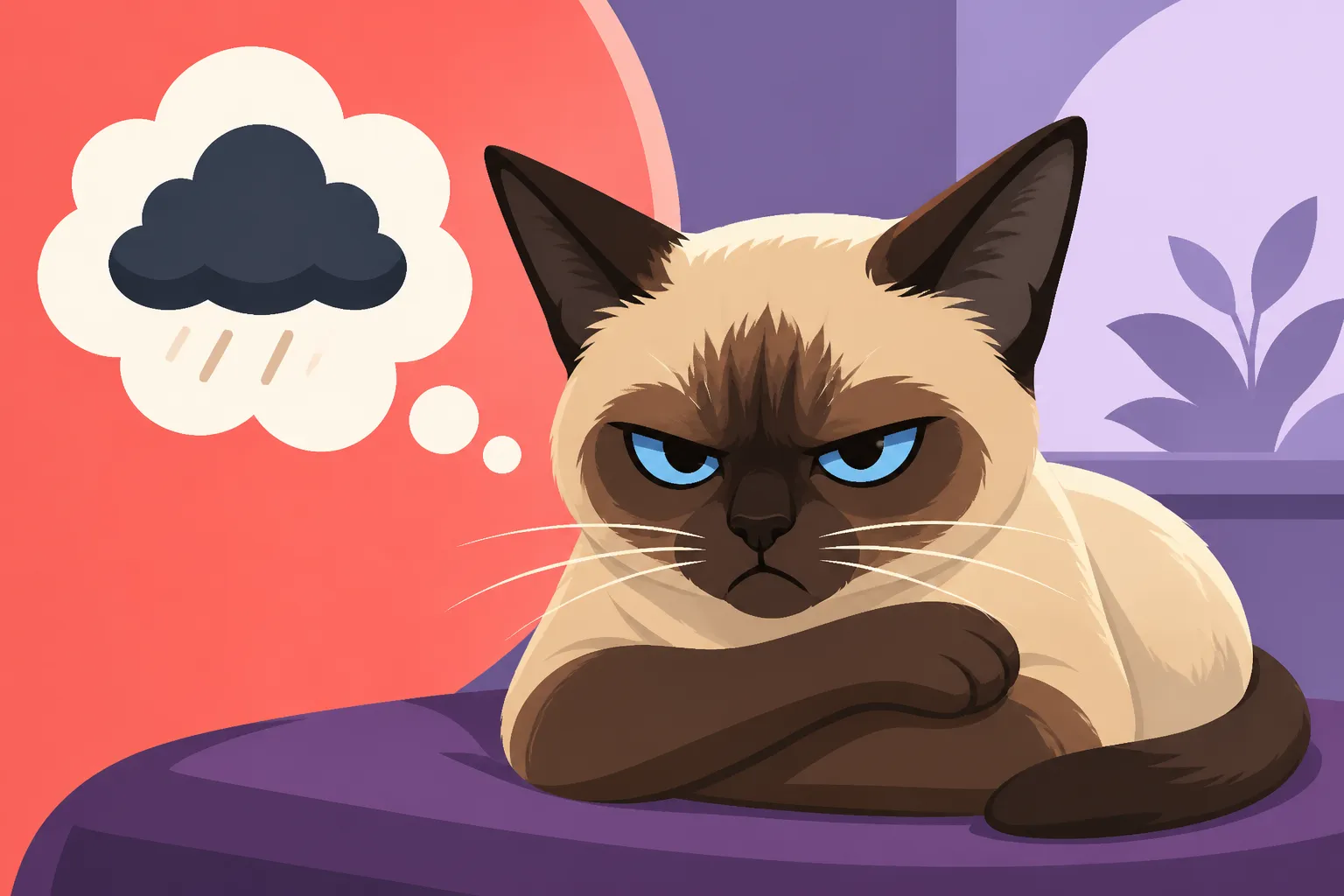
How a Siamese Cat Sulks
You know that feeling when your Siamese cat, usually your vocal and affectionate shadow, suddenly gives you the cold shoulder? Maybe they’re dramatically turning their back on you, refusing to make eye contact, or even relocating their nap spot to the furthest corner of the house after something seemingly minor happened. Dealing with a sulking Siamese can be bewildering, leaving you wondering if you've committed some grave feline offense. This guide will delve into the nuanced world of Siamese cat sulking, helping you understand why your intelligent companion might be giving you the silent treatment and how you can gently coax them back into your good graces.
Why Your Siamese Cat Might Be Sulking
Siamese cats are incredibly perceptive, intelligent, and deeply sensitive creatures. They form strong bonds with their human companions, often described as almost dog-like in their loyalty. Because of this deep connection, they can react quite strongly to perceived slights, changes in routine, or anything that disrupts their sense of security or status within the household. It's not always about malice; often, it's a profound expression of their displeasure, confusion, or even hurt.
Disruption of Routine or Environment
Siamese cats thrive on predictability. They are creatures of habit, and any sudden change can throw them off balance. Imagine their world as a perfectly orchestrated symphony, and then suddenly, someone starts playing a different tune. It’s disorienting.
- Changes in Household Dynamics: Did a new person move in, or did a beloved family member move out? Did you get a new pet, perhaps another cat or a dog? Siamese cats can become incredibly attached to one person, and the introduction of a new "rival" for attention can be a major source of distress. Even a temporary guest can be enough to trigger a sulk if they feel their territory or access to you is threatened. I've seen many Siamese act utterly affronted when a new kitten arrives, often boycotting shared spaces and refusing cuddles. They might not lash out, but they’ll certainly let you know they’re unhappy with their silent protest.
- Environmental Changes: Moving to a new home is a huge one, but even re-arranging furniture can be enough. A Siamese has mapped out their territory, knows where every scent marker and vantage point is. Changing that map forces them to re-evaluate their entire world, which can be stressful. Think about when you move your comfy armchair; your Siamese might stare at the empty spot for days, as if silently questioning your choices. Loud construction outside, new appliances, or even a sudden change in their litter brand can disrupt their peace and lead to a period of sulking as they adjust. For them, stability equals safety, and a disruption can feel like a threat.
Perceived Lack of Attention or Betrayal
Siamese cats are known for being incredibly demanding of attention. They don't just want to be in the same room as you; they want to be with you, engaging, talking, and often on your lap. A Siamese Cat Will Not Be Ignored, and if they feel neglected, they will certainly let you know, not always with a yowl, but sometimes with a frosty silence.
- Long Periods of Absence: Have you been working longer hours, or perhaps gone on a weekend trip? Siamese cats form incredibly strong bonds, sometimes even developing How Attached a Siamese Cat Gets to One Person. A prolonged absence can feel like a profound abandonment to them. When you return, instead of ecstatic greetings, you might be met with a pointed back, a refusal to acknowledge your presence, or a slow blink that seems to say, "I see you, but I'm choosing not to." It's their way of communicating, "You hurt me by leaving, and I'm not over it yet." They might follow you from room to room but maintain a strict distance, observing your every move with an air of dignified disapproval. You might notice they stop doing things like Why a Siamese Cat Follows You Room to Room for a while.
- Scolding or Negative Reinforcement: While we never advocate for harsh punishment, even a firm "no" or a spray bottle can be deeply offensive to a sensitive Siamese. They don't always connect the punishment to the specific action; they just feel the rejection and disapproval from their favorite human. This can lead to a withdrawn state where they avoid interaction, as if protecting themselves from further perceived aggression. They might hide under the bed or behind the couch, only emerging for food, and even then, they might eat quickly and retreat. Building trust back after such an incident can take time and consistent gentle reassurance.
Health Issues or Discomfort
Sometimes, what looks like sulking could actually be a subtle sign that your Siamese isn't feeling well. Cats are masters at hiding pain, and a change in behavior, including withdrawal, can be an early indicator.
- Undiagnosed Pain or Illness: If your Siamese suddenly becomes withdrawn, irritable, or unusually quiet, and none of the above behavioral reasons seem to fit, it's always best to consider a veterinary check-up. They might be in discomfort, and their "sulking" is actually a protective mechanism to avoid interaction that could exacerbate their pain. They might find their usual favorite spots uncomfortable, or the act of being picked up might hurt. A change in appetite or litter box habits accompanying the sulk is a major red flag. Always consult your vet to rule out any underlying medical conditions.
Signs Your Siamese Cat Is Sulking
Siamese cats are not subtle creatures when they want attention, but when they're sulking, their communication can shift from loud demands to a more theatrical, pointed silence. Recognizing these signs is key to addressing the issue before it becomes a long-term behavioral pattern.
The Art of Feline Evasion
One of the most common ways a Siamese expresses displeasure is through a masterful display of avoidance. They become masters of looking through you, rather than at you.
- Refusal of Eye Contact and Ignoring Calls: When your Siamese is normally greeting you with chirps and demanding pets, a sudden cessation of this is a clear sign. If you call their name and they flick an ear in your direction but deliberately keep their head turned, or if they walk past you as if you're part of the furniture, they are actively ignoring you. This isn't just a lack of interest; it's a deliberate act of withholding affection and acknowledgment. It's their way of saying, "I'm here, I hear you, but you're currently in the doghouse."
- Changing Sleeping/Resting Spots: Siamese cats are often lap cats, seeking out the warmest, snuggliest spots, usually right next to or on you. If your normally cuddly companion suddenly moves their prime napping spot to a high shelf, under the bed, or in another room altogether, it's a statement. They are creating physical distance, signaling their emotional distance. This can be particularly pointed if their new chosen spot is one they rarely used before, especially if it's somewhere high up where they can observe you without being easily reached. They might even opt for a cat bed you bought from Amazon that they previously ignored, simply to make a point.
Subtle Behavioral Shifts
Beyond outright avoidance, sulking Siamese cats can exhibit a range of other, sometimes more subtle, changes in their usual demeanor. Understanding What a Siamese Cat's Temperament Is Really Like helps you spot these shifts.
- Reduced Vocalization and Play: A quiet Siamese is often a concerned or unhappy Siamese. If your typically chatty companion, known for their What the Siamese Cat's Meezer Yowl Sounds Like, suddenly goes silent or significantly reduces their vocal output, it's a big indicator. Similarly, if they lose interest in their favorite toys or interactive play, something is definitely amiss. Siamese cats are highly intelligent and need How Much Play a Siamese Cat Needs to stay engaged; a lack of interest in play means a lack of joy. They might even stop bringing you their "kill" offerings, like a toy mouse, which is a significant withdrawal of their usual bonding rituals.
- Altered Eating or Grooming Habits: While these can also be signs of illness (and should be checked by a vet if persistent), temporary changes can signal emotional distress. A sulking cat might eat less, or conversely, might stress-eat. They might also over-groom themselves, licking patches of fur until they're bare, which is a symptom of Psychogenic Alopecia in a Siamese Cat. On the other hand, some cats might neglect their grooming altogether, resulting in a dull or unkempt coat. Observe carefully for patterns.
Here's a quick reference table for common sulking behaviors and what they might signal:
| Sulking Behavior | Possible Reason | What it Looks Like |
|---|---|---|
| Silent Treatment | Perceived betrayal, anger, feeling ignored | Avoids eye contact, turns back, no vocal response to calls, walks past you deliberately. |
| Increased Distance | Feeling unsafe, displaced, seeking solitude | Moves sleeping/resting spots away from you, doesn't sit on your lap, keeps a wider berth when moving around. |
| Lack of Play/Interest | Boredom, depression, feeling neglected | Ignores favorite toys, doesn't respond to usual play invitations, seems lethargic or unengaged. |
| Minor Destructive Behavior | Boredom, anxiety, seeking attention | Light scratching where they shouldn't, batting objects off shelves, exploring forbidden areas. |
| Over-grooming | Stress, anxiety, self-soothing | Licking patches of fur excessively, potentially leading to bald spots (consult vet to rule out medical first). |
| Changes in Appetite | Stress, anxiety, mild illness | Eating less than usual, refusing favorite treats, or (rarely) stress-eating. |
How to Reconcile With a Sulking Siamese
Winning back the affection of a sulking Siamese requires patience, understanding, and a willingness to meet them on their terms. Remember, they aren't being petty; they are communicating genuine distress or displeasure.
Give Them Space, Then Re-Engage Gently
The first impulse might be to smother them with affection, but often, that can backfire. A sulking Siamese might feel trapped or overwhelmed.
- Respect Their Boundaries: While it's tempting to pick them up and shower them with kisses, if they are actively avoiding you, respect that space. Forcing interaction can exacerbate their feelings of being wronged or uncomfortable. Instead, simply be present in the same room. Go about your normal activities, but ensure they can see you. Offer a soft blanket or a new cozy bed purchased from Amazon in a neutral spot. Let them come to you when they're ready. This shows them you're not a threat and that they are safe in your presence.
- Initiate Gentle Interaction: After some time, try to re-establish connection subtly. This could be by offering a favorite treat from a distance, or dangling a wand toy for a moment. What a Siamese Cat's Temperament Is Really Like means they usually love interactive play. Don't force them to play; just make the option available. If they engage, even for a moment, that's a positive step. Use a soft, calm voice. Avoid loud noises or sudden movements. A slow blink directed at them can communicate trust and affection in their language.
Rebuild Trust Through Positive Reinforcement
Siamese cats are smart, and they respond well to positive reinforcement. Rebuilding trust means associating you with positive experiences.
- Consistent Positive Experiences: Make yourself the source of all good things. This means feeding them, giving them their favorite treats, offering gentle petting (if they allow it), and engaging in short, positive play sessions. Use their favorite toys, perhaps a new one from Amazon. Don't overwhelm them, but consistently show them that being near you brings good things. If the sulking was due to a new partner, ensure the new partner also provides positive experiences like treats and play, allowing the cat to slowly associate them with good things too. How a Siamese Cat Reacts to a New Partner is an important consideration here.
- Establish a Predictable Routine: If the sulk was triggered by a disruption, try to re-establish a clear, consistent routine as quickly as possible. Feed them at the same times, have play sessions at predictable intervals, and maintain a quiet, calm environment. This predictability helps them feel secure again, reassuring them that their world is stable and safe. For example, if you've been working late, try to dedicate a specific 15-minute window each evening to focused playtime. This shows them they are a priority.
Preventing Future Sulks
While you can't prevent every displeasure your sensitive Siamese might experience, you can take steps to minimize the chances of future dramatic sulks. It's all about understanding their unique needs and respecting their highly individual personalities.
Maintain a Stable and Enriching Environment
A happy Siamese is less likely to sulk. This means meeting their core needs for security, stimulation, and affection.
- Consistent Routine and Environment: Stick to a regular schedule for feeding, playtime, and attention. Siamese cats thrive on knowing what to expect. If changes are unavoidable (like a house move or new pet), introduce them gradually and provide extra reassurance and safe spaces for your Siamese. For example, when introducing a new pet, follow slow, controlled introductions and give your Siamese plenty of separate, quiet spaces to retreat to. You can even buy calming pheromone diffusers or sprays from Amazon to help ease transitions. Whether a Siamese Cat Accepts a Kitten depends heavily on how careful you are with introductions.
- Mental and Physical Stimulation: A bored Siamese is a mischievous, and sometimes sulking, Siamese. These intelligent cats need a lot of engagement. Ensure they have plenty of interactive toys, scratching posts, climbing structures, and puzzle feeders. Dedicate specific time each day for active play sessions. What a Bored Siamese Cat Destroys can range from small objects to furniture, and this destruction is often a cry for attention or stimulation. Rotate toys regularly to keep things interesting. Consider an engaging new laser pointer or feather wand from Amazon that they haven't seen before.
Foster a Strong Bond and Clear Communication
Your relationship with your Siamese is the cornerstone of their well-being. Nurture it with consistent love and understanding.
- Quality One-on-One Time: Despite their independent moments, Siamese cats crave connection. Make sure to set aside dedicated time each day for cuddling, petting, or just quiet companionship. Even simply sitting near them while you read or watch TV can be enough. Remember, they are incredibly social animals. How a Siamese Cat Will Not Be Ignored means they often demand interaction, but sometimes they need you to initiate it gently too. This reinforces your bond and helps them feel loved and secure.
- Understand Their Body Language: Learn to read your Siamese cat's cues. A flattened ear, a swishing tail, or a stiff posture can all indicate discomfort or irritation. By understanding these subtle signals, you can avoid actions that might upset them and intervene before a full-blown sulk takes hold. Sometimes, a gentle head rub is exactly what they need, other times, a respectful distance is more appropriate. Paying attention to their individual preferences will strengthen your bond and prevent misunderstandings.
Ultimately, a sulking Siamese isn't a sign of a bad cat, but rather a highly expressive one. By recognizing their unique emotional needs and responding with patience and understanding, you can quickly move past the silent treatment and back to their usual, wonderfully chatty selves.
Disclaimer
This article is for general informational purposes only and does not constitute professional advice. Laws, prices and regulations vary by location and change over time. Consult a qualified professional for guidance on your specific situation.