How a Siamese Cat Gets Into Cupboards
If you're a Siamese cat parent, you've probably experienced that unsettling moment when you realize a cupboard door that was definitely closed is now ajar, or worse, wide open, revealing the scattered contents of your carefully organized pantry. It's not just a mess; it's a testament to your Siamese's incredible cunning and persistence. This guide is here to help you understand how your clever feline manages these feats of agility and intellect, and more importantly, how you can outsmart them to keep your belongings (and your cat!) safe.
The Inherent Drive: Why Your Siamese Cat is a Master Burglar
Let's face it, Siamese cats aren't your average couch potatoes. They are notoriously intelligent, inquisitive, and utterly relentless when they set their mind to something. This isn't just a quirky trait; it's deeply embedded in their breed's nature. They don't just want to know what's behind that door; they need to know. It's a primal instinct mixed with a high IQ that makes them formidable opponents to any closed cabinet.
Imagine your Siamese looking at a closed cupboard. To them, it's not just a piece of furniture; it's a puzzle, a challenge, a mystery box that might contain anything from delicious treats to fascinating crinkly things, or perhaps even a hidden dimension where you've stashed all the good toys. This intense curiosity, coupled with their inherent athleticism, means they’re constantly scanning their environment for new opportunities and adventures. They're not being naughty; they're simply being a Siamese cat, expressing their natural drive to explore and understand their world. This drive is often intensified if they're not getting enough mental stimulation, making them look for "projects" around the house. Enrichment for a Siamese Cat That Gets Bored in an Hour is vital to redirect their energy.
The Master Observational Learners
One of the most remarkable traits of a Siamese cat is their ability to observe and learn from their human companions. They watch your every move, silently absorbing information. If you've ever thought your Siamese was just lounging, think again; they were likely conducting a covert surveillance operation on your daily habits. They pay attention to how you open doors, how you twist a knob, how you pull a handle. It's not long before they start mimicking these actions, perhaps not with the same dexterity at first, but with enough persistence to get results.
For example, I once had a Siamese, named Luna, who would sit patiently on the kitchen counter, pretending to be asleep, every time I put away groceries. But she wasn't sleeping. She was watching me open the pantry, noting the slight jiggle of the handle, the way I'd pull it just so. Weeks later, I found her inside the pantry, surrounded by a pile of empty snack wrappers, having managed to replicate my actions through sheer force of will and a surprising amount of coordination. They're like little furry detectives, constantly gathering intel to aid in their next caper.
A Drive for Exploration
Siamese cats are often described as having dog-like personalities, and part of that is their insatiable need for interaction and engagement. They thrive on novelty and stimulation. A closed cupboard represents an unexplored frontier, a potential source of excitement. This isn't just about hunger, though that's certainly a strong motivator; it's about the thrill of the chase, the satisfaction of solving a problem, and the sheer joy of discovery.
This exploratory drive can lead them to some truly impressive feats. They will push, pull, scratch, and even chew at cupboard doors until they figure out a way in. They're not easily deterred, and a simple latch might only be seen as a temporary obstacle, an invitation to a more advanced puzzle. If you've ever tried to ignore a persistent meow, you know A Siamese Cat Will Not Be Ignored. This same persistence applies to their quest to open cupboards. They will keep trying different angles and approaches until they either succeed or become too exhausted to continue (which, let's be honest, rarely happens before they succeed).
Common Tactics Siamese Cats Use to Open Cupboards
So, how exactly do these feline masterminds breach your defenses? Their methods are surprisingly varied and often involve a combination of brute force and clever manipulation. They don't just barge in; they strategize.
One of the most common techniques involves their incredibly agile paws. A Siamese cat's paws are not just for walking; they are precision tools, capable of intricate movements. They'll use them to hook onto handles, pry open slight gaps, or even bat at a door until it swings open. Their claws, while often a nuisance on furniture, become essential grappling hooks in their quest for entry.
Then there's the element of surprise. They'll often wait until you're distracted, perhaps in another room, before launching their assault. The quiet thunk of a cupboard door opening can be easily missed amidst the sounds of daily life, giving them a head start on their clandestine activities. They learn the "weak points" of your cabinetry and exploit them with ruthless efficiency.
The Paw and Claw Technique
This is arguably their signature move. Many cupboard doors have handles or knobs that offer just enough purchase for a determined paw. Your Siamese will stand on its hind legs, stretch out a paw, and try to hook a claw into any crevice. For a knob, they might bat at it repeatedly, rotating it until the latch disengages. For a handle, they'll try to hook a claw around it and pull downwards or outwards.
I once watched my Siamese, Merlin, perform a truly theatrical escape from a bathroom cabinet. The cabinet had a standard pull knob. Merlin stood up, stretched his paw, and began batting at the knob with incredible focus. He then hooked a claw underneath the knob and pulled down, using his body weight to leverage the door open just enough for him to slip his head in, then his whole body. It was like watching a tiny ninja. This isn't just random batting; it's a calculated effort. They know that if they can just get a purchase, they can use their strength and agility to overcome the latch.
Jumping and Leveraging
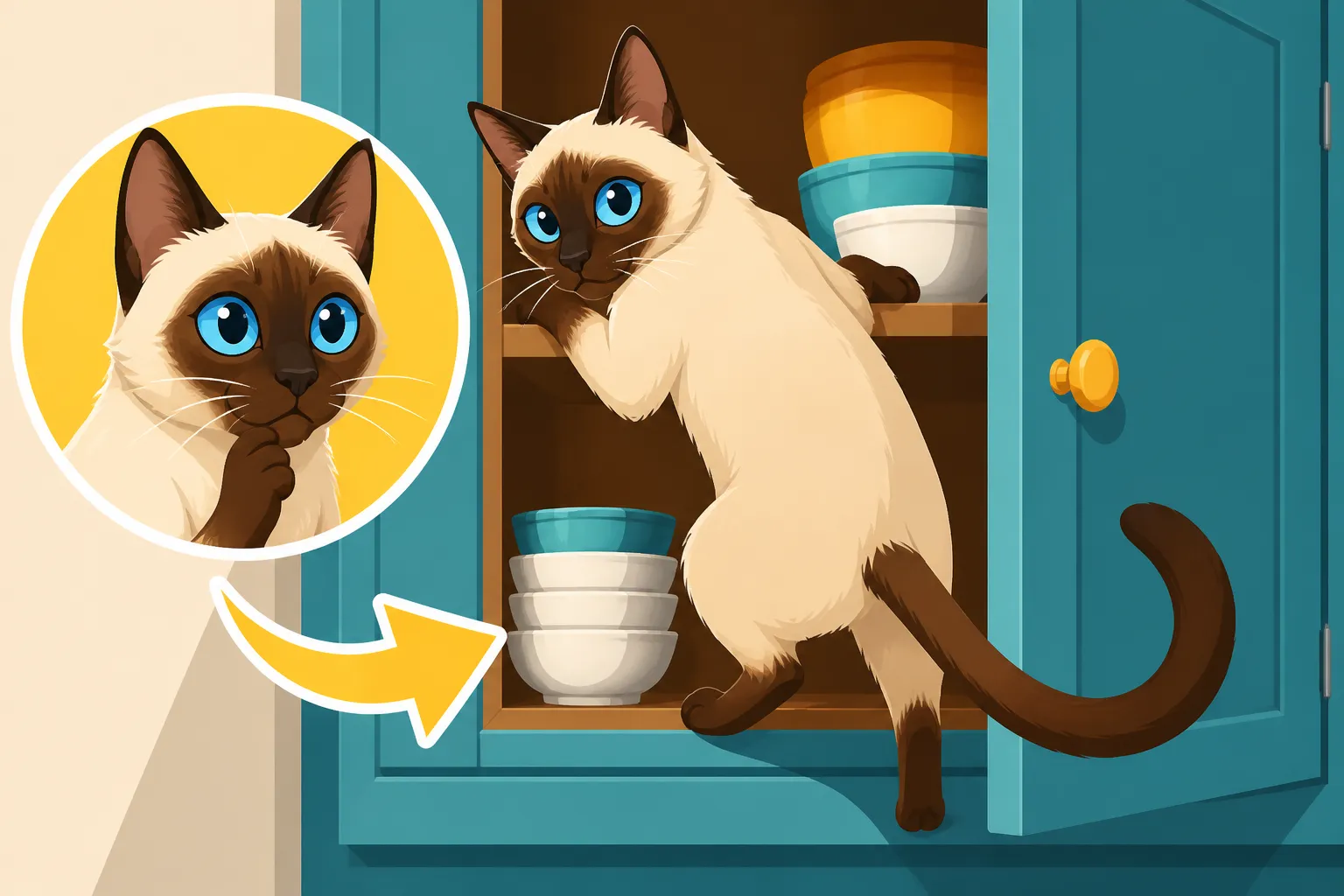
For cupboards that are higher up or have no external handles, your Siamese might resort to acrobatic feats. They are excellent jumpers and climbers. They might scale nearby shelves, countertops, or even curtains to get a higher vantage point. Once positioned above a cupboard door, they can use their body weight to push down on the top edge, causing it to swing open. Or, if there's a slight gap, they might wedge their head or a paw in and then use their powerful back legs to push off, leveraging the door open.
Consider the pantry door that has a simple tension latch. A Siamese might jump onto the countertop next to it, then launch themselves at the door, using their weight to hit it in just the right spot, or to grasp the top edge and pull it with all their might. It's truly amazing How a Siamese Cat Opens Doors. They’re not just jumping; they're calculating trajectory and impact points. This method often leaves a few claw marks on the door or frame as evidence of their tireless efforts.
The Persistent Meow and Demand
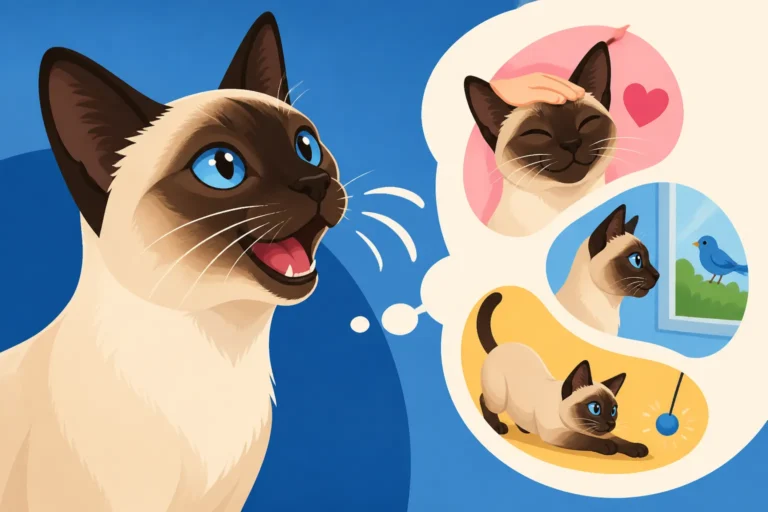
Sometimes, your Siamese doesn't even need to open the cupboard themselves. They've figured out that the most effective way to access certain treasures is to enlist your help. This is where their legendary vocalizations come into play. They'll sit by the forbidden cupboard, fixing you with an intense stare, and unleash a series of insistent, often piercing, meows and yowls. What the Siamese Cat's Meezer Yowl Sounds Like is truly unforgettable.
They know that eventually, you'll succumb to their demands, if only to restore peace and quiet to the house. You might open the cupboard to show them it's empty, or to grab something and quickly close it again. But in their mind, they've won. They've successfully manipulated you into granting them access, even if it was only momentary. This reinforces their belief that persistence, coupled with their powerful voice, will ultimately get them what they want. It’s a classic example of operant conditioning, where they've trained you to respond to their cues.
Securing Your Cupboards Against a Determined Siamese
Now that you understand their methods, it's time to fortify your home. You can't just wish your Siamese would stop; you need practical solutions. The key is to think like your cat: anticipate their moves and make it physically impossible for them to succeed. This means going beyond simple friction latches and exploring more robust security measures.
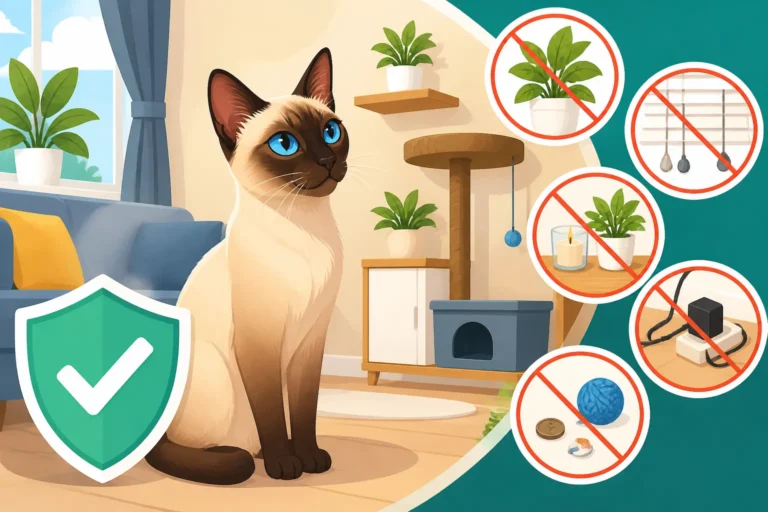
It’s crucial to make sure that anything potentially harmful—like cleaning supplies, medications, human foods toxic to cats, or small items that could be choked on—are behind truly impenetrable defenses. This isn't just about keeping your house tidy; it's about protecting your beloved feline from harm. You might think they wouldn't touch that bottle of cleaner, but a curious Siamese exploring an open cabinet could easily knock it over or even try to taste it. Safety first!
Childproofing Solutions for Cat Parents
Believe it or not, many of the products designed to keep human toddlers out of cabinets work perfectly for Siamese cats. These devices are built to withstand tiny, determined hands (and paws!), making them ideal for your clever kitty. You can find a wide array of options on Amazon or at any local home improvement store.
Here’s a look at some popular and effective options:
| Method | Description | Pros | Cons |
|---|---|---|---|
| Magnetic Locks | Installed inside the cabinet, opened with a magnetic key. | Invisible from outside, very secure. | Requires installation, easy to lose key. |
| Adhesive Latches | Stick-on plastic latches that connect the door to the frame. | No drilling, relatively easy to install. | Less durable for strong pullers, visible from outside. |
| Spring-Release Latches | Hook on the inside that releases with a push-down mechanism from the outside. | Relatively secure, inexpensive. | Requires drilling, can be difficult to open with one hand. |
| Tension Rods | Extendable rod placed horizontally inside the cabinet behind the doors. | No installation, easily removable, affordable. | Visible when doors are open, not suitable for all cabinet types. |
| U-Shaped Cabinet Latches | External latch that goes around two knobs/handles. | No installation, very easy to use, portable. | Visible, less secure for strong pullers, only for knob/handle doors. |
For magnetic locks, they are fantastic for aesthetics because they're completely hidden, but make sure you have a designated, secure spot for the magnetic "key" so it doesn't get misplaced. Adhesive latches are great if you're not keen on drilling, but double-check that the adhesive is strong enough to withstand a persistent Siamese tug. You might even find that combining a few methods is your best bet for really stubborn cupboard invaders.
Creative Deterrents and Barriers
Sometimes, locks alone aren't enough, or perhaps you have a few cupboards that are just too difficult to modify with traditional child locks. This is where you need to get creative and implement deterrents that make the cupboard unappealing or inaccessible.
One simple trick is to make the surface of the cupboard uninviting. Double-sided sticky tape applied along the bottom edge or top of a cabinet door can deter a pawing Siamese, as most cats dislike the sticky sensation on their paws. This isn't a long-term solution, as the stickiness can wear off and it's not the prettiest look, but it can help break the habit in the short term. Just be sure to use cat-safe tape that won't leave residue or harm their paws.
For cupboards that are truly problematic, or if you have a Siamese who has developed a habit of Why a Siamese Cat Sucks Wool and you need to protect clothing or blankets, consider physical barriers. A baby gate can block access to an entire kitchen if the problem is widespread, or even a small decorative screen placed in front of a particularly tempting cabinet. The goal is to make access difficult or uncomfortable without causing your cat any stress or harm. Remember, you’re not punishing them; you’re managing their environment for their safety and your peace of mind.
Thinking Like a Siamese
To truly outsmart your Siamese, you need to understand their motivations and anticipate their moves. What draws them to that specific cupboard? Is it a particular smell, a crinkly sound, or simply the fact that it's closed and therefore mysterious? If you notice them obsessing over a certain cabinet, try to figure out what's inside that's so captivating.
Sometimes, the best defense is a good offense. If your cat is consistently trying to get into food cupboards, it might be a sign they're not getting enough mental stimulation or regular meals. Consider introducing puzzle feeders, which can satisfy their hunting instincts and keep them occupied. What Toys a Siamese Cat Actually Uses can vary, but interactive toys are often a hit. Ensuring they have a consistent feeding schedule and plenty of interactive playtime can reduce their need to "hunt" for food in your cabinets. For those especially food-motivated Siamese, make sure all food items are in airtight containers, not just inside a cupboard, to mask any tempting aromas.
Understanding the Motivation Behind Their Cupboard Raids
It’s easy to get frustrated when your Siamese is constantly breaking into cupboards, but it’s important to remember that they're not doing it out of spite. Their actions are driven by instinct, intelligence, and their unique personality. Understanding the root cause can help you implement solutions that address their needs, rather than just patching up the problem.
Think of it this way: your Siamese isn't trying to annoy you; they're trying to solve a problem or fulfill a need. Whether it's boredom, hunger, attention-seeking, or pure investigative curiosity, their actions stem from their core feline nature. By looking beyond the "bad behavior" and at the underlying motivation, you can foster a more harmonious home environment for both of you. This proactive approach can make a huge difference in managing their exuberant personalities.
Beyond Simple Mischief
For a Siamese, a closed cupboard isn't just an inanimate object; it's a challenge, an unread book, a potential adventure waiting to happen. It's rarely simple mischief. More often, it's a manifestation of their high energy and intelligence. They are incredibly clever creatures who thrive on mental and physical engagement. If they're not getting enough of either, they'll create their own "entertainment," and your cupboards might just become their latest game.
Consider the classic scenario: you've been busy all day, perhaps working from home, and haven't had much time for interactive play. Your Siamese, feeling under-stimulated, notices the kitchen cupboard where you keep their treats. It's a prime target for exploration. They might try to open it not just for the treats, but for the sheer mental exercise of figuring out how. How Clever a Siamese Cat Is is often underestimated until they've outsmarted you. Their persistence is a sign of their problem-solving skills, even if it leads to a mess.
Addressing the Root Cause
The best way to stop a Siamese from getting into cupboards is to address the underlying reasons why they want to get in there in the first place.
Boredom and Lack of Stimulation: If your Siamese is bored, they will find ways to entertain themselves. This can manifest as cupboard exploration, but also as What a Bored Siamese Cat Destroys or excessive vocalization. Ensure your cat has plenty of interactive playtime with you every day, using toys that mimic prey. Invest in vertical climbing spaces like cat trees or shelves, which appeal to their natural instincts. Puzzle feeders are excellent for engaging their minds during meal times. These activities can go a long way in redirecting their investigative energies towards more appropriate outlets.
Hunger or Perceived Hunger: Siamese cats are often very food-motivated. If they're constantly trying to get into food cupboards, it might be because they're genuinely hungry, or they perceive that they are. Ensure they are on a consistent feeding schedule with appropriate portion sizes. If they're begging between meals, try a small, healthy treat, or redirect them with playtime. Some cats benefit from multiple smaller meals throughout the day rather than one or two large ones. Always check with your vet if you're concerned about their weight or appetite.
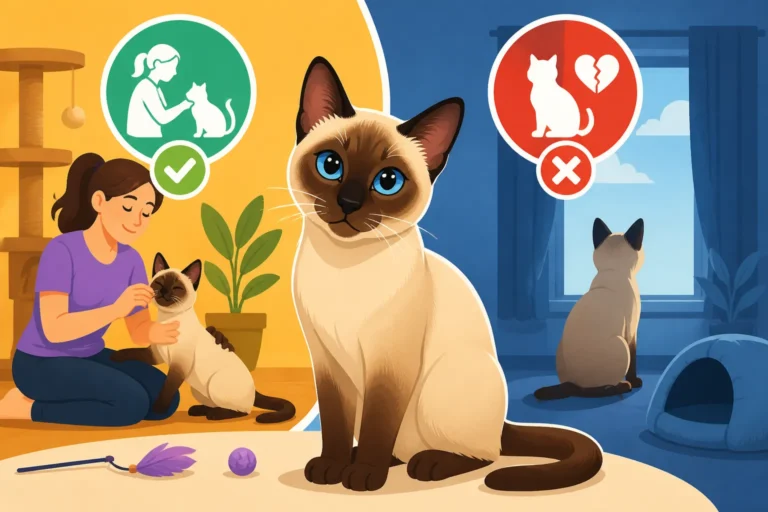
Attention Seeking: Sometimes, the cupboard raid is a cry for attention. Siamese cats are highly social and thrive on interaction with their humans. If they feel ignored, they might resort to "naughty" behaviors to get you to notice them. Even a scolding is attention in their eyes. Try to spend quality time with your Siamese daily, whether it's through play, cuddling, or even just talking to them as you go about your day. A little proactive attention can prevent a lot of destructive behavior. Why a Siamese Cat Follows You Room to Room is a clear sign they want to be part of your world.
By combining physical barriers with a deeper understanding of your Siamese cat's needs, you can create a home environment that is both safe and stimulating, allowing your brilliant companion to thrive without turning your kitchen into a perpetual adventure zone.
Disclaimer
This article is for general informational purposes only and does not constitute professional advice. Laws, prices and regulations vary by location and change over time. Consult a qualified professional for guidance on your specific situation.