Whether a Siamese Cat Is Cheap to Insure
It's a common question, and one that often causes a little head-scratching: is insuring a Siamese cat going to be an astronomical expense, or can you find a surprisingly affordable plan for your talkative companion? Many cat parents worry that this unique breed's known health quirks and vibrant personality translate directly into sky-high premiums. This guide is here to shed light on whether a Siamese cat is cheap to insure, helping you understand the myriad factors that influence the cost and how you can navigate the world of pet insurance without feeling completely lost.
Factors Influencing Siamese Cat Insurance Costs
When you start looking into pet insurance for your beloved Siamese, you quickly realize it's not a one-size-fits-all situation. Several variables come into play, and understanding them is key to figuring out what your monthly or annual premium might look like. It’s never as simple as just getting a quote; you need to dig into why that quote is what it is.
Breed-Specific Health Concerns and Their Impact
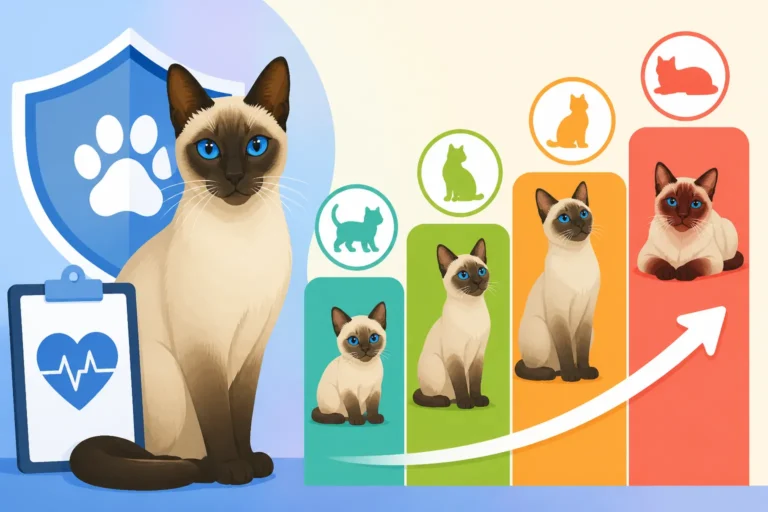
Siamese cats, for all their beauty and charm, do come with a predisposition to certain health conditions that can influence insurance costs. Providers assess risk, and if a breed is known for specific issues, those can factor into the pricing. It’s not a judgment on your cat, but a statistical reality that affects how policies are structured. For instance, some of the concerns that might be on an insurer's radar include How Healthy the Siamese Cat Actually Is.
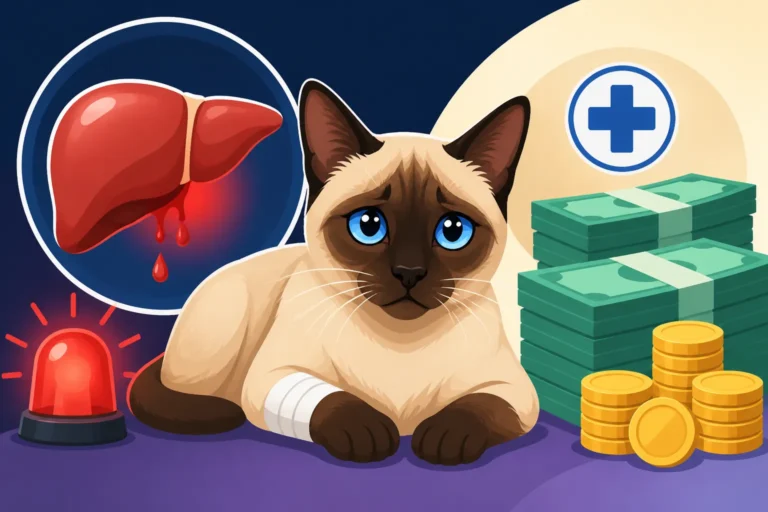
One of the most well-known issues in the breed is amyloidosis, a condition where an abnormal protein, amyloid, is deposited in organs, most commonly the liver in Siamese cats. This can lead to serious liver problems, including liver rupture, which is often sudden and life-threatening. The potential for such a severe and acute medical emergency means that the actuarial tables for Siamese cats might reflect a higher risk for critical care, scans, and emergency surgeries. Even though it's not always easy to detect early, the possibility of an amyloidosis diagnosis (Amyloidosis Is the Disease That Kills Young Siamese Cats) means insurers are aware of the potential for high-cost claims.
Beyond amyloidosis, Siamese cats can also be prone to other health challenges. Asthma, for example, is seen more frequently in Siamese and related Oriental breeds. Managing feline asthma often involves long-term medication, inhalers, and regular veterinary check-ups, all of which can accumulate into significant costs over a cat's lifetime. An insurer will consider the breed's general susceptibility to conditions like Asthma in a Siamese Cat when calculating premiums, as ongoing conditions can lead to consistent claims. Similarly, certain cancers, though not exclusive to Siamese, might also be a consideration, as treatment can be incredibly expensive.
Age and Location Considerations
Just like with human health insurance, your cat's age plays a significant role in how much you'll pay for their policy. Kittens are generally cheaper to insure because they're less likely to develop chronic conditions or age-related illnesses. However, as your Siamese cat matures and especially as they reach their senior years – typically past the age of twelve, where they are considered The Age a Siamese Cat Is Considered Senior – their premiums will almost certainly increase. This is because older cats are naturally more susceptible to a range of health issues, from kidney disease and hyperthyroidism to dental problems and arthritis.
Geographic location also has a surprising impact on insurance premiums. The cost of veterinary care can vary wildly from one region to another, driven by factors like local overheads, specialist availability, and cost of living. A vet visit in a bustling metropolitan area, for instance, might be considerably more expensive than the same procedure in a rural town. Insurance providers adjust their rates to reflect these regional differences in veterinary costs. So, if you live in an area with high veterinary expenses, expect your Siamese cat's insurance to be pricier, regardless of the cat itself.
Comparing Insurance Providers and Plans
Diving into the market for pet insurance can feel like trying to solve a puzzle with missing pieces. There are so many providers, so many different types of plans, and each one seems to have its own unique set of rules and jargon. It’s enough to make anyone want to throw their hands up in exasperation, but a little careful comparison can save you a lot of heartache and money down the line.
Understanding Different Coverage Types
Not all pet insurance is created equal, and understanding the different types of coverage available is crucial. You'll typically encounter a few main categories, each offering varying levels of protection at different price points. The cheapest option might not always be the best value, and the most comprehensive might include things you simply don't need, making it unnecessarily expensive.
-
Accident-Only Plans: These are usually the most budget-friendly option. As the name suggests, they only cover costs associated with accidents – think broken bones, ingesting a foreign object, or getting hit by a car. They do not cover illnesses, chronic conditions, or routine care. For a Siamese, this might protect against an emergency like What a Siamese Cat's Emergency Liver Bleed Costs if it's deemed an accident, but it wouldn't help with ongoing conditions like asthma or kidney issues. While cheaper upfront, it leaves you vulnerable to significant illness-related veterinary bills.
-
Accident & Illness Plans: This is the most common type of pet insurance and offers a much broader scope of coverage. These plans cover both accidental injuries and a wide array of illnesses, including infections, cancer, diabetes, and many breed-specific conditions (though pre-existing conditions are almost always excluded). For a Siamese, this type of plan is generally recommended because it addresses the potential for both sudden emergencies and the management of chronic diseases like What Amyloidosis Does to a Siamese Cat or Asthma in a Siamese Cat. The cost will be higher than accident-only plans, but the peace of mind can be invaluable.
-
Comprehensive Wellness Plans (often an add-on): Some providers offer additional wellness packages that can be added to an accident & illness plan. These typically cover routine veterinary care like annual check-ups, vaccinations, flea and tick prevention, and sometimes even dental cleanings. While these might seem like a great way to spread out costs, it’s important to calculate if the annual premium for the wellness add-on truly saves you money compared to simply paying for these services out-of-pocket. For example, knowing How Often a Siamese Cat Needs a Wellness Exam can help you determine if a wellness plan makes financial sense for your individual situation.
Deductibles, Reimbursement Rates, and Annual Limits
When you're comparing plans, you'll inevitably come across terms like "deductible," "reimbursement rate," and "annual limit." These aren't just technical jargon; they directly impact how much you'll pay out of pocket when your Siamese needs veterinary care. Understanding these elements is crucial for making an informed decision.
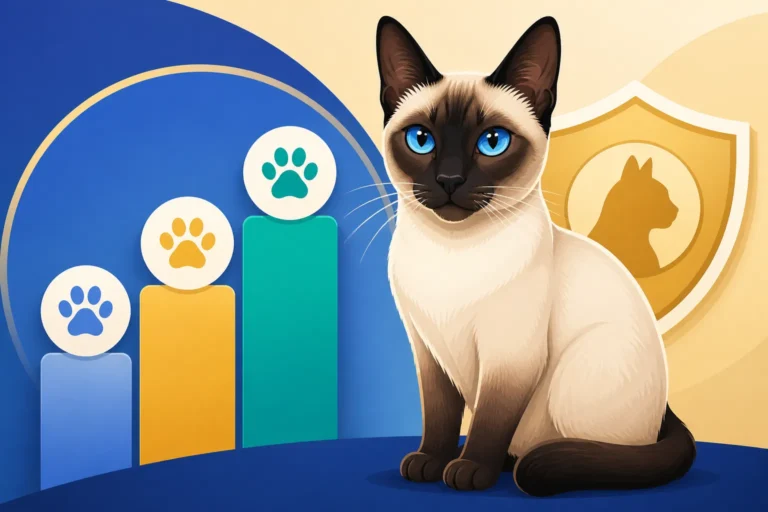
The deductible is the amount of money you need to pay towards your vet bills before your insurance coverage kicks in. Think of it like the deductible on your car insurance. Plans often offer different deductible options: a lower deductible means higher monthly premiums, but you pay less when your cat needs care. Conversely, a higher deductible translates to lower monthly premiums but a larger initial out-of-pocket expense when you file a claim. Many providers, like Healthy Paws, allow you to select a deductible that fits your budget.
The reimbursement rate is the percentage of the covered vet bill that the insurance company will pay back to you after you've met your deductible. Common reimbursement rates are 70%, 80%, or 90%. If your reimbursement rate is 80% and you have a $1,000 covered vet bill after your deductible, the insurer will pay you back $800, leaving you responsible for $200. A higher reimbursement rate means less out-of-pocket expense for you, but it will also come with a higher premium.
Finally, the annual limit is the maximum amount the insurance company will pay out in covered claims within a policy year. Some plans offer unlimited annual payouts, which can be fantastic if your cat experiences a major illness or multiple accidents. Other plans might have limits, such as $5,000, $10,000, or $15,000. For serious conditions like chemotherapy for cancer or emergency surgery for a Siamese Cat's Ruptured Liver, an unlimited or very high annual limit can be a lifesaver. It’s essential to consider the potential for high-cost treatments when evaluating annual limits.
| Plan Type | Covers Accidents? | Covers Illnesses? | Covers Wellness/Routine Care? | General Cost Implications |
|---|---|---|---|---|
| Accident-Only | Yes | No | No | Lowest Premiums |
| Accident & Illness | Yes | Yes | No (usually) | Moderate to High Premiums |
| Comprehensive (A&I + Wellness Add-on) | Yes | Yes | Yes (specified items) | Highest Premiums |
Strategies to Lower Siamese Cat Insurance Premiums
It’s easy to feel like you’re at the mercy of insurance companies, especially when you have a beloved Siamese cat whose health you want to protect. However, there are absolutely proactive steps you can take to potentially lower your premiums or at least make pet insurance more affordable over time. It’s all about being a smart, engaged pet parent.
Prioritizing Preventative Care
One of the most effective long-term strategies to keep insurance costs down is to invest heavily in preventative care for your Siamese cat. A healthy cat is a cat that visits the vet less frequently for unexpected issues, and that means fewer claims and potentially lower premium increases over time. This isn't just about avoiding claims; it's about giving your cat the best possible quality of life.
Regular veterinary check-ups are non-negotiable. These annual visits allow your vet to catch potential health problems early, often before they become serious and costly emergencies. During these exams, your vet can perform necessary vaccinations, parasite control, and screenings that can flag issues like Signs a Siamese Cat's Kidneys Are Failing From Amyloid or the early onset of dental disease. Remember, treating a condition in its nascent stages is almost always less expensive and less invasive than waiting until it's advanced. Investing in high-quality food, perhaps from a trusted retailer like Chewy, and engaging toys can keep your Siamese healthy and active.
Diet also plays a crucial role. Feeding your Siamese a high-quality, balanced diet tailored to their life stage can significantly impact their overall health. Good nutrition supports a strong immune system, helps maintain a healthy weight (which is important for a lean breed like the Siamese), and can even help manage existing conditions. Foods with high-quality ingredients might seem like a higher upfront cost, but they can pay dividends in terms of fewer vet visits and a healthier, happier cat.
Choosing the Right Plan and Timing
The timing of when you purchase your pet insurance and the specific choices you make regarding your plan can dramatically affect your premiums. It's not just about getting any plan; it's about getting the right plan for your specific Siamese cat and your financial situation.
Buying insurance when your Siamese is a kitten is usually the most cost-effective approach. Kittens have fewer pre-existing conditions, which are typically excluded from coverage by all insurance providers. If you wait until your cat is older and has developed a chronic condition, that condition will likely not be covered, meaning you'll be paying out-of-pocket for its management. For example, if your Siamese develops Heart Murmurs in a Siamese Cat or Kidney Disease in an Older Siamese Cat later in life, and you didn't have insurance beforehand, those conditions would be considered pre-existing and therefore excluded from any new policy.
When selecting a plan, carefully consider the deductible, reimbursement rate, and annual limit as discussed earlier. If you have a robust emergency fund set aside for your cat, opting for a higher deductible and a lower reimbursement rate (e.g., 70% instead of 90%) could lead to significantly lower monthly premiums. This strategy shifts more of the immediate cost onto you when a claim arises, but reduces your ongoing payment. Conversely, if you prefer minimal out-of-pocket expenses during a crisis, a lower deductible and higher reimbursement rate, even with higher premiums, might be more suitable for your budget and peace of mind. Many online tools allow you to compare various plans and adjust these parameters to see how they impact your quote.
Inquiring About Discounts
Don't be shy about asking if there are any discounts available. Many insurance providers offer various ways to save, and a simple inquiry could shave a noticeable amount off your premiums. It never hurts to ask, and often these discounts aren't automatically applied unless you specifically mention them.
Common discounts include those for insuring multiple pets – if you have more than one Siamese or another feline companion, it's definitely worth exploring a multi-pet discount. Some companies offer discounts if you bundle your pet insurance with other policies you hold, such as home or car insurance. There might also be discounts for paying your premium annually instead of monthly, as this reduces the administrative burden for the insurer. Additionally, some employers or professional organizations have partnerships with pet insurance companies, offering exclusive rates to their members. It's always a good idea to check with your workplace or any groups you belong to, as these affiliations can sometimes provide substantial savings.
Understanding What Insurance Doesn't Cover
Even the most comprehensive pet insurance plan has its limits. It’s vital to understand what your policy explicitly doesn’t cover to avoid nasty surprises when you’re already stressed about your Siamese cat’s health. Thinking that insurance will cover absolutely everything is a common misconception, and it can lead to significant financial strain if you're caught unprepared.
The Reality of Pre-Existing Conditions
This is perhaps the biggest and most important exclusion to understand: pet insurance almost universally does not cover pre-existing conditions. A pre-existing condition is any illness or injury that your Siamese cat had before you enrolled them in the insurance policy or before the policy's waiting period ended. This is why insuring your cat when they are young and healthy is so critical.
For example, if your Siamese cat has already been diagnosed with Gingivitis in a Siamese Cat or a heart murmur before you get insurance, any future treatment for those specific conditions will likely be excluded from coverage. This applies whether the condition was diagnosed by a vet or even if symptoms were simply noted in their medical records, even if you hadn't realized its significance at the time. The fine print in your policy will usually detail how they define and handle pre-existing conditions, so it’s imperative to read it thoroughly. Some policies have a "curable" vs. "incurable" pre-existing condition clause, where curable conditions might be covered after a certain symptom-free period, but this is less common and often has strict stipulations.
It means that while insurance can protect you from new and unexpected health problems, it won't bail you out for conditions that were already present. This can be especially frustrating if you adopt an adult Siamese cat and discover they have a pre-existing chronic issue; you'll need to budget for those specific ongoing costs yourself. This is also why many breeders are now very transparent about any known issues in their lines, as seen in What a Siamese Cat Breeder Should Have Screened.
Routine Care and Elective Procedures
While some comprehensive plans offer wellness add-ons, standard accident and illness policies typically do not cover routine or preventative care. This means things like annual check-ups, vaccinations, routine flea and tick medications, and preventative dental cleanings are usually your responsibility, unless you've specifically purchased an optional wellness package.
Elective procedures, which are treatments or surgeries that aren't medically necessary to save your cat's life or alleviate suffering, are also generally excluded. This could include cosmetic procedures (though rare for cats), or certain alternative therapies if not approved or recommended by a veterinarian and specifically outlined in your policy. Even things like spaying or neutering, while very common and beneficial, are usually not covered by standard insurance policies, as they are considered elective procedures, not treatments for an illness or injury. How Often a Siamese Cat Needs a Dental is a common concern for owners, and while emergency dental work for an injury might be covered, routine cleaning typically is not.
Behavioral Issues and Experimental Treatments
Siamese cats are known for their strong personalities and can sometimes develop behavioral quirks or issues. Conditions like Psychogenic Alopecia in a Siamese Cat, where a cat compulsively overgrooms due to stress or anxiety, might have a medical component but also a significant behavioral one. While a vet visit to rule out medical causes for overgrooming would likely be covered, specific behavioral modification training or certain non-prescription calming supplements might not be. Policies often draw a line between medical treatment and behavioral interventions, especially if the latter doesn't involve prescription medication.
Furthermore, experimental or investigational treatments are almost always excluded from pet insurance coverage. Veterinary medicine, like human medicine, is constantly evolving, but if a treatment is not yet widely accepted as standard practice or is still undergoing trials, your insurance provider is unlikely to cover it. This is a nuanced area, as what's considered "experimental" can change over time. It’s always best to discuss any potential novel treatments with your vet and then check directly with your insurance provider to understand coverage before proceeding, especially for complex or rare conditions in Siamese cats that might require specialized approaches.
Disclaimer
This article is for general informational purposes only and does not constitute professional advice. Laws, prices and regulations vary by location and change over time. Consult a qualified professional for guidance on your specific situation.