Feeding a Lean Siamese Cat That Burns Everything
If you're a Siamese cat owner, you know the drill: your gorgeous feline friend seems to eat constantly, yet you can still feel every rib, every vertebra. It's easy to worry, looking at their svelte frame and wondering if you're doing something wrong, especially when they zoom around like they've got an endless supply of energy. This comprehensive guide will explore the unique metabolism of Siamese cats, explain why their lean build is perfectly normal, and provide actionable feeding strategies to ensure your active companion is getting all the nutrients they need to thrive.
Understanding the Siamese Cat's Metabolism and Build
It’s completely natural to scrutinize your Siamese cat's physique and compare it to other, perhaps chunkier, breeds. But the truth is, the Siamese is built differently, a true athlete among felines. Their lithe, muscular bodies are a hallmark of the breed, not a sign of neglect.
Why Siamese Cats are Naturally Lean and Muscular
Siamese cats are often described as "slinky" or "elegant," and there's a good reason for that. They possess a naturally lean, athletic build with long, tubular bodies and fine bones. This isn't because they're starving; it's simply their genetic blueprint. Unlike some stockier breeds, Siamese cats are bred for a slender, graceful appearance. Their muscles are taut and well-defined, not hidden under layers of fat. This body type contributes to their incredible agility and boundless energy, allowing them to leap and climb with ease. It's a key part of their charm and what makes them such dynamic companions.
Many new Siamese owners, or even experienced ones who've had other breeds, find themselves feeling their cat's prominent hip bones and ribs and instantly assume the worst. They might rush to offer more food, concerned their beloved pet isn't getting enough. However, for a healthy Siamese, these bony protrusions are often just part of their normal anatomy. They simply don't carry the same subcutaneous fat as many other domestic cats, which often have a more rounded, compact appearance. Recognizing this natural leanness is the first step in understanding how to properly care for and feed your Siamese.
The breed standard itself, set by cat registries like the CFA and TICA, emphasizes this sleek, almost tubular body. They look for long, tapering lines, a fine boning, and firm musculature. This means that a show-quality Siamese is, by definition, a very lean cat. What might look underweight on a Maine Coon or a Persian is often perfectly normal and desirable for a Siamese. This inherent characteristic means we, as owners, need to recalibrate our visual expectations of a "healthy" cat when living with a Siamese.
The High Energy Demands of a Siamese
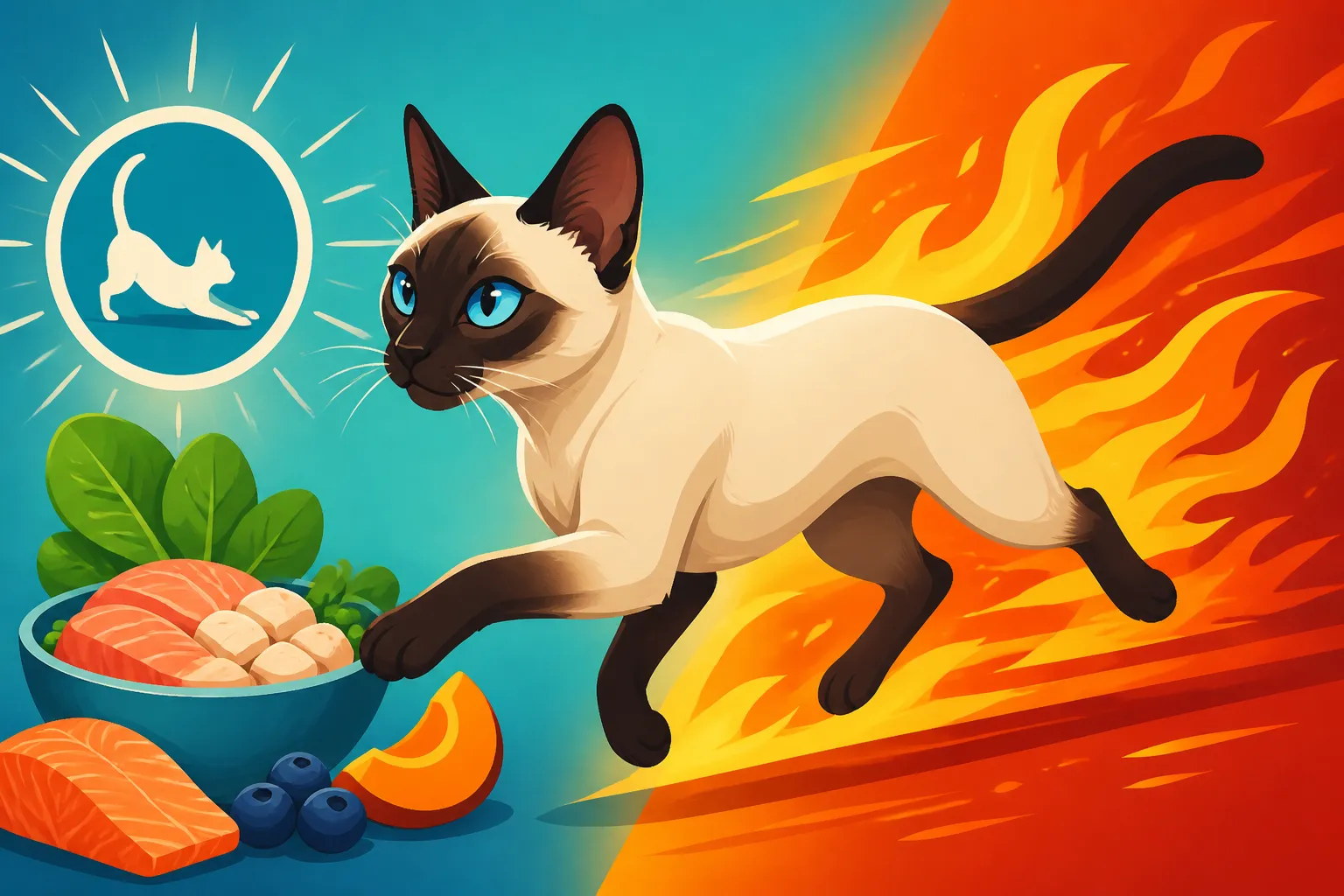
If you live with a Siamese, you know they're not exactly couch potatoes. These cats are renowned for their high energy levels, their playful antics, and their almost dog-like devotion to interactive games. This constant motion isn't just for show; it burns a remarkable amount of calories. A Siamese cat that spends its day darting around the house, scaling cat trees, chasing toys, and engaging in spirited conversations with you is expending a lot more energy than a more sedentary feline. This sustained activity requires a steady supply of fuel, directly impacting their nutritional needs.
Think of your Siamese as a tiny, furry athlete. Just like human athletes need more calories and specific macronutrients to maintain their performance and body weight, your Siamese cat has higher metabolic demands. Their quick movements, intense play sessions, and even their characteristic vocalizations all contribute to their daily energy expenditure. It's not uncommon for a Siamese to appear perpetually hungry, always on the lookout for their next meal or treat, which is often a direct reflection of their efficient calorie-burning machine rather than a sign of actual hunger or malnourishment.
This high metabolism means they process food quite rapidly. What another cat might slowly digest throughout the day, a Siamese might burn through in a few hours. This is why many Siamese owners report that their cats are always "grazing" or seem to need more frequent meals to maintain their weight. It's an active metabolism at work, doing exactly what it's designed to do: convert food into the energy needed for their dynamic lifestyle. Understanding this intrinsic need for energy helps us approach their feeding schedule and food choices with the right mindset.
Dispelling Myths About "Fat" Siamese Cats
It’s rare to see an overweight Siamese cat, and for good reason: their genetics and activity levels naturally lean them toward a slender physique. However, some owners, especially those new to the breed, might mistakenly believe that a Siamese should be a bit more "cuddly" or rounded, similar to other domestic shorthairs. This misconception can lead to overfeeding, attempting to put weight on a cat that is already at its ideal, healthy weight. The result, paradoxically, can be health problems that are uncommon in the breed, such as obesity-related issues.
The reality is that a truly "fat" Siamese is an unhealthy Siamese. While a little extra padding might go unnoticed on a fluffier, stockier cat, it stands out significantly on a Siamese's lean frame. Excess weight in a Siamese cat can strain their delicate joints, contribute to conditions like diabetes, and reduce their overall agility and zest for life. It’s important to remember that their natural build, while appearing thin, is designed for optimal health and mobility. Any attempt to make them look "plump" often goes against their genetic predisposition and can be detrimental.
The term "lean" should be embraced, not feared, when describing a Siamese. It means strong, agile, and healthy. We explore this further in How Easily a Siamese Cat Gets Fat, but the takeaway is clear: don't strive for a hefty Siamese. Instead, aim for a well-muscled, energetic cat with a visible waist and palpable ribs, without them being sharply protruding. A healthy Siamese should feel firm and streamlined, not soft or doughy. Changing our perception of what a "healthy weight" looks like for this specific breed is crucial for their long-term well-being.
Evaluating Your Siamese Cat's Ideal Weight and Body Condition
Knowing your Siamese is naturally lean is one thing, but how do you tell if they're too lean or just right? This is where understanding body condition scoring comes in handy, helping you assess their health objectively rather than just by sight.
What a Healthy Siamese Cat Looks and Feels Like
A healthy Siamese cat, despite its inherent slenderness, should look and feel vibrant. Visually, they should have a discernible waist when viewed from above, a clear tuck-up in their abdomen when seen from the side, and well-defined muscle tone. Their coat should be sleek, shiny, and lie flat against their body, indicating good nutrition and overall health. Their eyes should be bright and clear, and their movements fluid and energetic, demonstrating no discomfort or lethargy. They are typically active, engaged, and full of their characteristic vocalizations.
When you run your hands along their sides, you should be able to easily feel their ribs, but they shouldn't be sharply protruding or visible without gentle palpation. You should also be able to feel their spine and hip bones without excessive pressure, but again, they shouldn't feel like sharp ridges. There should be a thin layer of muscle and a very slight fat covering over these bones. This firm, muscled feel is a good indicator of a healthy weight for a Siamese. If you’re unsure, a quick check with your vet during a routine How Often a Siamese Cat Needs a Wellness Exam can put your mind at ease.
Consider the example of Luna, a Seal Point Siamese I know. She's incredibly active, chasing laser pointers and scaling cat trees all day long. Her owners initially worried she was too thin, always asking me, "Is Why a Siamese Cat Stays So Thin normal?" But when you pet her, you feel her strong muscles and can just barely feel her ribs and spine. She's got that classic elegant profile, full of energy, and her vet has confirmed she's at a perfect weight. This sensory feedback – feeling the ribs without seeing them sharply – is often more reliable than just looking at their slender frame.
The Body Condition Scoring System for Felines
The Body Condition Score (BCS) system is a widely used, objective tool that veterinarians and owners can use to assess a cat's weight. It typically uses a 9-point scale, where 1 is emaciated and 9 is morbidly obese, with 5 being the ideal. This system helps remove some of the subjectivity that comes with simply "eye-balling" your cat, especially for breeds with unique builds like the Siamese. It focuses on palpation (feeling) rather than just observation.
To perform a BCS, you gently run your hands over your cat's ribs, spine, and hip bones.
- BCS 1 (Emaciated): Ribs, spine, and hip bones easily visible and felt without fat covering. Severe abdominal tuck.
- BCS 3 (Thin): Ribs easily palpable with minimal fat covering. Obvious waist and abdominal tuck.
- BCS 5 (Ideal): Ribs palpable with slight fat covering, not visible. Visible waist and slight abdominal tuck.
- BCS 7 (Overweight): Ribs difficult to feel due to moderate fat cover. Little to no waist or abdominal tuck.
- BCS 9 (Obese): Ribs, spine, and hip bones not palpable. Obvious fat deposits on chest, back, and tail base. No waist or abdominal tuck.
For a Siamese cat, a BCS of 4 or 5 is generally considered ideal. This means you can feel their ribs fairly easily, but they shouldn't be sharp or completely uncovered. You'll observe that distinct waistline and abdominal tuck. Anything below a 4 means you should probably consult your vet and reassess their diet and overall health. You can find detailed charts online or ask your vet to demonstrate how to perform a BCS during your next visit. This objective assessment helps ensure that your lean Siamese is indeed healthy, not underweight.
| BCS Score | Description | What You Feel/See (Siamese Cat Context) |
|---|---|---|
| 1 | Emaciated | Ribs, spine, hip bones very prominent, no fat/muscle. Severe abdominal tuck. |
| 2 | Very Thin | Ribs, spine, hip bones easily seen/felt, minimal fat/muscle. Marked abdominal tuck. |
| 3 | Thin | Ribs easily felt, slight fat covering. Obvious waist, abdominal tuck. |
| 4-5 | Ideal | Ribs palpable with slight fat cover, not visible. Clear waist, slight abdominal tuck. |
| 6 | Overweight | Ribs harder to feel, moderate fat cover. Less distinct waist. |
| 7-9 | Obese | Ribs difficult/impossible to feel due to heavy fat. No waist, sagging abdomen. |
When "Lean" Becomes "Underweight" and Why It Matters
While a lean physique is normal for a Siamese, there's a critical difference between "lean and healthy" and "underweight." An underweight Siamese will not only look excessively bony, but they may also exhibit other signs of poor health or inadequate nutrition. If their ribs, spine, and hip bones are sharply visible from a distance, or if there's absolutely no discernible muscle or fat covering when you feel them, your cat might be underweight. This isn't just about aesthetics; being underweight can signify underlying health issues, or simply mean your cat isn't getting enough calories or proper nutrients.
An underweight cat can suffer from a weakened immune system, making them more susceptible to illnesses. They may also lack the energy for normal activities, appearing lethargic or withdrawn. In kittens, being underweight can stunt growth and development. For adult cats, prolonged underweight status can lead to muscle wasting and a general decline in health. It’s particularly important to monitor weight in older Siamese cats, as issues like hyperthyroidism or kidney disease can cause rapid weight loss despite a good appetite. We touch upon this in Whether a Thin Siamese Cat Is Underweight.
If you suspect your Siamese is underweight, the first step is always a visit to your veterinarian. They can rule out any underlying medical conditions, such as parasites, dental problems, thyroid issues, or malabsorption. Once any health concerns are addressed, your vet can help you formulate a feeding plan to safely and effectively help your cat gain healthy weight. This might involve increasing calorie density, feeding more frequently, or switching to a more palatable food. Never try to force-feed your cat or drastically change their diet without professional guidance.
Choosing the Right Diet: Macronutrients for a High-Energy Cat
Once you understand your Siamese's natural build and energy demands, the next crucial step is selecting the right food. It’s not just about quantity; the quality and composition of their diet are paramount.
The Importance of High-Quality Protein
For an active, muscular breed like the Siamese, high-quality animal protein is the cornerstone of their diet. Protein provides the essential amino acids necessary for building and repairing muscle tissue, supporting a healthy immune system, and producing vital enzymes and hormones. Cats are obligate carnivores, meaning their bodies are designed to derive nutrients primarily from animal sources. This makes high-quality meat, poultry, or fish the most biologically appropriate and digestible protein sources for them.
When reading pet food labels, look for named meat sources like "chicken," "turkey," "salmon," or "beef" listed as the first one or two ingredients. These indicate that a significant portion of the protein comes from whole animal sources, which are more digestible and nutritionally complete for your Siamese. Avoid foods that list generic "meat by-products" or plant-based proteins (like corn gluten meal) as the primary protein source, as these are often less bioavailable for cats. A diet rich in animal protein supports their lean muscle mass and provides the sustained energy their high metabolism demands.
For a Siamese cat that "burns everything," a protein-rich diet helps them maintain that athletic physique without packing on unnecessary fat. Many premium cat food brands, such as those available on Chewy, prioritize high protein content from quality animal sources. This ensures your Siamese is getting the building blocks they need to fuel their energetic lifestyle and maintain their strong, lithe body. Without adequate protein, even a cat eating a lot of food can struggle to maintain muscle mass and overall vitality.
Healthy Fats for Sustained Energy and Coat Health
While protein is king, healthy fats play a vital role in a Siamese cat's diet, especially for those with high energy needs. Fats are a concentrated source of energy, providing more than twice the calories per gram compared to protein or carbohydrates. This makes them incredibly important for fueling your active Siamese and helping them maintain their weight without having to consume enormous volumes of food. Beyond energy, fats are crucial for the absorption of fat-soluble vitamins (A, D, E, K) and are essential for healthy skin and a lustrous coat.
Look for foods that include animal fats like chicken fat, salmon oil, or flaxseed oil. Omega-3 and Omega-6 fatty acids, found in sources like fish oil, are particularly beneficial. These essential fatty acids contribute to cognitive function, joint health, and a healthy inflammatory response, which can be especially good for an active cat. A deficiency in healthy fats can lead to dull, dry fur, flaky skin, and a lack of energy, none of which you want for your vibrant Siamese.
However, moderation is key. While fats are good, too much can lead to unhealthy weight gain if your cat isn't actually burning all those extra calories, or cause digestive upset. A balanced diet should have an appropriate fat-to-protein ratio. Many high-quality wet and dry foods are formulated with this balance in mind. If you're considering supplementing your Siamese's diet with extra healthy fats, like fish oil, always consult your veterinarian first to ensure you're giving the correct dosage for your cat's specific needs.
Carbohydrates: How Much is Too Much?
Carbohydrates are a bit of a controversial topic in feline nutrition. While they provide energy, cats don't have a dietary requirement for high levels of carbohydrates. Their digestive systems are not optimized for processing large amounts of plant-based ingredients. In the wild, a cat's diet consists almost entirely of animal prey, which is high in protein and fat, with very minimal carbohydrates (mostly pre-digested contents from their prey's stomach).
For your lean, high-energy Siamese, a diet that is excessively high in carbohydrates can be problematic. Too many carbs, especially simple sugars or highly processed grains, can lead to quick energy spikes followed by crashes, and can be stored as fat rather than being efficiently utilized for energy by a carnivore's metabolism. While some carbohydrates are present in most commercial cat foods (often as binders or to provide fiber), they should not be the primary ingredient. Look for foods with relatively low carbohydrate content, especially if your cat has a tendency towards digestive upset or weight gain (though rare for a Siamese).
When selecting a food, always check the ingredient list. If grains like corn, wheat, or soy are listed among the first few ingredients, it might indicate a higher carbohydrate content than ideal for your Siamese. While some cats tolerate moderate amounts of easily digestible carbs like sweet potato or peas, a general rule of thumb for Siamese cats is to prioritize diets where animal protein and fat take precedence. Many excellent brands, including fresh food delivery services, formulate their meals with this carnivorous need in mind, often featuring minimal and carefully selected carbohydrate sources.
Selecting the Best Food Types for Your Lean Siamese
With a clear understanding of the right macronutrients, let's dive into the practicalities of choosing the food type that will best fuel your energetic Siamese. Each option comes with its own set of advantages and considerations.
Wet Food Versus Dry Food: Pros and Cons for Siamese Cats
The eternal debate among cat owners often boils down to wet versus dry food. For a Siamese, both have their merits, but wet food often holds a slight edge due to their unique physiology and the potential for certain health issues like kidney disease in later life (though Kidney Disease in an Older Siamese Cat is a risk for any breed). Wet food is significantly higher in moisture, which is incredibly important for cats who naturally have a low thirst drive. This extra hydration supports kidney health, helps prevent urinary tract issues, and aids in overall digestion.
Furthermore, wet food is typically less calorie-dense by volume than dry kibble, allowing your Siamese to eat a more satisfying quantity without necessarily consuming excessive calories. It's often higher in protein and lower in carbohydrates, aligning better with a cat's carnivorous dietary needs. The aroma and texture of wet food can also be more appealing to picky eaters, ensuring your high-energy cat gets the nutrients they require. A drawback is that wet food can be more expensive and, once opened, spoils faster if not refrigerated.
Dry kibble, on the other hand, is convenient and can be left out for free feeding, which some Siamese cats prefer due to their tendency to graze. It can also be beneficial for dental health, as the crunchy texture can help scrape plaque off teeth (though this benefit is often overstated, and professional dental care is still crucial, as detailed in Dental Disease in a Siamese Cat). However, dry food is typically lower in moisture and often higher in carbohydrates. If you choose dry food, ensure it’s a high-quality, protein-rich formula and always provide ample fresh water in multiple locations. Using a combination of both wet and dry food can often be a great compromise, offering the best of both worlds.
Considering Raw or Home-Cooked Diets
For owners dedicated to providing what they believe is the most natural diet, raw or home-cooked food options for their Siamese cats are gaining popularity. The philosophy behind raw feeding (Biologically Appropriate Raw Food or BARF) is to mimic a cat's ancestral diet of whole prey, consisting of raw meat, organs, and bones. Proponents argue this diet provides superior nutrition, leading to shinier coats, more energy, and better digestion, which could certainly benefit a lean, active Siamese. Commercially prepared fresh, human-grade food can be a good entry point if you're not ready for a full DIY raw diet.
If considering a raw diet, it's crucial to be incredibly well-informed. Improperly prepared raw food can pose significant health risks, including bacterial contamination (for both cat and human) and nutritional deficiencies if not balanced correctly. It requires careful sourcing of ingredients, precise balancing of nutrients, and strict hygiene practices. Never attempt a DIY raw diet without extensive research and guidance from a veterinary nutritionist. Commercial raw diets are available, but ensure they are complete and balanced according to AAFCO standards and undergo safety testing.
Home-cooked diets offer similar appeal but also come with the same warnings. While you control all the ingredients, ensuring complete and balanced nutrition for a cat is complex. Cats have very specific dietary requirements, and deficiencies in vitamins, minerals, or amino acids can have serious long-term health consequences. Again, consulting with a board-certified veterinary nutritionist is paramount if you go this route. They can help you create recipes that meet all your Siamese's nutritional needs safely. These specialized diets are a significant commitment, but for some Siamese owners, they offer peace of mind about what their energetic cat is consuming.
Navigating Grain-Free and Limited Ingredient Options
When your Siamese cat is constantly burning calories and you want to ensure they get the best, you might encounter grain-free or limited ingredient diet (LID) options. Grain-free foods eliminate traditional grains like corn, wheat, rice, and soy. The theory is that since cats are carnivores, grains are unnecessary fillers and potential allergens. For a high-energy Siamese, a grain-free diet might mean more room for protein and fat, which is generally a good thing, provided the substitute carbohydrates (like peas or potatoes) are also kept to a minimum and the protein sources are high quality.
However, the "grain-free" label isn't automatically superior. Some grain-free foods simply replace grains with other carbohydrate-rich ingredients like potatoes, lentils, or tapioca, which still may not be ideal for a cat's metabolism if present in high amounts. The key is to look at the overall composition: is animal protein still the first and most dominant ingredient? For most healthy Siamese cats, a moderate amount of digestible whole grains isn't necessarily harmful, but a genuinely low-carbohydrate, grain-inclusive diet can sometimes be better than a high-carbohydrate, grain-free one.
Limited Ingredient Diets (LIDs) are specifically designed for cats with food sensitivities or allergies. These diets typically contain a single source of animal protein and a single source of carbohydrates to minimize potential triggers. If your Siamese is experiencing digestive upset, skin issues, or other signs of allergies, an LID might be recommended by your vet. For a lean Siamese without sensitivities, an LID isn't strictly necessary but can still be a good choice if it offers high-quality, easily digestible ingredients. Always work with your vet to determine if an LID is appropriate, as diagnosing food allergies can be tricky.
Feeding Strategies for a Fast Metabolism
A Siamese cat's fast metabolism means that how you feed them can be just as important as what you feed them. These intelligent, energetic cats thrive on routine but also benefit from mental stimulation around meal times.
Frequent, Smaller Meals Versus Free Feeding
For a Siamese cat with a metabolism that seems to burn through food in record time, the question of free feeding versus scheduled meals is a big one. Many Siamese owners find that their cats do best on more frequent, smaller meals throughout the day. This approach better mimics a cat's natural hunting patterns in the wild, where they would catch and eat several small prey items daily. Spreading out their caloric intake can help maintain stable energy levels, prevent excessive hunger between meals, and keep their fast metabolism consistently fueled.
If you're at home most of the day, you might offer 3-4 small meals. For those with busy schedules, an automatic feeder can be a lifesaver. These devices can be programmed to dispense measured portions of dry food at specific times, ensuring your Siamese gets their regular small meals even when you're not around. This can be especially helpful to prevent your vocal Siamese from howling for food at inconvenient times, as discussed in How Often a Siamese Cat Meows at Night. Brands like Amazon offer a wide variety of reliable automatic feeders that can make this strategy feasible for any household.
Free feeding, where dry kibble is left out all day, can work for some Siamese cats who self-regulate well and don't overeat. However, for a cat that truly "burns everything," free feeding might mean they consume their entire daily allotment in just a few hours, leading to a period of hunger later. It can also make it harder to monitor their actual intake, which is crucial if you're trying to help them maintain or gain a healthy weight. If you do free feed, ensure you're providing a high-quality, calorie-appropriate dry food and regularly check their body condition. For most Siamese, a controlled, frequent feeding schedule tends to be more beneficial.
Using Puzzle Feeders and Interactive Toys to Slow Eating
Siamese cats are incredibly intelligent and easily bored. If their food simply appears in a bowl, they can gobble it down in minutes and then be on the hunt for the next source of entertainment (or calories!). This is where puzzle feeders and interactive toys become invaluable tools, not just for mental enrichment but also for slowing down their eating and engaging their natural foraging instincts. Instead of just eating, your Siamese has to "work" for their food, turning mealtime into a stimulating activity.
Puzzle feeders come in various designs, from simple balls that dispense kibble when rolled, to more complex mazes and compartments that require batting or pawing. By making your Siamese extract food piece by piece, you naturally slow their consumption rate, which can aid digestion and increase satiety. This means they feel fuller for longer, even if they're eating the same amount of food. It also combats boredom, reducing the likelihood of destructive behaviors that can stem from a lack of mental engagement.
This strategy is particularly effective for high-energy Siamese cats who thrive on intellectual challenges. It taps into their innate hunting drive, turning a mundane meal into a miniature "hunt." You can even use small portions of their regular dry food or healthy treats in these devices. Gradually introduce new puzzle feeders to keep things exciting. Not only does this help manage their fast metabolism by prolonging meal times, but it also provides crucial enrichment that contributes to their overall well-being, as detailed in Enrichment for a Siamese Cat That Gets Bored in an Hour.
Dealing with a Fussy or Picky Siamese Eater
Despite their high metabolism, some Siamese cats can be surprisingly fussy eaters, turning up their nose at perfectly good food. This can be incredibly frustrating when you're trying to ensure they get enough calories. Fussy eating could be due to texture preferences, flavor aversion, or even stress. If your Siamese suddenly becomes picky, always rule out medical issues first with a vet visit, as dental pain (see Gingivitis in a Siamese Cat) or other illnesses can make eating uncomfortable.
Once medical issues are excluded, you can try several strategies. First, consistency is often key. Cats are creatures of habit, and frequent changes to their diet can sometimes trigger pickiness. If you do need to switch foods, do so gradually over 7-10 days, mixing increasing amounts of the new food with decreasing amounts of the old. Experiment with different textures (pate, shredded, chunky) and flavors to see what your Siamese prefers. Some cats prefer wet food warmed slightly to enhance the aroma, mimicking fresh prey.
Another approach is to make mealtime a positive experience. Ensure their feeding area is quiet, clean, and safe. If you have multiple pets, make sure each cat has their own designated, stress-free eating spot. Avoid leaving uneaten wet food out for too long, as it can dry out and become unappetizing. If your cat is a grazer, consider the frequent, small meals strategy discussed earlier. Sometimes, simply rotating between two or three different high-quality wet foods can prevent boredom without causing digestive upset, ensuring your lean Siamese stays well-fed.
Addressing Common Feeding Challenges and Concerns
Even with the best intentions, feeding a lean Siamese can present unique challenges. Knowing how to recognize and address these issues is key to their long-term health.
When Your Siamese Cat is Too Thin: Signs and Vet Consultation
It’s easy to stress about your Siamese being too thin, given their natural build. But as we've discussed, there's a difference between lean and unhealthily thin. If your cat's ribs, spine, and hip bones are visibly protruding without needing to feel for them, if there's no fat covering whatsoever, or if you notice significant muscle loss, these are definite red flags. Other signs of being too thin include dull fur, lethargy, poor appetite, vomiting, diarrhea, or a general lack of energy and enthusiasm.
If you observe these signs, or if your cat has rapidly lost weight, a prompt vet visit is absolutely essential. Don't wait. Unexplained weight loss in cats can be a symptom of a wide array of serious underlying health conditions, including hyperthyroidism, diabetes, parasites, kidney disease, inflammatory bowel disease, or even certain cancers (see Which Cancers a Siamese Cat Gets). Your vet will perform a thorough physical exam, and likely recommend blood tests, a fecal exam, and possibly an ultrasound or X-rays to pinpoint the cause.
Remember, a Siamese cat that is truly underweight needs medical attention, not just more food. While increasing their caloric intake might be part of the solution, addressing the root cause is paramount. Until a diagnosis is made, simply feeding more might not be effective and could even exacerbate certain conditions. Your vet will guide you on the safest and most effective way to help your Siamese regain a healthy weight once the underlying issue is identified and treated.
Pica and Wool Sucking: Nutritional Links and Management
Siamese cats are famously prone to pica, particularly wool sucking, where they compulsively suck on, chew, or even ingest non-food items like wool blankets, clothing, or plastic bags. While often considered a behavioral issue, there can sometimes be nutritional components or underlying gastrointestinal discomfort that contributes to it. For a cat that constantly needs to chew and suck, it might be a misguided attempt to fulfill a dietary need or soothe a digestive upset. We discuss this unique behavior in more detail in Why a Siamese Cat Sucks Wool.
If your Siamese exhibits pica, a vet visit is important to rule out any nutritional deficiencies, gastrointestinal issues, or other medical conditions. Once cleared, you can explore whether dietary adjustments might help. Some theories suggest that increasing fiber or certain nutrients could curb the behavior, but evidence is mostly anecdotal. Ensuring your cat is on a high-quality, easily digestible diet with appropriate protein and fat levels is always a good starting point, as it reduces the likelihood of nutritional gaps.
Behavioral management is usually the primary approach. This includes redirecting the behavior with appropriate chew toys (though many Siamese ignore these in favor of fabric), providing plenty of environmental enrichment, managing stress, and sometimes, even medication under vet supervision. For instance, using puzzle feeders can provide mental stimulation that might lessen the urge for pica. It's a challenging issue for many Siamese owners, and careful management, sometimes involving dietary tweaks, is crucial to prevent intestinal blockages, which can be very serious.
Hydration: Encouraging Your Siamese to Drink Enough
Given their natural tendency towards lower thirst drives, ensuring your Siamese cat is adequately hydrated is just as important as feeding them well. Proper hydration supports every bodily function, from kidney health to digestion and circulation. Dehydration can lead to serious health problems, especially in a breed that can be predisposed to kidney issues as they age.
The easiest way to boost your Siamese's water intake is through their diet. As mentioned earlier, feeding a high-quality wet food is incredibly effective because it's naturally rich in moisture. If your cat primarily eats dry kibble, incorporate some wet food meals or add a bit of water or low-sodium broth to their dry food. Always provide multiple sources of fresh water throughout your home. Consider different types of bowls—some cats prefer ceramic, others stainless steel, and some like wider, shallower bowls to avoid whisker fatigue.
Many Siamese cats are fascinated by running water, so a pet drinking fountain can be an excellent investment. The movement and fresh taste often encourage them to drink more than stagnant bowl water. Ensure the fountain is kept clean, as cats are particular about water freshness. Observe your cat's drinking habits. If you notice a sudden increase or decrease in thirst, or signs of dehydration (e.g., lethargy, dry gums, sunken eyes, skin tenting), consult your vet immediately. Proper hydration is a simple yet profoundly impactful aspect of caring for your lean, high-energy Siamese.
Special Considerations for Different Life Stages
A Siamese cat's nutritional needs aren't static; they change significantly as they move from rambunctious kitten to dignified senior. Adjusting their diet at each stage is crucial for optimal health and maintaining their ideal lean physique.
Feeding Energetic Siamese Kittens for Optimal Growth
Siamese kittens are bundles of boundless energy, growing at an astonishing rate. Their tiny bodies are working overtime to develop bones, muscles, and organ systems, and they need a diet specifically formulated to support this rapid growth. Kitten food is typically higher in calories, protein, and essential nutrients like calcium and phosphorus compared to adult cat food. This increased nutrient density ensures they have ample fuel for their energetic play and healthy development.
For a Siamese kitten, feeding small, frequent meals is even more critical than for adults. Their small stomachs can't handle large quantities, but their rapid metabolism and growth demand a constant supply of energy. You might find yourself feeding a Siamese kitten 4-5 times a day initially, gradually reducing the frequency as they grow. Always choose a high-quality kitten food, preferably wet food, to ensure adequate hydration and digestible protein. Look for brands that meet AAFCO guidelines for "growth" or "all life stages." What a Siamese Cat Kitten Should Eat goes into further detail about selecting the right food for your young Meezer.
Monitor your kitten's growth and body condition closely. While a lean appearance is normal for a Siamese, a kitten should feel well-muscled and shouldn't have sharply protruding bones. Any signs of lethargy, poor coat quality, or lack of weight gain should warrant a vet visit. Early nutrition sets the foundation for a healthy adult Siamese, so investing in a premium kitten diet is one of the best choices you can make for your young companion.
Adjusting Diet for Senior Siamese Cats
As your Siamese cat gracefully transitions into their senior years (typically around 10-12 years of age), their nutritional needs will shift once again. While many Siamese retain their lean build and energy levels well into old age, their metabolism can start to slow down slightly, and they might become less active. Conversely, some older cats, particularly those with conditions like hyperthyroidism, might actually lose weight and muscle mass despite a good appetite. It's a delicate balance.
For senior Siamese cats, digestibility becomes paramount. Their digestive systems might not be as efficient, so easily digestible, high-quality protein is still vital to prevent muscle wasting. The calorie content may need to be adjusted: if your senior Siamese is still very active, they might need similar calories, but if they've become more sedentary, reducing calorie intake slightly can prevent unhealthy weight gain. However, many senior cats actually need more calories, especially if they are losing weight due to underlying conditions.
Wet food is often highly recommended for senior Siamese cats. The increased moisture content supports aging kidneys, and the softer texture can be easier on sensitive teeth or gums (an issue discussed in Why a Siamese Cat Loses Teeth Young). Look for senior-specific formulas that often include joint-supporting supplements like glucosamine and chondroitin, and antioxidants to boost their immune system. Regular vet check-ups, often twice a year, are crucial during this stage to catch any health issues early and tailor their diet accordingly. An aging cat's coat might also change, as noted in What Changes in an Aging Siamese Cat's Coat, which can sometimes be indicative of dietary needs.
Managing Dietary Needs for Pregnant or Nursing Queens
A pregnant or nursing Siamese queen has significantly increased nutritional demands. She's not just maintaining her own lean, energetic body; she's also supporting the development of multiple kittens or producing milk to nourish them. This period requires a substantial increase in calories, protein, fat, and essential vitamins and minerals. Providing adequate nutrition during this time is critical for the health of both the mother and her offspring.
During pregnancy, a queen's caloric needs will steadily increase, peaking during the last third of gestation. For nursing queens, their caloric intake can be two to three times their normal maintenance requirements, depending on the size of the litter. Free feeding a high-quality, energy-dense kitten food is often recommended for pregnant and nursing queens, as it provides the necessary nutrients and allows them to eat whenever they need to. The higher protein and fat content in kitten food is perfectly suited for their elevated demands.
Ensure she has constant access to fresh water, as milk production is very dehydrating. Adding wet food to her diet, even if she normally eats dry, can significantly boost her hydration. Monitor her weight and body condition closely. She should gain weight during pregnancy and maintain a healthy, though lean, body condition while nursing. If she appears to be losing too much weight or is lethargic, consult your veterinarian immediately. Proper nutrition for the queen is an investment in the health of the entire litter.
Monitoring Progress and Knowing When to Adjust
Feeding a Siamese cat is an ongoing process of observation and adjustment. Their needs can change, and being attuned to those changes is key to their health.
Regular Weight Checks and Body Condition Assessments
Consistent monitoring is your most powerful tool in ensuring your lean Siamese cat remains healthy. This means regular weight checks and body condition assessments (BCS). For adult cats, weighing them once a month at home is a good practice. You can do this by weighing yourself, then weighing yourself holding your cat, and subtracting the difference. Keeping a log of their weight can help you spot trends, whether it's a gradual loss that might indicate an underlying issue, or an unwanted gain.
Beyond the numbers, continue to perform the body condition assessment we discussed earlier. Feel their ribs, spine, and hip bones. A healthy Siamese should always feel lean and muscular. If you notice a change—perhaps their ribs suddenly feel much more prominent, or conversely, you can no longer easily feel them—it's a sign that an adjustment in diet or a vet check-up might be needed. Early detection of weight changes can prevent minor issues from becoming major problems.
These regular checks, especially when paired with your cat's routine veterinary wellness exams, provide a comprehensive picture of their health. Your vet will also perform a BCS and weight check, and their professional assessment can confirm if your cat's lean physique is indeed healthy. Don't underestimate the power of these simple, consistent actions in maintaining your Siamese's optimal health.
Tracking Food Intake and Energy Levels
Observing how much your Siamese cat is eating and how they are acting can provide invaluable clues about their nutritional status. If you're on a scheduled feeding plan, keeping track of how much wet or dry food they consume each day helps ensure they're meeting their caloric needs, especially if you're aiming for weight maintenance or gentle gain. If you free feed, periodically measure how much you put out and how much is left over to get an estimate of their daily intake.
Equally important is monitoring their energy levels and overall demeanor. A healthy Siamese cat is typically vibrant, playful, and vocal. If you notice a significant drop in their usual activity levels, they seem more lethargic, less interested in play, or their vocalizations decrease, it could be a sign that they're not getting enough energy from their food, or that an underlying health issue is at play. Conversely, if they seem excessively restless or constantly demanding food, it might mean their current diet isn't satisfying them or isn't calorie-dense enough.
Changes in litter box habits, such as increased or decreased stool volume, consistency, or frequency, can also point to dietary issues or health problems. For a truly energetic cat, consistent output and good digestion are vital. Keeping a mental or physical note of these observations helps you quickly identify when something is amiss and decide whether a dietary tweak or a vet visit is in order.
When to Seek Professional Veterinary Nutritional Advice
While this guide provides a wealth of information, there are times when generalized advice simply isn't enough, and professional veterinary nutritional advice becomes indispensable. If your Siamese cat is experiencing persistent weight issues (either struggling to maintain weight or gaining too much), has chronic digestive problems (e.g., ongoing vomiting, diarrhea), or has been diagnosed with a medical condition that requires a specialized diet (like kidney disease, diabetes, or severe food allergies), it's time to consult an expert.
Your general practice veterinarian can often provide initial guidance and make basic dietary recommendations. However, for complex cases, they may refer you to a board-certified veterinary nutritionist. These specialists have advanced training in animal nutrition and can formulate highly individualized diets tailored to your Siamese cat's specific health needs, life stage, and preferences. They can analyze current diets, recommend therapeutic foods, or create custom home-cooked or raw food recipes that are complete and balanced.
Don't hesitate to seek this level of expertise when needed. Nutrition plays a fundamental role in managing many health conditions and ensuring your Siamese lives their longest, healthiest life. A veterinary nutritionist can help cut through the overwhelming amount of pet food information available and provide clear, evidence-based recommendations that are precisely what your unique, high-metabolism Siamese cat requires.
Disclaimer
This article is for general informational purposes only and does not constitute professional advice. Laws, prices and regulations vary by location and change over time. Consult a qualified professional for guidance on your specific situation.