Litter, Water and Boxes for a Siamese Cat
It's incredibly frustrating when your beloved Siamese cat suddenly starts avoiding their litter box or seems reluctant to drink, leaving you to worry about their health and your home. We've all been there, scratching our heads, wondering if it's the litter, the box itself, or something deeper going on. This comprehensive guide is here to demystify everything related to litter, water, and boxes for your Siamese, helping you create an environment where they feel comfortable, healthy, and happy, and you can breathe a sigh of relief.
Understanding Your Siamese Cat's Litter Needs
Siamese cats are often described as regal, intelligent, and, let's be honest, a tad opinionated. These traits extend to their bathroom habits. What might seem like a minor detail to us – the type of litter, the scent, the texture – can be a make-or-break factor for your sensitive Siamese. Ignoring these nuances can lead to stress, accidents, and even health problems, turning a simple routine into a source of constant worry for both of you.
The Finicky Feline: Why Siamese Cats Are Particular About Litter
Siamese cats possess a heightened sense of smell and touch, which means they're far more attuned to the sensory experience of their litter box than many other breeds. Imagine stepping onto a surface that feels rough or smells intensely artificial every time you need to use the restroom; it's easy to see why they might develop an aversion. Their intelligence also plays a role; they learn quickly what they like and dislike, and once a preference is formed, it can be a stubborn thing to change. They thrive on routine and cleanliness, so any deviation from their perceived ideal can cause significant distress. This isn't just a quirky habit; it's a genuine need that, if not met, can lead to your cat seeking more "suitable" alternatives around your home.
This particularity can sometimes feel like defiance, but it's rarely malicious. It's often a clear communication that something in their environment isn't quite right. Perhaps the litter itself is too dusty, irritating their delicate respiratory system, or maybe it has a strong fragrance that overwhelms their sensitive nose. Think of it as your Siamese trying to tell you, in their own unique way, that their bathroom experience is subpar. Their fastidious nature means they prioritize cleanliness above all else, and a dirty or uncomfortable litter box is simply unacceptable in their world. Understanding this fundamental aspect of their personality is the first step in creating a harmonious home for your Siamese.
They are also creatures of habit. If they've been accustomed to a certain type of litter since kittenhood, a sudden change can throw them off. It's like switching your favorite brand of coffee without warning – unsettling! This is why gradual transitions are key if you do need to make a change, allowing them time to adjust to new textures or scents. A happy Siamese is a cat whose core needs, including their toilet habits, are respected and met with consistent care. It takes a bit of detective work and patience, but finding their preferred litter type will save you a lot of headaches in the long run.
Choosing the Right Litter Type: Dust, Scent, and Texture
When it comes to choosing litter, the sheer variety on the market can be overwhelming. For a Siamese, however, simplifying your choices based on dust, scent, and texture is paramount. Many owners find that unscented, low-dust, clumping clay litter is a universal crowd-pleaser for felines, and Siamese cats are often no exception. The clumping action makes scooping easy, maintaining the pristine conditions they demand, while the lack of scent avoids overwhelming their sensitive noses. Dust, especially, can be a real problem, not only for cleanliness but for their respiratory health, so looking for labels like "99% dust-free" is a good starting point.
Beyond traditional clay, other options exist, each with its own pros and cons. Silica gel litters are excellent at odor control and can last longer between full changes, but their texture can sometimes be sharp on delicate paws, and they don't always clump as effectively. Plant-based litters, such as those made from pine, corn, or wheat, are often lauded for being more environmentally friendly and biodegradable. These can be great for dust control and natural scent, but some Siamese cats might object to the different texture or the natural aroma. It really comes down to observing your individual cat and what they seem to prefer. Don't be afraid to try a small bag of a new type in one box while keeping their old favorite in another, to allow them to vote with their paws.
Texture is another subtle yet significant factor. Some cats prefer fine, sand-like textures, while others don't mind a coarser grain. If your Siamese has particularly sensitive paws, a very fine-grained litter might be more appealing. The general rule of thumb is to start with a popular, unscented clumping clay, and if issues arise, experiment with different textures or alternative materials. Remember, the goal is comfort and cleanliness from your cat's perspective, not necessarily what's cheapest or most convenient for us. A happy cat in the litter box means a happy home, free from accidents. For a wide selection of various litter types, online retailers like Chewy or Amazon often provide customer reviews which can offer insights into what other cat owners have found successful.
How Litter Impacts a Siamese Cat's Health
The type of litter you choose has a direct impact on your Siamese cat's health, often in ways we might not immediately consider. One major concern, particularly for this vocal breed, is respiratory health. Many litters, especially cheaper clay varieties, can be incredibly dusty. When your Siamese digs, scratches, and covers, they're kicking up microscopic particles that they then inhale. Over time, this constant inhalation of dust can irritate their respiratory system, potentially exacerbating conditions like asthma or simply leading to chronic coughing and sneezing. Asthma in a Siamese Cat is a serious concern, and a dusty litter can certainly contribute to flair-ups. Opting for truly low-dust or dust-free options is a simple yet effective preventative measure.
Another health consideration, though less common but very serious, is pica, or the ingestion of non-food items. Some Siamese cats, known for their oral fixations and inquisitive nature, might occasionally chew on or even ingest litter, especially if they are young, bored, or stressed. While a small amount of clay litter might pass through without issue, ingesting larger quantities, particularly clumping litter, can be dangerous. The litter can absorb moisture in the gastrointestinal tract, potentially forming a blockage. Symptoms like vomiting, lethargy, or a lack of appetite warrant immediate veterinary attention. Signs a Siamese Cat Has an Intestinal Blockage are crucial to recognize in such cases. While this isn't a common occurrence, being aware of it can help you choose safer litter options, like larger pellets or non-clumping varieties, if your cat shows any signs of litter ingestion.
Beyond physical health, the cleanliness and type of litter can significantly impact their mental and emotional well-being. A consistently dirty or uncomfortable litter box is a major source of stress for a fastidious Siamese. This stress can manifest in various ways, from inappropriate urination outside the box to behavioral changes. Chronic stress weakens their immune system and can contribute to a host of other health issues over time. Therefore, maintaining a pristine litter environment isn't just about preventing accidents; it's a fundamental part of providing holistic care that supports both their physical and mental health, ensuring they can enjoy The Fifteen to Twenty Years a Siamese Cat Gets.
The Ideal Litter Box Setup for Your Siamese
It's easy to assume that one litter box is enough, or that any corner will do, but for a Siamese cat, the "where" and "how" of their litter box setup are just as important as the litter itself. These highly intelligent and often sensitive cats need a space that feels safe, accessible, and clean to do their business comfortably. A poorly planned setup can lead to stress-induced accidents, behavioral issues, and general unhappiness for your feline friend. Investing a little thought into their bathroom environment goes a long way in ensuring their well-being and maintaining harmony in your home.
Quantity and Placement: The Golden Rules for Siamese Cats
The general rule of thumb for litter boxes is to have one more box than the number of cats in your household. So, for a single Siamese, that means two litter boxes. If you have two Siamese, you'd want three boxes, and so on. This isn't excessive; it provides options and ensures that a clean box is almost always available, even if one has just been used. Siamese cats are incredibly particular about cleanliness, and having an alternative can prevent them from seeking out less desirable spots around the house if their preferred box isn't up to their standards. It's a small investment that pays off immensely in preventing frustration for both of you.
Placement is equally critical. You want to place boxes in quiet, easily accessible, yet somewhat private locations. Avoid high-traffic areas like busy hallways or next to noisy appliances like washing machines. Cats, including the confident Siamese, feel vulnerable when using the litter box and prefer a spot where they won't be startled or ambushed. Consider placing boxes on different floors of your home if you have multiple levels, ensuring that a bathroom is always within easy reach. One common mistake is tucking a box away in a dark, forgotten corner of the basement. While it might be out of sight, it might also be out of mind for your cat, or feel too isolated, leading them to find more convenient (for them!) spots upstairs.
Accessibility also means ensuring the box isn't blocked by furniture or other obstacles. An older Siamese, in particular, might struggle to navigate tight spaces or jump over barriers to get to their litter box, especially if An Aging Siamese Cat Gets Stiff. Always think from your cat's perspective: Is it easy to get to? Is it quiet? Is it private? Is there more than one option? Meeting these needs will greatly increase the chances of your Siamese using their boxes consistently and happily. Remember, these are not luxury items but essential parts of their environment that directly impact their health and happiness.
Size and Type: Open, Covered, or Self-Cleaning?
The size and type of litter box you choose can significantly impact your Siamese cat's comfort and willingness to use it. When it comes to size, bigger is almost always better. Siamese cats, despite their lean build, appreciate ample space to turn around, dig, and cover their waste without feeling cramped. A general guideline is that the box should be at least 1.5 times the length of your cat from nose to base of tail. Many standard litter boxes are simply too small, leading to discomfort and potential avoidance. Look for large or extra-large options, or even consider using a large storage tote with a cutout entrance, especially if your cat is on the larger side.
The debate between open, covered, and self-cleaning boxes often sparks strong opinions among cat owners, and for good reason.
- Open litter boxes are often preferred by cats themselves. They offer a clear escape route, which makes cats feel safer, and they allow for better air circulation, preventing odor buildup within the box that can bother a sensitive Siamese nose. They are also easier for owners to clean, encouraging more frequent scooping.
- Covered boxes can offer more privacy for your cat and contain litter scatter and odor (to our noses). However, for many cats, the enclosed space can feel like a trap, and the lack of ventilation can trap strong odors inside the box, making it an unpleasant experience for them. If you opt for a covered box, ensure it's generously sized and that you are meticulous about scooping.
- Self-cleaning litter boxes are a modern marvel for busy owners, automatically scooping waste. While appealing, they can be hit or miss with Siamese cats. The noise or motion of the automatic cleaning mechanism can startle or scare some cats, leading them to avoid the box entirely. They also don't replace the need for regular deep cleaning and can sometimes leave traces of waste that a fastidious Siamese might object to. If you go this route, introduce it gradually and have a traditional box available as a backup.
Ultimately, the best type of litter box is one your Siamese will use consistently. Observe their preferences closely. If they seem hesitant with a covered box, try an open one. If they're nervous about a self-cleaning unit, stick to manual scooping. The priority is their comfort and willingness to use the designated area, which keeps both your cat happy and your home clean. You can find a variety of all these types of litter boxes from retailers like Chewy or Amazon.
Maintaining Litter Box Hygiene: Scooping and Full Changes
For a Siamese cat, cleanliness is not just a preference; it's a deeply ingrained necessity. Think of it as their equivalent of a pristine bathroom – anything less is simply unacceptable. This means that regular, thorough maintenance of their litter boxes is absolutely non-negotiable. The golden rule for scooping is at least twice a day, and ideally more if you have multiple cats or your Siamese is particularly prolific. Clumping litter makes this much easier, allowing you to remove waste without changing the entire box contents. Neglecting daily scooping is one of the quickest ways to encourage your fastidious Siamese to find alternative, less desirable places to do their business around your home.
Beyond daily scooping, a complete litter change and thorough cleaning of the litter box are essential on a regular basis. The frequency depends on the type of litter you use and how many cats you have, but generally, once a week or every two weeks for clumping litter is a good starting point. For non-clumping litters, this might need to happen every few days. When performing a full change, completely empty all the old litter, scrub the box with mild, unscented soap and warm water, rinse it thoroughly, and dry it completely before refilling with fresh litter. Avoid harsh chemicals or strong-smelling cleaners, as their lingering odors can deter your Siamese.
It's also a good idea to replace the actual litter boxes periodically. Over time, plastic litter boxes can absorb odors and develop microscopic scratches where bacteria can harbor, even with diligent cleaning. These invisible smells can be a significant deterrent for a sensitive Siamese nose. Depending on the quality of the box and how well it's maintained, a good rule of thumb is to replace plastic litter boxes every 6-12 months. Some owners even opt for stainless steel boxes, which are more expensive upfront but are non-porous, more durable, and easier to keep truly clean, lasting for many years. Remember, a clean box isn't just about smell for humans; it's about providing a sanitary and inviting space for your beloved Siamese.
Encouraging Healthy Hydration in Siamese Cats
We all know water is essential for life, but for our feline friends, especially active and lean breeds like the Siamese, proper hydration is absolutely critical for their long-term health. Many cats, due to their evolutionary history as desert dwellers, don't have a strong thirst drive and can easily become chronically under-hydrated if we don't make an effort to encourage them to drink. This subtle but pervasive issue can lead to a host of health problems down the line, making it a major point of focus in their daily care. Let's dive into why it's so important and how we can make drinking a more appealing activity for our Meezers.
Why Siamese Cats Need Ample Water: Health Benefits
Adequate water intake is the cornerstone of good health for any cat, and Siamese cats are no exception. Their high metabolism means they process nutrients and waste efficiently, but this also means their kidneys are working hard. Proper hydration helps flush toxins from their bodies and supports healthy kidney function. Chronic mild dehydration, often imperceptible to us, puts a significant strain on these vital organs over time, potentially leading to or exacerbating kidney disease as they age. Since Kidney Disease in an Older Siamese Cat is a common concern, encouraging good drinking habits from a young age can be a powerful preventative measure.
Beyond kidney health, sufficient water intake is crucial for maintaining a healthy urinary tract. A well-hydrated cat produces dilute urine, which helps prevent the formation of crystals and stones in the bladder, reducing the risk of painful and dangerous urinary tract infections (UTIs) or blockages. These issues can be incredibly distressing and costly to treat. Hydration also supports their digestive system, aiding in the smooth passage of food and preventing constipation. This is especially important for Siamese cats prone to pica (Which Food Helps a Siamese Cat With Pica) who might occasionally ingest non-food items, as water helps with the passage of any ingested hairballs or small foreign objects through their system.
Ultimately, water is involved in nearly every bodily function, from regulating body temperature to nutrient transport and joint lubrication. A well-hydrated Siamese will have better energy levels, a healthier coat, and a stronger immune system, allowing them to truly thrive. It's not just about surviving; it's about maximizing their quality of life and potentially extending their healthy lifespan. Recognizing the profound impact of water on their overall well-being empowers us to be more proactive in ensuring they're getting enough.
Water Bowl Choices: Material, Size, and Location
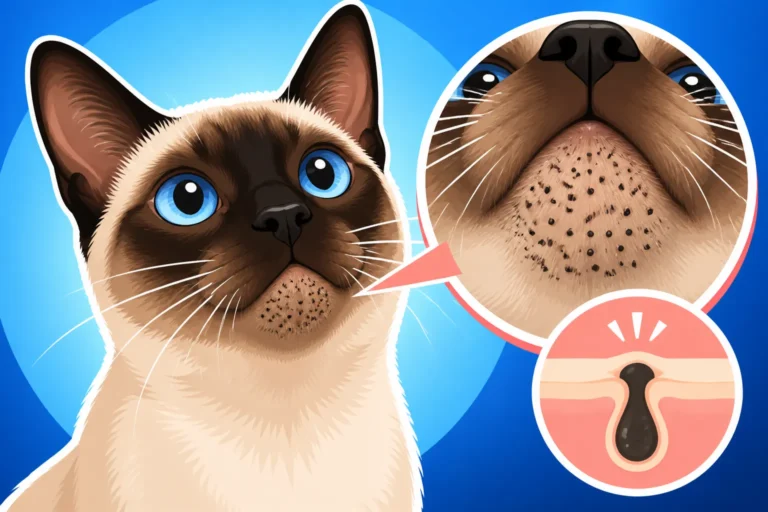
Just like with litter boxes, the type and placement of your Siamese cat's water bowls can make a huge difference in how much they drink. Plastic bowls, while inexpensive and readily available, can sometimes harbor bacteria in scratches, leading to a phenomenon known as "cat acne" on their chin. They can also impart a subtle plastic taste that some sensitive cats dislike. Ceramic and stainless steel bowls are generally preferred. Stainless steel is durable, easy to clean, and non-porous, making it an excellent hygienic choice. Ceramic bowls are also good, but ensure they are heavy enough not to tip over and don't have lead-based glazes.
Size and shape matter too. Many cats prefer wide, shallow bowls that don't allow their sensitive whiskers to touch the sides while they drink. This is known as "whisker fatigue," and it can be a real deterrent for some felines, leading them to avoid drinking altogether. A larger, wider bowl ensures they can drink comfortably without their whiskers bending or brushing against the edges. Also, ensure the bowl is heavy enough not to be easily knocked over by an enthusiastic or playful Siamese.
Location is key to encouraging regular sips. Place multiple water bowls around your home, ideally in different rooms and away from their food bowls and litter boxes. Instinctively, cats prefer not to drink near where they eat or eliminate. Think about where your Siamese spends their time – perhaps a bowl in the living room, another in the bedroom, and one in the kitchen. Experiment with different spots to see where they seem most inclined to drink. Some cats even prefer their water bowls elevated slightly, so they don't have to bend down as far. The goal is to make water easily accessible and appealing wherever they happen to be.
Enticing Your Siamese to Drink More: Fountains and Other Tricks
Even with the perfect bowls and placement, some Siamese cats still need a little extra encouragement to stay hydrated. One of the most effective ways to entice a cat to drink more is with a pet water fountain. Many cats are fascinated by running water, and a fountain mimics the fresh, flowing water they would instinctively seek in nature, which often feels safer and cleaner than stagnant water in a bowl. The gentle gurgling sound can also be very appealing, drawing their attention to the water source. There are many options available, from ceramic to stainless steel, with different flow styles, so you can find one that your Siamese enjoys. Whether a Siamese Cat Needs a Water Fountain is a common question, and for many, the answer is a resounding yes! Retailers like Chewy and Amazon offer a wide array of excellent water fountains.
Beyond fountains, there are other creative tricks you can employ.
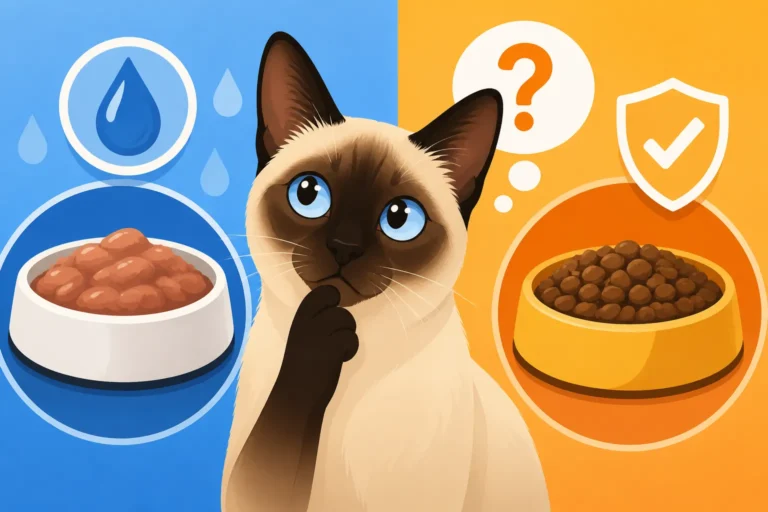
- Add water to their food: If your Siamese eats wet food, you can add a tablespoon or two of warm water to each meal, effectively sneaking in extra hydration. For dry kibble eaters, a little warm water can make it more palatable and boost water intake.
- Offer different types of water: Some cats are particular about the taste of water. Try offering filtered water, spring water, or even a small amount of low-sodium chicken or beef broth (ensure it's onion and garlic-free) as an occasional treat.
- Ice cubes: In warm weather, or just for fun, try dropping a few ice cubes into their water bowl. Many cats enjoy batting at them and will often drink more as the ice melts.
- Flavoring: You can purchase special cat-safe water flavorings or simply add a tiny bit of tuna juice (from tuna packed in water, not oil) to their water to make it more enticing. Remember to change these bowls frequently to maintain freshness.
The key is to experiment and observe what your individual Siamese responds to. What works for one cat might not work for another. The effort you put into encouraging proper hydration is one of the best investments you can make in their long-term health and vitality. A well-hydrated Siamese is a happy, healthy Siamese, less prone to urinary issues and kidney strain, contributing to How Healthy the Siamese Cat Actually Is.
Addressing Common Litter Box and Water Issues
Even with the best intentions and a perfectly set up environment, issues can still arise with your Siamese cat's litter box habits or water intake. It's incredibly disheartening when your meticulous planning doesn't prevent problems, and these issues can range from annoying messes to serious health concerns. The good news is that most common problems have identifiable causes and solutions, requiring a bit of detective work and patience from us, their devoted caregivers. Understanding the root cause is always the first step to finding a lasting resolution.
Inappropriate Urination and Defecation: When Things Go Wrong
Finding urine or feces outside the litter box is one of the most frustrating and worrying problems a cat owner can face. For a Siamese cat, known for their strong bond with their humans and generally fastidious nature, this is almost always a sign that something is amiss, rather than simple "naughtiness." The very first step, before assuming behavioral issues, is always a trip to the vet. Inappropriate elimination is often a symptom of an underlying medical condition, such as a urinary tract infection, bladder stones, kidney disease, or even diabetes. Pain or discomfort associated with these conditions can make the litter box an unpleasant place, causing your cat to seek relief elsewhere. Signs a Siamese Cat Is Unwell often include changes in litter box habits, so a medical check-up is paramount.
Once medical issues have been ruled out by your veterinarian, you can then investigate environmental or behavioral factors.
- Litter Box Aversion: This is the most common reason. Is the litter type suddenly changed? Is it dirty? Is the box too small? Is it in a noisy or high-traffic area? Siamese cats are highly sensitive to these details. Try offering multiple types of litter in different boxes to see if they have a preference. Ensure daily scooping and regular deep cleaning.
- Stress or Anxiety: Siamese cats are social and intelligent, but also prone to stress and anxiety, especially if they are left alone too much or their routine is disrupted. A new pet, a house move, a change in household members, or even boredom can lead to stress-related elimination outside the box. What Separation Anxiety Looks Like in a Siamese Cat often includes inappropriate urination. Providing ample playtime, mental stimulation, and consistent routine can help alleviate stress.
- Territorial Marking: While less common in neutered/spayed cats, unneutered males (and sometimes females) might spray urine to mark territory. However, a neutered Siamese is more likely to be marking due to perceived threats or insecurity in their environment, which again points to stress.
Identifying the exact trigger can be challenging, but systematic observation and elimination, in conjunction with veterinary guidance, will help you get to the bottom of it. Remember to clean accidents thoroughly with an enzymatic cleaner to eliminate odors that might attract your cat back to the same spot. Punishment is never effective and will only increase their stress and fear.
Refusing to Drink: Signs of Dehydration and Solutions
A Siamese cat refusing to drink enough water is a silent problem that can have severe long-term consequences. Unlike dogs, cats don't always show obvious signs of thirst until dehydration is already setting in. It's crucial to be vigilant, especially if you feed primarily dry kibble. Subtle signs of dehydration can include:
- Lethargy or decreased energy: Your usually playful Siamese might seem less active.
- Dry or tacky gums: Healthy gums are moist and pink.
- Sunken eyes: In more severe cases, their eyes might appear sunken.
- Loss of skin elasticity: Gently tent the skin on their back between your thumb and forefinger; if it doesn't snap back quickly, they might be dehydrated.
- Constipation: Straining in the litter box or producing hard, dry stools.
- Reduced urination: Less frequent trips to the litter box or smaller urine clumps.
If you suspect dehydration, a vet visit is essential to rule out underlying medical conditions and address the immediate fluid deficit, which might require subcutaneous fluids.
Once medical concerns are addressed, the focus shifts to enticing them to drink. Revisit the water bowl choices: Are they wide enough to prevent whisker fatigue? Are they made of stainless steel or ceramic? Is the water fresh and clean, changed at least daily? Try offering multiple bowls in various locations, away from food and litter boxes. Water fountains are often a game-changer for cats who prefer running water; the movement and sound can be irresistible. Consider adding wet food to their diet, or adding extra water to their existing wet food. Ice cubes, a tiny bit of tuna juice, or specialized cat water flavorings can also pique their interest. The goal is to make drinking an enjoyable and effortless part of their day, ensuring they get the vital hydration they need.
Dealing with Pica and Litter Ingestion
Pica, the persistent chewing and consumption of non-food items, is a known trait in Siamese cats, and sometimes this can extend to the litter itself. While a tiny bit of litter ingested accidentally during grooming might not be a major concern, deliberate and consistent consumption can be very dangerous. Clumping litters, in particular, can expand and harden in the digestive tract, leading to blockages. If you notice your Siamese eating litter, or showing signs of discomfort after eating it (vomiting, lethargy, loss of appetite, straining to defecate), consult your vet immediately. Why a Siamese Cat Vomits After Eating Fabric can be related to pica, and litter ingestion falls into a similar category of risk.
Addressing litter ingestion requires a multi-pronged approach:
- Rule out deficiencies: Sometimes, pica can stem from nutritional deficiencies. Your vet might suggest dietary changes or supplements if this is suspected.
- Change litter type: If your Siamese is ingesting clumping clay litter, switch to a non-clumping variety, or one with larger pellets (like pine or paper-based litter) that is less appealing to eat and less likely to cause a blockage if ingested. You might also consider silica gel litter, though some cats don't like the texture.
- Environmental enrichment: Boredom and anxiety are major triggers for pica in Siamese cats. Ensure your cat has plenty of mental and physical stimulation throughout the day. This includes interactive toys, puzzle feeders (like those found on Amazon or Chewy), vertical climbing spaces, and dedicated playtime with you. A bored Siamese will often find their own "entertainment," which can sometimes be destructive or dangerous.
- Stress reduction: If stress or anxiety is a factor, identify and mitigate the stressors. This could involve using feline pheromone diffusers, maintaining a consistent routine, or even consulting a veterinary behaviorist. Why a Stressed Siamese Cat Licks Itself Bald highlights how stress manifests in physical and behavioral ways, and pica can be another one.
Never ignore litter ingestion. It's not just a strange habit; it's a potential health hazard that warrants careful attention and proactive management to keep your Siamese safe and healthy.
Special Considerations for Different Siamese Cat Life Stages
Just like humans, cats have different needs as they age and grow. What works perfectly for a rambunctious kitten might not be suitable for a senior Siamese. Recognizing and adapting to these changing requirements for litter, water, and boxes is a crucial part of providing lifelong care. Neglecting these shifts can lead to stress, accidents, and health complications at any stage. Let's explore how to best support your Siamese throughout their incredible journey.
Kitten Care: Starting Good Habits Early
Bringing a Siamese kitten home is an exciting time, and establishing good litter box habits from day one is essential for a harmonious future. Kittens learn quickly, and positive early experiences will set them up for a lifetime of proper litter use. Start with a smaller litter box with low sides. Tiny kittens can struggle to climb into standard-sized boxes, and a low entry point makes it easy for them to access. A simple, unscented clumping clay litter is often a good choice, as it's familiar to most kittens and easy for them to dig in. Avoid scented litters, which can be overwhelming for their developing senses, and crystal litters, which can be too harsh on their delicate paws.
Placement is just as important for kittens as it is for adults. Place their litter box in a quiet, easily accessible area where they won't be disturbed. Immediately after they wake up, after playing, and after eating are prime times to gently place your kitten in the litter box. If they go, praise them quietly. Never punish a kitten for accidents; this will only create fear and negative associations with the litter box. Instead, clean up accidents thoroughly with an enzymatic cleaner and calmly redirect them to the box. Remember, kittens have small bladders and can get distracted easily, so they might need more frequent access to their "facilities."
Consistency is key during these formative weeks. Keep the litter box impeccably clean – scoop multiple times a day. A dirty box is a major deterrent for a fastidious Siamese, even at a young age. As your kitten grows, you can gradually transition to larger boxes and perhaps experiment with different litter types if you wish, always doing so slowly to avoid upsetting their routine. By providing a safe, clean, and accessible litter environment from the start, you're not only fostering good habits but also building trust and confidence in your little Siamese.
Adult Siamese: Maintaining Their Preferences
Once your Siamese cat reaches adulthood, typically around one year of age, their litter and water preferences are usually well-established. The primary goal during this stage is consistency and attentive maintenance. If you've found a litter type and box setup they love, stick with it! Adult Siamese cats thrive on routine, and sudden, unnecessary changes can be a source of stress and lead to behavioral issues. Continue with the "number of cats plus one" rule for litter boxes, ensuring they always have clean options available. Daily scooping and regular full cleanings remain paramount; a dirty box is universally disliked, but especially by a Siamese.
For water, continue to offer fresh, clean water in multiple locations and consider the benefits of a water fountain if you don't already have one. Many adult Siamese cats enjoy the stimulation and freshness of flowing water. Regularly check for signs of adequate hydration, especially if they are primarily dry food eaters. If you notice any changes in their litter box habits – such as going outside the box, straining, or changes in urine/stool consistency – always consult your vet first to rule out medical issues. Adult cats are creatures of habit, and deviations from their norm often signal an underlying problem.
Enrichment also plays a vital role in maintaining good habits. A bored or stressed adult Siamese might start acting out, and sometimes that includes litter box avoidance or excessive grooming (like Psychogenic Alopecia in a Siamese Cat). Ensure they receive plenty of interactive play, mental challenges, and companionship. A healthy, happy, and well-stimulated adult Siamese is far less likely to develop undesirable habits. Their environment should be stable and predictable, allowing them to feel secure and content in their routines.
Senior Siamese Cats: Adapting to Changing Needs
As your Siamese cat enters their senior years, typically around 10-12 years old, their needs will inevitably change, and their litter and water setup might need thoughtful adjustments. Mobility issues can become a concern; older cats may develop arthritis or joint stiffness, making it difficult to climb into high-sided litter boxes. Whether an Aging Siamese Cat Gets Stiff is a common reality. Switching to low-sided litter boxes, or even using shallow storage containers with easy entry, can make a world of difference in their comfort and willingness to use the box. Place boxes in easily accessible areas on every floor they frequent, minimizing the distance they need to travel.
Increased urination and thirst can also be signs of common senior health issues like kidney disease or hyperthyroidism. While Kidney Disease in an Older Siamese Cat and Hyperthyroidism in an Older Siamese Cat are frequent diagnoses in older felines, it is still crucial to talk to your vet if you notice a significant change in how much they drink or urinate. If your senior Siamese is drinking more, ensure they have ample water sources, potentially adding more bowls or a second fountain. Hydration becomes even more critical for organ function in aging cats.
Their eyesight or cognitive function might also decline, making familiar layouts even more important. Avoid moving litter boxes once an older cat is accustomed to their location. If their sight is diminishing, ensuring clear, consistent pathways to the litter box is helpful. How a Blind Siamese Cat Manages provides insights that can be useful here. Keep the boxes impeccably clean, as an older cat might be less tolerant of a dirty environment. Be patient with accidents; they are almost always due to physical limitations or underlying health concerns, not spite. Adapting their environment with empathy and understanding will help your senior Siamese navigate their golden years with comfort and dignity.
The Environmental Impact of Your Choices
As responsible pet parents, our choices extend beyond just the immediate comfort and health of our Siamese cats. The products we use daily, like litter and water, have a broader environmental footprint. Many traditional cat products contribute to landfill waste and resource depletion, and for those of us who care deeply about the planet, finding more sustainable alternatives is a growing concern. It’s about striking a balance between what's best for our feline companions and what's best for our shared home – Earth.
Sustainable Litter Options and Disposal
Traditional clay litter, while effective and widely used, often comes with environmental caveats. It's strip-mined, which can be ecologically damaging, and it's not biodegradable, meaning millions of tons end up in landfills each year, where it sits indefinitely. For those looking to reduce their carbon pawprint, a variety of sustainable litter options have emerged, many of which can still meet the high standards of a Siamese cat.
- Plant-based litters: These are made from renewable resources like pine, corn, wheat, recycled paper, or even walnuts. They are typically biodegradable, compostable (check local regulations and avoid composting if you scoop feces), and often produce less dust. Pine and wheat litters, for example, can be surprisingly good at odor control and clumping.
- Silica gel litter: While not biodegradable in the same way plant-based litters are, silica gel is highly absorbent and can last longer between full changes, potentially reducing overall waste volume. However, its production process is energy-intensive.
When choosing a sustainable litter, consider its entire life cycle, from sourcing to disposal. Even with "flushable" litters (often made from corn or wheat), it's generally advised against flushing cat waste down the toilet due to potential water contamination with pathogens like Toxoplasma gondii, which can harm marine life. Always check with your local wastewater treatment facilities before flushing any pet waste. The most common and safest disposal method for all litter types is bagging it securely and placing it in household waste. However, choosing a biodegradable option still helps reduce the volume of non-degradable material in landfills. Researching brands like World's Best Cat Litter (corn-based) or Yesterday's News (recycled paper) can be a great starting point for eco-conscious Siamese owners.
Reducing Waste and Reusing Supplies
Beyond the litter itself, there are many opportunities to reduce waste associated with your Siamese cat's care.
- Litter liners: While convenient, plastic litter box liners contribute to plastic waste. Consider foregoing liners if you have a stainless steel or easy-to-clean plastic box, and commit to thorough scrubbing during full litter changes. If you must use liners, look for biodegradable options, though these are less common and may not hold up as well.
- Durable supplies: Invest in high-quality, long-lasting litter boxes and scoops. Stainless steel litter boxes, though pricier upfront, can last a lifetime, eliminating the need to replace plastic boxes every year or two. Durable metal scoops also last much longer than flimsy plastic ones.
- Food and water bowls: Opt for ceramic or stainless steel bowls that are built to last. Not only are they more hygienic for your cat, but they also reduce the need for frequent replacements of less durable plastic options.
- Bulk purchasing: Where feasible and practical, buying litter in larger, bulk sizes can reduce packaging waste. Many online retailers offer larger bags or boxes, often at a better price per pound. This can be especially convenient if you use a brand like those available on Chewy.
- Recycle packaging: Always check if the packaging for your litter, food, or treats can be recycled in your local municipality. Many cardboard boxes or certain plastic bags are now recyclable.
Every small choice contributes to a larger impact. By being mindful about the products we choose and how we manage our cat care supplies, we can provide excellent care for our beloved Siamese cats while also being responsible stewards of the environment. It's a win-win for everyone – our cats, our homes, and our planet.
Disclaimer
This article is for general informational purposes only and does not constitute professional advice. Laws, prices and regulations vary by location and change over time. Consult a qualified professional for guidance on your specific situation.