Siam, the Siamese Cat Given to the White House in 1878
For many of us who adore the elegant, vocal Siamese cat, there's a certain mystique about their origins and how they first captivated the Western world. While we often think of them as a staple of modern cat fancy, their journey across continents and into our homes began with rather regal, and sometimes surprising, introductions. One such tale, often whispered among breed enthusiasts but not widely known, involves a very special feline diplomat named Siam, who arrived on American soil and into the most famous house in the country in 1878, igniting a fascination that would only grow. This guide delves into the remarkable story of Siam, the Siamese cat who graced the White House, and her enduring, if understated, impact on the breed's history in America.
The Early Days: Siamese Cats Arriving in the West
Before Siam made her grand entrance into the Executive Mansion, Siamese cats were already a rare and exotic sight in the Western world. Their striking appearance, with those captivating blue eyes and distinctive point coloration, made them objects of immense curiosity and fascination. They weren't just "cats"; they were living pieces of art, rumored to be the companions of royalty and temple guardians in their homeland.
The Mystique of the Siamese Breed's Origins
The Siamese cat's story begins in the ancient kingdom of Siam, which we now know as Thailand. For centuries, these elegant felines were cherished within the royal palaces and Buddhist temples, held in high esteem and rarely seen by outsiders. The earliest written records describing these cats, known as the "Tamra Maew" or "Cat Poems," date back centuries, depicting felines with specific color patterns and traits that we recognize in the Siamese today. It's a rich history, steeped in legend and cultural significance, which only added to their allure when they eventually ventured beyond their native lands. You can learn more about this by reading Where the Siamese Cat Comes From and What the Tamra Maew Manuscripts Show About the Siamese Cat.
The very idea of these "royal cats of Siam" entering Western homes was quite something. They weren't merely pets; they were ambassadors of an ancient culture, carrying with them tales of mystic temples and serene palaces. This inherent exoticism played a huge role in how they were received and valued by those fortunate enough to acquire them. Imagine the buzz in a Victorian drawing-room upon the arrival of such a creature!
Pioneering Imports to Europe and America
While Siam's arrival in the White House is a landmark moment for the breed in America, Europe actually saw its first Siamese cats slightly earlier. The very first recorded Siamese cats to reach Britain, for example, arrived in 1884, sent by the British Consul-General in Bangkok to his sister. These early imports, though few in number, caused an absolute sensation at cat shows. People had simply never seen anything like them. The striking contrast of their dark points against a pale body, coupled with their piercing blue eyes, made them an instant hit among the burgeoning cat fancy. Their unique appearance was so captivating that it started a slow but steady demand for the breed, paving the way for more imports to follow. It's fascinating to consider how these early animals, so far from home, began to carve out their niche in a completely new world, one where their distinctive traits were viewed as utterly novel and beautiful. You might be interested in learning Who Brought the First Siamese Cat to Britain.
Siam's Royal Journey to Washington
The tale of Siam's journey to the White House is a fascinating one, highlighting the early diplomatic ties between nations and the surprising role a cat could play in international relations. It wasn't just a pet being sent; it was a gesture, a symbol, that carried weight in its time.
Who Sent Siam and Why
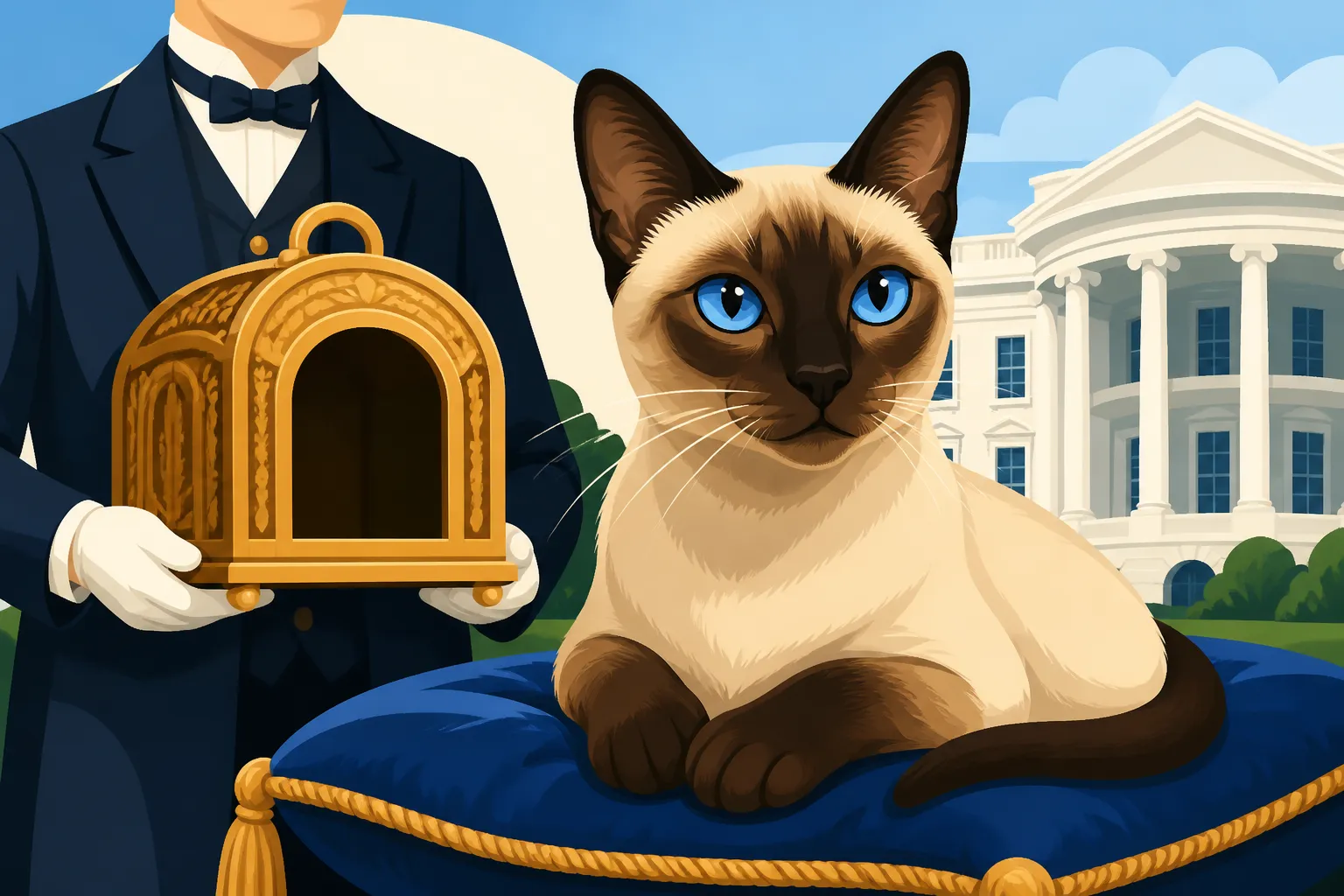
Siam, a beautiful Seal Point Siamese, arrived at the White House in 1878 as a gift to First Lady Lucy Hayes, wife of President Rutherford B. Hayes. She was sent by David B. Sickels, an American consul stationed in Bangkok, Siam (now Thailand). Sickels, clearly understanding the unique charm of these cats, decided to send this exquisite feline as a personal gift to the First Lady. It was a gesture that spoke volumes about the esteem in which the Siamese cat was held in its native land, and a hopeful signal of friendship and goodwill between the two nations. Imagine the careful planning and anticipation involved in sending such a precious and delicate cargo across vast oceans in the late 19th century! It truly underscores the special status these cats already held. For more specific details, you can refer to Who Sent Siam the Siamese Cat to the Hayes White House.
The decision to send a Siamese cat was more than just a whim; it reflected the rarity and desirability of the breed at the time. These cats were not easily acquired by foreigners. To receive one was a distinct honor, often reserved for dignitaries or those with significant connections. Sickels' choice demonstrated a keen awareness of what would be considered a truly unique and impressive gift for the First Family. It wasn't merely a household pet; it was an exotic treasure from a distant land, destined for the highest office in the United States.
The Long Voyage Across Continents
Siam's journey from Bangkok to Washington D.C. would have been arduous and incredibly long by today's standards. In 1878, air travel was still a dream, and cats typically traveled by ship. This meant weeks, if not months, at sea, navigating diverse climates and confined conditions. The challenges of keeping a cat healthy and comfortable during such a voyage were immense. Access to fresh water, appropriate food, and a clean environment would have been paramount, requiring careful planning and dedicated care from her handlers. One can only imagine the ship's crew, perhaps bewildered by this regal feline, doing their best to ensure her safe passage.
The consul's letter accompanying Siam specifically mentioned the difficulties of the journey, emphasizing how precious and remarkable it was that she arrived safely. This detail really brings home the extraordinary nature of her transit. It wasn't like ordering supplies from Chewy today, where a package arrives at your door in a few days. This was an epic journey for a small animal, and her survival was a testament to both her resilience and the care she received along the way. Her successful arrival was, in itself, an achievement.
Life in the Executive Mansion: Siam's White House Years
Siam’s residency at the White House marked a truly unique chapter, not just for the Hayes family, but for the entire perception of cats in American society. She wasn't just a pet; she was a conversation starter, an exotic curiosity that lived among the nation's leaders.
Siam's Persona and White House Antics
Accounts from the time paint Siam as a lively and affectionate cat, quickly endearing herself to the Hayes family. She was noted for her intelligence and distinctive vocalizations, traits that Siamese owners today immediately recognize and cherish. Imagine the "meezer yowl" echoing through the grand halls of the White House! The family, particularly First Lady Lucy Hayes, was reportedly quite fond of her. This wasn't a cat to simply blend into the background; she had a personality that demanded attention, a common trait for the breed. What a Siamese Cat's Temperament Is Really Like gives a good overview of this.
It's easy to picture Siam exploring the nooks and crannies of the Executive Mansion, perhaps batting at the tassels of elegant draperies or observing official proceedings from a comfortable perch. Her presence would have added a touch of exotic charm to the formal atmosphere. She likely became a minor celebrity in her own right, a topic of discussion among staff and visitors alike, a stark contrast to the utilitarian role many cats held at the time. Her unique appearance and engaging nature made her memorable, a living symbol of a faraway land right in the heart of American power.
Public Reaction and Cultural Impact
Siam’s arrival caused a stir, capturing the imagination of the American public. Newspapers of the era often reported on the Hayes family's pets, and Siam, with her striking appearance and royal origins, certainly stood out. She wasn't just any cat; she was the White House cat, a symbol of diplomacy and the exotic. This visibility at such a high level undoubtedly introduced many Americans to the Siamese breed for the very first time. Before Siam, most Americans would have had little to no exposure to such a distinctive feline.
Her presence helped to elevate the status of cats, moving them from mere rodent catchers to cherished companions, even symbols of prestige. While it would take many more years for the Siamese cat to become truly widespread in the U.S., Siam laid important groundwork. She was, in many ways, the first feline celebrity of her kind in America, sparking a nascent curiosity and appreciation for the unique beauty and personality of the Siamese breed. This early exposure, even if indirect for most, contributed to the slow but steady rise in the breed's profile across the nation.
Beyond the White House: Siam's Legacy
While Siam's time in the White House was relatively short, her impact resonated long after she departed the Executive Mansion. Her story became part of the breed's lore, a charming anecdote that highlighted the Siamese cat's early foray into American life.
What Became of Siam
Sadly, Siam's life in the White House was cut short. She passed away within a year of her arrival, in 1879, likely succumbing to an illness common in cats of that era. Veterinary medicine was, of course, nowhere near what it is today, and a delicate, exotic cat would have faced numerous health challenges in a new environment. Her death was a genuine loss for the Hayes family, who had grown quite attached to their unique companion. The details surrounding her passing aren't extensively documented, which isn't surprising for a pet in the 19th century, but her brief life still left an indelible mark. To learn more about her ultimate fate, consider reading What Happened to Siam the Siamese Cat.
Her short life might make some wonder if the long journey or unfamiliar climate contributed to her illness. Without modern veterinary records, it's impossible to say for sure, but such factors would certainly have been a concern. The loss of Siam served as a poignant reminder of the fragility of life, even for a cat living in the lap of luxury at the highest echelons of society.
The Lasting Impact on the Breed's Popularity
Despite her brief life, Siam's presence at the White House played a significant, albeit subtle, role in introducing the Siamese cat to a wider American audience. She was the first widely recognized Siamese cat in the country, and her story, however short, created a sense of intrigue and desire for the breed. While it didn't immediately lead to a boom in Siamese ownership, it certainly planted a seed of curiosity. People began to see the Siamese not just as an exotic animal from a far-off land, but as a potential companion, a beautiful and intelligent creature worthy of a place in a loving home.
Her story helped lay the foundation for future imports and for the breed to slowly gain traction. It paved the way for cat fanciers to begin importing more Siamese cats, leading to their eventual recognition by cat registries. The memory of Siam, the elegant White House cat, lingered in the public consciousness, contributing to the breed's growing cachet as a desirable and distinctive pet. This initial spark was crucial in the journey of the Siamese cat from royal pet in Siam to beloved companion in American households.
The Siamese Cat's Growing Popularity in the US
Following Siam's initial introduction, albeit brief, the allure of the Siamese cat steadily grew in the United States. It wasn't an overnight phenomenon, but a gradual build-up of interest that saw the breed transition from an exotic rarity to a recognized and sought-after companion.
From Rarity to Recognised Breed
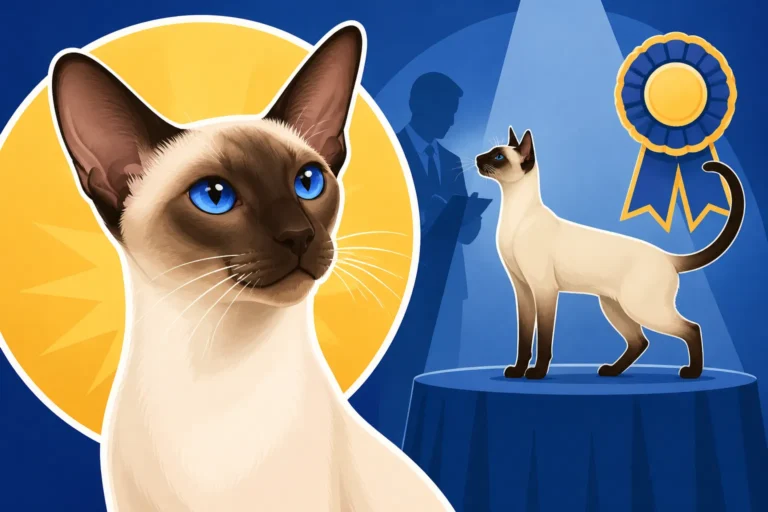
The period after Siam's time saw a slow but consistent increase in the importation of Siamese cats into the U.S. As more individuals, often wealthy enthusiasts and early cat breeders, brought these stunning felines across the ocean, their numbers gradually rose. This influx was critical, as it allowed for the establishment of breeding programs and, eventually, the formal recognition of the breed by various cat associations. Organizations like the Cat Fanciers' Association (CFA) began to draft standards for the breed, solidifying what a "true" Siamese cat should look like and formalizing their place in the world of pedigreed cats. You can explore this further by looking into When the CFA Recognized the Siamese Cat.
This transition from being an obscure foreign curiosity to a formally recognized breed was a huge step. It meant that Siamese cats were no longer just pets; they were now part of a structured fancy, with enthusiasts dedicated to preserving and promoting their unique characteristics. Shows began to feature them, and their distinct vocalizations and affectionate, demanding personalities charmed judges and spectators alike, further fueling their rise in popularity.
The Appeal of the Siamese Aesthetic and Personality
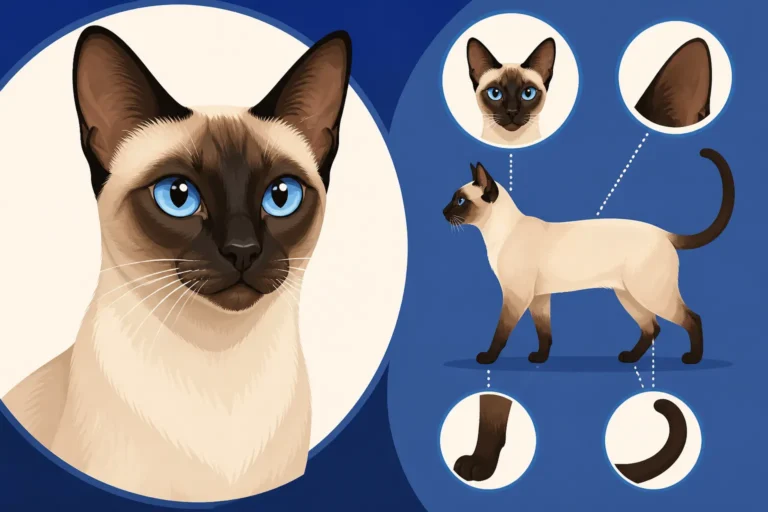
What exactly was it about the Siamese that captivated Americans? Part of it, undoubtedly, was their striking physical appearance: the sleek body, the elegant wedge-shaped head, the large, expressive ears, and those unforgettable deep blue eyes set against the contrasting "points" of color on their extremities. It was an aesthetic unlike any other domestic cat. This unique look made them stand out in a crowd of more traditionally patterned felines. What the Siamese Cat Standard Asks For details these desirable traits.
Beyond their looks, the Siamese cat's personality played an enormous role. They weren't aloof or independent; they were famously vocal, highly intelligent, and incredibly affectionate, often forming intense bonds with their human companions. They demanded interaction, engaging in "conversations" with their distinctive voices and following their people from room to room. This combination of exotic beauty and engaging, almost dog-like loyalty proved irresistible to many. People found themselves drawn to a cat that wasn't just a decoration but a true participant in family life, a creature with a huge personality that filled a home with chatter and charm.
Siam's Place in Siamese Cat History
While Siam's story is charming, it's important to understand where she fits within the broader narrative of Siamese cats reaching the West. She was a pioneer, but also part of a larger movement that saw the breed establish itself globally.
Comparing Siam to Other Early Imports
Siam was indeed an early pioneer, but she wasn't the absolute first Siamese cat to arrive in the Western world, nor the first to set foot in America. Records indicate isolated instances of Siamese cats appearing in Europe before Siam's 1878 arrival. What makes Siam truly significant is her high-profile home in the White House. This wasn't a cat hidden away in a private estate; she was a visible symbol, however briefly, in the highest office of the land. This public exposure gave her an outsized influence compared to other early imports who might have lived in relative obscurity.
Her status as a diplomatic gift also sets her apart. Many early imports were brought back by travelers or traders, often for personal interest. Siam, on the other hand, was an intentional gesture of goodwill from one nation to another. This added a layer of historical and cultural significance to her arrival, cementing her place as a unique figure in the annals of American feline history. It speaks to the perceived value of the Siamese cat at the time, that such an animal would be deemed fit for a presidential residence.
The Long-Term Influence of Presidential Pets
Presidential pets, throughout history, have a way of captivating the public and subtly influencing trends. Much like later presidential dogs or cats that would become household names, Siam's presence humanized the White House and provided a glimpse into the private lives of the First Family. While her individual reign was short, it established a precedent for exotic pets in high places and certainly sparked conversations about the breed.
Her story often surfaces when discussing the history of Siamese cats in America, serving as a charming origin point. It illustrates how these cats, once exclusive to royalty in Siam, gradually made their way into the homes and hearts of people across the globe, starting at the very top of American society. Her unique circumstance ensured that her name, Siam, and her tale would be remembered, a key thread in the rich tapestry of the breed's journey.
The Allure of the Siamese: Why They Captivated America
The Siamese cat, with its distinctive looks and personality, was destined to become a beloved breed in America. Their unique qualities set them apart from other domestic cats, ensuring their place as one of the most recognizable and cherished breeds.
A Striking Appearance Like No Other
One of the most immediate draws of the Siamese cat is, without a doubt, its appearance. In a world of tabby and solid-colored cats, the Siamese was revolutionary. The concept of "point coloration"—where the extremities (ears, face, paws, tail) are darker than the body—was truly novel. This genetic trait, influenced by temperature, meant that every Siamese cat had a subtly unique "mask" and a captivating contrast that drew the eye. Add to this their slender, elegant bodies, often described as "foreign" in type, and their large, luminous blue eyes, and you have a cat that looks like it stepped out of an ancient scroll. Why a Siamese Cat Has Dark Points explains this phenomenon beautifully.
This unique aesthetic wasn't just pretty; it was fascinating. People were curious about how they developed their colors and why their eyes were always blue. This natural curiosity, combined with their undeniable beauty, made them a status symbol and a talking point. They didn't just blend in; they commanded attention, making them an ideal choice for those who wanted a pet that was truly distinctive.
An Engaging and Demanding Personality
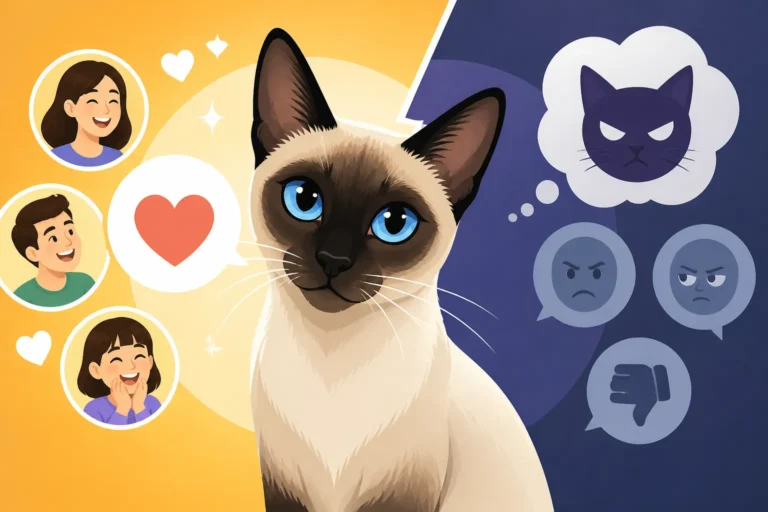
Beyond their looks, the Siamese cat's personality is what truly sealed their fate as American darlings. These aren't quiet, independent cats content to merely share your space. Siamese cats are highly interactive, famously vocal, and deeply devoted to their human companions. They love to "talk," using a wide range of meows, chirps, and the famous "meezer yowl" to communicate their desires, opinions, and affection. This constant communication fosters a strong bond, making owners feel truly understood by their feline friend. For insight into their conversational habits, explore The Siamese Cat Talks and Expects an Answer.
They are also incredibly intelligent and playful, often described as having a "dog-like" personality. They can be taught tricks, enjoy games of fetch, and will follow their favorite person from room to room, eager to be involved in whatever is happening. This high level of engagement means that owning a Siamese is rarely dull; it's a dynamic partnership. This demanding yet deeply rewarding nature resonated strongly with Americans who sought more than just a decorative pet but a lively, intelligent companion to share their lives with. They quickly learned that a Siamese cat will not be ignored.
Caring for a Feline Diplomat: Historical Insights into Cat Care
Reflecting on Siam's journey and her time in the White House also offers a fascinating glimpse into how cat care has evolved over the centuries. What was considered adequate for a cat in 1878 is vastly different from the standards we uphold today.
Cat Care in the Late 19th Century
In the late 19th century, the concept of pet care was far less developed than it is today. Cats, even pedigreed ones, were often viewed through a more utilitarian lens, primarily for rodent control. While beloved pets certainly existed, specialized diets, veterinary care, and even dedicated enrichment were not common. A cat like Siam would have likely eaten table scraps, whatever milk was available, and perhaps some meat or fish. Her comfort would have been considered, but perhaps not with the same degree of meticulousness we apply to our feline friends now.
There would have been little understanding of breed-specific health issues, nutritional requirements, or the psychological needs of a highly intelligent and sensitive cat like a Siamese. Access to even basic veterinary care was limited, especially for exotic breeds who might have different vulnerabilities. It’s a stark contrast to today, where we have specific foods tailored for different life stages and health conditions, an array of toys to prevent boredom, and veterinarians specializing in feline medicine.
Modern Siamese Cat Care: A World Apart
Today, caring for a Siamese cat is a highly informed and specialized endeavor. We understand their specific dietary needs, often opting for high-quality wet foods rich in protein to maintain their lean physique. Brands like Chewy offer an enormous selection of foods, from grain-free options to those designed for sensitive stomachs, making it easy to cater to even the pickiest Meezer.
Beyond food, modern Siamese owners focus heavily on enrichment. Given their high intelligence and playful nature, Siamese cats thrive on interaction. Puzzle feeders, climbing structures, and interactive toys are staples in a Siamese household, all readily available from retailers like Chewy. Regular veterinary check-ups, vaccinations, and prompt attention to any health concerns are standard practice, vastly increasing their lifespan and quality of life compared to cats of Siam's era. From routine dental care to managing potential inherited conditions, modern Siamese care is comprehensive, aiming to provide a long, healthy, and engaging life for these wonderful companions. Caring for an old Siamese cat is also much more understood now.
Charting the Differences: Then vs. Now
To truly appreciate the journey of the Siamese cat, and how our relationship with them has changed, it's helpful to look at some key differences between caring for a Siamese like Siam in the 19th century and owning one today.
| Aspect of Care | 1878 (Siam's Era) | Today (Modern Siamese Ownership) |
|---|---|---|
| Diet | Table scraps, milk, basic meat/fish | High-quality commercial wet/dry food, breed-specific diets, supplements, available from stores like Chewy. |
| Veterinary Care | Extremely limited, basic understanding of illness | Regular check-ups, vaccinations, specialized feline medicine, dental care, diagnostic tools, emergency hospitals. |
| Housing/Habitat | Free-roaming outdoors, basic indoor shelter | Primarily indoor cats, enriching environment with cat trees, window perches, dedicated litter boxes, safe outdoor catios. |
| Grooming | Minimal, natural self-grooming | Regular brushing (though minimal for short hair), nail trims, ear cleaning, occasional baths. |
| Enrichment | Opportunistic play with found objects, hunting | Dedicated play sessions, puzzle toys, interactive feeders, clicker training, companion animals. |
| Understanding of Behavior | Basic observation of habits and temperament | Deep understanding of feline behavior, stress signals, breed-specific traits (e.g., vocalization, need for interaction). |
| Lifespan | Shorter due to limited medical care and outdoor risks | Significantly longer (often 15-20 years) due to advances in nutrition, vet care, and indoor living. The Fifteen to Twenty Years a Siamese Cat Gets |
This table clearly illustrates the immense strides made in pet care, turning the ownership of a Siamese cat from a somewhat rustic endeavor into a sophisticated partnership.
Disclaimer
This article is for general informational purposes only and does not constitute professional advice. Laws, prices and regulations vary by location and change over time. Consult a qualified professional for guidance on your specific situation.