Whether Siamese Cat Amyloidosis Can Be Caught Early
The heartbreak of a beloved Siamese cat suffering from amyloidosis is something no owner ever wants to face. This devastating disease, often silent until it's too late, leaves many of us desperately wondering if there's anything we could have done, any early warning signs we might have missed. This guide will delve deep into the harsh realities of Siamese cat amyloidosis, exploring why early detection is such an immense challenge and what, if anything, can be done to give our precious companions the best fighting chance.
Understanding the Silent Threat: What is Siamese Cat Amyloidosis?
Siamese cat amyloidosis isn't just a scary term; it's a very real and often fatal condition that affects our beautiful, vocal companions. It's a disease characterized by the abnormal buildup of amyloid, a specific type of protein, in various organs throughout the body. Unlike other common feline ailments, amyloidosis in Siamese cats is unfortunately a ticking genetic time bomb for many, a cruel twist of fate that often manifests with devastating consequences.
The Nature of Amyloid and Its Buildup
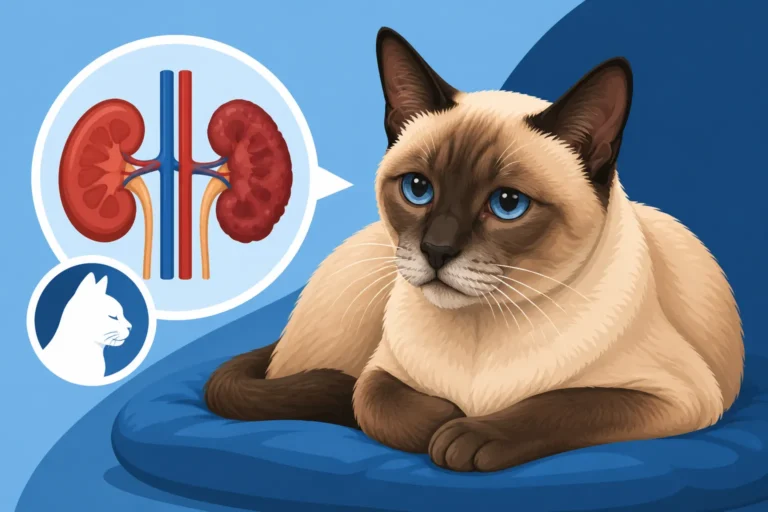
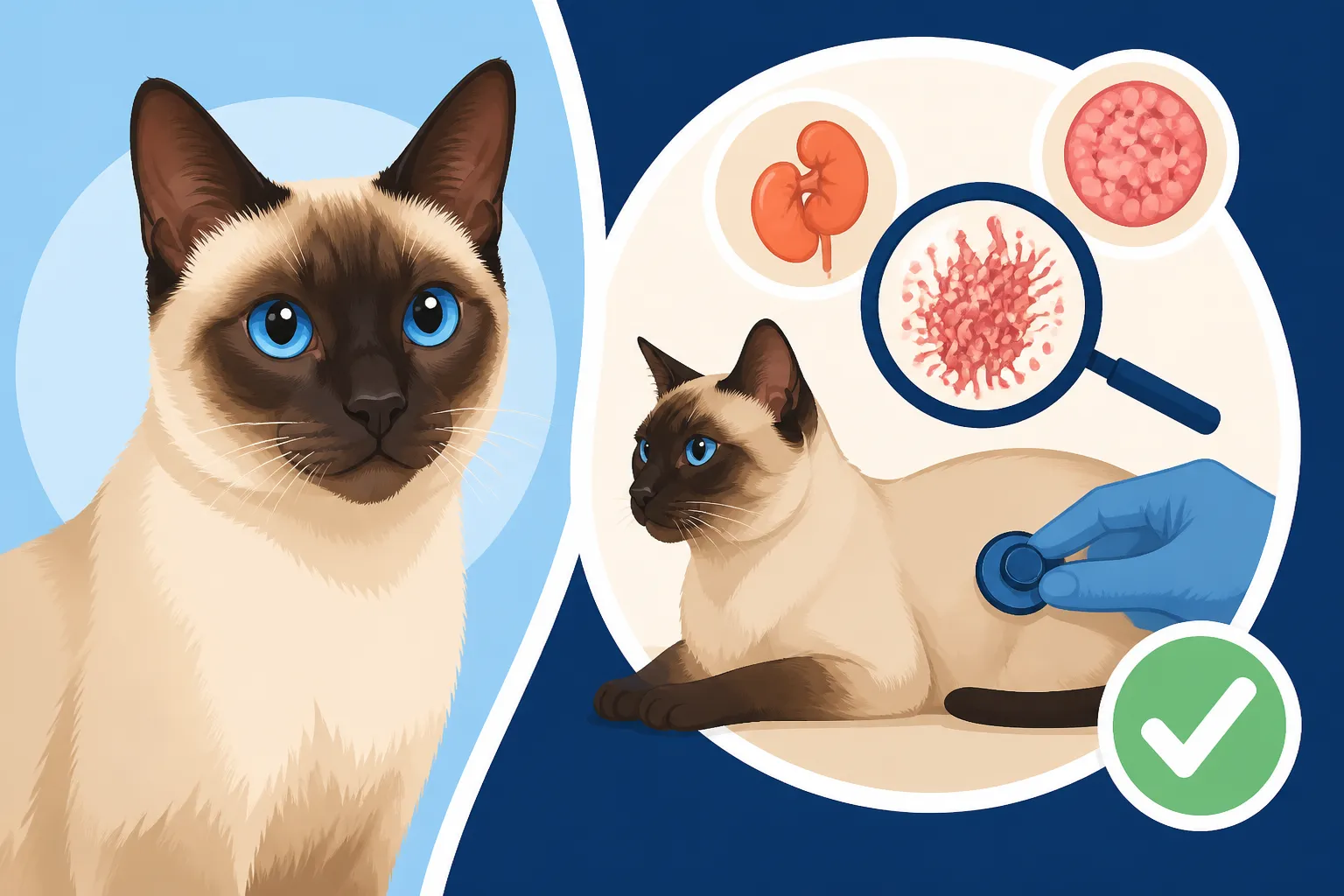
Imagine tiny, sticky protein shards forming inside your cat's most vital organs. That's essentially what amyloid is, and its insidious nature lies in its insolubility; once it starts accumulating, it doesn't easily go away. These abnormal proteins aggregate, forming deposits that interfere with the normal function of cells and tissues. Think of it like a slow, relentless clogging of the system. For Siamese cats, the primary target for these amyloid deposits is often the liver, leading to a condition known as hepatic amyloidosis. However, it's crucial to remember that this isn't just a liver problem; it can also affect other organs, leading to what's known as What Systemic Amyloidosis Does to a Siamese Cat's Kidneys. When the liver is overwhelmed, the consequences are dire and can escalate with shocking speed.
The exact trigger for why amyloid builds up in a Siamese cat's liver isn't fully understood, but we know it's deeply rooted in their genetics. It's not something they "catch" like a cold; it's an inherited predisposition, a flaw in their genetic code that makes them susceptible to this protein misfolding. This genetic link is why it's so important to understand the breed's unique vulnerabilities.
Why Siamese Cats Are Uniquely Vulnerable
The Siamese breed, with its distinctive vocalizations and striking appearance, carries a particular genetic burden when it comes to amyloidosis. While other breeds can develop amyloidosis, the familial form seen in Siamese cats is particularly aggressive and prevalent. It's a condition breeders and owners must be acutely aware of, even if solutions for screening are still frustratingly out of reach. We know that Why Siamese Cat Amyloidosis Is Inherited, and this genetic component is a double-edged sword: it explains the prevalence but also complicates prevention.
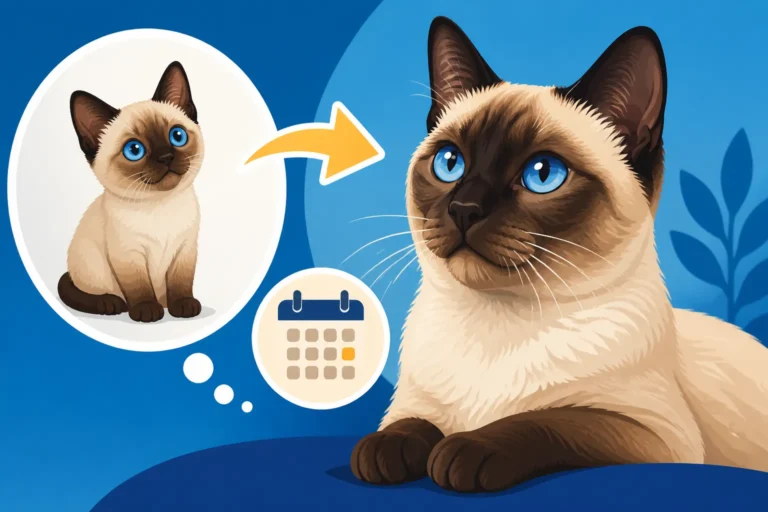
This predisposition means that even seemingly healthy Siamese cats can be silently developing these deposits, often without any outward signs until the disease has progressed significantly. It's a silent threat, lurking in the background, making every subtle change in your cat's behavior or appetite a source of potential anxiety. For owners of Siamese cats, this knowledge can be incredibly unsettling, highlighting the need for vigilance and a deep understanding of the disease's progression.
The Elusive Early Signs: Why Detection is So Difficult
One of the most agonizing aspects of Siamese cat amyloidosis is its stealthy nature. Owners desperately search for early warning signals, hoping to catch it before it becomes critical, but the reality is often a grim one: true "early" detection is exceptionally rare, and most symptoms only appear once significant damage has already occurred. This can lead to immense frustration and guilt for loving pet parents.
Non-Specific Symptoms Masking the Problem
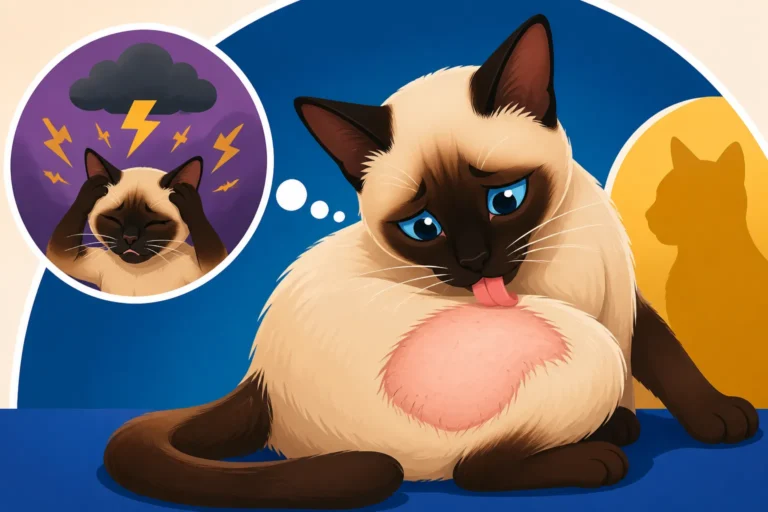
When symptoms finally do emerge, they are maddeningly vague and non-specific, easily mistaken for a host of less serious conditions. We're talking about things like a subtle decrease in appetite, a slight lethargy, or perhaps a cat that just seems "off." These are the kinds of changes that, in isolation, don't scream "life-threatening liver disease." They could indicate anything from a mild upset stomach to stress.
A Siamese cat might start to become a bit pickier with their food, maybe skip a meal here and there. They might sleep a little more, or not engage in play as enthusiastically as before. If the kidneys are also affected, you might notice an increase in thirst and urination, symptoms that are also common in older cats developing more routine kidney disease. It's this insidious onset and the generic nature of the initial signs that make Signs a Siamese Cat Has Liver Amyloidosis so difficult to interpret accurately in their earliest stages. The disease doesn't announce itself with a clear, unique beacon.
The Suddenness of Crisis
The true horror of Siamese cat amyloidosis often strikes without significant prior warning, plunging owners into a terrifying emergency situation. What often happens is that a seemingly normal cat will suddenly crash, displaying acute and severe symptoms that signify a catastrophic organ failure. For many Siamese cats, this manifests as a sudden and dramatic liver rupture.
This is when the amyloid deposits, which have been silently accumulating and making the liver brittle, cause the organ to tear or bleed profusely. One minute your cat might be walking around, perhaps looking a little subdued, and the next they could be collapsed, experiencing internal bleeding. Signs a Siamese Cat's Liver Has Ruptured include sudden weakness, pale gums, abdominal swelling, or even collapse. At this point, the situation is critical, and the prognosis is often grim, despite immediate veterinary intervention. The speed with which a cat can deteriorate, often going from "a bit off" to critical in a matter of hours, is what makes this disease so devastating and early detection so challenging.
Diagnostic Challenges: Current Veterinary Approaches and Limitations
Despite advancements in veterinary medicine, diagnosing amyloidosis in Siamese cats, especially in its early stages, presents significant hurdles. Vets rely on a combination of clinical signs, blood work, and imaging, but each tool has its limitations when dealing with such a subtle and rapidly progressing disease.
Blood Tests and Imaging: A Late Revelation
Routine blood tests are a common starting point when a cat isn't feeling well, but for amyloidosis, they often only flag issues when the disease is already quite advanced. For instance, liver enzymes might be elevated, or there could be signs of anemia if internal bleeding has begun. However, these changes usually only become noticeable once substantial liver damage has occurred. Which Blood Values Flag Amyloidosis in a Siamese Cat often appear later in the disease process, not early.
Similarly, imaging techniques like ultrasound can be incredibly valuable, but they too have their limitations. An ultrasound might reveal an enlarged or abnormally textured liver, but recognizing these subtle changes as specifically amyloidosis in its very nascent stages is incredibly difficult. Whether an Ultrasound Finds Siamese Cat Amyloidosis often depends on the extent of the deposits and the skill of the ultrasonographer, and by the time definitive signs appear, the amyloidosis may have already progressed substantially. It's like trying to find a tiny crack in a dam before it bursts – possible, but far from guaranteed with current technology.
The Invasiveness of Definitive Diagnosis
The gold standard for definitively diagnosing amyloidosis is a tissue biopsy. This involves taking a small sample of the affected organ, usually the liver, and examining it under a microscope to confirm the presence of amyloid deposits. While highly accurate, a biopsy is an invasive procedure that carries its own risks, especially for a cat who might already be unwell.
For a cat with a fragile liver due to amyloidosis, the risk of bleeding from a biopsy is a very real concern. Whether a Liver Biopsy Is Safe in a Siamese Cat is a critical question a vet must weigh carefully. Because the liver walls can be weakened by amyloid, even a small biopsy needle can trigger hemorrhage, making vets hesitant to perform this procedure unless absolutely necessary and the patient is stable enough. This ethical dilemma – risking a procedure that could confirm a diagnosis but also potentially cause harm – further complicates early intervention. Consequently, it's a sobering fact that Why Siamese Cat Amyloidosis Is Usually Found After Death during a necropsy, when the full extent of the disease becomes tragically clear.
Proactive Measures: What Owners and Breeders Can Do
Given the difficulties in early detection, the focus shifts to proactive measures. While we can't completely prevent amyloidosis, responsible ownership and ethical breeding practices are the best tools we have to minimize its impact and give our Siamese cats the healthiest lives possible. This includes being financially prepared for any potential health issues.
Responsible Breeding Practices
For breeders, the responsibility is immense. Since amyloidosis in Siamese cats is known to be inherited, avoiding breeding from lines with a known history of the disease is paramount. This requires meticulous record-keeping and open communication among breeders. While There Is No DNA Test for Siamese Cat Amyloidosis, tracking family trees and health outcomes can help identify at-risk lines.
A responsible breeder will be transparent about the health history of their cattery, including any instances of amyloidosis in their cats' ancestors or siblings. They should be willing to discuss the lifespan and causes of death of the cats in their breeding program, offering a clearer picture of potential genetic predispositions. For prospective owners, asking detailed questions about the health of the kitten's parents and grandparents, especially regarding liver or kidney issues, is crucial. It’s also wise to inquire about any pet insurance considerations, as some policies, like those offered by Healthy Paws, can help manage costs for unexpected illnesses, though inherited conditions can sometimes have specific stipulations depending on the policy.
Vigilant Observation and Regular Veterinary Care
As owners, our role is to be intimately familiar with our cat's normal behavior and to schedule regular veterinary check-ups. Even if specific early tests aren't available, consistent wellness exams allow your vet to establish a baseline and potentially spot subtle changes that might be missed otherwise. Discussing your cat's specific breed predispositions, such as the risk of amyloidosis, with your veterinarian is a vital step.
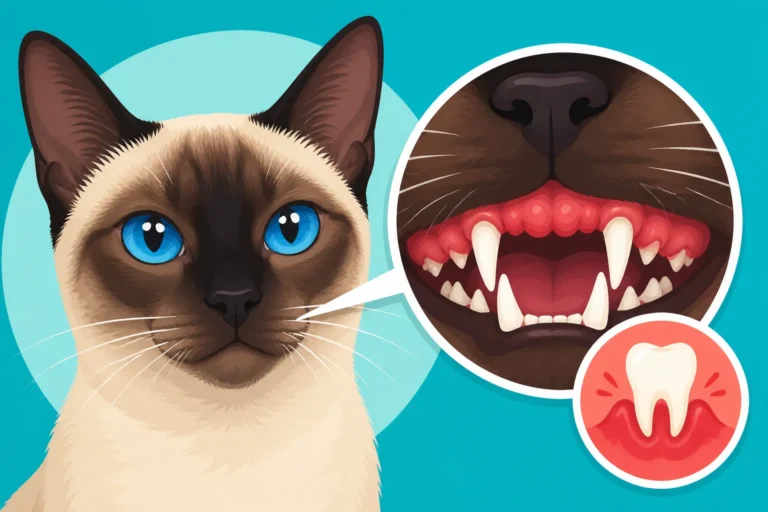
At home, pay close attention to any changes, no matter how minor they seem. This includes alterations in appetite, thirst, litter box habits, energy levels, and even coat condition. Keep a journal if it helps you track these observations over time. If you notice any persistent or concerning symptoms, don't hesitate to contact your vet. While many symptoms are non-specific, persistent changes warrant investigation. Being proactive with routine care can also prevent other common ailments, such as Dental Disease in a Siamese Cat, which can impact overall health. When considering the financial implications of such ongoing care and potential diagnostic tests, having pet insurance like Healthy Paws can provide much-needed peace of mind, allowing you to prioritize your cat's health without immediate financial stress.
Managing the Inevitable: Life After a Diagnosis
While truly early detection of amyloidosis is rare, sometimes a diagnosis is made at an earlier stage, perhaps during investigations for unrelated issues or in a cat showing very mild, early signs. When a diagnosis is confirmed, even in its milder form, the focus shifts entirely to supportive care and managing the progression of the disease.
Supportive Care and Symptom Management
The unfortunate truth is that Whether Siamese Cat Amyloidosis Can Be Treated is a complex question with a difficult answer: there is no cure for amyloidosis. Treatment focuses on managing symptoms and trying to slow the rate of amyloid deposition, if possible. This might involve medications to support liver function, anti-inflammatory drugs, or treatments to address any secondary issues like gastrointestinal upset or fluid buildup.
Cats with renal amyloidosis, where amyloid damages the kidneys, will require management similar to chronic kidney disease, which often includes dietary changes, fluid therapy, and medications to control blood pressure or phosphorus levels. The goal is always to maintain the best possible quality of life for as long as possible. The prognosis for cats with amyloidosis is often guarded, but dedicated supportive care can make a significant difference in their comfort and well-being. This can be a financially demanding journey, and a comprehensive pet insurance plan from providers like Healthy Paws can be instrumental in covering the extensive medical treatments, specialized diets, and ongoing vet visits required to manage this chronic condition.
Exploring Medications and Dietary Interventions
Specific medications have been investigated for their potential to slow amyloid formation or aid in its clearance. Colchicine, for example, is sometimes used in an attempt to reduce inflammation and inhibit amyloid deposition, although its efficacy in feline amyloidosis is debated and not universally proven. DMSO (dimethyl sulfoxide) has also been explored, particularly in a topical form, though again, robust scientific evidence supporting its widespread use for feline amyloidosis is still emerging. Which Drugs Slow Amyloid in a Siamese Cat are a subject of ongoing research and often used cautiously by veterinarians.
Dietary management also plays a role, especially if the kidneys are involved. A prescription diet formulated for kidney health can help reduce the workload on these organs. For liver amyloidosis, the focus might be on highly digestible foods that are supportive of liver function. While Whether Diet Helps a Siamese Cat With Amyloidosis can't stop the disease, it can certainly contribute to a cat's overall comfort and help manage secondary complications. This holistic approach to care, while not a cure, aims to give your cat the best possible outcomes when facing such a formidable challenge.
The Future of Early Detection: Research and Hope
The current limitations in early detection and treatment for Siamese cat amyloidosis are profoundly frustrating for veterinarians and owners alike. However, research continues, offering a glimmer of hope for future advancements that could one day change the prognosis for this devastating inherited condition.
Genetic Research and Marker Identification
The most promising avenue for true early detection lies in genetic research. Since amyloidosis in Siamese cats is inherited, identifying the specific gene or genes responsible for this predisposition would be a monumental breakthrough. Imagine being able to perform a simple DNA test on a kitten to determine their risk, much like tests for other inherited conditions in purebred cats. Why There Is No Siamese Cat Amyloidosis Gene Test is due to the complex nature of the genetic markers involved, but scientists are actively working to pinpoint these elusive genetic indicators.
If a genetic marker could be identified, it would allow breeders to make informed decisions, potentially screening affected cats out of breeding programs and drastically reducing the incidence of the disease over time. This would move us from reactive management to proactive prevention, a game-changer for the breed. This kind of research requires significant funding and collaboration, highlighting the importance of supporting feline health studies.
Advanced Diagnostic Technologies
Beyond genetics, ongoing advancements in diagnostic imaging and biomarker discovery could also pave the way for earlier detection. Researchers are constantly developing more sensitive imaging techniques that might be able to detect minute amyloid deposits before they cause significant organ damage. Similarly, the search is on for specific biomarkers – substances in the blood or urine – that could indicate the presence of amyloidosis even before clinical signs or overt organ damage become apparent.
These "liquid biopsies" or highly sensitive imaging modalities could revolutionize how we monitor at-risk Siamese cats. Instead of waiting for a crisis, vets might be able to perform routine, non-invasive screenings that provide early warnings. While these technologies are still largely in the research and development phase, they represent a tangible hope for a future where Siamese cat amyloidosis can be identified, and perhaps even managed, long before it becomes a tragic, irreversible emergency.
Disclaimer
This article is intended for informational purposes only and does not constitute veterinary advice. Always consult with a qualified veterinarian for any health concerns or before making any decisions about your pet's health or treatment.