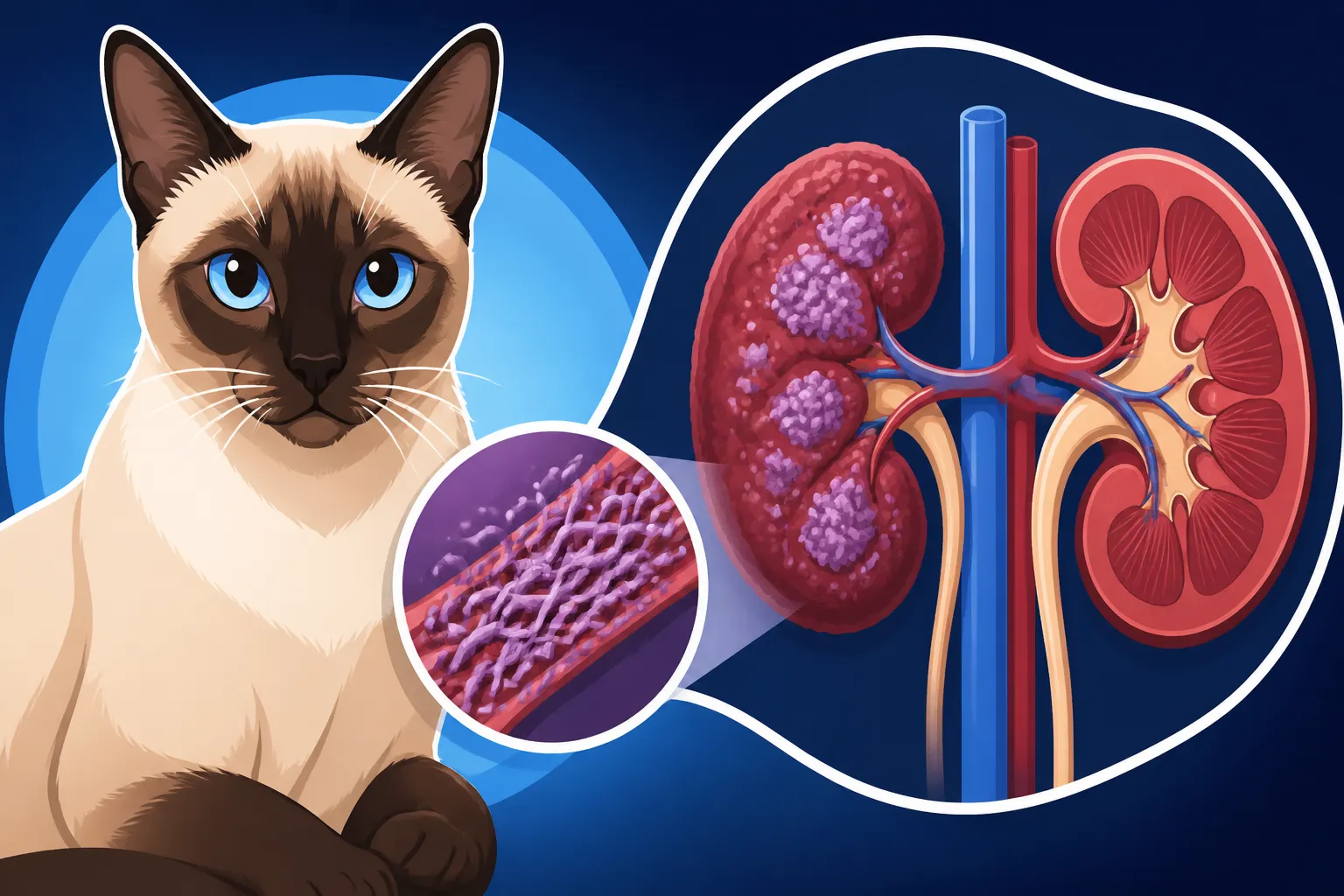
What Systemic Amyloidosis Does to a Siamese Cat’s Kidneys
It’s utterly heartbreaking to learn your beloved Siamese cat might be struggling with a serious genetic condition. One of the most insidious and devastating health challenges many Siamese owners face is systemic amyloidosis, a disease that often works silently in the background until it’s too late. This comprehensive guide aims to peel back the layers of this complex illness, specifically detailing how it relentlessly targets your Siamese cat’s kidneys and what you, as a loving owner, need to understand about its progression and management.
Understanding Systemic Amyloidosis in Siamese Cats
Systemic amyloidosis is a term that probably sounds daunting, and honestly, it is. But breaking it down helps us understand what we’re up against. For Siamese cat owners, this isn't just a medical term; it's a potential specter hanging over their cherished companion's future.
The Basics of Amyloid Protein Buildup
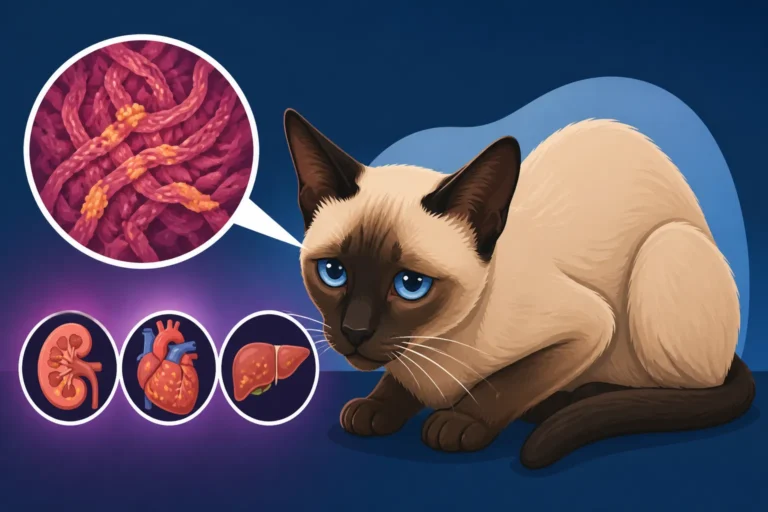
At its core, amyloidosis is a protein problem. Imagine tiny, misfolded proteins that, instead of being properly processed and removed by the body, start to clump together. These clumps are called amyloid fibrils. They're not normal tissue, and they certainly don't belong where they end up. Think of it like microscopic, sticky debris accumulating inside your cat's organs, slowly but surely gumming up the works. While proteins are essential for countless bodily functions, these specific amyloid proteins are like the rogue agents that cause havoc. They refuse to play by the rules, resisting the body's natural breakdown mechanisms, and instead, settle in various tissues, causing damage and dysfunction. This accumulation doesn't happen overnight; it's a gradual, relentless process that can go undetected for a long time.
Why Siamese Cats Are Prone to Systemic Amyloidosis
This is where the Siamese breed specific heartbreak comes in. Unlike some other forms of amyloidosis, the type that affects Siamese cats is largely genetic, known as familial amyloidosis. This means it's passed down through generations, making it a particularly cruel inheritance. Researchers believe there's a specific genetic predisposition linked to the production of Serum Amyloid A (SAA) protein, which is an acute phase protein involved in inflammation. In affected Siamese cats, a mutation or an underlying genetic factor causes this SAA protein to misfold and deposit as amyloid. This isn't just bad luck; it’s a deeply ingrained genetic flaw that breeders and owners grapple with. Understanding Why Siamese Cat Amyloidosis Is Inherited is crucial for anyone considering adding a Siamese to their family or for those already managing the condition. The challenge lies in the fact that it’s not always obvious which cats carry the genetic predisposition, making it incredibly difficult to breed it out of the lines without widespread genetic testing, which, as we'll discuss, isn't readily available for this specific disease.
Differentiating Systemic vs. Localized Amyloidosis
It's important to distinguish between systemic and localized amyloidosis. Localized amyloidosis means the amyloid deposits are confined to a single organ or tissue, causing issues only in that specific area. For example, some older cats might develop localized amyloid deposits in the pancreas, which can sometimes contribute to diabetes, but these deposits don't typically spread throughout the body. Systemic amyloidosis, however, is far more aggressive and widespread. In Siamese cats, this form often affects multiple organs simultaneously, but there’s one organ in particular that bears the brunt of the damage and often leads to the most severe clinical signs: the liver. And, very often, the kidneys follow closely behind or even concurrently. When we talk about systemic amyloidosis in Siamese cats, we're talking about a condition that has the potential to compromise vital organs throughout their entire system, not just one isolated area. It's the widespread nature of the disease that makes it so challenging and ultimately, life-threatening.
The Kidneys: A Primary Target for Amyloid Deposits
While the liver often gets a lot of attention when we discuss Siamese cat amyloidosis, the kidneys are another critical organ that can be severely impacted. The insidious nature of amyloid means it doesn't just pick one spot; it spreads, and the kidneys are unfortunately very susceptible.
How Amyloid Affects Kidney Structure
Think of your cat's kidneys as sophisticated filtering stations, constantly working to clean the blood and remove waste products. Inside each kidney are millions of tiny filtering units called glomeruli, as well as an intricate network of tubules and interstitial tissue. When amyloid protein starts depositing in the kidneys of a Siamese cat, it tends to settle predominantly in these glomeruli. These are the delicate, microscopic sieves that allow waste and excess water to pass through into the urine while keeping essential proteins and blood cells in the bloodstream. As amyloid accumulates within and around the glomeruli, it literally chokes off their function. It's like trying to filter water through a clogged sieve – less and less gets through, and the sieve itself becomes damaged and inefficient. Beyond the glomeruli, amyloid can also deposit in the interstitial tissue, the supportive structures between the tubules, further disrupting the kidney's overall architecture and ability to function correctly. This structural damage is irreversible, and as more and more of these filtering units become compromised, the kidneys lose their vital cleaning capacity.
Impaired Kidney Function Due to Amyloidosis
The structural changes wrought by amyloid deposits inevitably lead to a decline in kidney function. One of the earliest and most telling signs of this impairment is proteinuria, which simply means protein leaking into the urine. Normally, the glomeruli are very good at holding onto large protein molecules, but the amyloid-damaged filters become leaky. This loss of essential proteins, particularly albumin, from the bloodstream can lead to a condition called nephrotic syndrome, which might cause fluid retention in other parts of the body. Beyond proteinuria, the kidneys also lose their ability to properly concentrate urine. Healthy kidneys conserve water when the cat is dehydrated, producing very concentrated urine. Amyloid-damaged kidneys, however, can't do this, leading to dilute urine and increased water loss. This forces the cat to drink more water to compensate, a symptom often easily missed by owners. Critically, the kidneys' primary job is to remove metabolic waste products, like urea and creatinine, from the blood. As the glomeruli become clogged and dysfunctional, these toxins start to build up in the bloodstream, leading to uremia, which causes the cat to feel progressively unwell.
Progression of Kidney Damage
The progression of kidney damage due to amyloidosis is typically slow and stealthy, which is part of what makes it so dangerous. In the early stages, your Siamese cat might not show any obvious outward signs. The kidneys have a remarkable reserve capacity, meaning they can continue to function relatively normally even when a significant portion of their tissue is already damaged. You might notice subtle changes, like your cat drinking a bit more water or making more frequent trips to the litter box, but these are often dismissed as normal variations in behavior or attributed to aging. Unfortunately, by the time truly overt symptoms of kidney failure appear, a substantial amount of kidney tissue, often over 70%, has already been destroyed by the amyloid deposits. This makes early intervention incredibly difficult. The disease essentially runs a silent course, gradually eroding kidney function until a tipping point is reached, at which point the decline can become much more rapid and noticeable. This insidious progression highlights why understanding How Amyloidosis Damages a Siamese Cat's Kidneys and vigilant observation are so critical for Siamese owners.
Recognizing the Signs of Kidney Failure from Amyloidosis
Recognizing the signs of kidney problems in a Siamese cat, especially those caused by systemic amyloidosis, can be challenging because cats are masters at hiding discomfort. However, knowing what to look for can make a world of difference in catching the disease early enough to potentially manage its progression and improve your cat's quality of life.
Early, Subtle Symptoms
In the initial stages of kidney damage from amyloidosis, the symptoms are often so subtle that they can easily be overlooked or mistaken for normal aging. One of the most common early indicators is an increase in thirst (polydipsia) and, consequently, an increase in urination (polyuria). Your cat might start drinking from unusual places, like the sink faucet, or you might notice the litter box needs cleaning more frequently. This is because the amyloid-damaged kidneys can no longer concentrate urine effectively, leading to more dilute urine and thus a greater need for water intake. You might also observe a slight, unexplained weight loss, even if your cat seems to be eating normally. Siamese cats are already naturally lean creatures, so Why a Siamese Cat Stays So Thin might just seem normal, but persistent, unprompted weight loss should always raise a red flag. A subtle decrease in activity levels or a general lethargy, where your usually playful cat seems a bit less enthusiastic about games or prefers to nap more often, can also be an early clue. These signs are easy to dismiss, but for Siamese owners, they warrant closer scrutiny.
Advanced Clinical Signs
As kidney function continues to decline due to widespread amyloid deposits, the symptoms become much more pronounced and distressing. The buildup of uremic toxins in the blood, which the kidneys can no longer filter out, starts to affect other body systems. You'll likely see more significant appetite loss (anorexia), leading to more severe weight loss and noticeable muscle wasting. Vomiting and nausea become common as the toxins irritate the gastrointestinal tract, and your cat may develop oral ulcers or display exceptionally bad breath (halitosis) due to the uremia. Their coat might lose its luster, becoming dull, dry, or unkempt, as they may stop grooming themselves as diligently. You might also observe signs of general weakness, instability, or even dehydration, which can be seen as sunken eyes or skin that doesn't snap back quickly when gently tented. These are all critical indicators that the kidney disease has progressed significantly, and your cat is truly suffering. Recognizing these Signs a Siamese Cat's Kidneys Are Failing From Amyloid is vital for seeking immediate veterinary care.
When to Seek Veterinary Attention
The moment you notice any of these signs, particularly increased thirst, changes in urination, or unexplained weight loss, it's time to visit your veterinarian. Do not wait for the more advanced symptoms to appear. Early detection, while challenging with such a silent disease, is paramount. During routine wellness exams, especially for middle-aged and senior Siamese cats, it's beneficial to ask your vet about preventive bloodwork and urinalysis. Your vet might suggest a comprehensive health panel that includes kidney function markers. It's often recommended that What a Siamese Cat's Yearly Bloodwork Should Cover includes more than just the basic creatinine and BUN, such as SDMA, which can detect kidney issues earlier. Trust your gut feeling; if something seems "off" with your cat, even if you can't quite put your finger on it, a vet visit is always warranted. Regular check-ups are not just about vaccinations; they are crucial opportunities for your vet to assess subtle changes and potentially catch diseases like amyloidosis before they become overwhelming.
Diagnosis and Monitoring of Kidney Amyloidosis
Diagnosing systemic amyloidosis in a living Siamese cat, especially when the kidneys are involved, can be a bit of a diagnostic dance. It often involves a combination of tests, ruling out other conditions, and careful monitoring over time.
Diagnostic Blood and Urine Tests
When your vet suspects kidney issues, they will typically start with blood and urine tests. Key blood markers include Blood Urea Nitrogen (BUN) and creatinine, which are waste products that build up in the blood when the kidneys aren't filtering properly. However, these traditional markers only become elevated once a significant portion of kidney function is lost. A more sensitive and earlier indicator is Symmetric Dimethylarginine (SDMA), a relatively newer blood test that can detect kidney disease even when BUN and creatinine levels are still within the normal range. This is particularly valuable for a disease like amyloidosis where early detection is so critical.
Urinalysis is equally important. Your vet will check the urine specific gravity to see how well the kidneys are concentrating urine. A persistently dilute urine in a well-hydrated cat is a strong sign of kidney dysfunction. They'll also perform a urine protein-creatinine ratio (UPC), which measures the amount of protein leaking into the urine. Elevated protein in the urine (proteinuria) is a hallmark of amyloid-induced kidney damage. Tracking these Which Blood Values Flag Amyloidosis in a Siamese Cat helps both in diagnosis and in monitoring the progression of the disease over time. These tests, especially SDMA and UPC, can provide crucial insights long before your cat shows obvious clinical signs.
Imaging and Biopsy for Confirmation
While blood and urine tests point to kidney dysfunction, they don't definitively confirm amyloidosis. For that, imaging and sometimes a biopsy are considered. An abdominal ultrasound can be invaluable, allowing your vet to visualize the kidneys. They'll look for changes in size, shape, and internal architecture, such as increased echogenicity (brightness), which can be indicative of amyloid deposition. While an ultrasound can suggest amyloidosis, it cannot provide a definitive diagnosis on its own. For more on this, you might find Whether an Ultrasound Finds Siamese Cat Amyloidosis helpful.
The gold standard for diagnosing amyloidosis is a biopsy, where a small tissue sample is taken and examined under a microscope after special staining (Congo Red stain) reveals the characteristic amyloid deposits. However, a kidney biopsy is an invasive procedure, carrying risks such as bleeding, especially in cats with compromised health. This procedure is often reserved for specific cases where the benefits outweigh the risks. Due to these complexities, Why Siamese Cat Amyloidosis Is Usually Found After Death is a sad reality for many owners. The invasiveness and risks associated with biopsies, similar to what's discussed in Whether a Liver Biopsy Is Safe in a Siamese Cat (which shares similar risks for the kidneys), mean that a definitive diagnosis in a living cat is not always pursued, or sometimes even possible without undue risk to the cat.
Long-Term Monitoring and Prognosis
Once kidney disease is suspected or diagnosed, ongoing, diligent monitoring becomes paramount. This involves regular veterinary check-ups, often every 3-6 months, depending on the stage of the disease. At these visits, your vet will repeat blood and urine tests to track any changes in BUN, creatinine, SDMA, and UPC. They'll also monitor blood pressure, as hypertension is a common complication of kidney disease. Keeping a detailed record of your cat's weight, appetite, water intake, and urination habits at home is incredibly helpful for your vet to assess the disease's progression.
The prognosis for systemic amyloidosis affecting the kidneys is unfortunately guarded to poor. It is a progressive and ultimately fatal disease. However, proactive management can significantly improve the quality of life and potentially extend the lifespan of affected cats for months, sometimes even a couple of years. Understanding the disease’s trajectory allows you to make informed decisions with your vet, focusing on comfort and symptom management. It's a tough road, but with attentive care, you can ensure your Siamese cat lives their best possible life for as long as they can.
Managing and Supporting a Siamese Cat with Kidney Amyloidosis
Dealing with a diagnosis of kidney amyloidosis in your Siamese cat is incredibly difficult, but it's important to remember that there are many things you can do to manage the symptoms and support their comfort. This isn't about curing the disease, but about providing the best possible quality of life.
Dietary Management for Kidney Health
One of the cornerstones of managing kidney disease is dietary therapy. Your veterinarian will likely recommend a prescription renal diet. These specialized foods are formulated with controlled levels of protein (to reduce the workload on the kidneys), reduced phosphorus (as phosphorus can accumulate in kidney disease and cause further harm), and sometimes reduced sodium (to help manage blood pressure). There are many brands available, like Hill's k/d, Royal Canin Renal Support, and Purina Pro Plan Veterinary Diets NF Kidney Function. It's often a challenge to get a finicky Siamese cat to eat a new food, especially if they’re already feeling nauseous. Persistence, trying different textures (wet, dry, pate, stew), and warming the food slightly can help.
Hydration is also absolutely critical. Wet food is highly recommended as it provides significant moisture, which helps flush the kidneys and prevent dehydration. Encouraging water intake with multiple water bowls, ceramic or stainless steel bowls (some cats dislike plastic), and even a feline water fountain can make a big difference. For more insights on this aspect, you might want to look into Whether Diet Helps a Siamese Cat With Amyloidosis. If your cat is struggling with appetite, your vet might suggest appetite stimulants like mirtazapine or capromorelin to ensure they get enough nutrients and calories, helping to combat the dreaded weight loss.
Medical Therapies and Symptomatic Treatment
Beyond diet, several medical therapies can help manage the symptoms and complications of kidney amyloidosis. If proteinuria is significant, your vet might prescribe an Angiotensin-Converting Enzyme (ACE) inhibitor, such as benazepril or enalapril, to help reduce protein loss in the urine and protect the kidneys from further damage. Blood pressure management is also crucial, as hypertension is common in kidney disease and can worsen kidney damage and affect other organs, including the eyes. Medications like amlodipine might be used to control high blood pressure.
While not a cure, some drugs, like colchicine, have been explored for their potential to slow amyloid deposition in specific forms of amyloidosis, though their efficacy in established feline systemic amyloidosis is controversial and not universally recommended. For more details on this, you can read Which Drugs Slow Amyloid in a Siamese Cat. Symptomatic treatment is vital: anti-emetics (like maropitant) can alleviate nausea and vomiting, subcutaneous fluid therapy can be administered at home to combat dehydration, and phosphate binders can be added to food to reduce phosphorus absorption. Each cat’s treatment plan will be highly individualized based on their specific symptoms and the progression of their disease.
Quality of Life and End-of-Life Considerations
When dealing with a progressive and incurable disease like kidney amyloidosis, the focus inevitably shifts to maintaining the best possible quality of life for your Siamese cat. This means regular assessment of their comfort, appetite, and energy levels. Pay close attention to subtle cues; as discussed in How a Siamese Cat Hides Pain, cats are incredibly stoic, and even small changes can indicate discomfort. Your vet can guide you on pain management if needed.
Having open and honest conversations with your veterinary team about your cat's prognosis and what to expect as the disease progresses is essential. These are incredibly difficult discussions, but they allow you to prepare emotionally and make informed decisions when the time comes. Understanding your options for palliative care, hospice care, and humane euthanasia is part of responsible pet ownership. Financial considerations can also be a significant stressor during this time, with ongoing medications, prescription foods, and vet visits adding up. This is where having pet insurance like Healthy Paws can truly make a difference, helping to cover a substantial portion of these unexpected and continuous medical expenses, allowing you to focus on your cat's care rather than the overwhelming bills. Healthy Paws, and similar providers, offer peace of mind when facing such costly long-term illnesses.
Prevention and Responsible Breeding Practices
The disheartening reality of systemic amyloidosis in Siamese cats is that it's largely a genetic lottery. While we can manage symptoms, true prevention needs to start long before a kitten is born.
The Challenge of Genetic Screening
One of the most frustrating aspects of feline systemic amyloidosis is the current lack of a definitive genetic test to identify carriers or affected individuals before symptoms appear. This means that even the most well-intentioned breeders are often operating without a crucial piece of the puzzle. There is no simple DNA test available that can say, definitively, "This cat carries the amyloidosis gene" in the way there might be for other genetic conditions. This is a topic thoroughly explored in Why There Is No Siamese Cat Amyloidosis Gene Test. Without such a test, breeders rely on tracking family health histories, which is a slow and imperfect process given the variable onset of the disease. A cat could pass on the gene for years before succumbing to amyloidosis themselves, making it challenging to identify the source. This absence of a reliable screening tool is a massive roadblock in eliminating the disease from the breed.
Ethical Breeding Considerations
Given the genetic nature of amyloidosis and the lack of a definitive DNA test, ethical breeding practices become paramount. Responsible Siamese cat breeders must be incredibly vigilant about the health of their breeding lines. This means maintaining meticulous health records for all their cats, tracking not only their immediate parents but also grandparents, siblings, and offspring. If a cat or a close relative (parent, sibling, offspring) has been diagnosed with systemic amyloidosis, that cat should ideally be removed from the breeding program. While a difficult decision for breeders, this is the current best practice to try and reduce the incidence of this devastating disease. Discussing a breeder’s approach to hereditary diseases, particularly if they track family deaths related to amyloidosis, is a critical step for potential buyers. Reputable breeders should be transparent about their lines and what measures they take to ensure the health of their kittens, as highlighted in What a Siamese Cat Breeder Should Have Screened. Organizations like Healthy Paws also support responsible pet ownership by emphasizing the importance of choosing healthy pets from ethical sources.
Broader Implications for Siamese Cat Health
The ongoing struggle with systemic amyloidosis underscores a broader challenge within the world of purebred cats: the fight against inherited diseases. Many breeds are predisposed to certain conditions, and it often takes decades of dedicated research, genetic testing development, and committed breeding efforts to make significant headway. For the Siamese cat, continuing research into the genetic markers for amyloidosis is vital. Owners can support breed-specific health initiatives and research funds. Moreover, while we focus on the specific genetic predispositions, ensuring overall health through proper nutrition, regular veterinary care, and an enriching environment remains fundamental for every Siamese cat. By being informed, asking tough questions of breeders, and advocating for more research, both current and prospective Siamese owners play a crucial role in safeguarding the future health of this magnificent breed.
Kidney Disease and Amyloidosis Indicators
| Indicator / Test | Healthy Siamese Cat (Normal Range) | Early Kidney Amyloidosis | Advanced Kidney Amyloidosis |
|---|---|---|---|
| Urinalysis: | |||
| Urine Specific Gravity | >1.035 | 1.008 – 1.020 (Isosthenuria possible) | <1.008 – 1.012 (Isosthenuria common) |
| Urine Protein-Creatinine Ratio (UPC) | <0.2 | 0.2 – 0.4 (Borderline) or >0.4 (Proteinuric) | >0.4 (Significant Proteinuria) |
| Blood Tests: | |||
| SDMA (Symmetric Dimethylarginine) | <14 µg/dL | 14-18 µg/dL (Early increase) | >18 µg/dL (Significant increase) |
| Creatinine | 0.8 – 2.0 mg/dL | Normal to slightly elevated (late stage) | Significantly elevated |
| BUN (Blood Urea Nitrogen) | 16 – 36 mg/dL | Normal to slightly elevated (late stage) | Significantly elevated |
| Phosphorus | 2.5 – 6.0 mg/dL | Normal to slightly elevated | Elevated |
| Clinical Signs: | |||
| Thirst/Urination | Normal | Mild increase | Marked increase |
| Appetite | Good | Normal to slightly decreased | Poor to absent |
| Weight | Stable | Mild, gradual loss | Significant, rapid loss |
| Energy Levels | Active, playful | Slightly lethargic | Markedly lethargic, weak |
| Vomiting/Nausea | Rare | Occasional | Frequent |
Note: These ranges are generalized and can vary slightly between laboratories and individual cats. Always consult your veterinarian for accurate interpretation of your cat's specific test results.
Disclaimer
The information provided in this article is for educational purposes only and is not intended to be a substitute for professional veterinary advice, diagnosis, or treatment. Always seek the advice of your veterinarian or other qualified animal health provider with any questions you may have regarding a medical condition. Never disregard professional veterinary advice or delay in seeking it because of something you have read here.