How Amyloidosis Damages a Siamese Cat’s Kidneys
Discovering that your beloved Siamese cat might be suffering from amyloidosis, especially when it starts impacting their kidneys, is a truly heartbreaking and frustrating experience. This insidious disease can silently wreak havoc, often leaving owners feeling helpless as they watch their cherished companion decline. This guide aims to thoroughly explain exactly how amyloidosis damages a Siamese cat's kidneys, the subtle and overt signs to watch for, and what options might be available to support your furry family member through this challenging condition.
Understanding Amyloidosis in Siamese Cats
Amyloidosis is a cruel disease, particularly prevalent and often aggressive in our beautiful Siamese cats. It's not just a general ailment; it holds a specific and devastating impact on certain breeds due to their genetic makeup. For Siamese owners, understanding this condition is the first step toward advocating for their cat's health.
What Amyloid Is and Why It's a Problem
At its core, amyloidosis is a disorder where abnormal proteins, known as amyloid fibrils, are deposited in various tissues and organs. Imagine these proteins as sticky, misfolded clumps that refuse to break down. Instead, they accumulate outside of cells, gradually building up and interfering with the normal structure and function of the organ they invade. This isn't just a minor obstruction; it's a fundamental architectural failure. The type of amyloid protein most commonly associated with Siamese cat amyloidosis is Amyloid A (AA amyloid). This particular protein is derived from a precursor called serum amyloid A (SAA), which is an acute phase protein produced by the body during inflammation. When there's chronic inflammation, SAA levels remain high, increasing the likelihood of it misfolding and forming these damaging amyloid deposits.
For a Siamese cat, these deposits act like tiny, microscopic shards, embedding themselves within the delicate tissues of organs. Over time, these accumulations can grow to significant levels, displacing healthy tissue and ultimately leading to organ enlargement, stiffness, and eventually, failure. It's a slow, progressive takeover, often without obvious symptoms until the damage is quite advanced. This can be especially frustrating for owners because you don't see it happening until it's almost too late, which is why Amyloidosis Is the Disease That Kills Young Siamese Cats can be so devastating.
The Genetic Predisposition in Siamese Cats
One of the most disheartening aspects of amyloidosis in Siamese cats is its strong genetic link. Unlike some conditions that can be prevented with lifestyle changes, this predisposition is inherited, passed down through generations. While not every Siamese cat will develop the disease, those with the genetic markers are at a significantly higher risk. This means that even with the best care, nutrition, and environment, a cat with this genetic legacy can still fall victim.
Unfortunately, breeders face immense challenges because, as of now, There Is No DNA Test for Siamese Cat Amyloidosis. This lack of a clear genetic test means that carriers or affected cats can unknowingly be bred, perpetuating the problem. This is a huge source of frustration for conscientious breeders trying to produce healthy lines, and for owners who wish they could have screened their kitten more thoroughly. The only way to truly confirm amyloidosis is through biopsy or post-mortem examination, which is obviously too late for prevention. This inherited susceptibility is a key reason Why Siamese Cat Amyloidosis Is Inherited and why it remains such a persistent concern within the breed. It forces owners and vets alike to be vigilant for subtle symptoms, rather than relying on a definitive pre-emptive test.
The Path of Destruction: How Amyloid Affects Kidneys
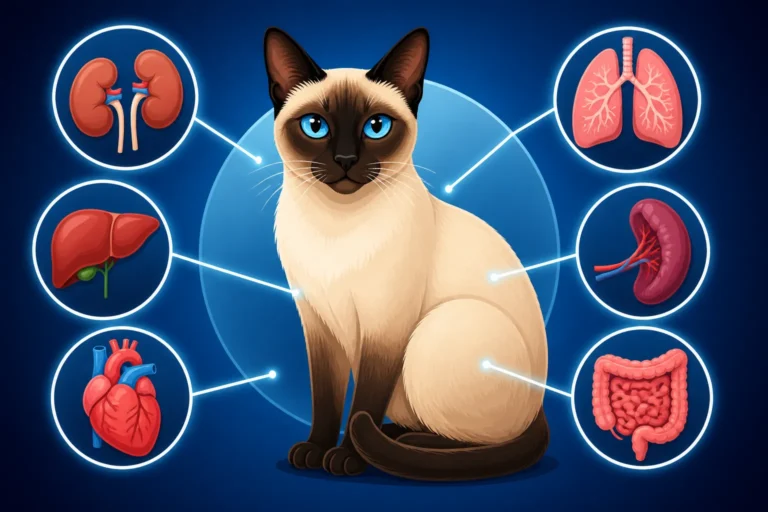
While amyloidosis can affect various organs, including the liver (which is often more acutely affected, sometimes leading to Why a Siamese Cat's Liver Can Rupture Without Warning), its impact on the kidneys is equally devastating, leading to chronic and often irreversible kidney disease. The kidneys are vital for filtering waste products from the blood, maintaining electrolyte balance, and producing hormones. When amyloid infiltrates these crucial structures, their ability to perform these life-sustaining tasks is severely compromised.
Initial Stages of Amyloid Deposition in Renal Tissue
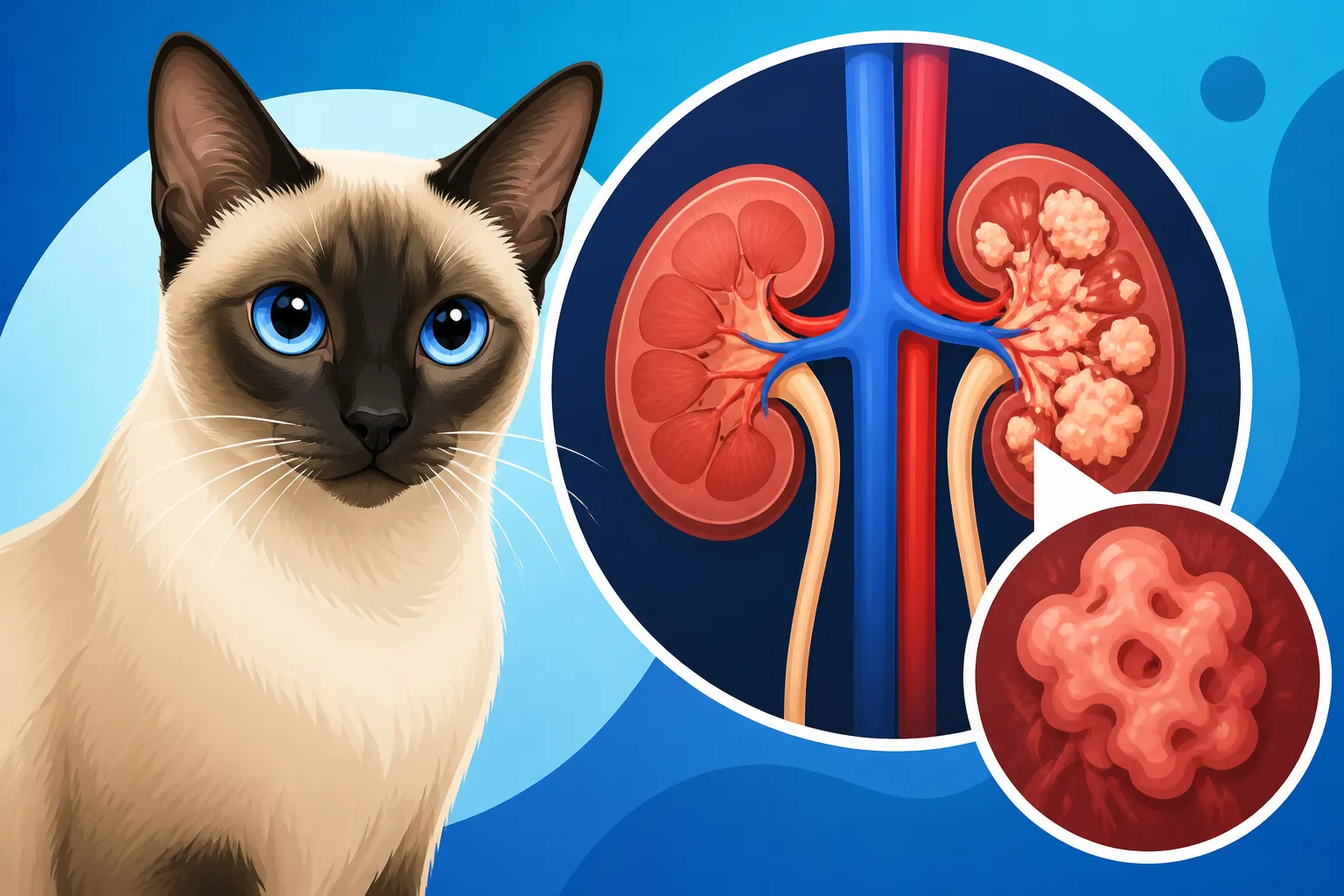
In the kidneys, amyloid typically targets the glomeruli—tiny, intricate filtering units responsible for separating waste from beneficial substances in the blood. Imagine these glomeruli as microscopic sieves. Healthy glomeruli have a fine mesh that allows waste products and excess water to pass through, while retaining essential proteins and cells. When amyloid begins to deposit in these glomeruli, it literally clogs and thickens this delicate meshwork.
Initially, these deposits might be small and localized, causing minimal noticeable symptoms. However, even at this early stage, the damage begins. The amyloid proteins accumulate in the basement membranes of the glomeruli, making them less permeable to waste products but paradoxically more permeable to larger protein molecules that should be retained in the blood. This means the kidneys start struggling to filter toxins effectively, while simultaneously allowing vital proteins, particularly albumin, to leak out into the urine. This protein leakage, known as proteinuria, is one of the earliest signs of kidney damage from amyloidosis and is a critical indicator that something is amiss, though it often goes unnoticed without specific veterinary testing.
Progressive Damage to Kidney Function
As amyloid deposits continue to build up within the glomeruli and, in some cases, the interstitial tissue between the kidney tubules, the damage becomes more extensive and profound. The inflammation and scarring caused by these foreign protein accumulations lead to the destruction of more and more functional nephrons—the individual filtering units of the kidney. With fewer healthy nephrons, the kidneys’ overall capacity to filter blood diminishes significantly.
This progressive decline in filtration capacity leads to a buildup of waste products in the blood, a condition known as uremia or azotemia. Toxins like urea and creatinine, which should be excreted in urine, instead circulate throughout the body, causing a range of systemic symptoms. The kidneys also play a crucial role in regulating blood pressure and producing hormones necessary for red blood cell production. As they fail, these functions are also impaired, potentially leading to high blood pressure (hypertension) and anemia. The chronic inflammation and loss of functional tissue are irreversible, meaning the kidney damage only progresses over time. It’s a relentless march that underscores What Systemic Amyloidosis Does to a Siamese Cat's Kidneys and highlights the critical need for early detection and management, even if a cure isn't possible.
Systemic Impact Beyond Just the Kidneys
While kidney damage from amyloidosis is a primary concern, the presence of amyloid in these vital organs often has a ripple effect throughout the entire body. The kidneys are interconnected with numerous bodily systems, and their failure can trigger a cascade of secondary health problems. For instance, the loss of protein through the urine (proteinuria) doesn't just indicate kidney damage; it directly impacts the cat's overall health. Albumin, a crucial protein, helps maintain fluid balance in the blood vessels. When it leaks out, fluid can accumulate in other parts of the body, leading to edema (swelling), particularly in the abdomen (ascites) or chest (pleural effusion), making breathing difficult.
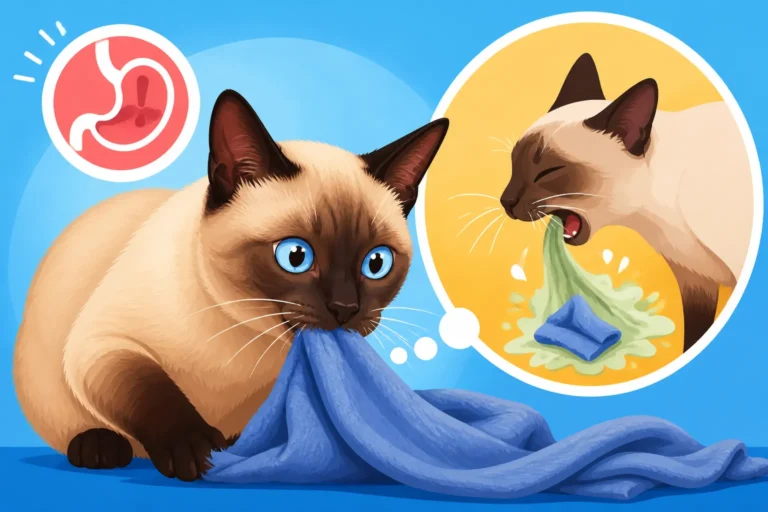
Furthermore, the uremia that develops due to kidney failure causes toxins to circulate, affecting nearly every organ system. Cats may experience severe gastrointestinal upset, including nausea, vomiting, and loss of appetite, leading to weight loss and malnutrition. The accumulation of toxins can also impact the nervous system, causing lethargy, weakness, and even seizures in severe cases. Anemia, due to decreased production of erythropoietin by the failing kidneys and ongoing gastrointestinal blood loss, further exacerbates weakness and fatigue. It's a complex, interconnected web of deterioration, making the cat feel unwell in multiple ways, rather than just isolated kidney symptoms. This holistic decline is why it's so challenging to care for a cat with advanced amyloidosis.
| Stage of Kidney Damage | Symptoms | Typical Blood/Urine Findings |
|---|---|---|
| Early | Often none visible; subtle increase in thirst; slight weight loss. | Urine: Proteinuria (excess protein in urine). |
| Moderate | Increased thirst and urination; dull coat; reduced appetite; mild weight loss; occasional vomiting. | Blood: Mildly elevated BUN/Creatinine. Urine: Persistent proteinuria, possibly lower urine specific gravity (diluted urine). |
| Advanced | Severe lethargy; persistent vomiting; significant weight loss; dehydration; bad breath (uremic halitosis); oral ulcers; fluid retention (edema/ascites). | Blood: Significantly elevated BUN/Creatinine, phosphorus, potassium; anemia. Urine: Very dilute urine, high protein. |
Recognizing the Signs of Kidney Damage from Amyloidosis
One of the greatest challenges with kidney disease, particularly when caused by amyloidosis, is that cats are masters at hiding illness. By the time obvious symptoms appear, the damage is often quite advanced. This makes vigilance on the part of the owner absolutely critical.
Early, Subtle Symptoms to Watch For
It's truly frustrating how elusive the early signs of kidney damage can be. Often, they are so subtle that they can easily be mistaken for normal aging or dismissed as minor quirks. However, if you know what to look for, you might catch them earlier. The very first symptom you might notice is an increase in your Siamese cat's water intake. They might start drinking more from their bowl, or perhaps seek out unusual water sources like dripping faucets. Along with increased drinking comes increased urination; you might find yourself scooping the litter box more frequently, or notice larger clumps of urine than usual.
Another early indicator can be a slight, unexplained weight loss, even if your cat is still eating normally. Siamese cats are naturally slender, so it can be hard to tell Why a Siamese Cat Stays So Thin versus actual weight loss. Their coat might also start to look a bit duller or less pristine, as kidney issues can affect overall hydration and nutrient absorption. Some cats might also show a subtle decrease in appetite or pickiness with their food. These signs, on their own, might not scream "kidney failure," but together, and especially in an at-risk breed like the Siamese, they should prompt a visit to your veterinarian. Even slight changes in routine can be significant when dealing with an insidious disease like amyloidosis.
Advanced Signs of Kidney Failure
When kidney damage from amyloidosis progresses to more advanced stages, the symptoms become much more pronounced and distressing to witness. The buildup of toxins in the blood, known as uremia, starts to affect nearly every system in your cat's body. You'll likely see persistent and severe lethargy; your once-active Siamese might spend most of their time sleeping and show little interest in play or interaction. Vomiting often becomes frequent, and the cat might develop a characteristic "uremic breath," which has a foul, ammonia-like odor due to the circulating toxins.
Significant weight loss, often accompanied by muscle wasting, will become evident, making your cat appear even bonier than usual. They might become severely dehydrated, with sunken eyes and poor skin elasticity. Oral ulcers can develop, making eating painful, further contributing to anorexia. In some cases, fluid accumulation can occur, leading to visible swelling in the abdomen (ascites) or even difficulty breathing if fluid collects around the lungs. These are truly heartbreaking Signs a Siamese Cat's Kidneys Are Failing From Amyloid, indicating a severe decline in kidney function and a critical stage of the disease. At this point, the focus shifts to palliative care and maintaining comfort.
Diagnostic Challenges and What Vets Look For
Diagnosing amyloidosis, especially kidney involvement, presents significant challenges for veterinarians. As mentioned, there's no specific blood test for amyloid itself, and the early signs are often non-specific. Your vet will typically start with a thorough physical examination and a detailed history of your cat's symptoms, focusing on changes in thirst, urination, appetite, and weight.
Key diagnostic tools include blood work and urinalysis. Blood tests will look at kidney values like BUN (Blood Urea Nitrogen) and creatinine. Elevated levels of these indicate impaired kidney function, but they don't rise until about 75% of kidney function is lost, which is why they are often only abnormal in later stages. Other important blood parameters include phosphorus, potassium, and red blood cell count (for anemia). Urinalysis is crucial for detecting proteinuria – the presence of excess protein in the urine – which is a strong indicator of glomerular damage. A urine protein-to-creatinine ratio (UPC) is often performed to quantify the degree of protein loss. Advanced diagnostics might include an abdominal ultrasound to assess kidney size and architecture, although amyloid deposits themselves are not always directly visible. In some cases, a kidney biopsy might be considered to definitively diagnose amyloidosis and assess the extent of the damage, but this is an invasive procedure with risks, especially in a compromised cat. Many times, the true extent of amyloidosis is only definitively confirmed post-mortem, which can be incredibly tough to accept.
Managing and Coping with Kidney Amyloidosis
While there is currently no cure for amyloidosis in Siamese cats, managing the disease focuses on slowing its progression, reducing symptoms, and improving the cat's quality of life. This involves a multi-faceted approach, often requiring significant dedication from the owner.
Supportive Care and Treatment Options
Once a Siamese cat is diagnosed with kidney amyloidosis, the treatment plan primarily revolves around supportive care. The goal is to minimize the impact of kidney failure and manage secondary complications. This often includes:
- Dietary Management: A special renal diet, typically low in protein, phosphorus, and sodium, is crucial. These diets help reduce the workload on the kidneys, slow the buildup of waste products, and maintain electrolyte balance. Your vet might recommend prescription diets from brands like Royal Canin or Hill's Science Diet, which are formulated specifically for kidney health.
- Fluid Therapy: Many cats with kidney disease suffer from dehydration. Subcutaneous (under-the-skin) fluid therapy, administered at home by the owner, can significantly improve hydration, flush out toxins, and make your cat feel much better. This can seem daunting at first, but vets provide thorough training.
- Medications:
- ACE Inhibitors: Drugs like benazepril are often prescribed to reduce protein loss in the urine and help control blood pressure.
- Phosphorus Binders: If blood phosphorus levels are high, binders added to food can prevent further kidney damage and help alleviate symptoms.
- Anti-nausea Medications: Drugs such as maropitant (Cerenia) can help manage vomiting and improve appetite.
- Appetite Stimulants: Mirtazapine or capromorelin can encourage cats to eat, which is vital for maintaining weight and energy.
- Blood Pressure Medications: If hypertension is present, specific medications might be used to lower blood pressure, protecting the kidneys and other organs.
- Management of Anemia: If the cat becomes anemic, specific treatments might be considered, though this is often more challenging to address.
- Anti-inflammatory/Immunosuppressive Drugs: In some cases, colchicine has been explored to try and reduce amyloid deposition or inflammation, though its effectiveness in feline amyloidosis is still debated among veterinarians.
The treatment plan will be tailored to your cat's specific needs and the stage of their disease. It's a continuous balancing act to keep them comfortable and stable. Understanding Whether Siamese Cat Amyloidosis Can Be Treated effectively means understanding it's about management, not cure.
The Emotional Toll and Prognosis
Living with a Siamese cat diagnosed with kidney amyloidosis takes a significant emotional toll on owners. The relentless nature of the disease, the daily medications, the fluid therapy, and the constant worry about their comfort can be exhausting and heartbreaking. It's a situation where you're constantly weighing quality of life against the effort of treatment. Many owners describe the profound sadness of watching their vibrant, vocal companion slowly fade.
The prognosis for Siamese cats with kidney amyloidosis is generally guarded to poor, especially once advanced signs of kidney failure are present. Unfortunately, How Long a Siamese Cat Lives After an Amyloidosis Diagnosis can vary wildly depending on the stage of diagnosis and how well they respond to supportive care. Some cats might live for months or even a year or two with diligent management, while others may decline rapidly. It’s crucial to have open and honest conversations with your veterinarian about your cat's prognosis and quality of life. They can help you recognize when treatment is no longer beneficial and when difficult decisions about euthanasia might need to be considered to prevent suffering.
Financially, managing chronic kidney disease can also be a burden. Regular vet visits, specialized diets, and multiple medications can add up quickly. This is where having pet insurance can make a real difference. Companies like Healthy Paws, for example, often cover a significant portion of diagnostic tests and ongoing treatments for chronic conditions, which can alleviate some of the financial stress during an already difficult time. While pet insurance can't erase the heartache, it can certainly help ensure your beloved Siamese gets the best possible care without you having to worry about every single cost. It’s definitely worth researching whether insurance covers an inherited disease (Whether Insurance Excludes a Siamese Cat's Inherited Disease) before a diagnosis, as pre-existing conditions are usually not covered.
Disclaimer
This article is intended for informational purposes only and does not constitute veterinary advice. Always consult with a qualified veterinarian for any health concerns or before making any decisions about your pet's medical care.