Why a Siamese Cat Loses Teeth Young
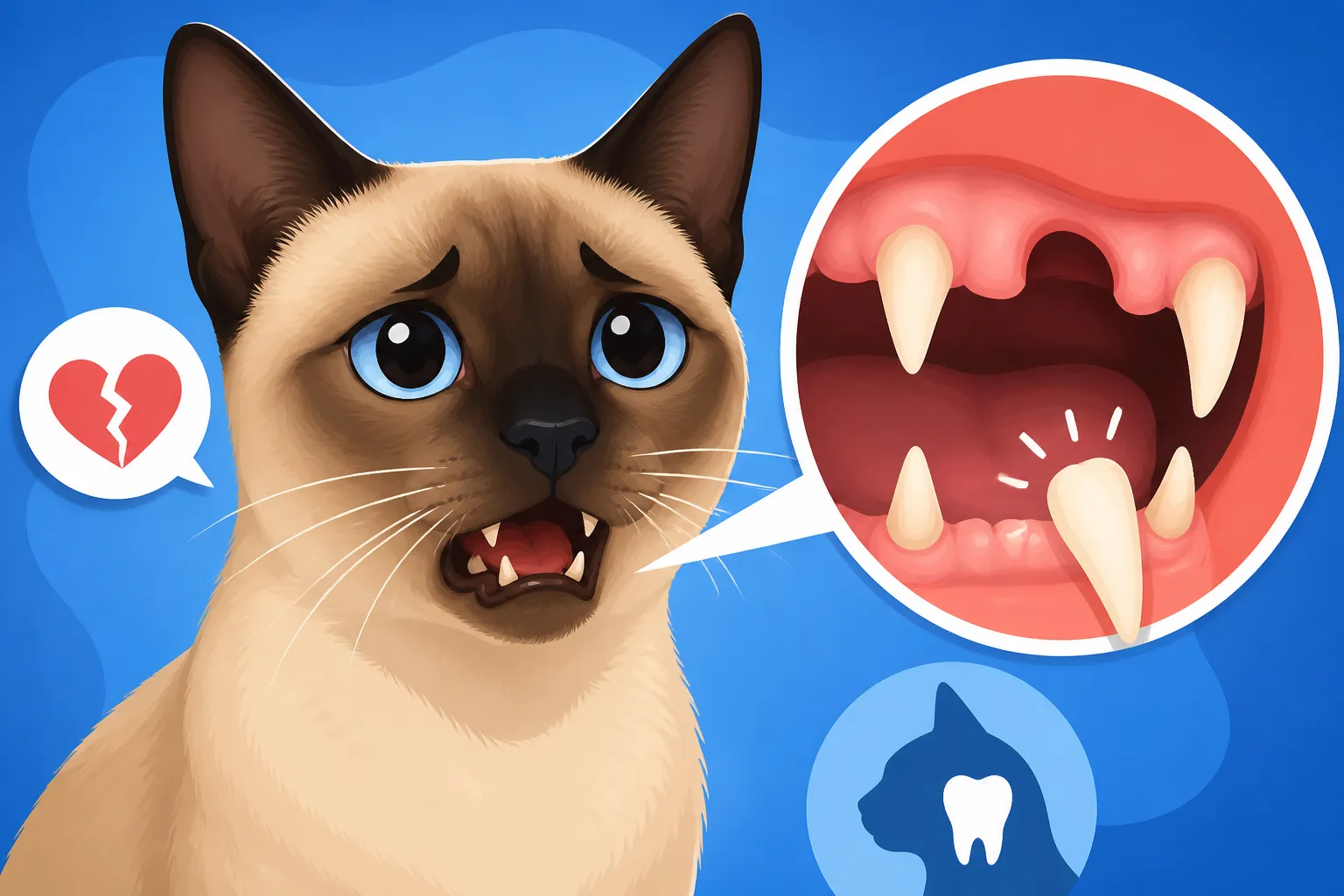
It's a distressing discovery for any cat parent: you open your Siamese cat's mouth, perhaps after noticing they’re a little hesitant to eat, only to find a missing tooth or signs of severe gum inflammation, often at an age when you’d expect their pearly whites to be perfectly intact. The worry sets in immediately—is this normal? Will they need expensive surgery? You’re left wondering why your energetic, vocal companion seems to be facing significant dental problems so much earlier than other cats you’ve known. This guide is here to shed light on why Siamese cats, in particular, often lose teeth young, examining the underlying causes, the common culprits behind these issues, and most importantly, what steps you can take to safeguard their oral health and ensure they can enjoy their meals comfortably for years to come.
The Unique Vulnerabilities of Siamese Cats' Oral Health
Siamese cats are renowned for their striking appearance, captivating blue eyes, and famously chatty personalities. However, beneath that sleek coat and expressive face lies a genetic predisposition that can make them particularly susceptible to dental issues, leading to premature tooth loss. It's not just bad luck; there are genuine breed-specific factors at play that make maintaining their oral health a top priority for any Siamese owner.
Breed-Specific Anatomy and Oral Structure
One of the often-overlooked aspects contributing to dental problems in Siamese cats is their very anatomy. They typically possess a narrower, more elongated skull and jaw structure compared to many other cat breeds. While this contributes to their distinctive elegant look, it can also lead to overcrowding of teeth within the jaw. Imagine trying to fit too many items into a small box; things get squished. The same can happen in a Siamese cat's mouth. When teeth are too close together, it creates tight crevices and overlaps that are incredibly difficult to keep clean, even with diligent brushing.
These cramped conditions become prime breeding grounds for plaque and tartar buildup. Food particles and bacteria get trapped easily, fermenting and forming a sticky film (plaque) that hardens into tartar over time. This tartar acts like a rough surface, irritating the gums and offering even more nooks and crannies for bacteria to colonize. This anatomical nuance means that even if a Siamese cat seems to have good dental hygiene on the surface, those hidden areas can be silently suffering, progressing rapidly towards significant periodontal disease without obvious external signs.
Inherited Conditions and Susceptibility
Beyond the structural aspects, Siamese cats are also genetically inclined towards certain oral health conditions that accelerate tooth decay and loss. While not every Siamese cat will develop these issues, the breed as a whole carries a higher risk compared to the general cat population. This genetic lottery can feel unfair, but understanding it empowers owners to be more vigilant and proactive.
For instance, some research suggests a genetic link to exaggerated inflammatory responses in the mouth, which can worsen conditions like gingivitis and periodontitis. It's as if their immune system is more prone to overreacting to the presence of plaque, leading to more severe and rapid destruction of gum tissue and the supporting bone around the teeth. This is why even a small amount of plaque can cause a disproportionately severe reaction in a Siamese cat's mouth, making it crucial to understand the nuances of Gingivitis in a Siamese Cat. This heightened inflammatory response means that what might be a minor inconvenience for another cat breed could quickly escalate into a painful, tooth-threatening problem for a Siamese.
Common Dental Diseases Leading to Early Tooth Loss
When we talk about early tooth loss in Siamese cats, we're usually referring to a couple of major culprits. These aren't just minor irritations; they are serious, progressive diseases that, if left unchecked, will inevitably lead to painful extractions and a significant impact on your cat's quality of life.
Periodontal Disease: The Silent Culprit
Periodontal disease is by far the most common dental problem in cats overall, and Siamese cats are unfortunately no exception, often experiencing more aggressive forms. It's essentially an infection and inflammation of the tissues surrounding the teeth, including the gums, the ligaments that hold the teeth in place, and the bone itself. It starts subtly and progresses silently, often without obvious symptoms until it's quite advanced, which is why it earns the title of "silent killer" of feline teeth.
The journey of periodontal disease begins with plaque. As mentioned, this sticky film of bacteria and food particles constantly forms on the teeth. If not removed, it mineralizes into tartar, a hard, yellowish-brown substance visible along the gum line. Tartar irritates the gums, leading to gingivitis—inflammation of the gums, characterized by redness, swelling, and sometimes bleeding. This stage is often reversible with professional cleaning and good home care. However, if gingivitis progresses, the infection travels beneath the gum line, attacking the supporting structures of the tooth. Pockets form between the teeth and gums, filling with bacteria and pus, destroying the periodontal ligament and the bone that anchors the tooth. At this point, the tooth loses its stability, becomes painful, and eventually falls out or requires extraction. Many Siamese owners are caught off guard because their cats, masters of hiding pain, don't show clear signs until the disease is very advanced. Learning How a Siamese Cat Hides Pain is vital for early detection of any health issue, including dental problems.
Feline Odontoclastic Resorptive Lesions (FORLs)
While periodontal disease is prevalent across all breeds, another particularly nasty condition frequently found in Siamese cats is Feline Odontoclastic Resorptive Lesions (FORLs), often referred to simply as "resorptive lesions" or "cavities" (though they are distinctly different from human cavities). These lesions are incredibly painful and involve the progressive destruction of a tooth's structure, starting from the root or just below the gum line.
FORLs occur when specialized cells called odontoclasts, which are normally responsible for remodeling bone and tooth structure, become overactive and start dissolving the dentin and enamel of the tooth. It's like the body is literally eating away at its own teeth. The lesions often begin deep within the tooth, making them impossible to spot without X-rays. As they progress, they can appear as small, red, inflamed areas on the gum line, or even as significant erosions that expose the tooth's sensitive pulp, causing excruciating pain. Cats with FORLs may show subtle signs of discomfort, such as drooling, reluctance to eat hard food, pawing at their mouth, or simply withdrawing from interaction. These lesions are a leading cause of tooth loss in Siamese cats, as affected teeth become structurally compromised and eventually fracture or must be extracted. Sadly, once a FORL starts, it's irreversible, and the only humane treatment is extraction of the entire tooth. Understanding Tooth Resorption in a Siamese Cat is critical for Siamese owners to grasp this often-misunderstood condition.
Lifestyle and Environmental Factors Aggravating Tooth Loss
While genetics and breed predispositions play a significant role, it's not the whole story. The daily habits, diet, and care routines we provide for our Siamese cats can either exacerbate their natural tendencies toward dental problems or help mitigate them. Ignoring these factors can quickly turn a genetic susceptibility into a full-blown crisis.
Diet's Role in Dental Health
The type of food your Siamese cat eats can have a substantial impact on their dental health, for better or worse. Many commercial cat foods, especially those high in carbohydrates and sticky ingredients, can contribute to plaque buildup. Just like in humans, these types of foods leave residues that bacteria love to feed on, accelerating the formation of plaque and tartar. While some dry kibbles are marketed as "dental diets" because their larger, fibrous structure helps scrape teeth clean, it’s not a universal solution, and not all kibbles offer this benefit effectively.
For Siamese cats, who are already prone to dental issues, a diet that minimizes plaque buildup is especially important. This often means favoring high-quality wet food, which has fewer sticky residues, or even incorporating dental-specific kibbles if your vet recommends them. It's also worth noting that some cats prone to Psychogenic Alopecia in a Siamese Cat due to stress might also be more susceptible to dental problems if their overall health isn't optimized, showing how interconnected their well-being truly is. Furthermore, ensuring your Siamese cat drinks enough water is crucial for oral health, as saliva helps wash away food particles, linking back to why considering How Much Water a Siamese Cat Should Drink is more important than you might think. A well-hydrated mouth is a healthier mouth.
The Importance of Regular Home Care and Professional Cleanings
This might sound obvious, but the lack of consistent home dental care and routine professional veterinary cleanings is a huge factor in why Siamese cats lose teeth young. Many cat owners, understandably, find it challenging to brush their cat's teeth. Cats aren't always cooperative, and it's easy to get discouraged. However, for a Siamese cat with their inherent vulnerabilities, skipping this step is akin to letting a ticking time bomb go unaddressed.
Daily or even every-other-day brushing with a cat-specific toothpaste can dramatically reduce plaque and tartar accumulation. It physically removes the bacterial film before it hardens. Without this manual intervention, professional cleanings become the only recourse, and these are often needed more frequently for Siamese cats than other breeds. Think of it this way: if you don't brush your own teeth for years, you'll inevitably need extensive work at the dentist. The same applies to your cat. Waiting until there are visible signs of disease, like bad breath or inflamed gums, usually means the problem is already well-established and more costly, invasive treatment, potentially including extractions, is necessary. This highlights why Teeth Are the Care Job a Siamese Cat Owner Cannot Skip.
Strategies for Prevention and Management of Early Tooth Loss
The thought of your beloved Siamese cat losing teeth can be daunting, but the good news is that there are many proactive steps you can take to either prevent or significantly slow down the progression of dental disease. It requires commitment, a little patience, and a close partnership with your veterinarian.
Proactive Home Dental Care Routines
Starting early is key. If you have a Siamese kitten, begin acclimating them to having their mouth handled and their teeth brushed as soon as possible. Even if you adopt an adult Siamese, patience and positive reinforcement can often lead to successful home dental care. Use a finger brush or a small, soft toothbrush designed for cats, along with an enzymatic cat toothpaste (never human toothpaste). Aim for daily brushing, even if it's just for a minute. Focus on the outside surfaces of the teeth, as this is where plaque tends to accumulate most.
Beyond brushing, consider other dental health aids. Dental treats can offer some minor benefit, but they are not a substitute for brushing. Look for treats approved by the Veterinary Oral Health Council (VOHC) for proven efficacy. Water additives, rinses, or dental chews can also be part of a comprehensive strategy, but again, they supplement, rather than replace, manual cleaning. Consistency is far more important than intensity. Even a few minutes every day makes a world of difference compared to sporadic, half-hearted attempts. When considering comprehensive care, it's good to remember Which Food Suits a Siamese Cat can also play a role in their overall health, including their teeth.
Partnering with Your Veterinarian for Oral Health
Regular veterinary check-ups are absolutely non-negotiable for Siamese cats, especially concerning their dental health. Your vet can assess the state of your cat's mouth during their annual wellness exam and recommend professional dental cleanings under anesthesia when necessary. These cleanings are vital because they allow the vet to remove plaque and tartar both above and below the gum line, where most of the damage occurs. They can also perform dental X-rays, which are crucial for detecting problems like FORLs or bone loss that are invisible to the naked eye. This is especially important given How Often a Siamese Cat Needs a Dental and the potential costs associated with it.
Don't wait until your cat shows obvious signs of pain or difficulty eating. By then, the disease is often advanced. A proactive approach means scheduling routine dental evaluations and cleanings based on your vet's recommendations. Discussing these preventative measures can help you budget for procedures and consider pet insurance options like those offered by Healthy Paws, which can help cover the costs of these crucial dental treatments, making comprehensive care more accessible. Pet insurance can be a real lifesaver when dealing with unexpected medical bills, and Healthy Paws is known for its extensive coverage for accidents and illnesses, including many dental procedures. Many Siamese cat owners are surprised by What a Siamese Cat's First Dental Costs but proactive planning with your vet and insurance can alleviate this stress.
Managing Advanced Dental Disease and Extractions
Despite the best preventative efforts, some Siamese cats will still develop advanced dental disease or FORLs requiring tooth extractions. This can be a scary prospect for owners, but it's important to understand that removing diseased or painful teeth is often the most humane and effective treatment. Cats, surprisingly, adapt remarkably well to having teeth extracted, even multiple teeth. Their strong digestive acids and ability to swallow small pieces of food mean they can thrive on a wet food diet, or even smaller kibble, without teeth.
The procedure itself involves general anesthesia, careful removal of the affected teeth, and sometimes suturing the gum tissue. Post-operative care typically includes pain medication and antibiotics. While the cost of extractions can be significant – remember What Extractions Cost a Siamese Cat Owner can be substantial – the relief your cat experiences is immeasurable. Ignoring painful dental disease leads to chronic pain, infection, and can even impact other organ systems as bacteria from the mouth enter the bloodstream. Investing in your cat's dental health, whether through regular cleanings or necessary extractions, is an investment in their overall well-being and longevity. Even for more complex cases, Healthy Paws can often provide coverage for these critical treatments, offering peace of mind. It’s a good idea to consider these financial aspects, as Why a Siamese Cat Needs More Dentals Than Other Cats means these costs can add up over time. Ultimately, ensuring good dental hygiene is a pivotal part of Caring for an Old Siamese Cat, as dental issues can become more pronounced with age.
| Dental Condition | Key Characteristics | Common Signs in Cats | Treatment Approaches |
|---|---|---|---|
| Gingivitis | Inflammation of the gums, reversible. | Red, swollen gums; bad breath. | Professional cleaning, home brushing. |
| Periodontal Disease | Infection of tissues supporting teeth, irreversible. | Redness, swelling, bleeding gums; loose teeth; bad breath; reluctance to eat. | Professional cleaning (with deep scaling); antibiotics; extractions. |
| Feline Odontoclastic Resorptive Lesions (FORLs) | Painful destruction of tooth structure. | Drooling, pawing at mouth, reluctance to eat hard food, visible gum lesions, chattering. | Extraction of affected tooth/teeth (only cure). |
| Plaque & Tartar Buildup | Bacterial film and hardened mineral deposits on teeth. | Visible yellow/brown deposits on teeth, bad breath. | Regular brushing, professional cleaning. |
Disclaimer
This article is intended for informational purposes only and does not constitute veterinary advice. Always consult with a qualified veterinarian for any health concerns or before making any decisions related to your Siamese cat's health and treatment.