What a Siamese Cat Rescue Fee Covers
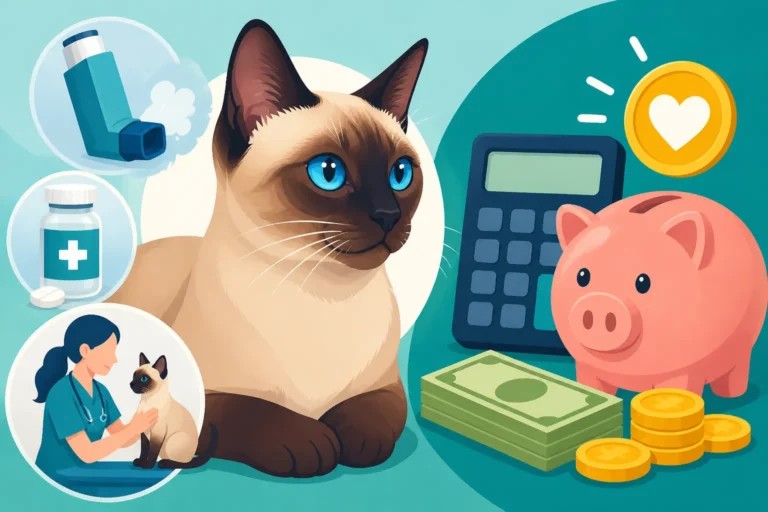
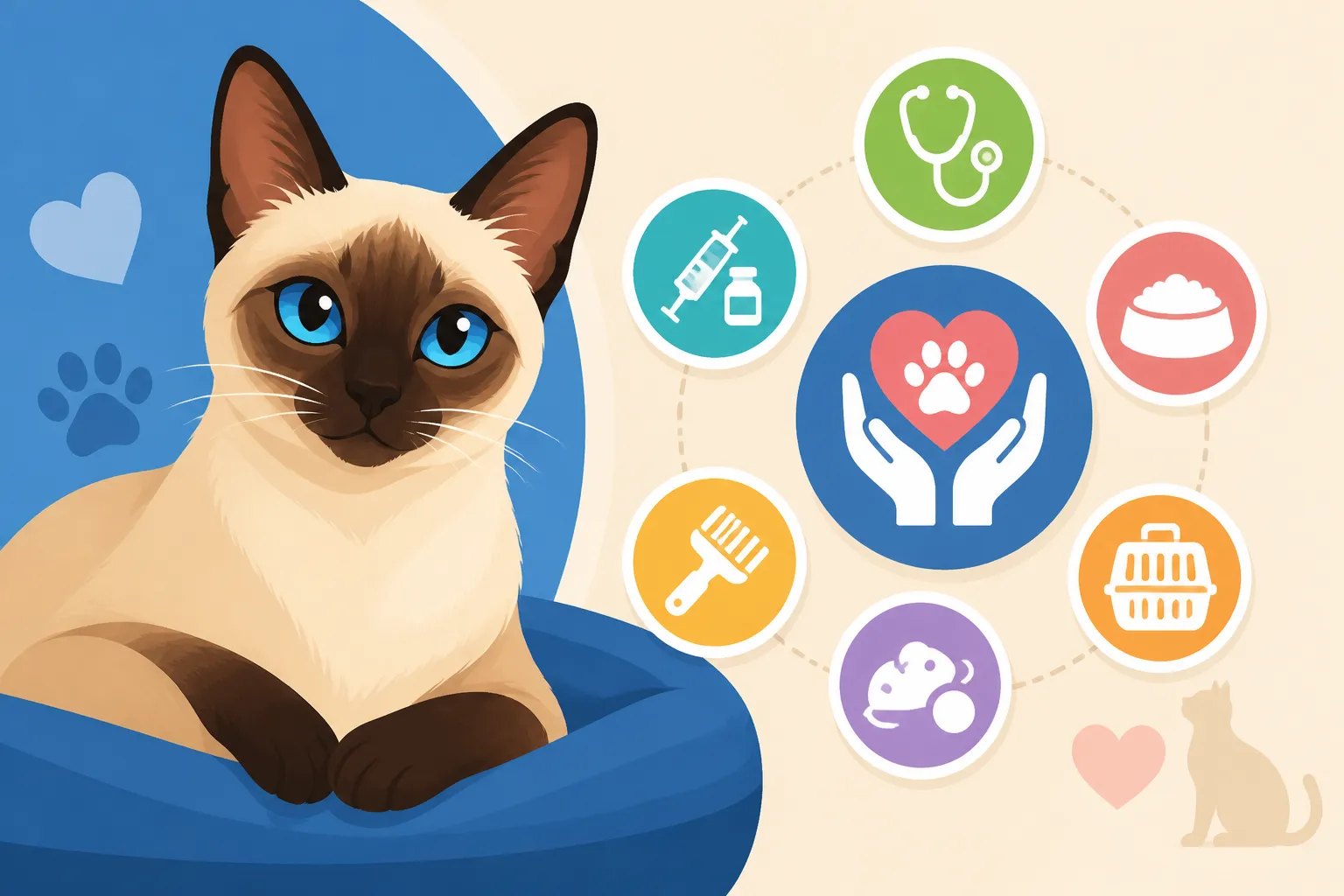
When you open your heart and home to a Siamese cat through a rescue organization, it's natural to wonder about the adoption fee. It’s far more than just a transaction; it represents a comprehensive package of care and compassion that ensures your new companion is ready for a healthy, happy life with you. This guide will take a deep dive into the various crucial elements that your Siamese cat rescue fee typically covers, giving you a clear picture of the immense value behind your contribution.
Essential Veterinary Care Included in the Fee
One of the most significant aspects of any rescue fee is the veterinary care that the Siamese cat receives before finding its forever home. Rescue organizations invest heavily in ensuring every animal is in the best possible health, often far exceeding what a private seller might offer. This isn't just a quick check-up; it's a foundation of wellness.
Comprehensive Initial Health Examination
Every Siamese cat entering a reputable rescue undergoes a thorough veterinary examination. This isn't a quick glance; it's a meticulous head-to-tail assessment by a licensed veterinarian. They’ll check the cat's eyes, ears, nose, and mouth, looking for any signs of infection, dental issues, or other abnormalities. They'll listen to the heart and lungs, palpate the abdomen, and check the condition of the skin and fur. This initial exam is vital for catching any immediate health concerns, from a lingering ear infection to a heart murmur that needs further investigation. It’s often the first time some of these cats have ever received professional medical attention, and it sets the stage for all subsequent care. For instance, if a Siamese cat arrives with a noticeable limp, the vet will investigate that specific issue, potentially incurring X-ray costs, all covered by the rescue before adoption.
Diagnostic Screening for Common Feline Diseases
Beyond the physical exam, most rescue fees cover crucial diagnostic screenings for common, serious feline diseases. This typically includes testing for Feline Leukemia Virus (FeLV) and Feline Immunodeficiency Virus (FIV). These tests are paramount because both diseases can significantly impact a cat's health and lifespan, as well as pose risks to other cats in your household. A positive diagnosis for either might require specific care protocols or even influence your decision to adopt. Furthermore, some rescues might run basic bloodwork or urinalysis, especially for older or visibly unwell cats, to check for underlying conditions like kidney disease or diabetes. You might wonder Which Tests the Siamese Cat Health Panel Covers when adopting from a breeder, but a rescue typically provides these essential screenings upfront, taking the financial burden off the adopter for these initial critical checks. It's a huge peace of mind knowing your new Siamese has been screened for these common issues.
Parasite Control and Management
Nobody wants to bring a new pet home only to discover they're hosting an unwelcome party of fleas, ticks, or internal parasites. A significant portion of the rescue fee goes towards comprehensive parasite control. This means your Siamese cat will typically arrive dewormed and treated for external parasites. They'll receive broad-spectrum dewormers to target roundworms, hookworms, and sometimes tapeworms. Flea and tick prevention, often a topical application or an oral medication, will also be administered, usually for the initial period. Imagine adopting a cat and then immediately facing veterinary bills for deworming treatments and flea infestations—the rescue aims to prevent this, ensuring a clean start for both you and your new companion. This pre-emptive care is essential, especially since many rescue cats come from situations where regular parasite control was nonexistent.
Spay/Neuter Procedures and Microchipping
These are arguably two of the most significant components of a rescue fee, both for the individual cat's well-being and for broader animal welfare. They reflect the rescue's commitment to responsible pet ownership and population control.
The Critical Role of Spay/Neuter in Rescue
Every Siamese cat adopted from a reputable rescue organization will already be spayed (for females) or neutered (for males) before they go home with you. This isn't just a suggestion; it's a non-negotiable part of responsible rescue practices. The cost of these surgeries, which includes anesthesia, the procedure itself, and pain medication, is built into your adoption fee. Spaying and neutering not only prevent unwanted litters, thus reducing the heartbreaking problem of pet overpopulation, but they also offer significant health benefits to the individual cat. For females, spaying eliminates the risk of uterine infections and tumors and drastically reduces the risk of mammary cancer. For males, neutering prevents testicular cancer and can reduce behavioral issues like spraying, aggression, and the urge to roam. Considering What a Siamese Cat Kitten Costs From a Breeder might seem like one thing, but remember a rescue's fee often includes these crucial, sometimes costly, procedures already done.
Microchipping for Lifelong Identification
Another invaluable service included in the rescue fee is microchipping. Your Siamese cat will be implanted with a tiny, rice-grain-sized chip, usually between their shoulder blades. This microchip contains a unique identification number that, when scanned, links back to your contact information. If your cat ever gets lost and is taken to a shelter or vet, a quick scan can reunite you, even if their collar or tags are missing. Rescues ensure the microchip is registered with national databases, often with lifetime registration included in the fee, saving you the hassle and additional cost of doing it yourself. This simple, pain-free procedure is an essential safeguard, providing immense peace of mind. It’s a silent, permanent form of ID that significantly increases the chances of a happy reunion should your adventurous Siamese decide to explore beyond your yard.
Post-Operative Care and Recovery Support
The care doesn't stop once the spay or neuter surgery is complete. Rescue organizations provide attentive post-operative care to ensure a smooth recovery. This includes monitoring the cat for any complications from anesthesia, administering pain medication, and ensuring the incision site heals properly. Sometimes, a cat might need an extra night or two at the vet clinic if there are concerns, and these costs are absorbed by the rescue. They'll also provide you with clear instructions on how to care for your Siamese cat during their recovery at home, including tips on restricting activity and monitoring the incision. This level of support prevents potential complications and ensures your new family member is comfortable and well on their way to full health by the time they join your household.
Vaccination Protocols and Preventative Measures
Vaccinations are a cornerstone of preventative health care for any feline, and a Siamese cat adoption fee almost always covers a comprehensive vaccination schedule to protect your new companion from common and potentially deadly diseases.
Core Vaccinations for Feline Health
Your rescue Siamese cat will have received their core vaccinations, which are considered essential for all cats, regardless of their lifestyle. These typically include the FVRCP vaccine, which protects against Feline Viral Rhinotracheitis (Herpesvirus), Calicivirus, and Panleukopenia (Feline Distemper). Panleukopenia, in particular, is a highly contagious and often fatal disease, so protection against it is critical. Depending on local regulations and the cat's health history, they may also receive a Rabies vaccine. These initial shots provide vital immunity against widespread illnesses that can cause severe suffering and significant veterinary bills. By providing these vaccinations, the rescue is proactively safeguarding your cat’s health and reducing the risk of them contracting preventable diseases.
Necessary Boosters and Age-Appropriate Schedules
For younger Siamese cats and kittens, the rescue fee often accounts for a series of booster shots, which are crucial for building robust immunity. Kittens require a series of FVRCP vaccines, usually every three to four weeks until they are around 16 weeks old, because maternal antibodies can interfere with the effectiveness of early vaccinations. The rescue ensures these initial boosters are administered on schedule, taking the guesswork and immediate cost out of your hands. For adult cats, they'll have received at least their initial full course or a booster if their vaccination history was known. The rescue will provide documentation of the vaccination dates, allowing your personal veterinarian to continue the appropriate schedule. Knowing your cat's vaccination status means you can immediately focus on bonding, not worrying about their next shot.
Protecting Against Common Respiratory and Viral Illnesses
Beyond the core vaccines, rescue organizations also take steps to protect against common respiratory and viral illnesses that can spread easily in shelter environments. While vaccines like FVRCP cover major respiratory viruses, rescues often employ strict hygiene protocols and sometimes even specific medications or supplements to boost immunity, especially for cats coming from high-stress situations. This preventative approach helps minimize the chance your Siamese cat develops a "kennel cough" equivalent or other stress-induced illnesses shortly after adoption. It’s another layer of care that ensures your cat transitions into your home as healthy as possible, preventing potential vet visits for treatable but uncomfortable conditions like conjunctivitis or mild upper respiratory infections that might occur without this careful management.
Initial Supplies, Nutrition, and Ongoing Support
Beyond the direct medical costs, rescue fees also contribute to the daily care and comfort of the Siamese cats in their charge, covering necessities and offering valuable ongoing assistance to new adopters.
Providing High-Quality Food and Basic Supplies
While a rescue can't send you home with a lifetime supply of kibble, your adoption fee absolutely covers the cost of feeding your Siamese cat during their stay. Rescue organizations strive to provide nutritious, high-quality food to help these cats recover from potential malnutrition and stress, and to support their overall health. Higher-end cat foods might be utilized to ensure the cats receive excellent nutrition. This isn't just about filling their bellies; it's about providing a diet that supports a healthy coat, strong immune system, and good energy levels. The fee also covers basic necessities like litter, litter boxes, bedding, and enrichment toys during their time at the shelter. This constant provision of comfort and sustenance before adoption is a hidden but significant cost.
Behavioral Assessments and Enrichment Programs
Siamese cats are known for their distinctive personalities and vocalizations, and rescue organizations recognize the importance of understanding a cat's temperament. Your adoption fee helps fund behavioral assessments conducted by experienced staff or volunteers. This means they observe how the Siamese interacts with people, other cats, and toys, how they react to new situations, and whether they exhibit any specific quirks like Why a Siamese Cat Sucks Wool. This assessment helps the rescue match the right cat with the right family, minimizing the chances of returns and ensuring a successful placement. Many rescues also implement enrichment programs, providing toys, scratching posts, and elevated perches to keep the cats mentally stimulated and physically active during their stay, which is crucial for a clever and energetic breed like the Siamese. Knowing What a Siamese Cat's Temperament Is Really Like before adoption can prevent surprises.
Post-Adoption Support and Resources
A reputable rescue's commitment to you and your Siamese cat doesn't end the moment you walk out the door. Your adoption fee often includes access to post-adoption support and resources. This might manifest as advice lines, follow-up calls, or informational packets on everything from adjustment tips to common Siamese cat behaviors. Some rescues even offer discounted training classes or veterinary referrals. This ongoing support is invaluable, especially for first-time cat owners or those adopting a cat with a specific history. If your Siamese cat is showing signs of anxiety, for example, the rescue might be able to offer guidance or recommend specialists. They want the adoption to succeed just as much as you do, and these resources are designed to help you navigate the initial weeks and months with confidence.
The Hidden Costs: Operational and Administrative Overheads
While visible costs like vet care and food are obvious, a significant portion of the rescue fee supports the less glamorous, but equally vital, operational and administrative infrastructure that allows these organizations to function.
Facility Maintenance and Staffing Expenses
Running a rescue facility, whether it's a dedicated shelter building or a network of foster homes, incurs substantial costs. Your adoption fee helps cover rent, utilities (heating, cooling, electricity), cleaning supplies, and general maintenance for these spaces. Maintaining a safe, clean, and comfortable environment for the cats awaiting adoption is paramount for their health and well-being. Furthermore, it supports the dedicated staff and volunteers who work tirelessly to care for these animals. While many rescues rely heavily on volunteers, there are often paid staff members responsible for essential roles like animal care, medical coordination, and administration. These individuals ensure consistent care, even for cats that may need specialized attention, such as an older Siamese cat that might need Caring for a Siamese Cat Past Twelve for longer than others. Without these fundamental operational costs being met, the rescue simply couldn't exist.
Outreach, Transport, and Legal Considerations
The work of a rescue extends far beyond the walls of a shelter. Your fee helps fund crucial outreach efforts, such as public education campaigns about responsible pet ownership, spay/neuter importance, and the benefits of adoption. It also covers the often-complex logistics and costs associated with transporting cats—sometimes across states—from high-kill shelters or difficult situations to safer environments where they have a better chance of adoption. This is particularly relevant for breeds like the Siamese, which may be specifically sought out by breed-specific rescues. Additionally, rescues face legal and administrative costs, including state and local licensing fees, insurance, and the creation and enforcement of adoption contracts. These contracts are designed to protect the animal and ensure a suitable home, specifying terms like mandatory indoor living, which ties into discussions like How Well a Siamese Cat Lives Indoors Only. These unseen expenses are absolutely critical to the ethical and effective operation of any rescue organization.
Table: What Your Siamese Cat Rescue Fee Generally Covers vs. What Might Be Extra
Here's a quick overview of what you can typically expect your adoption fee to include, and what might still be an additional cost or future expense.
| Feature/Service | Typically Included in Rescue Fee | May Be Extra or a Future Cost Not Covered |
|---|---|---|
| Veterinary Care | Initial health exam, FeLV/FIV testing, deworming, flea/tick treatment, initial vaccinations (FVRCP, Rabies) | Advanced diagnostics (e.g., extensive blood panels for specific conditions), chronic illness treatment, specialized surgeries (e.g., What a Siamese Cat's Dental Costs if extensive work is needed post-adoption) |
| Spay/Neuter | Full surgical procedure, anesthesia, pain management, post-op monitoring | Complications requiring extended hospitalization not typically anticipated |
| Identification | Microchipping and initial registration | Replacement chip registration fees if ownership changes drastically |
| Initial Supplies | Food and litter during shelter stay, basic bedding/toys | Ongoing food, litter, enrichment toys, cat trees, specialized diets for conditions |
| Behavioral Support | Basic behavioral assessment, temperament evaluation | Professional behaviorist consultations for severe issues, long-term medication for anxiety |
| Administrative/Operational | Shelter operating costs, staff/volunteer support, transport, legal fees | Long-term pet insurance (e.g., from Healthy Paws), ongoing veterinary wellness exams, emergency vet visits |
It’s worth noting that while the rescue fee is comprehensive, responsible pet ownership always entails ongoing costs for The Fifteen to Twenty Years a Siamese Cat Gets you'll have with your companion. This table highlights that the rescue provides an excellent, healthy starting point, but the journey continues with you.
Why the Rescue Fee is an Investment, Not Just a Price Tag
Understanding what a Siamese cat rescue fee covers truly transforms how you view the cost. It's not merely a price for a cat; it's an investment in a thoroughly vetted, medically prepared, and often behaviorally assessed companion. When you consider Why So Many Siamese Cats End Up in Rescue, and the resources required to rehabilitate and rehome them, the fee makes perfect sense.
Each dollar contributes to the continued mission of rescue organizations to save lives, prevent suffering, and ensure that every cat, including the expressive and intelligent Siamese, gets a second chance at a loving home. By choosing to adopt, you are not only gaining a wonderful family member, but you are also supporting a vital cause, knowing that the fee you pay directly enables the rescue to continue its invaluable work for countless other animals in need. For many, it solidifies the decision to adopt, making them feel good about their choice, and ultimately, making them realize that Whether a Siamese Cat Is Worth the Money isn't even a question when considering the love and companionship they bring.
Disclaimer
This article is for general informational purposes only and does not constitute professional advice. Laws, prices and regulations vary by location and change over time. Consult a qualified professional for guidance on your specific situation.