Why Owners Give Up a Siamese Cat
It's a heartbreaking reality that many beautiful Siamese cats, with their striking blue eyes and insistent personalities, unfortunately find themselves in shelters or rescue organizations through no fault of their own. Often, the reasons behind an owner giving up a Siamese cat stem from a fundamental misunderstanding of the breed's unique needs and temperament, rather than any flaw in the cat itself. This comprehensive guide aims to shed light on the most common reasons Siamese cats are rehomed, helping prospective and current owners understand how to prevent such situations and ensure a lifelong, loving home for these remarkable felines.
The Myth of the "Difficult" Siamese Temperament
One of the biggest misconceptions about Siamese cats is that they are simply "difficult" or "high-strung." While they certainly have a strong personality, labeling it as merely "difficult" often misses the nuance of their intelligent, social, and communicative nature. Many owners are simply unprepared for the intensity of these traits.
The Vocal Nature: More Than Just a Meow
If you've ever met a Siamese cat, you'll know they aren't shy about expressing themselves. Their vocalizations are legendary, often described as a "meezer yowl" – a deep, resonant cry that can sound quite mournful or demanding to an unaccustomed ear. Many people are drawn to the Siamese cat's exotic looks but don't realize just how much they talk. This isn't just a polite meow; it's a full-blown conversation, a demand, a complaint, or a greeting.
Imagine bringing home a Siamese kitten, thinking it'll be a quiet, independent companion, only to find it vocalizing loudly at 3 AM because it wants attention, or following you from room to room with a running commentary. For families seeking a serene household, or apartment dwellers concerned about neighbors, this constant vocalization can quickly become a major source of stress. It's not the cat being naughty; it's just being a Siamese. They want to communicate, and they expect a response. How Loud a Siamese Cat Is gives you an idea of what to expect, and What a Siamese Cat's Yowl Means delves into the different tones and their implications. Without understanding this inherent trait, it's easy to feel overwhelmed and frustrated.
The Need for Constant Interaction and Attention
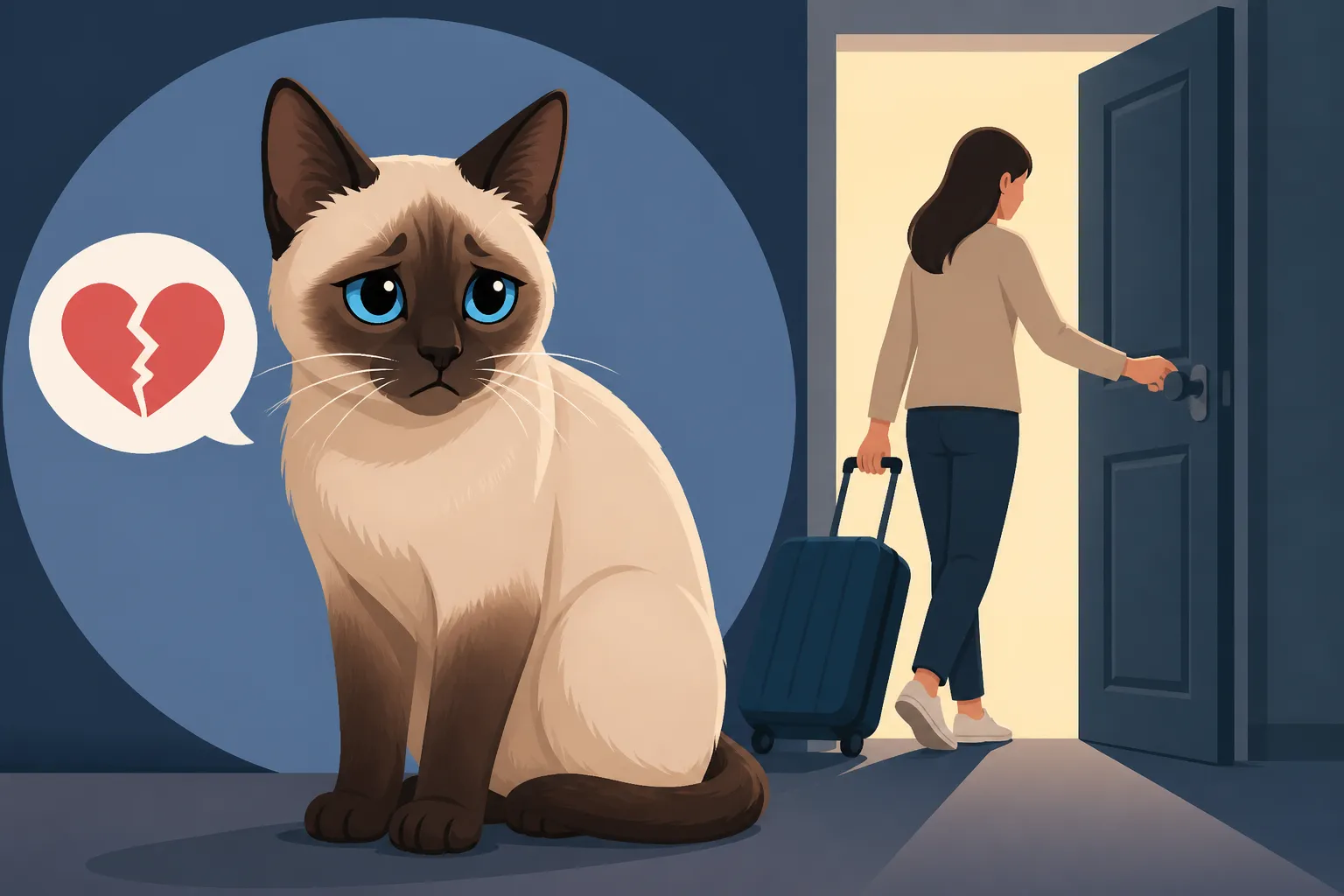
Siamese cats are not aloof creatures. Far from it. They thrive on interaction and crave companionship. They are often described as "dog-like" in their devotion, and they genuinely want to be part of every activity in your home. This means they will follow you, sit on your lap, "help" you type, supervise your cooking, and generally insert themselves into your life. For someone who works long hours, travels frequently, or simply prefers a more independent pet, this constant need for engagement can be exhausting.
Many owners find themselves feeling guilty that they can't provide the level of interaction their Siamese demands, leading to a breakdown in the bond. This isn't a cat you can leave alone for extended periods without consequences. They thrive on mental stimulation and playtime, and if they don't get it from you, they'll find other ways to entertain themselves, which might not always align with your preferences. This intense need for connection is a core part of What a Siamese Cat's Temperament Is Really Like.
The "Velcro Cat" Tendency
Building on their need for interaction, Siamese cats are often referred to as "Velcro cats" because they stick to you like glue. They aren't content to simply be in the same room; they want to be on you, next to you, or at least within arm's reach. They often choose one primary person in the household to bond most deeply with, which can lead to jealousy if that person's attention is diverted to another pet, a new partner, or even a baby.
This intense attachment, while incredibly flattering and endearing to some, can be overwhelming for others. Imagine trying to work from home with a Siamese draped across your keyboard or constantly nudging your hand for pets. While lovely, it requires a lot of patience and a lifestyle that can accommodate such a demanding companion. When owners aren't prepared for this level of clinginess, the cat can develop Signs a Siamese Cat Has Separation Anxiety when left alone, leading to destructive behaviors or inappropriate urination.
Unforeseen Health Challenges and Their Costs
Another significant, and often heartbreaking, reason for Siamese cats ending up in rescue is the unexpected burden of health issues and the associated veterinary costs. While many people fall in love with the breed's beauty, they may not be aware of certain genetic predispositions that can lead to expensive and emotionally taxing medical journeys.
Genetic Predispositions and Surprise Diagnoses
Siamese cats, like many purebred animals, are prone to certain inherited health conditions. Conditions like amyloidosis, a disease where abnormal protein deposits build up in organs, particularly the liver, can be devastating. Amyloidosis Is the Disease That Kills Young Siamese Cats details how sudden and severe this can be. Other issues include progressive retinal atrophy (PRA), which leads to blindness, and an increased risk of certain cancers, like mediastinal lymphoma. Asthma is also more common in Siamese cats.
When a family adopts a Siamese kitten, they're often not thinking about these potential future health issues. A sudden diagnosis, especially of a serious or chronic condition, can come as a complete shock. It's not just the emotional toll of seeing your beloved pet suffer, but also the daunting reality of managing a complex medical condition. These situations often lead to owners feeling unprepared and unable to cope with the demands of such care.
The Financial Strain of Veterinary Care
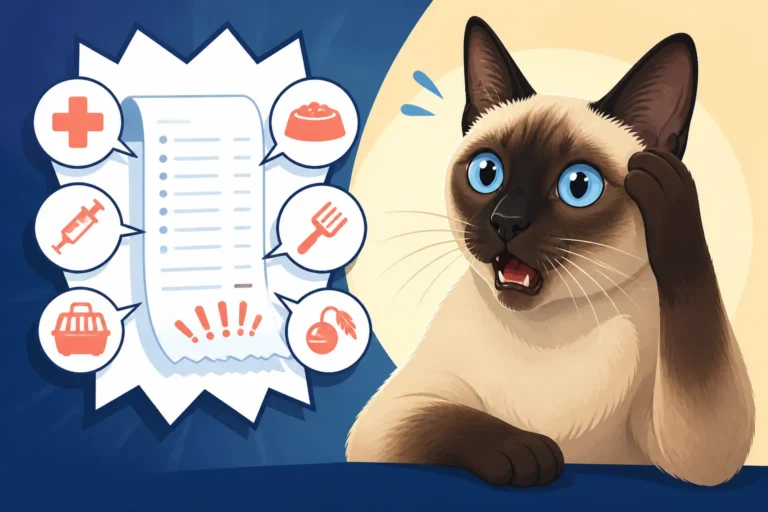
Dealing with health issues isn't just emotionally draining; it's financially taxing. Diagnosing and treating genetic conditions or chronic illnesses can involve a battery of tests, specialist consultations, ongoing medications, and potentially surgeries. An emergency liver bleed due to amyloidosis, for example, can incur substantial costs for diagnostics, stabilization, blood transfusions, and intensive care. Even a condition like asthma requires regular vet visits, medication, and often an inhaler and spacer, as discussed in Budgeting for a Siamese Cat's Asthma Inhaler.
Many owners, particularly those who haven't budgeted for such possibilities, find themselves in an impossible position. They adore their cat but simply cannot afford the thousands of dollars required for treatment. This can lead to the devastating decision to surrender their cat in the hope that a rescue organization might have the resources to provide the necessary care. This is where pet insurance, from providers like Healthy Paws, can be a lifesaver, helping to mitigate some of these unforeseen costs, making it a crucial consideration for any Siamese owner.
Managing Chronic Conditions
Beyond the initial costs, some conditions require lifelong management. This isn't just about money; it's about time, effort, and dedication. A cat with chronic kidney disease, for instance, might need special diets, subcutaneous fluids at home, and frequent vet check-ups. A cat with severe asthma might need daily inhaler treatments and close monitoring.
This kind of ongoing care can become a full-time commitment, deeply impacting an owner's daily life. It's a testament to the dedication of many Siamese owners that they rise to this challenge, but for others, it can be too much. The constant worry, the regular schedule of medications, and the impact on their personal lives can lead to burnout, and ultimately, the heartbreaking decision to rehome their cherished companion. It truly highlights the need to consider What a Siamese Cat Needs Its Whole Life when bringing one into your home.
Lifestyle Mismatches and Environmental Factors
Sometimes, the reasons for giving up a Siamese cat aren't about the cat's inherent nature or health, but rather a clash between the cat's needs and the owner's lifestyle or living situation. Siamese cats thrive in specific environments, and when those don't align, problems can arise.
The Energetic Demands of a Siamese
Siamese cats are incredibly intelligent and energetic. They are not content to lounge on a windowsill all day. They need mental stimulation, playtime, and opportunities to explore. A bored Siamese is often a destructive Siamese. If an owner expects a quiet, independent cat that will entertain itself, they are in for a rude awakening.
These cats need multiple play sessions a day, puzzle feeders, interactive toys, and often vertical space to climb and observe their domain. Without adequate Enrichment for a Siamese Cat That Gets Bored in an Hour, they can develop behavioral issues like excessive vocalization, destructive scratching, or even aggression. Owners who lead very busy lives or live in small spaces without much opportunity for enrichment might struggle to meet these demands, leading to frustration for both cat and human. Providing good quality food and toys, easily found on sites like Chewy, can help keep them engaged.
Challenges with Other Pets and Children
While many Siamese cats can coexist peacefully with other pets and children, their strong personalities mean careful introductions are crucial. A Siamese will often try to establish itself as the alpha, which can lead to conflicts with existing pets, particularly if those pets are more timid or less assertive. Their vocalizations and energetic play can also be overwhelming for older, more sedate animals.
Similarly, while Siamese cats can be wonderful with children, their sensitive nature means they need respectful interactions. A child who is too rough or doesn't understand boundaries might inadvertently cause the Siamese to become stressed or even defensive. An unprepared family might find themselves in a constant state of mediation between their Siamese and other family members. How a Siamese Cat Behaves With Children offers detailed advice on navigating these relationships.
Moving and Other Life Changes
Life happens, and sometimes unexpected events force owners to make difficult decisions. A job relocation that requires a move to an apartment with a strict "no pets" policy, a new baby that suddenly consumes all of an owner's time and attention, or a change in financial circumstances can all lead to a Siamese cat needing a new home.
Siamese cats are creatures of habit and thrive on stability. A major change in environment or routine can be incredibly stressful for them, potentially leading to anxiety-related behaviors. While many owners try their best to keep their beloved pets through these transitions, sometimes the reality of the situation makes it impossible to provide the stable, loving home the Siamese truly needs. This is a common reason Why So Many Siamese Cats End Up in Rescue.
Behavioral Quirks That Can Overwhelm
Beyond their vocal nature and need for attention, Siamese cats can exhibit certain behavioral quirks that, when misunderstood or unaddressed, can push owners to their breaking point.
Destructive Behaviors from Boredom or Stress
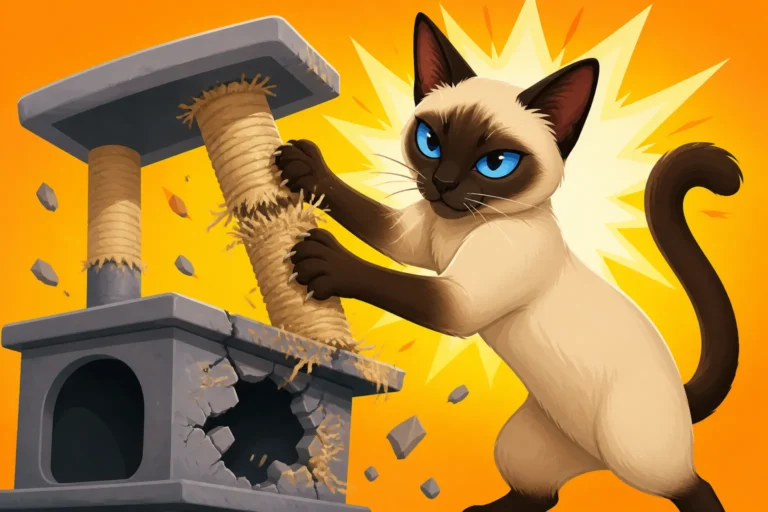
A bored or stressed Siamese cat is a mischievous one. Their high intelligence means they can easily learn to open cabinets, turn on faucets, or explore forbidden countertops. Without proper stimulation, they might resort to scratching furniture, pulling curtains, or knocking items off shelves. This isn't out of malice but often a cry for attention or a way to burn off excess energy.
For owners who value their home furnishings or simply don't understand why their cat is behaving this way, it can be incredibly frustrating. They might try to punish the behavior, which often exacerbates the problem, as Siamese cats don't respond well to harsh discipline and can become even more anxious or destructive. Understanding the root cause – usually boredom, lack of interaction, or stress – is key to redirecting these behaviors.
Litter Box Aversion and House Soiling
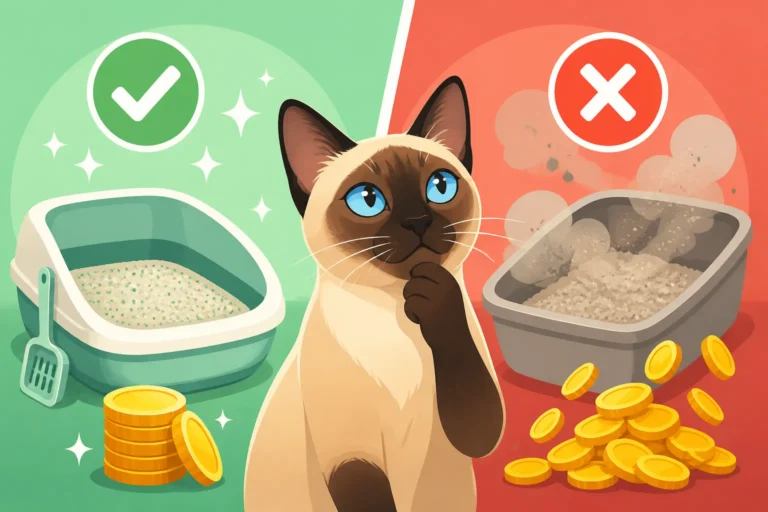
While Siamese cats are generally clean animals, inappropriate urination or defecation outside the litter box is a common reason for surrender. This is almost always a sign that something is wrong, whether it's a medical issue (like a urinary tract infection), stress, or a problem with the litter box itself (location, type of litter, cleanliness).
A Siamese cat, being particularly sensitive, might develop litter box aversion due to even subtle changes. A new brand of litter, a dirty box, a scary location, or even competition with another pet can lead them to find alternative spots. For owners, dealing with constant cleaning and the smell of cat urine can be incredibly disheartening and often pushes them to their limit, especially if they don't consult a vet to rule out medical causes first.
Pica and Wool Sucking
Pica, the consumption of non-food items, is a well-known behavioral trait in Siamese cats and related breeds. Often manifesting as "wool sucking," where the cat compulsively sucks on or even ingests fabric items like blankets, sweaters, or even carpet, it can be a deeply ingrained habit. Why a Siamese Cat Sucks Wool explores the possible genetic and behavioral reasons for this.
While seemingly harmless, ingesting fabric can lead to serious health consequences, including intestinal blockages that require expensive emergency surgery. Owners might find their clothes, blankets, and other textiles constantly ruined, and the worry about their cat's health can be immense. Trying to “cat-proof” a home from a determined wool-sucker can feel like an impossible task, and for some, the risk and constant vigilance become too much to handle. Providing specific chew toys or high-fiber diets (with vet consultation) might help, but it's not always a guaranteed fix.
Conclusion
The reasons owners give up a Siamese cat are varied and often complex, but they almost always boil down to a mismatch between the cat's intense needs and the owner's expectations or capacity. These cats are not simply decorative pets; they are intelligent, highly social, and demanding companions who thrive on interaction, mental stimulation, and a stable environment. Understanding these characteristics before bringing a Siamese into your home is crucial. By being prepared for their vocal nature, their need for attention, potential health challenges, and unique behavioral quirks, prospective owners can ensure they are ready to provide the loving, lifelong home these magnificent cats deserve. When you commit to a Siamese, you're not just getting a pet; you're gaining a family member who will enrich your life in countless ways, provided you meet them where they are.
| Reason for Surrender | Preventative Measure |
|---|---|
| Vocalizations | Research the breed's vocal tendencies; consider if a loud cat fits your lifestyle; understand it's communication, not defiance. |
| High Attention Needs | Ensure you have ample time for daily interaction, playtime, and cuddling; consider a second compatible cat if you work long hours. |
| Health Costs | Research breed-specific health issues; budget for potential vet bills; invest in pet insurance (e.g., Healthy Paws) early in the cat's life. |
| Boredom/Destructive Behavior | Provide abundant enrichment: tall cat trees, puzzle feeders (e.g., from Chewy), interactive toys, regular play sessions. |
| Lifestyle Changes | Carefully consider future life changes (moves, new family members) and how they might impact your ability to care for a demanding cat. |
| Litter Box Issues | Consult a vet for any changes; ensure multiple clean litter boxes in safe, accessible locations; experiment with different litters. |
| Pica/Wool Sucking | Cat-proof your home; provide safe chew alternatives; consult a vet for dietary or behavioral interventions; consider high-fiber foods. |
| Compatibility with Others | Research How a Siamese Cat Gets On With a Dog or other pets; ensure proper introductions and supervision with children. |
Disclaimer
This article is for general informational purposes only and does not constitute professional advice. Laws, prices and regulations vary by location and change over time. Consult a qualified professional for guidance on your specific situation.