Which Siamese Cat Bill Nobody Warns You About
Bringing home a stunning Siamese cat often feels like fulfilling a dream. You envision a regal companion, a talkative friend, and a graceful presence in your home. What many new (and even experienced) owners don't always anticipate, however, is the unique set of financial surprises that can come along with these magnificent felines. Beyond the initial purchase price and routine care, there are specific "Siamese Cat bills" that often catch people off guard, stemming directly from their breed-specific health predispositions and deeply ingrained personality traits. This guide aims to pull back the curtain on those less-talked-about expenses, so you can be truly prepared for the wonderful, if sometimes costly, journey of Siamese ownership.
The Unforeseen Health Realities and Their Financial Impact
Siamese cats are, by and large, a healthy breed, often living into their late teens or even early twenties. But like many purebreds, they come with a genetic roadmap that can sometimes lead to unexpected detours on the health front. It’s not about them being unhealthy, per se, but rather about having specific vulnerabilities that can become very expensive to manage.
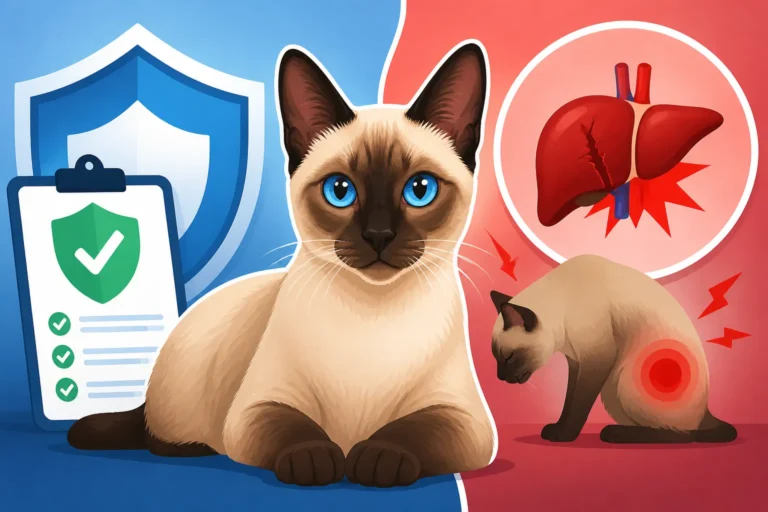
One of the most heartbreaking and financially draining conditions is amyloidosis. This isn't just a simple illness; it's a systemic disorder where an abnormal protein, amyloid, gets deposited in organs, most commonly the liver in Siamese cats. While Why Amyloid Builds Up in a Siamese Cat's Liver is complex, the practical reality for an owner can be devastating. You might have a perfectly healthy-looking cat one day, and the next, they're rushed to the emergency vet with a ruptured liver. The suddenness of it is a huge part of the shock. Imagine the immediate veterinary bills for emergency stabilization, potential blood transfusions, and intense critical care. Even if your cat is stabilized, the long-term management of chronic liver issues or kidney involvement (another target organ for amyloidosis) can mean a lifetime of specialized diets, frequent vet visits, and expensive medications. How Long a Siamese Cat Lives After an Amyloidosis Diagnosis often depends heavily on the severity and location of the amyloid deposits, and the financial commitment to prolonging their life can be substantial.
Then there's the concern for Progressive Retinal Atrophy (PRA). This is a degenerative eye disease that ultimately leads to blindness. While What PRA Does to a Siamese Cat's Sight is gradual, starting with night blindness, it’s still a condition that requires diagnostic tests, regular monitoring, and sometimes adaptations to your home. The initial eye exams by a veterinary ophthalmologist can be costly, and while there’s no cure, understanding the progression is key. You might find yourself investing in things like special lighting or even training your cat to navigate a home environment that's slowly becoming unfamiliar. The emotional cost is immense, but the financial cost of specialized vet visits and adaptations for a blind cat is also very real. The Age a Siamese Cat With PRA Goes Blind can vary, but managing their comfort and safety throughout this process is crucial.
Siamese cats are also known for their propensity for dental disease. It’s not just bad breath; it's painful gingivitis, periodontal disease, and sometimes even tooth resorption. Why a Siamese Cat Loses Teeth Young is often genetic, making them more susceptible. These aren't minor issues that can be ignored. A routine dental cleaning under anesthesia is already a significant bill, but a Siamese might need multiple cleanings throughout their life, often requiring extractions. Each extraction adds to the cost, and if they develop advanced periodontal disease, the ongoing management can be a constant drain. You might find yourself budgeting for yearly or even bi-annual dental appointments, specialized dental chews, or prescription dental diets.
And let's not forget asthma. How Common Asthma Is in Siamese Cats is higher than in many other breeds. An asthma attack can be terrifying and requires an immediate trip to the emergency vet, which means after-hours fees and potentially oxygen therapy. Once diagnosed, managing feline asthma often involves daily inhalers, spacers, and regular check-ups to adjust medication. These specialized medications and delivery devices, though vital for their quality of life, add up over years. You'll be familiar with the sound of a Siamese cat cough, but distinguishing it from a hairball can sometimes require X-rays, adding another layer of expense. Budgeting for a Siamese Cat's Asthma Inhaler is a critical step for many owners.
Considering these possibilities, pet insurance becomes less of a luxury and more of a practical necessity for Siamese owners. Brands like Healthy Paws can offer a safety net, helping to cushion the blow of these unexpected and often substantial veterinary bills. It's a proactive measure against the "bill nobody warns you about" when you're caught in a health crisis.
The Price Tag of That Unique Siamese Personality
If you've ever lived with a Siamese, you know they're not just cats; they're personalities with paws. Their intense intelligence, vocal nature, and deep emotional bonds are part of their charm, but these very traits can also lead to unique and sometimes expensive behavioral challenges.
The infamous "Meezer Yowl" is legendary. While What a Siamese Cat's Yowl Means can range from a demanding greeting to a cry for attention, sometimes excessive vocalization can signal an underlying problem. If your Siamese suddenly becomes more vocal than usual, your first stop is the vet to rule out pain or illness. These diagnostic visits, even if they come back clear, still carry a cost. If the vocalization is purely behavioral, stemming from boredom or a need for more interaction, you might find yourself investing in expensive interactive toys, puzzle feeders, or even considering a second cat to keep them company. How to Train a Siamese Cat to Meow Less often involves consistent positive reinforcement and ensuring all their needs are met, which can include investing in professional behavioral consultation if the problem persists. These experts aren't cheap, but they can be invaluable in maintaining peace in your home.
One of the most peculiar and potentially costly behavioral traits is wool sucking, a form of pica. This isn't just cute nibbling; it's a compulsive behavior where Siamese cats suck, chew, and sometimes ingest fabric like wool blankets, sweaters, or even carpet. Why a Siamese Cat Sucks and Chews Wool is often genetic, but it can be exacerbated by stress or early weaning. The real financial danger comes when they swallow what they chew. This can lead to intestinal blockages, which are serious, life-threatening emergencies requiring immediate and often very expensive surgery. Imagine the stress of an emergency vet visit, diagnostics like X-rays and ultrasounds, and then the thousands of dollars for abdominal surgery. Preventing wool sucking involves cat-proofing your home, buying specialized chew toys (often found on sites like Chewy that offer a wide variety of enrichment items), and sometimes even consulting with your vet about anti-anxiety medications or behavioral modification. The cost of replacing damaged blankets, sweaters, and furniture can also add up over time.
Siamese cats are also incredibly social and prone to separation anxiety. They bond fiercely with their humans, and if left alone for too long or without sufficient enrichment, they can become stressed. This stress can manifest in destructive behaviors, like scratching furniture, urinating outside the litter box, or even over-grooming to the point of baldness (psychogenic alopecia). Dealing with these issues means vet visits to rule out medical causes, followed by implementing behavioral strategies. This could mean investing in durable cat trees that can withstand their intense energy, plenty of interactive toys, or even hiring a cat sitter if you travel frequently. If you're considering a companion for your Siamese, that's another mouth to feed, another vet bill, and potentially another set of behavioral needs. While Whether a Siamese Cat Needs a Companion Cat is a personal decision, it's often a consideration for owners whose cats struggle with being alone. High-quality food tailored to your cat's specific needs can also play a role in their overall well-being and stress management.
| Unexpected Siamese Cat Bill Category | Common Causes | Typical Actions/Costs Involved |
|---|---|---|
| Emergency Vet Care | Liver rupture (amyloidosis), severe asthma attack, intestinal blockage (pica) | Emergency stabilization, blood transfusions, oxygen, intensive care, diagnostics (X-rays, ultrasound), surgery |
| Chronic Disease Management | Amyloidosis (kidney/liver), PRA (blindness), asthma, dental disease | Regular specialist vet visits, prescription medications, specialized diets, dental cleanings, extractions, home adaptations |
| Behavioral Interventions | Excessive vocalization, separation anxiety, psychogenic alopecia, severe pica | Behavioral consultations, anxiety medications, pheromone diffusers, durable enrichment toys, cat-proofing supplies, potential companion animal care |
| Property Damage | Wool sucking, destructive scratching (boredom/anxiety) | Replacing blankets, clothing, furniture, carpets; purchasing extra scratch posts/pads |
| Enhanced Daily Care | High energy/intelligence, potential for specific dietary needs | Premium food, puzzle feeders, variety of engaging toys, robust cat furniture, potential pet sitting services |
Navigating the Golden Years: Senior Siamese Care Costs
Siamese cats boast impressive longevity, often living 15 to 20 years, or even more. While The Fifteen to Twenty Years a Siamese Cat Gets is a testament to their hardiness, those later years, much like with humans, come with their own set of age-related challenges and, predictably, increased costs. This isn't a bill unique to Siamese cats, but their tendency to live longer means you'll likely face these senior care expenses for a significant period.
As your Siamese gracefully ages, their body will naturally start to show wear and tear. Kidney disease is a very common ailment in older cats, and Siamese are no exception. Diagnosing it early and managing it can involve frequent blood and urine tests, specialized prescription kidney diets, and medications to support kidney function. These diets, which you might find on Chewy or at your vet's office, are often more expensive than regular cat food. Similarly, hyperthyroidism is another common condition in senior cats that requires ongoing medication or more invasive, costly treatments like radioactive iodine therapy. Regular monitoring of thyroid levels alone adds up. Kidney Disease in an Older Siamese Cat and Hyperthyroidism in an Older Siamese Cat are conditions that can be managed, but they demand consistent veterinary attention and a financial commitment.
Arthritis and other joint issues can also become prevalent. While a Siamese may remain spry well into old age, you might notice them slowing down, struggling to jump as high, or becoming stiff. Pain management often involves daily supplements, anti-inflammatory medications, or even alternative therapies like acupuncture. Again, these are long-term expenses that become part of your monthly budget. Adapting your home with ramps or lower litter boxes can help with comfort, but the medication costs are ongoing.
Beyond specific diseases, senior cats generally require more frequent veterinary check-ups. Instead of once a year, your vet might recommend visits every six months to catch potential issues early. These visits often include comprehensive bloodwork to monitor organ function, which is another recurring expense. What a Siamese Cat's Yearly Bloodwork Should Cover expands as they age, adding more tests to the panel. You're not just paying for preventative care anymore; you're actively managing the aging process.
And then there's the daily comfort. An older Siamese might feel the cold more due to thinner fur or a slower metabolism, meaning an investment in heated beds or cozier sleeping arrangements. They might become pickier eaters, requiring you to experiment with different, sometimes more expensive, senior-specific or highly palatable foods. If they start experiencing cognitive decline or dementia, managing their confusion or anxiety might involve vet-prescribed calming supplements or environmental adjustments. Signs of Dementia in an Old Siamese Cat can be subtle at first but become more pronounced, impacting their quality of life and your routine.
Ultimately, while the thought of these bills can be daunting, the deep bond you form with a Siamese cat makes every penny spent on their health and happiness feel like an investment in a cherished family member. Being aware of these potential financial curveballs means you can prepare, budget, and perhaps even secure pet insurance from providers like Healthy Paws, ensuring that when the unexpected happens, you're ready to give your beloved Meezer the best care possible.
Disclaimer
This article is for general informational purposes only and does not constitute professional advice. Laws, prices and regulations vary by location and change over time. Consult a qualified professional for guidance on your specific situation.