The Siamese Cat Talks and Expects an Answer
If you've ever found yourself in a staring contest with your Siamese cat, feeling as though they're trying to convey the entire history of the universe through a series of insistent yowls and chirps, you're not alone. It's a common, if often bewildering, experience that leaves many of us wondering, "What exactly do you want from me?!" This guide is dedicated to demystifying the highly vocal and incredibly communicative Siamese cat, exploring why they talk so much, what their many sounds mean, and how you can truly understand and respond to your demanding feline friend.
The Siamese Cat's Legendary Vocalizations
Ask any Siamese cat owner, or anyone who has ever shared a wall with one, and they will tell you: these cats talk. It's not just a cute little meow now and then; it's a full-blown dialogue, a rich tapestry of sounds designed to get your attention and keep it. Their vocal prowess is legendary, and it's one of the defining traits that sets them apart from many other, quieter breeds.
More Than a Meow: The Meezer Yowl and Other Sounds
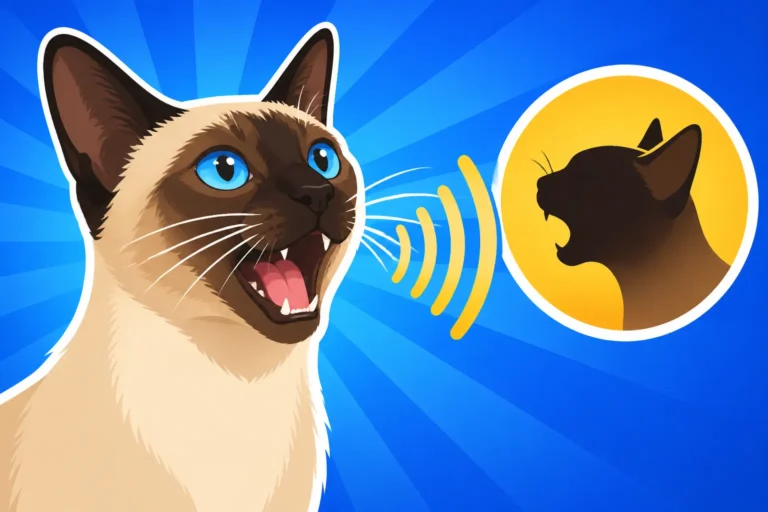
When we talk about a Siamese cat's voice, we're not just referring to a generic "meow." Oh no, it's far more complex than that. They possess an incredibly diverse vocal repertoire, ranging from soft, delicate chirps and trills to the infamous, unforgettable "Meezer Yowl." This isn't just a loud meow; it's a resonant, often drawn-out sound that can carry remarkable distances and truly make you wonder if there’s a small, distressed human child somewhere in your home. It's a sound that demands to be heard, and frankly, it usually succeeds.
These varied vocalizations are often context-dependent, which means a Siamese cat uses different sounds to convey different messages. A quick, sharp chirp might be an excited greeting, or a signal that they've spotted a dust bunny worthy of a hunt. A gentle trill, almost like a rolling purr, often indicates contentment or an invitation for affection, especially when they weave around your legs. Then there's the chatter, that rapid-fire clicking sound they make when watching birds or squirrels through a window, a clear expression of frustrated hunting instinct. But the yowl, the profound What the Siamese Cat's Meezer Yowl Sounds Like, that's usually reserved for serious business: hunger, loneliness, a perceived injustice, or a desperate plea for you to open that one specific cupboard door. Understanding these nuances is like learning a new language, one spoken entirely by a four-legged, furry dictator.
The sheer volume and intensity of a Siamese cat's voice can be startling, especially if you’re used to more demure feline companions. While some cat breeds are known for their quiet nature, the Siamese proudly bucks that trend. Their voices are often described as husky, loud, and incredibly persistent. It’s not uncommon for a Siamese to announce their presence, their opinions, and their immediate needs with such force that you might swear they have an internal megaphone. This isn't a flaw; it's a feature, and it's something that prospective owners absolutely need to be prepared for. If you crave peace and quiet, a Siamese might not be your ideal roommate.
Why They're So Vocal: A Historical and Genetic Perspective
The origins of the Siamese cat's remarkable vocal abilities are deeply rooted in their history and genetics. Hailing from Siam (modern-day Thailand), these cats were historically revered and often kept by royalty and in temples. They were selected for their distinctive appearance, intelligence, and undoubtedly, their engaging personalities—which included their vocalizations. Over generations, these traits were naturally reinforced through selective breeding, making their talkative nature a core part of their breed identity. It's not just a quirk; it's part of who they are, woven into their very DNA.
Part of this vocalization also stems from their highly intelligent and demanding nature. Siamese cats are not content to simply exist in your home; they want to be an active, involved participant in every aspect of your life. They thrive on interaction and stimulation, and when they feel they're not getting enough, or when they have a strong opinion to share, they voice it. Loudly. Think of it as their way of expressing their thoughts, needs, and desires, rather than silently suffering. They believe they have important things to say, and they expect you to listen. This isn't rudeness; it's simply how they're wired.
Furthermore, their very structure might play a role. Siamese cats are known for their sleek, muscular bodies and large ears. These large ears are not just for aesthetics; they contribute to their exceptional hearing, making them highly attuned to subtle sounds in their environment. This heightened sensory input might, in turn, contribute to their desire to respond and communicate. While there isn't a direct genetic link proven for loudness itself, the overall genetic package that makes a Siamese a Siamese—their intelligence, social drive, and physical characteristics—all contribute to their reputation as chatty companions. They’ve evolved to be heard, and they make sure they are.
Understanding the "Conversation": What Your Siamese Cat Is Really Saying
It's one thing to acknowledge that your Siamese cat talks a lot, but it's another entirely to begin to understand what they're actually trying to convey. It's easy to dismiss a persistent yowl as just "being a Siamese," but often, there's a specific message behind the noise. Learning to decode these vocalizations can significantly improve your relationship and ensure their needs are met.
Decoding the Demands: From Food to Attention
Siamese cats are masters of making their desires known, and their vocalizations are often direct demands. The most common, of course, revolves around food. A relentless, piercing meow often signals an empty bowl, even if you just filled it five minutes ago. They might lead you directly to the kitchen, making eye contact and yowling emphatically, as if to say, "The food distribution system has failed, human! Rectify it immediately!" This isn't just a request; it's an imperative. It's a common scenario that can test the patience of even the most dedicated cat owner, especially when they seem to be perpetually hungry.
Beyond food, attention is a huge driver of their vocal output. A Siamese cat will demand play, petting, or simply your presence. If you're working on your laptop, expect a series of increasingly insistent meows until you acknowledge them, perhaps with a head scratch or a quick game with a wand toy. They might jump on your desk, weave through your legs, or even paw at your face while vocalizing, trying every trick in their book to pull your focus. Why a Siamese Cat Meows So Much delves into this in more detail, but suffice to say, they consider themselves the center of your universe and expect you to concur. The context of their vocalization is crucial: are they near their food bowl? Staring intently at a closed door? Or simply following you from room to room, giving you the full "Meezer treatment" until you engage?
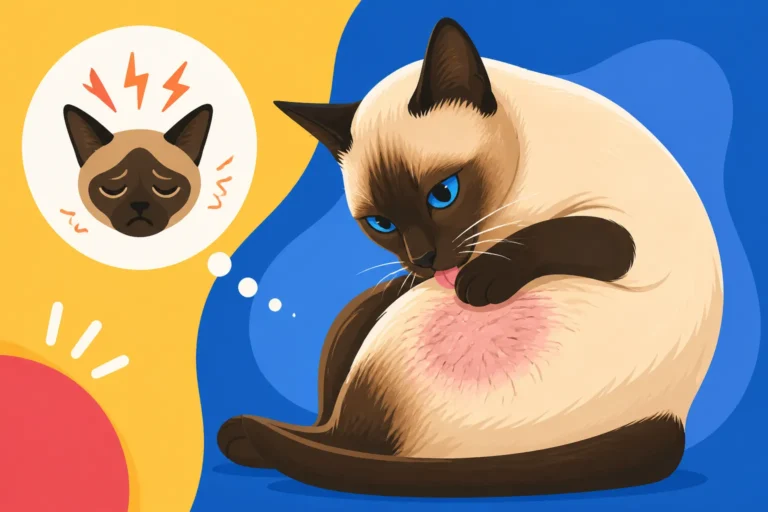
It’s also important to remember that not all demands are for positive things like food or play. Sometimes, their vocalizations can be expressions of discomfort, anxiety, or even pain. A sudden, unexplained increase in yowling, especially if it seems distressed or is accompanied by other behavioral changes, should always prompt a call to your vet. This is especially true for older cats, whose vocalizations might change significantly with age or health issues. However, in most day-to-day situations, your Siamese is likely just expressing their desire for a specific interaction or resource, and they'll keep at it until they get a satisfactory response.
The "Answer Me!" Expectation: Why They Insist on a Reply
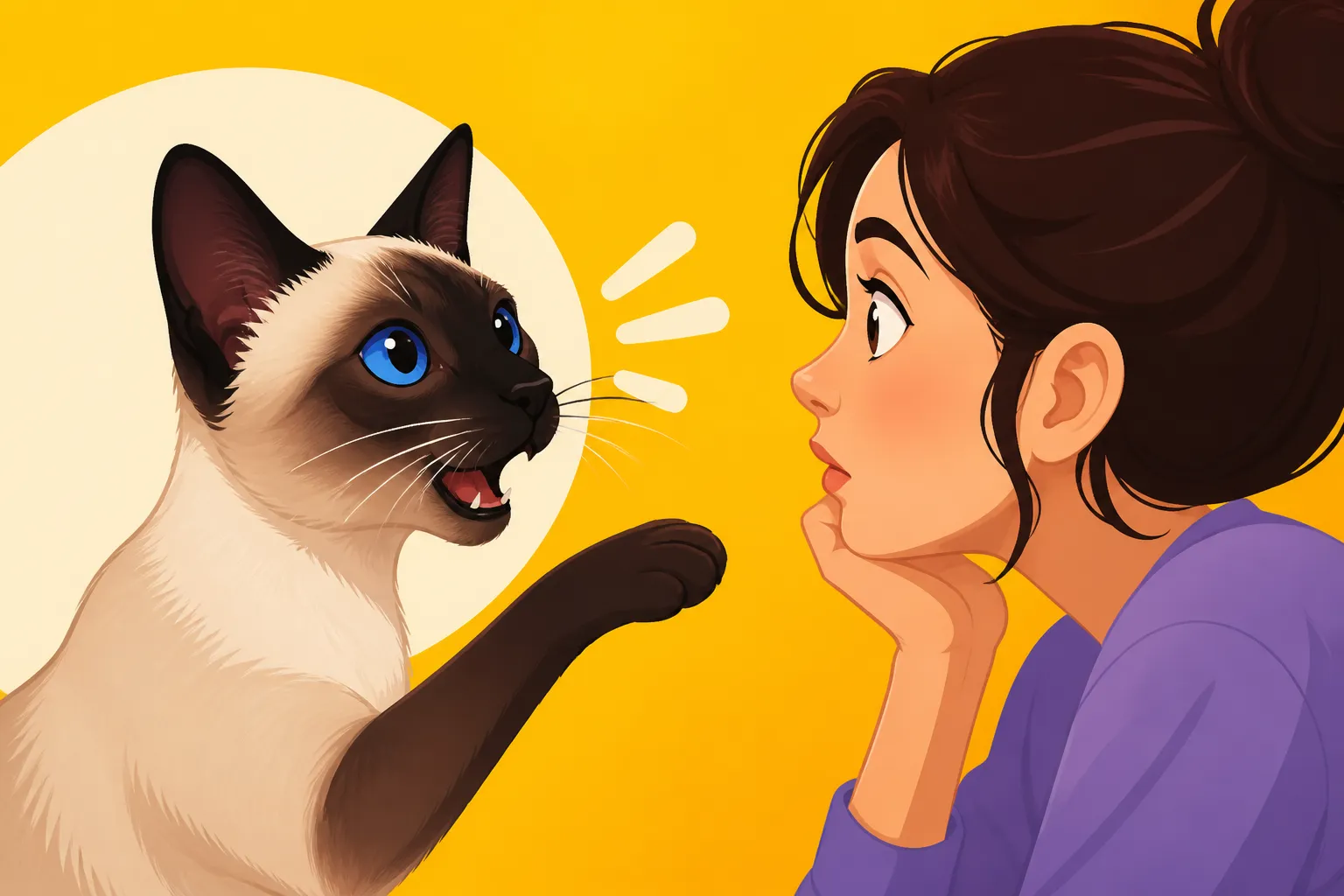
One of the most charming, yet sometimes exasperating, aspects of living with a Siamese cat is their absolute expectation that you will answer them. They don't just talk at you; they talk to you, and they anticipate a reply. This is deeply rooted in their highly social nature. Unlike some more independent breeds, Siamese cats view themselves as integral members of your "colony." They see you as a peer, a fellow sentient being with whom they can (and should) communicate. This is why you'll often find them "talking back" to you when you speak to them, seemingly engaging in a genuine conversation. Why a Siamese Cat Answers When You Talk explores this fascinating aspect of their behavior.
For a Siamese, silence from their human companion can be perceived in several ways, none of them good. It might mean you're ignoring them, which is a grave insult to their regal sensibilities. It could also suggest you don't understand them, prompting them to escalate their vocalizations, getting louder and more insistent, until you finally "get it." They don't give up easily. If you've ever tried to simply ignore a Siamese cat, you know it's a futile exercise. They will employ every tactic in their impressive arsenal—from escalating yowls to gentle, persistent head-butts and weaves—until you acknowledge their presence and respond.
Imagine this scenario: you're engrossed in a book, and your Siamese saunters in, lets out a polite but firm "mraow." If you don't respond, they'll circle, perhaps hop onto your lap, and then, with their face close to yours, let out a louder, more urgent "MRRAOW!" This escalation isn't just them being annoying; it's their way of saying, "I just spoke to you! Did you not hear me? I have something important to say, and I will be heard!" They thrive on reciprocal interaction, and for them, a quiet human is simply not living up to their conversational responsibilities.
The Art of Responding to Your Siamese Cat
Since your Siamese cat expects an answer, learning how to respond effectively is key to a harmonious household. It’s not about giving in to every demand, but about acknowledging their communication and fostering a strong, mutually respectful bond. This involves both verbal and non-verbal cues, tailored to their intelligent and social nature.
Verbal Replies: Engaging in Two-Way Communication
One of the simplest yet most powerful ways to respond to your Siamese cat is to talk back to them. Yes, it might feel a little silly at first, but for your Siamese, it’s entirely natural and deeply reassuring. When they yowl at you, try a calm, gentle "Hello, sweetie pie," or "What's up, my little chatty cat?" You don't need to engage in a lengthy philosophical debate (unless you want to!), but a simple acknowledgment can go a long way. This validates their attempt to communicate and reinforces their feeling of being heard and understood. It strengthens the social bond between you, making them feel like a cherished member of the family rather than just a pet.
Think about it: when a human talks to you, you respond, right? Your Siamese operates on a similar principle. They’re looking for that feedback loop. However, there’s a fine line between acknowledging their presence and accidentally rewarding incessant, attention-seeking meows. If your cat is yowling purely for attention, and you immediately drop everything to pet them or give them treats, you're inadvertently teaching them that loud meows get instant gratification. Instead, try to offer a verbal response first, then perhaps wait for a brief moment of quiet before offering a pet or a toy. This helps to How to Train a Siamese Cat to Meow Less by encouraging them to communicate more appropriately. The goal is to show them that you hear them, but that calm communication is more effective than a constant racket.
You'll often find that your Siamese will adjust their vocalizations to match yours. If you use a soft, melodic tone, they might respond with softer trills. If you get excited, they might become more animated in their sounds. It's a fascinating dance of communication, and the more you engage, the more sophisticated their "language" can become. Remember, they are incredibly intelligent and observant; they pick up on your tone, your body language, and your routines. Consistent, positive verbal engagement builds trust and strengthens your unique conversational connection.
Non-Verbal Cues: Body Language and Physical Interaction
Beyond words, your body language and physical interaction are incredibly important in communicating with your Siamese cat. Cats, in general, are masters of non-verbal communication, and Siamese cats are particularly attuned to human cues. One classic feline communication technique is the slow blink. If your Siamese is staring at you, slowly close and open your eyes. If they return the slow blink, it’s a sign of trust and affection, a non-verbal "I love you." This small gesture can speak volumes to your sensitive companion.
Physical interaction, when initiated appropriately, is also crucial. Gentle touches, head scratches, and belly rubs (if they permit them) are all ways to show affection and acknowledge their presence. A Siamese cat thrives on physical contact and often seeks it out, whether by rubbing against your legs, jumping onto your lap, or even nudging your hand with their head. Responding to these overtures with calm, appreciative touches deepens your bond. It's about being present and available, even if it's just for a few moments of shared quiet time. However, it's also important to respect their boundaries. Learn to recognize when they've had enough petting and want to be left alone, preventing overstimulation.
Finally, your physical presence itself can be a powerful non-verbal cue. Simply being in the same room, acknowledging them with an occasional glance, or making sure they have access to their favorite spots near you (like a cozy bed on your desk or a cat tree by the window) communicates that they are part of your world. A Siamese Cat Will Not Be Ignored, and while they certainly appreciate direct attention, they also value simply being near you. It’s a delicate balance: you want to engage and make them feel loved, but also avoid reinforcing needy behaviors. A quick pet as you walk by, or a brief moment of eye contact and a soft word, can often be enough to satisfy their need for acknowledgment without triggering a full-blown demand for undivided attention.
Managing Excessive Vocalization (When It's Too Much!)
While a talkative Siamese can be endearing, there are times when their vocalizations cross the line from charming to overwhelming. Constant yowling, especially at inconvenient hours or with an air of desperation, can be a sign that something is amiss. Learning to identify the cause and implementing strategies to manage it is vital for both your sanity and your cat’s well-being.
Identifying the Root Cause of Constant Yowling
Not all loud vocalizations are created equal. It's essential to distinguish between your Siamese cat's normal, albeit robust, chattiness and genuinely problematic, incessant yowling. If your usually talkative cat suddenly becomes much louder, more frequent in their yowls, or starts vocalizing in ways that seem distressed or unusual, it’s a red flag. One of the primary concerns is always underlying medical issues. Cats are masters at hiding pain and discomfort, but increased vocalization can be a clear indicator that something is physically wrong. Dental pain, thyroid problems, kidney disease, arthritis, or even a simple urinary tract infection can all manifest as increased yowling. When a Siamese Cat's Meowing Means Pain highlights the critical need for vigilance.
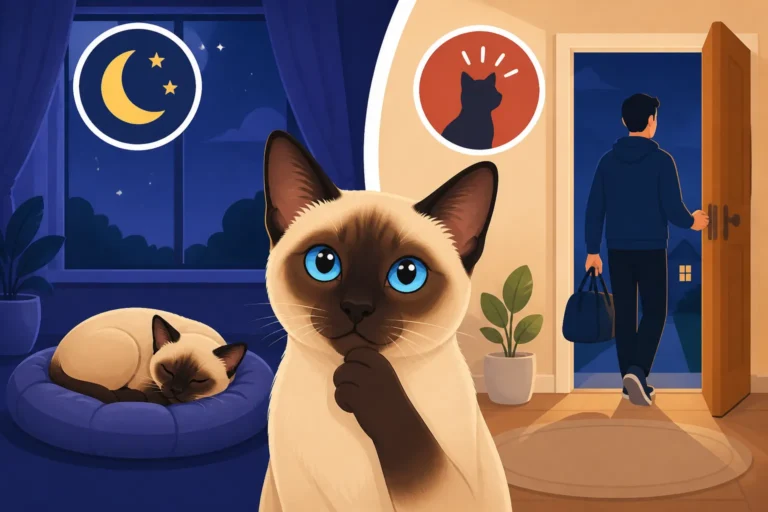
Beyond health, boredom is a massive culprit for Siamese cats. These are highly intelligent and energetic creatures who crave mental and physical stimulation. If they’re not getting enough play, interaction, or enrichment, they will often resort to yowling as a way to express their frustration and demand entertainment. It's their way of saying, "I'm bored, human! Do something!" Similarly, anxiety can trigger excessive vocalization. Separation anxiety is particularly common in highly social breeds like the Siamese, leading to distress calls when left alone. What Separation Anxiety Looks Like in a Siamese Cat provides a deeper look into this issue. Environmental changes, new pets, new people, or even changes in your routine can all induce anxiety, which they then express through their voice.
Lastly, cognitive dysfunction, akin to dementia in humans, can affect older Siamese cats. They might become disoriented, especially at night, and vocalize loudly due to confusion or fear. Why an Old Siamese Cat Yowls More touches on this. It’s crucial to observe the context of the yowling: when does it happen? What triggers it? Are there other behavioral changes accompanying it? Keeping a log can be helpful before consulting your veterinarian, as they will need as much detail as possible to rule out medical issues first. A vet visit is always the first step for any sudden, unexplained increase in vocalization, as early detection of health problems can make a world of difference.
Strategies for Encouraging Quieter Moments
Once medical issues have been ruled out, you can begin to implement behavioral strategies to encourage quieter moments. Addressing boredom is paramount for an intelligent breed like the Siamese. Ensure your cat has plenty of opportunities for mental and physical stimulation throughout the day. This means dedicated play sessions with interactive toys—think wand toys that simulate hunting, or laser pointers (used responsibly to avoid frustration). Puzzle feeders, readily available on platforms like Amazon, are excellent for making mealtime a mental exercise, slowing down their eating and engaging their brains. A tall cat tree near a window provides vital "cat TV," allowing them to observe the outside world and satisfy their innate curiosity.
For cats experiencing separation anxiety, building a routine and providing comforting elements can help. Leave on a radio or TV for background noise. Provide a comfortable, scent-rich bed that smells like you. Short, positive departures and returns can gradually desensitize them to your absence. Never make a big fuss when you leave or return, as this can heighten their anxiety. Some owners find pheromone diffusers helpful, creating a calming atmosphere that can reduce stress-related vocalizations. Consistent positive reinforcement for calm behavior, rather than loud demands, is also crucial.
You can also attempt to teach a "quiet" cue. When your cat is vocalizing, wait for a momentary lull, even a second of silence, and then reward them with a small treat or a gentle pet. Pair this with a soft "Quiet" or "Shhh" command. Over time, they may associate the word with the desired behavior. Remember, patience and consistency are key. It’s a gradual process, and there will be setbacks. But with dedication, you can help your How to Quiet a Siamese Cat and find a happy medium where their communication is less overwhelming for everyone.
Living with a Talkative Companion: Pros and Cons
Embracing a Siamese cat into your life means accepting their vocal nature as a fundamental part of their charm. It’s a package deal! While their chattiness comes with undeniable benefits, it also presents unique challenges that prospective and current owners should be fully aware of.
The Joys of a Conversational Cat
For those who love interaction and a lively home, a talkative Siamese cat is an absolute delight. Their constant chatter often creates a unique, deep bond between them and their human companions. You truly feel like you're sharing your life with a personality, not just a pet. They engage you, respond to you, and involve themselves in your daily activities in a way that many other cats simply don't. This constant companionship means you're rarely alone, even if your "conversations" consist mostly of enthusiastic chirps and demanding yowls. It's a connection that many Siamese owners cherish above all else.
The entertainment value of a Siamese cat is unparalleled. Their antics, combined with their expressive vocalizations, can bring endless laughter into a home. They have a knack for turning ordinary situations into comedic gold, whether it’s their dramatic proclamations about an empty food bowl or their urgent discussions with a housefly. Their intelligence shines through in their attempts to communicate, and many owners find great joy in trying to decode their feline friend's every utterance. It’s like having a witty, albeit bossy, companion who keeps you on your toes and ensures there's never a dull moment.
Ultimately, their vocalizations are often a profound sign of affection and trust. A Siamese cat that talks to you frequently is a cat that feels comfortable, secure, and deeply connected to you. They are expressing their feelings, their needs, and their love in the most direct way they know how. It's their way of saying, "I'm here, I love you, and I want to be involved with everything you do!" For many, this constant vocal reassurance, despite its volume, is one of the most endearing and fulfilling aspects of sharing their lives with this incredible breed.
The Challenges: Noise and Demands
However, the flip side of this constant chatter can be genuinely challenging. The sheer volume and persistence of a Siamese cat’s vocalizations can lead to significant frustration, especially if you're sensitive to noise or live in an environment where quiet is paramount. Imagine trying to work from home, conduct a phone call, or simply relax with a book, only to be punctuated by a continuous stream of meows, chirps, and the occasional full-blown Meezer Yowl. It can be incredibly disruptive and emotionally draining. How Often a Siamese Cat Meows at Night can be a particular problem, as their nocturnal vocalizations can seriously impact your sleep.
The impact of this noise extends beyond your immediate household. If you live in an apartment building or a close-knit community, your neighbors might not appreciate your Siamese cat’s operatic performances. Whether Neighbors Hear a Siamese Cat is a very real concern for many owners, leading to stress about potential complaints. It’s a factor that absolutely needs to be considered before bringing a Siamese into such an environment. The demanding nature of their vocalizations also means a constant need for attention. While this is wonderful for some, it can be overwhelming for others, particularly those with busy schedules or a preference for more independent pets. They truly will not be ignored, and they have no concept of personal space or "quiet time."
This constant demand for interaction can lead to feelings of guilt if you can't always respond, or resentment if you feel perpetually "managed" by your cat. It requires a specific type of owner who can embrace the energy and vocal nature, and who understands that setting boundaries is just as important as showering them with love. If you're looking for a quiet, aloof companion, the Siamese cat is, quite frankly, the antithesis of that. Their challenges are as significant as their joys, and it's important to weigh both carefully before committing to this unique and wonderful breed.
Siamese Cats in Specific Social Settings
The intense vocalizations of a Siamese cat aren't just an internal household matter; they can significantly impact their integration into various social settings. From apartment living to multi-pet homes, understanding how their voice plays a role is crucial for their well-being and the peace of those around them.
Siamese Cats in Apartments or Multi-Pet Homes
Living in an apartment with a Siamese cat can present a unique set of challenges, primarily due to their formidable vocal chords. While many cats are suitable for apartment living, the Siamese's tendency to yowl loudly and frequently means that Whether a Siamese Cat Suits an Apartment Building really depends on your specific apartment's sound insulation and your neighbors' tolerance levels. A "Meezer Yowl" can easily carry through walls and floors, potentially leading to complaints from neighbors who might not appreciate the constant serenades, especially during quiet hours. It's not uncommon for concerned neighbors to mistakenly believe an animal is in distress, when in reality, your Siamese is just passionately advocating for more chin scratches.
If you're in an apartment, consider investing in some basic soundproofing measures, such as heavy curtains, rugs, or even sound-dampening panels for shared walls. Providing plenty of vertical space (like cat trees from Amazon) and interactive toys can also help redirect some of their energy and reduce anxiety-driven vocalizations. In a multi-pet home, the vocal dynamic can be even more complex. A Siamese cat will often "talk" to other pets, whether it's a dog, another cat, or even a bird. They might vocalize to initiate play, express dominance, or simply announce their presence. Whether Two Siamese Cats Are Louder is a common concern, and the answer is often a resounding yes! Two Siamese cats can create an impressive symphony of meows, yowls, and chirps, constantly communicating with each other and with their humans.
It's essential to ensure that other pets in the household are not unduly stressed by the Siamese's vocalizations. While some dogs or other cats might simply ignore it, others could find it irritating or even intimidating. Carefully observe interactions and intervene if necessary to maintain harmony. Providing separate spaces for quiet time and ensuring each pet receives individual attention can help mitigate potential conflicts arising from the Siamese's vocal dominance.
Introducing Your Siamese Cat to New People or Environments
The highly vocal nature of a Siamese cat also means they'll likely express their feelings quite openly when introduced to new people or placed in new environments. When guests arrive, your Siamese might greet them with a series of inquisitive chirps and meows, acting as the resident welcoming committee. They might even engage in direct "conversation" with your visitors, which can be charming for cat-lovers but startling for others. However, if they feel threatened or anxious, their vocalizations can shift to more distressed yowls, indicating their discomfort.
During stressful events like vet visits, their vocalizations can become particularly pronounced. Many Siamese cats will protest the car ride, the carrier, and the examination with a full repertoire of loud, mournful yowls. How a Siamese Cat Behaves at the Vet is often marked by their strong opinions being voiced for all to hear! While this can be embarrassing for owners, it's their way of coping with stress and communicating their displeasure. It's important for owners to remain calm and reassuring, providing a comforting presence. Similarly, when traveling, Whether a Siamese Cat Travels Well often depends on their individual personality and how accustomed they are to it, but expect some vocal protest, especially during the journey. Using calming sprays or pheromone wipes in their carrier can sometimes help reduce the volume of their complaints.
When moving to a new home, a Siamese cat will likely vocalize extensively as they explore and acclimate. They'll call out, testing the acoustics of the new space and searching for familiar scents and sounds. Patience is key during these transitions. Provide a safe, quiet "base camp" room with their food, water, and litter box, and allow them to explore at their own pace. Their vocalizations during these times are not just noise; they are a vital part of their processing and expressing their experiences, serving as an emotional barometer for their well-being in changing circumstances.
The Lifelong Dialogue: Vocalizations Through the Ages
A Siamese cat’s vocal journey begins in kittenhood and evolves throughout their lives. Understanding these shifts can help you better appreciate their communication and identify when changes might signal something more profound.
Kittenhood Chatter to Adult Conversations
Just like human babies, Siamese kittens begin life with a range of sounds designed to get attention from their mother. These early chirps and tiny meows are essential for communication within the litter and with their mama cat. As they grow, these infant vocalizations gradually develop into the more sophisticated and diverse "language" of the adult Siamese cat. You'll notice their little kitten squeaks deepen and gain more resonance, eventually blossoming into the robust, sometimes startling, voice they're famous for. This developmental stage is fascinating to observe, as they start experimenting with different tones and volumes, learning which sounds elicit the desired response from their human caregivers.
By the time a Siamese cat reaches adulthood, typically around one year of age, their full vocal range is generally established. This includes the distinctive How a Siamese Cat's Voice Deepens With Age, becoming more resonant and powerful. They’ll have mastered the art of the demand yowl, the affectionate trill, and the frustrated chatter. Each sound will be deployed strategically to convey their needs and feelings. It's a journey from instinctual cries to a nuanced, intelligent form of communication, reflecting their growth not just physically, but mentally and emotionally. As an owner, you become accustomed to these sounds, often developing an intuitive understanding of what each specific yowl or chirp means within the context of your daily life together.
Senior Siamese: Changes in Vocal Patterns
As a Siamese cat enters their senior years, typically around 10-12 years old, you might notice subtle or even significant changes in their vocal patterns. This can be a challenging time for owners, as it often requires a deeper level of empathy and understanding to interpret their aging companion's needs. One common change is an increase in vocalization. Why an Old Siamese Cat Yowls More is a well-documented phenomenon, often stemming from cognitive dysfunction syndrome (CDS), a form of feline dementia. Senior cats with CDS can become disoriented, especially during the night, leading to loud, mournful yowls born of confusion or anxiety. They might also vocalize more if their vision or hearing starts to decline, using their voice to navigate their world or locate their humans.
Conversely, some senior Siamese cats might become less vocal. This could be due to general lethargy, decreased energy levels, or simply a greater sense of contentment and less need for demanding interaction. It’s also important to consider health issues. Older cats are more prone to conditions like arthritis or other sources of chronic pain, which might make them quieter as they conserve energy, or, conversely, cause them to vocalize more if the pain is acute. Deafness in an Aging Siamese Cat can also impact their vocalizations; a deaf cat might yowl louder because they cannot hear their own voice, or they might become quieter if they lose the auditory feedback loop that encourages vocal communication.
Monitoring these changes and discussing them with your veterinarian is crucial. Any significant shift in vocalization, whether an increase or decrease, warrants a check-up to rule out underlying medical conditions. If CDS is suspected, your vet might suggest dietary changes, supplements, or environmental modifications to help manage the symptoms. Caring for a senior Siamese often means tuning into their subtle cues more closely and being patient with their changing communication styles, always striving to ensure their comfort and peace of mind in their golden years.
Common Siamese Cat Vocalizations and Their Meanings
Understanding the common sounds your Siamese cat makes can help you respond more effectively and deepen your bond. Here's a quick guide to some of their most frequent vocalizations:
| Vocalization | Description | Likely Meaning |
|---|---|---|
| Meezer Yowl | A loud, drawn-out, often deep and resonant cry. | Demand for food, attention, playtime; expressing loneliness, frustration, or distress. |
| Meow | A standard cat sound, but often louder and more frequent. | Greeting, request for interaction, general communication. |
| Chirp | A short, bird-like sound, often high-pitched. | Greeting, playful invitation, excitement (e.g., spotting a bird). |
| Trill | A soft, rolling purr-like sound often used when close. | Affection, contentment, welcoming you, inviting you to follow. |
| Chatter | Rapid, teeth-chattering sound. | Frustration at prey they can't reach (e.g., bird outside window). |
| Purr | A continuous, vibrating rumble from their chest. | Contentment, relaxation, comfort (though sometimes also stress or pain). |
| Growl/Hiss | Low guttural rumble or sharp, expelling breath. | Warning, fear, aggression (rare in friendly interactions). |
| Scream/Caterwaul | Extremely loud, piercing, often unearthly cry. | Intense pain, fear, territorial dispute, mating call. |
This table provides a general overview, but remember that context is always king. Observe your cat's body language, the situation, and your cat's usual personality to accurately interpret their vocal messages.
Disclaimer
This article is for general informational purposes only and does not constitute professional advice. Laws, prices and regulations vary by location and change over time. Consult a qualified professional for guidance on your specific situation.