Which Companion Suits a Siamese Cat
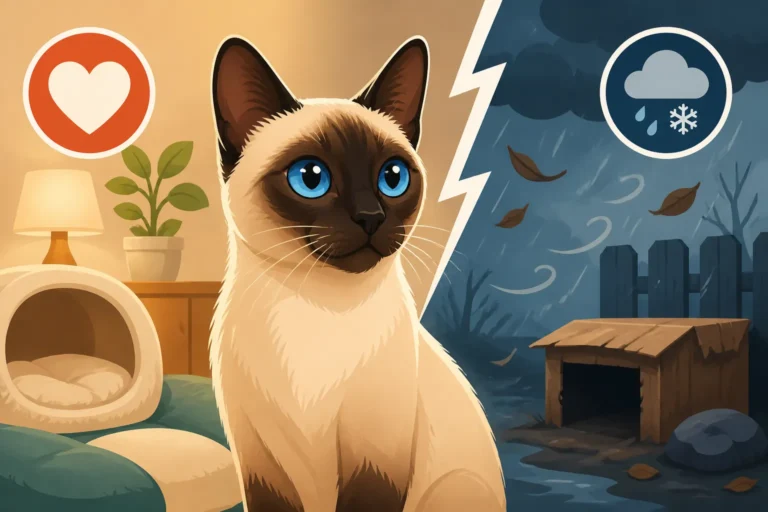
One of the biggest heartaches for a Siamese cat owner is seeing their beloved companion stressed or lonely, especially if they have to spend long hours away from home. These incredibly social and intelligent felines thrive on interaction, and when that connection is missing, it can manifest in everything from excessive vocalization to destructive behaviors. This guide will explore exactly what kind of companion truly suits a Siamese cat, helping you find the perfect match to ensure their lifelong happiness and well-being.
Understanding the Siamese Cat's Deep Need for Connection
Siamese cats aren't just pets; they're family members who demand and thrive on constant engagement. Their lineage speaks to a history of close bonds, and their personalities reflect a profound social need that can be misunderstood by those accustomed to more independent feline breeds. Without proper companionship, a Siamese can quickly become bored, anxious, and even unwell.
The Inherent Sociability of the Siamese Breed
Unlike some cats that might tolerate solitude with a shrug, a Siamese cat sees an empty house as a personal affront. They are famously known for their "Meezer Yowl" and their persistent attempts to communicate their needs and desires. This isn't just a quirky trait; it's a fundamental part of their being, rooted in a desire for connection that few other breeds possess. They form incredibly strong bonds with their human guardians, often choosing one or two favorite people to lavish their attention upon, but this singular focus can also make them intensely vulnerable to loneliness when those humans are absent.
Imagine coming home to a Siamese who has been alone all day. Instead of a calm greeting, you might be met with an insistent torrent of meows, weaving figures of eight around your legs, demanding immediate attention. This isn't just excitement; it's often a release of pent-up social energy and a plea for engagement that has been missing. They are creatures of routine and interaction, and when their social quota isn't met, they don't just sulk quietly; they vocalize their displeasure quite dramatically. We often talk about how A Siamese Cat Will Not Be Ignored, and this couldn't be truer when they're craving companionship.
Recognizing Signs of Loneliness and Stress
It's crucial for any Siamese owner to be acutely aware of the signs that their cat isn't getting enough social interaction. These intelligent and sensitive creatures often express their distress in ways that can be mistaken for naughtiness or simple boredom. One of the most common indicators is excessive vocalization, beyond their already talkative nature. A lonely Siamese might yowl mournfully when you leave, or develop a habit of incessant meowing at night, trying to elicit a response. They want to know where you are, what you're doing, and why they aren't part of it.
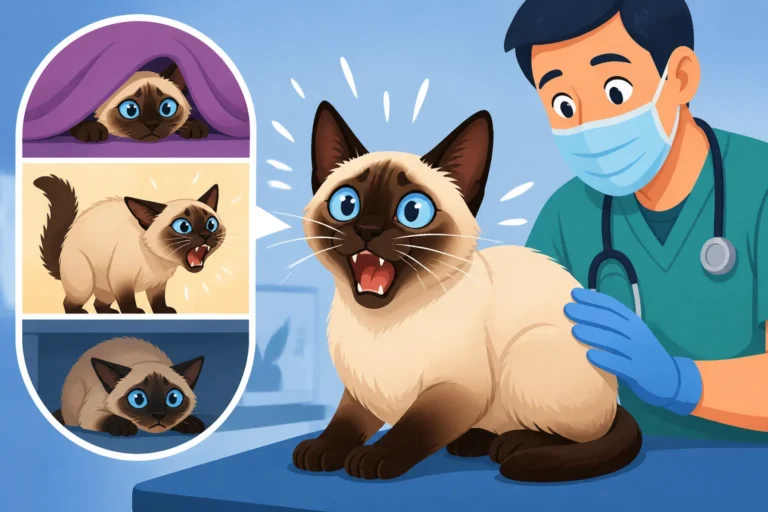
Beyond the vocal cues, you might observe changes in their behavior. A stressed Siamese might engage in destructive activities, like scratching furniture they usually ignore, or even developing inappropriate urination habits, which is a classic stress response in cats. Some Siamese cats are also prone to Psychogenic Alopecia in a Siamese Cat, where they over-groom themselves to the point of creating bald patches, a clear sign of anxiety. Then there's the notorious wool sucking, or pica, where they chew and ingest fabrics. While this has a genetic component, it can certainly be exacerbated by stress and a lack of mental and social stimulation. Understanding What Separation Anxiety Looks Like in a Siamese Cat is key to identifying when a companion might be necessary.
Considering Another Feline Companion for Your Siamese
For many Siamese owners, the most natural solution to loneliness is another cat. However, it's not as simple as just bringing any cat home. The success of a multi-cat household, especially with a Siamese, depends heavily on careful selection and even more careful introduction. The goal is to create a harmonious environment, not add to the stress.
The Benefits of a Second Siamese Cat
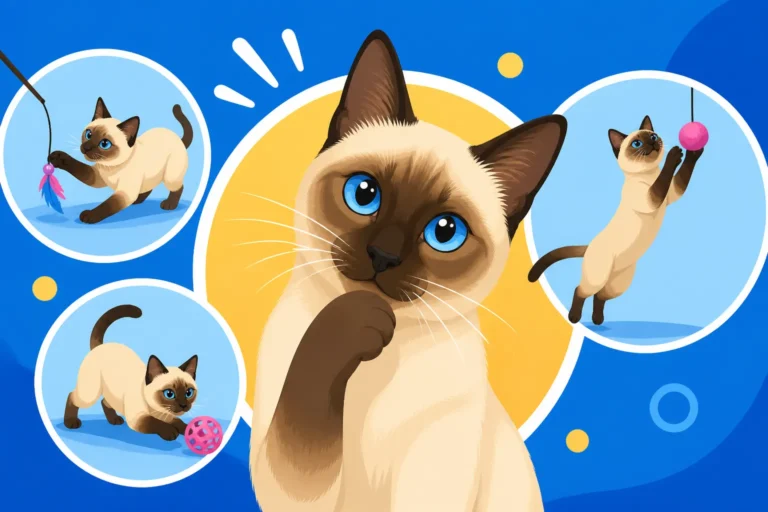
If you're looking for a companion that truly "gets" your Siamese, another Siamese cat is often the best bet. They share the same high energy levels, intense sociability, and love for robust play. A pair of Siamese cats will often entertain each other for hours, chasing, wrestling, and engaging in mock battles that might seem aggressive from other breeds but are perfectly normal for them. This shared play is not just physical exercise; it's vital mental stimulation, as they challenge each other and engage their clever minds.
Having two Siamese cats can dramatically reduce the burden on you to be their sole source of entertainment and companionship. While they will still adore and interact with you, they'll have a constant playmate for those times you're busy or away. This can significantly mitigate separation anxiety and destructive behaviors. They'll nap together, groom each other, and generally be inseparable, offering each other comfort and security. Of course, this also means you'll have double the personality, double the "meows," and possibly a slightly louder household, but many owners find the joy they bring far outweighs this. Whether Two Siamese Cats Are Louder is definitely something to prepare for!
Other Cat Breeds That Might Harmonize
While another Siamese is ideal, not everyone is ready for two such vocal and high-energy cats. If you're considering a different breed, look for cats that share some of the Siamese's key personality traits: intelligence, playfulness, and a social inclination. Breeds from the Oriental group, such as Oriental Shorthairs or Balinese, are excellent choices. They share a similar body type, vocalizations, and high intelligence, making them naturally compatible with Siamese cats. They're often described as "Siamese in a different coat" for good reason.
However, other active, playful, and confident breeds can also be good matches. A confident Abyssinian, for instance, with its zest for life and love of play, could be a wonderful companion. Even a very social and playful domestic shorthair from a rescue, carefully chosen for its temperament, could work. The key is to avoid very timid, independent, or low-energy cats who might be overwhelmed by a Siamese's intensity or simply not engage in the level of play and interaction a Siamese craves. A calm, quiet cat might find a Siamese's constant demands for attention exhausting and stressful, leading to friction rather than friendship. Knowing Which Breeds Pair Well With a Siamese Cat is crucial for a successful introduction.
Kitten or Adult Cat: Making the Right Choice
The age of your new feline companion can make a big difference in the integration process. Bringing home a kitten, particularly if your resident Siamese is still relatively young and playful, can often be a smoother transition. Kittens are generally more adaptable and less threatening to an established cat. A young Siamese might take on a parental role, grooming and teaching the kitten, and the kitten's boundless energy can provide a perfect outlet for your Siamese's play drive. However, a very old or infirm Siamese might find a rambunctious kitten overwhelming and annoying, so consider your current cat's age and health carefully.
Introducing an adult cat can be a bit more challenging, as adult cats often have established personalities and routines. However, an adult cat from a rescue organization might come with a known history of getting along with other cats, which can be a huge advantage. They might also be past the most hyperactive kitten stage, which could be appealing if your Siamese is a bit older and appreciates a calmer, but still playful, companion. The important thing is to select an adult cat whose temperament aligns with your Siamese's, perhaps one that is confident but not overly dominant, and definitely enjoys social interaction. Always ensure the new cat is healthy and fully vetted before introduction.
The Case for Canine Companionship
It might surprise some, but a well-chosen dog can actually be a fantastic companion for a Siamese cat. Their distinct personalities and play styles can complement each other beautifully, as long as the dog is a good fit and the introduction is handled with patience and care. It's not about replacing feline companionship, but expanding the social circle.
Dog Breeds That Often Get Along With Siamese Cats
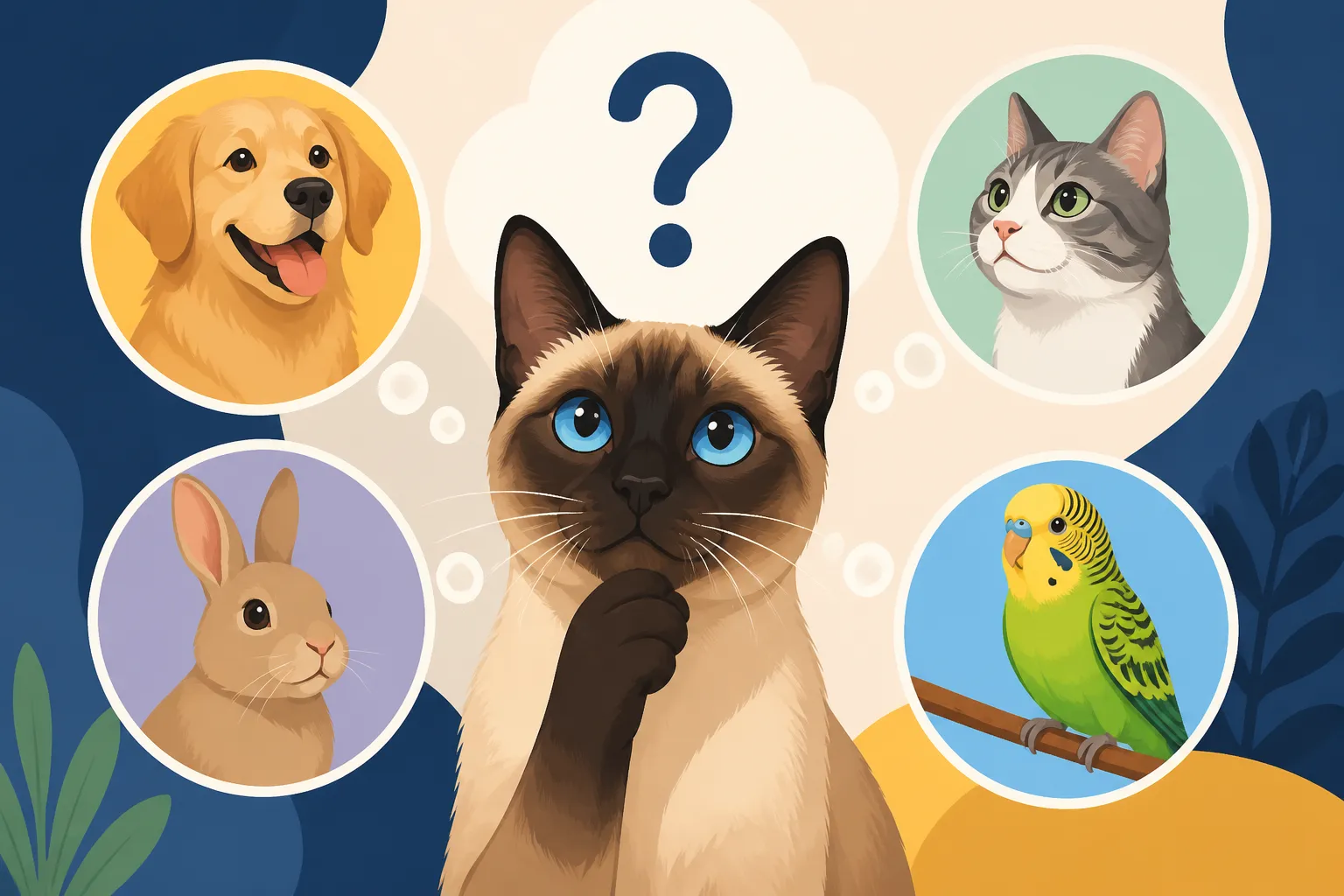
When considering a dog for your Siamese, you're looking for a canine partner that is generally calm, good-natured, and ideally, not prey-driven. Breeds known for their placid temperaments and adaptability, such as Beagles, Golden Retrievers, or even a Cavalier King Charles Spaniel, can often form strong bonds with cats. These breeds are typically less prone to chasing small animals instinctively and can be trained to respect a cat's boundaries. A dog that is too high-energy, or bred for hunting, might see the darting movements of a Siamese as an invitation to chase, which can be incredibly stressful and dangerous for the cat.
It's also important to consider the dog's individual personality. Even within a typically 'cat-friendly' breed, individual dogs can vary. A dog that has grown up with cats is often an excellent candidate, as they've already learned the rules of feline etiquette. Conversely, a dog with a history of chasing or aggression towards small animals is absolutely not suitable, no matter the breed. How a Siamese Cat Gets On With a Dog really depends on the careful selection of the dog.
Navigating Dog-Cat Introductions
Bringing a dog into a Siamese cat's territory requires a slow, supervised, and patient approach. Rushing the introduction can lead to fear, aggression, and a fractured relationship that's hard to repair. Start by allowing them to get used to each other's scent, perhaps by swapping blankets or toys. Then, controlled visual introductions, with the dog on a leash or behind a baby gate, are essential. This allows them to see each other without direct physical interaction, giving them time to acclimate.
Always provide your Siamese with plenty of escape routes and high perches where they can feel safe and observe from a distance. Never force interaction. Reward calm behavior from both animals with treats and praise. It might take weeks or even months for them to comfortably coexist, and some may never become best friends, but the goal is mutual tolerance and respect. Think about providing vertical space like tall cat trees or shelves, which can be found on sites like Amazon, to give your Siamese an advantage point and a sense of security during this delicate phase.
Beyond Cats and Dogs: Other Pets and the Human Element
While cats and dogs are the most common companions, it's worth briefly considering other types of pets, as well as the fundamental role of the human owner in providing companionship. Sometimes, we forget that we are the primary companion, and even with other pets, our interaction is irreplaceable.
When Other Animals Aren't a Good Fit
Generally, smaller prey animals like hamsters, guinea pigs, birds, or fish are not suitable companions for a Siamese cat. The Siamese is a natural hunter, and while domestic, their instincts are strong. Introducing a small rodent or bird is not only stressful for the prey animal but can also be incredibly frustrating and potentially dangerous for the Siamese, who will naturally view them as dinner rather than a friend. It's simply not fair to either animal.
Even reptiles or amphibians might not be a good fit. While not typically prey animals for a cat, they also offer no social interaction, which is what a Siamese truly craves. They are observational pets, and a Siamese needs a dynamic, responsive companion, not something behind glass. Stick to companions that can genuinely interact and engage with your Siamese's unique personality.
The Irreplaceable Role of Human Companionship
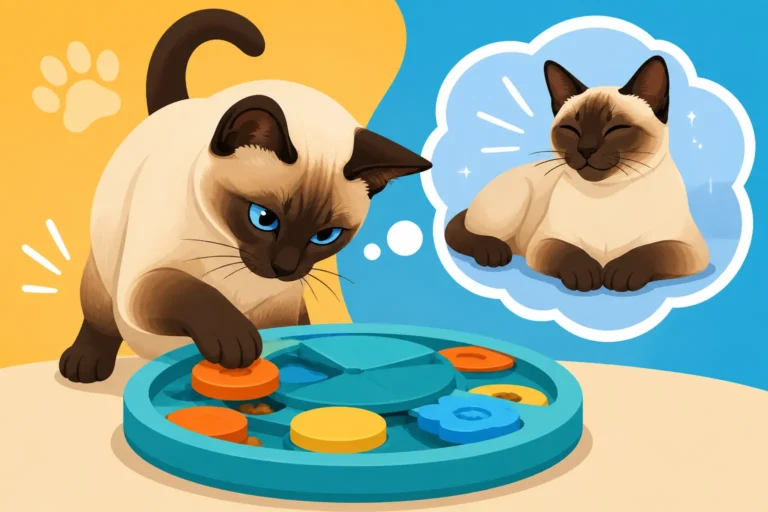
No matter how many other pets you bring into the home, your Siamese cat still needs you. They are deeply bonded to their human family and thrive on one-on-one attention. This means dedicated playtime with interactive toys that mimic prey, like feather wands or laser pointers, for at least 15-20 minutes a day. They love puzzle feeders, which you can easily find on Amazon, that challenge their intelligence and provide mental enrichment.
They also crave physical affection – lap time, purring sessions, and just being in the same room as you, engaging in conversation. Siamese cats often "talk" to their owners and expect a response. They want to be involved in your daily activities, whether it's "helping" you work on the computer or supervising you in the kitchen. If you're considering a Siamese, or already have one, be honest with yourself about the amount of time and energy you can commit to their social and emotional needs. Sometimes, even with a companion animal, if the human element is lacking, the Siamese can still feel neglected. Think about How Long a Siamese Cat Can Be Left Alone and factor in your ability to be present.
Introducing a New Companion Successfully
Bringing a new companion into your Siamese cat's life isn't just about choosing the right animal; it's about the process of introduction. A botched introduction can set the stage for conflict and stress, making life miserable for everyone involved. Patience, planning, and positive reinforcement are your best friends.
The Slow and Steady Approach
The golden rule for introducing any new pet, especially to a Siamese, is to take it slow. This isn't a one-day affair; it could take weeks or even months for your Siamese to fully accept a new housemate. Start with scent swapping. Rub a cloth on the new animal and let your Siamese sniff it, and vice versa. This allows them to become familiar with each other's scent without the stress of a direct encounter. Keep the new animal in a separate, secure room, with its own food, water, and litter box. This gives them a safe haven and prevents immediate confrontation.
Once scent swapping is going well, move to supervised visual introductions. A baby gate can be invaluable here, allowing them to see each other through a barrier while you supervise. Feed them on opposite sides of the gate, gradually moving the bowls closer as they become more comfortable. This creates a positive association with the presence of the other animal. Only move to unsupervised interaction when you are absolutely certain both animals are relaxed and showing no signs of aggression or fear. Remember, How to Introduce a Siamese Cat to a Resident Cat is a marathon, not a sprint.
Managing Resources and Territory
Territory and resources are huge for cats, and a Siamese is no exception. When introducing a new companion, especially another cat, you need to ensure there are enough resources to go around to prevent competition and stress. This means having multiple litter boxes (the general rule is one per cat plus one extra), multiple feeding stations, and several water bowls or fountains placed in different areas of the house. Don't forget about vertical space: cat trees, shelves, and window perches are vital for cats to feel secure and to observe their surroundings from a safe vantage point.
Even with a dog, ensuring the cat has safe, dog-free zones where they can eat, sleep, and use the litter box without interruption is paramount. These elevated spaces or rooms accessible only to the cat provide a sense of control and security, which is incredibly important for a Siamese. Consider investing in some sturdy, multi-level cat trees. You can find excellent options on Amazon that cater to a Siamese's love for climbing and exploring. Providing ample resources helps prevent disputes and allows each animal to maintain a sense of ownership over their personal space.
Monitoring and Adjusting
Throughout the introduction process, vigilant monitoring is essential. Pay close attention to both your Siamese and the new companion's body language. Are they relaxed, or are their ears flattened, tails twitching, or fur bristling? Look for signs of stress, such as hiding, excessive grooming, changes in appetite, or inappropriate urination. If you see signs of aggression or intense fear, it's a signal to slow down and revert to an earlier stage of introduction.
Sometimes, despite your best efforts, professional help might be needed. A feline behaviorist or a vet with a specialization in animal behavior can offer tailored advice and strategies for difficult introductions. They can help identify underlying issues and suggest specific interventions. Remember, the goal is a peaceful and happy home for all, and sometimes that requires a bit of outside expertise. Investing in calming diffusers, often available on Amazon, might also help reduce anxiety during this period.
The Long-Term Vision: A Happy, Well-Adjusted Siamese
Ultimately, choosing the right companion for your Siamese cat is about providing them with a fulfilling life. These magnificent felines give us so much joy, personality, and love, and in return, they deserve an environment where their deep social needs are not just met, but celebrated. Whether it's another Siamese, a carefully selected cat of a different breed, or even a dog, the right companion can transform a potentially lonely existence into a vibrant, enriched life.
The Benefits of a Compatible Pairing
A well-matched companion for your Siamese brings a wealth of benefits that extend beyond simply preventing loneliness. It means a cat that is less stressed, more playful, and often healthier overall. They'll have a constant source of mental and physical stimulation, reducing the likelihood of boredom-induced destructive behaviors or anxiety. A compatible companion means more purrs, more shared naps in sunbeams, and a generally more harmonious household. It's about seeing two animals truly thrive together, forming their own unique bond that complements their relationship with you. Think of Whether a Siamese Cat Is Happier in a Pair; the answer is almost always a resounding yes.
Furthermore, a well-socialized Siamese with a compatible companion often handles changes better. If you have to go on a trip, knowing they have each other for comfort can make a huge difference in their stress levels. When you're busy with work or chores, they'll have an outlet for their energy and an ear to "talk" to. This companionship enriches their world and allows their vibrant personalities to shine even brighter. It’s not just about what a companion does for them, but what that dynamic relationship brings to your entire home.
Adapting to Evolving Needs
Pets' needs change over time, and a companion that was perfect for a rambunctious kitten might not be ideal for a senior cat. As your Siamese ages, their energy levels might decrease, and they might prefer a calmer companion, or simply closer proximity rather than active play. Be prepared to adapt your approach to their social environment. An older Siamese might appreciate a heated bed and a quiet companion for napping, rather than constant wrestling. Regular vet check-ups are also crucial to ensure any health issues are addressed, as pain or discomfort can alter a cat's social behavior. Caring for a Siamese Cat Past Twelve involves understanding these changes.
The beauty of a deep bond, whether with another animal or with you, is its ability to evolve. Continue to observe your Siamese and their companion, ensuring that their relationship remains positive and mutually beneficial. Sometimes, this might mean adjusting playtimes, providing more quiet spaces, or simply allowing them to dictate the pace of their interactions. A flexible approach ensures that your Siamese, and their chosen friend, can enjoy a lifetime of happiness together.
Disclaimer
This article is for general informational purposes only and does not constitute professional advice. Laws, prices and regulations vary by location and change over time. Consult a qualified professional for guidance on your specific situation.