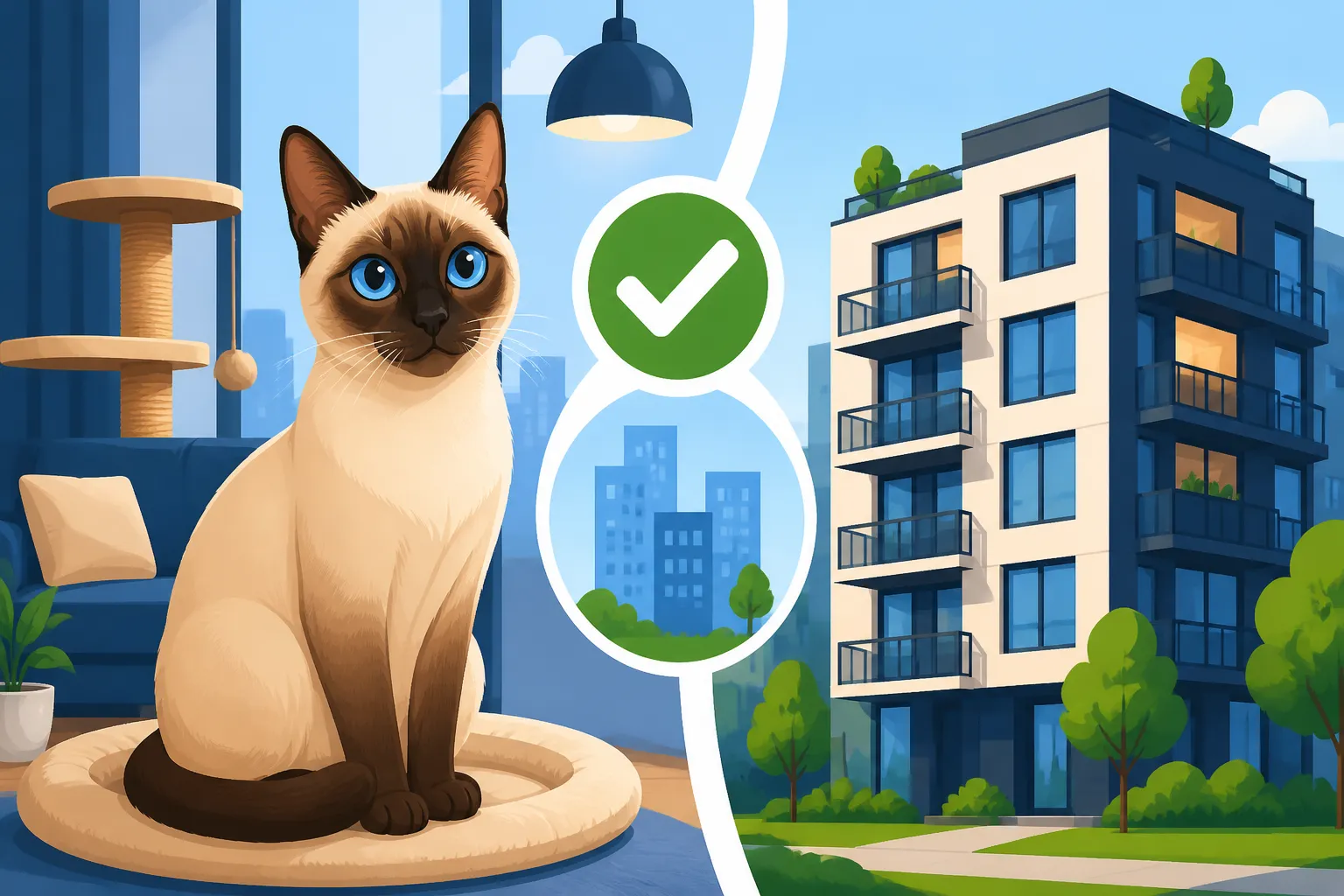
Whether a Siamese Cat Suits an Apartment Building
Bringing a vibrant, intelligent Siamese cat into your life is an incredibly rewarding experience, but if you're living in an apartment building, a common and very valid concern pops up: will this famously vocal and energetic feline truly thrive, and will your neighbors thrive alongside them? It’s a huge consideration, and one that deserves a deep dive to ensure both your peace of mind and your Siamese’s well-being. This guide is here to help you navigate whether apartment living and a Siamese cat are a match made in heaven, or a recipe for stress for everyone involved.
Understanding the Siamese Cat's Unique Personality in Close Quarters
Siamese cats aren't just pets; they're family members with big personalities, and it's these very traits that make them both adored and, sometimes, a challenge in environments like apartment buildings. Their vocal nature and high energy levels are part of their charm, but they need to be understood and managed appropriately when you've got shared walls and close neighbors.
The Vocal Nature and Its Apartment Implications
Let's not beat around the bush: Siamese cats are renowned for their voices. It's not just a cute little meow; it's often a full-blown conversation, a demand, or a dramatic opera. This is what we lovingly call the "Meezer Yowl." It's deep, often loud, and can carry through walls far more than you might imagine. Imagine trying to explain to your downstairs neighbor that your cat isn't in distress, just expressing their profound disappointment that their food bowl is only half full.
This vocal trait, while endearing to us, can be a genuine point of contention with neighbors. Thin apartment walls or shared ventilation systems mean that your Siamese's vocalizations could easily become their problem, particularly during quiet hours or if they work from home. The sound isn't always a soft purr; it can sometimes sound like a baby crying, or an insistent wail that's hard to ignore. It’s important to recognize that What the Siamese Cat's Meezer Yowl Sounds Like is more than just background noise, and to gauge how much sound insulation your building truly offers. You don't want to find yourself in a situation where you're constantly apologizing or, worse, facing complaints that could jeopardize your tenancy. It’s also crucial to consider Whether Neighbors Hear a Siamese Cat and plan accordingly.
High Energy and the Need for Engagement
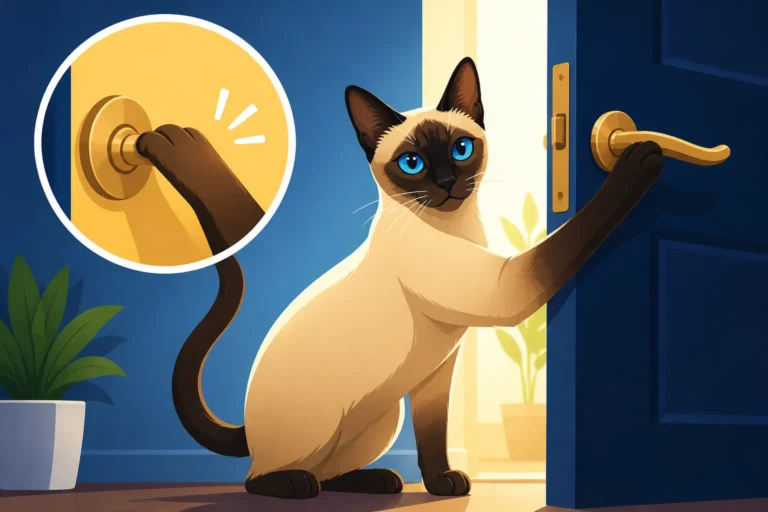
Beyond their vocal prowess, Siamese cats are bundles of energy. They are incredibly intelligent, curious, and active animals that thrive on interaction and stimulation. They are not content to simply lounge around all day like some more placid breeds. An apartment, by its very nature, can feel restrictive for a cat with such a zest for life. If not properly stimulated, that boundless energy and sharp mind can quickly turn to boredom, and a bored Siamese is often a destructive Siamese.
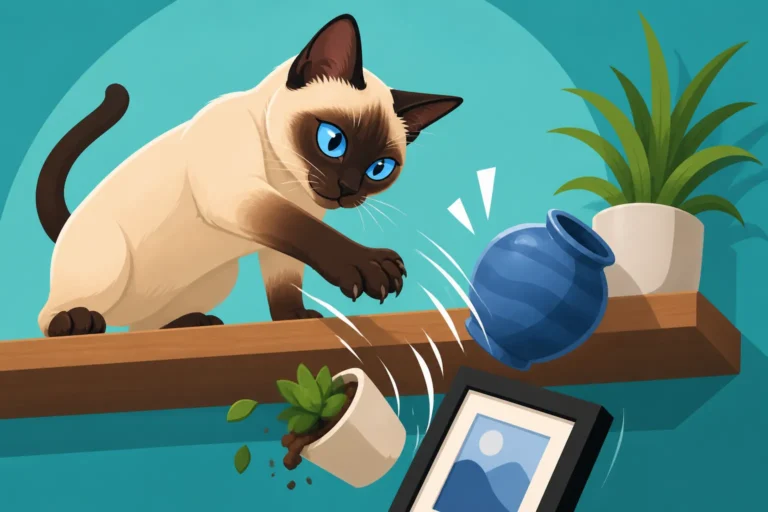
Picture this: your Siamese, with no outlet for their mental or physical energy, decides to redecorate your blinds, scale your bookshelves, or explore the contents of your kitchen cupboards in ways you never thought possible. What a Bored Siamese Cat Destroys can range from torn upholstery to chewed wires, which is not only frustrating but potentially dangerous for them. They need ample opportunities to play, explore, and "hunt," even within the confines of an indoor space. If you're out of the house for long stretches, this need for engagement becomes even more critical. They need a variety of toys, climbing structures, and dedicated play sessions. Neglecting this aspect can lead to stress, behavioral issues, and an unhappy cat, which nobody wants. You need to provide sufficient How Much Play a Siamese Cat Needs to keep them mentally and physically satisfied.
Mitigating Apartment-Specific Challenges for a Siamese
Living with a Siamese in an apartment is absolutely doable, but it requires a proactive approach and a commitment to understanding and meeting their unique needs. It's about turning potential drawbacks into manageable aspects of your shared life.
Managing Vocalizations and Noise Levels
The first step in managing your Siamese’s vocalizations is to understand why they're meowing. Are they hungry? Lonely? Seeking attention? In pain? Sometimes, their meows are simply conversational, a way of "talking" to you. If it's attention-seeking, and they're otherwise fine, ignoring them for short periods can sometimes teach them that constant vocalizations don't always get an immediate response. However, you must differentiate this from genuine needs. Never ignore a change in vocalization patterns, as this could signal pain or illness.
Establishing a consistent routine for feeding and playtime can also help reduce anticipatory meows. They learn that certain times mean food or fun, rather than needing to demand it constantly. When they do quiet down, reward them with attention or a treat to reinforce the desired behavior. Teaching a "quiet" cue can also be effective over time, though it takes patience. For chronic or excessive vocalizations that seem to have no discernible cause, a vet visit is always a good idea to rule out any underlying health issues. While full soundproofing in a rental apartment might be challenging, strategically placed rugs, heavy curtains, and even bookshelves filled with books can help absorb some sound. For more tips on reducing the noise, consider reading How to Quiet a Siamese Cat and How to Train a Siamese Cat to Meow Less.
Maximizing Space and Enrichment Indoors
Since your Siamese won't have acres to roam, you need to think vertically and creatively about their environment. Cats love to climb and observe their kingdom from above, so tall cat trees are non-negotiable for apartment dwellers. Look for sturdy, multi-level trees with scratching posts built in. You can find excellent options for robust cat trees that offer both climbing opportunities and cozy resting spots on platforms like Amazon. Window perches are also fantastic, allowing them to watch the world outside, which can be a huge source of mental stimulation.
Interactive toys are another cornerstone of apartment enrichment. Wand toys, laser pointers (used sparingly and always ending with a tangible catch to prevent frustration), and automated toys can keep them engaged when you're busy. Puzzle feeders, available on Amazon and other retailers, are brilliant for their intelligent minds, making them "work" for their food and preventing boredom. Don't underestimate the power of scheduled play sessions – 15-20 minutes, two or three times a day, can make a huge difference in burning off energy and strengthening your bond. Remember, a stimulated cat is a happy cat, and a happy cat is less likely to engage in destructive behaviors. If you're really struggling to keep up with their energy levels or if your schedule is particularly demanding, consider that Whether a Siamese Cat Needs a Companion Cat is often a resounding yes for this breed, as another feline friend can provide invaluable companionship and play. For more ideas on how to keep your Siamese engaged, check out Enrichment for a Siamese Cat That Gets Bored in an Hour.
Practical Considerations for Apartment Living with a Siamese
Beyond their intrinsic personality traits, there are practical aspects of apartment living that must be thoroughly addressed when bringing a Siamese cat into your home. Thinking these through beforehand can save a lot of headaches later on.
Landlord Agreements and Pet Policies
Before you even start looking at Siamese kittens or adult cats, your first step is to thoroughly review your apartment building's pet policy. Many buildings have strict rules regarding pet ownership, often including size, breed, and even temperament restrictions. Some might have a "no cats allowed" policy outright, while others might permit cats but charge a hefty pet deposit, monthly pet rent, or both. You need to be upfront with your landlord about your intentions and get everything in writing.
It's particularly important to discuss the breed. While many policies don't specifically ban Siamese cats, their reputation for vocalization could become an issue if complaints arise from neighbors. You'll want to ensure you're fully compliant with all terms and conditions to avoid potential lease violations or, in a worst-case scenario, having to rehome your beloved feline. Transparency from the outset is always the best policy, and understanding the financial implications, such as deposits and recurring fees, will help you budget accurately for your new family member.
Socialization and Preventing Separation Anxiety
Siamese cats are incredibly social creatures. They thrive on interaction with their human companions and can form incredibly strong bonds. This intense desire for companionship means that they are highly susceptible to separation anxiety if left alone for too long without adequate stimulation or company. In an apartment setting, where they might not have the outdoor distractions of a house with a yard, your presence becomes even more central to their world.
Signs of separation anxiety can include excessive vocalization (the "Meezer Yowl" in full force!), destructive behaviors, inappropriate urination or defecation outside the litter box, and even over-grooming. If you have a busy household or a demanding work schedule, you need to consciously build in dedicated time for your Siamese. This means consistent play sessions, cuddles, and conversation. Consider investing in a pet camera (easily found on Amazon) to monitor their behavior while you're out, and perhaps an automatic feeder to provide mental distraction. For some Siamese, having a feline companion can significantly alleviate loneliness and anxiety, as they'll have another cat to interact with. If your lifestyle means your Siamese will often be alone, understanding What Separation Anxiety Looks Like in a Siamese Cat is crucial for their well-being. This breed truly thrives on companionship, and a solitary, bored Siamese in a small space is often a stressed Siamese. Whether a Siamese Cat Suits a Busy Household is a question that truly comes down to how much dedicated time you can carve out for them.
Health and Safety in an Indoor Environment
While keeping your Siamese strictly indoors in an apartment setting largely protects them from outdoor hazards like cars, predators, and infectious diseases, it also means you're solely responsible for creating a stimulating and safe internal environment. Regular veterinary check-ups are paramount, ensuring they stay up-to-date on vaccinations and preventative care. Due to their lean build, it can sometimes be hard to tell if a Siamese is unwell, so attentive observation is key.
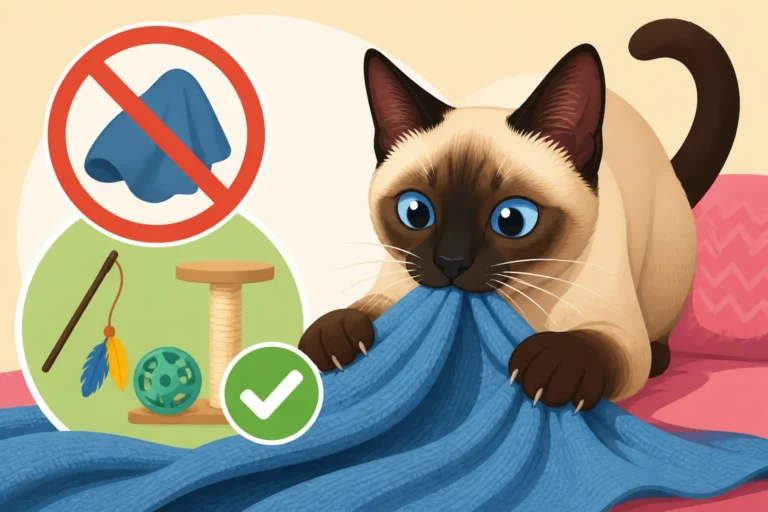
Dental health is another critical area for Siamese cats, as they can be prone to dental disease. Regular at-home brushing, combined with professional dental cleanings as recommended by your vet, can prevent painful conditions and costly extractions. Read up on Dental Disease in a Siamese Cat to understand the risks. Another common trait in Siamese cats is pica, which manifests as wool sucking or chewing on non-food items like blankets, plastic bags, or even clothing. In an apartment, where soft furnishings and various household items are plentiful, this can be a serious concern, potentially leading to intestinal blockages. You might need to be extra vigilant about what fabrics and small objects are accessible to your cat. Learning Why a Siamese Cat Sucks Wool can help you understand this behavior and implement strategies to keep them safe, such as providing appropriate chew toys and ensuring their diet is balanced and fulfilling.
| Factor | Apartment Suitability for a Siamese Cat | Owner Commitment Required |
|---|---|---|
| Vocal Nature | Low if walls are thin, high if well-insulated | High (manage expectations, train) |
| Energy Levels | Moderate (needs vertical space, play) | High (dedicated play, enrichment) |
| Social Needs | High (craves companionship, prone to anxiety) | Very High (daily interaction, consider companion) |
| Space Requirements | Low (can adapt with vertical enrichment) | Moderate (provide cat trees, perches) |
| Destructive Potential | High if bored/anxious | High (prevent boredom, secure valuables) |
| Landlord Approval | Varies (check policies carefully) | High (ensure compliance, good neighbor relations) |
Ultimately, a Siamese cat can absolutely thrive in an apartment building, but it demands a dedicated, understanding, and proactive owner. It’s not a passive pet choice for a smaller space. You'll need to be willing to invest time in their enrichment, manage their vocalizations, and ensure their intense need for companionship is met. With the right environment and commitment, your Siamese will bring immense joy and personality into your apartment home.
Disclaimer
This article is for general informational purposes only and does not constitute professional advice. Laws, prices and regulations vary by location and change over time. Consult a qualified professional for guidance on your specific situation.