Whether Medication Helps a Siamese Cat’s Pica
The moment you realize your beloved Siamese isn't just playing with that wool blanket or sock, but actually eating it, a wave of panic and frustration can wash over you. Pica in Siamese cats is a perplexing and often dangerous behavior, leaving many owners wondering if there's anything beyond environmental changes that can help. This guide dives deep into whether medication offers a viable solution for your Siamese cat's pica, exploring how it works and what to expect.
Understanding Siamese Cat Pica
It's heartbreaking to watch your Siamese ingest things that aren't food, especially when you know it could lead to serious health issues like intestinal blockages. Many of us have been there, pulling a chewed-up sock from our cat's mouth or discovering shredded remnants of a favorite sweater. This isn't just "bad behavior"; it's a deeply rooted issue that needs careful consideration.
What Pica Truly Is for a Siamese Cat
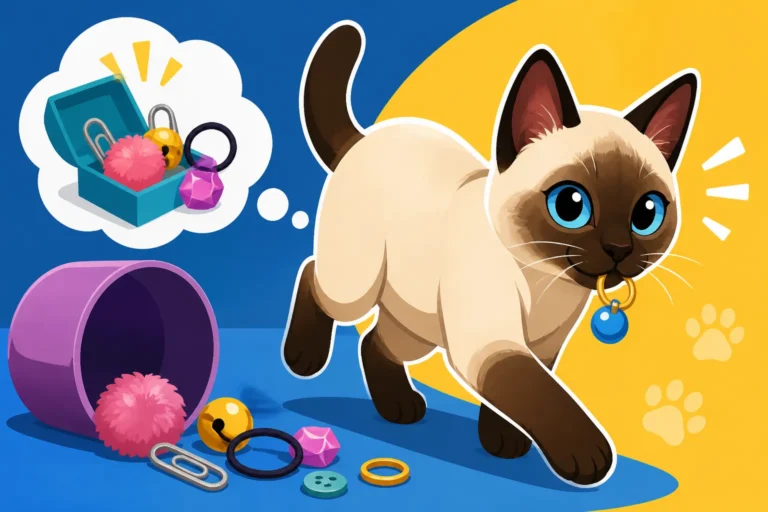
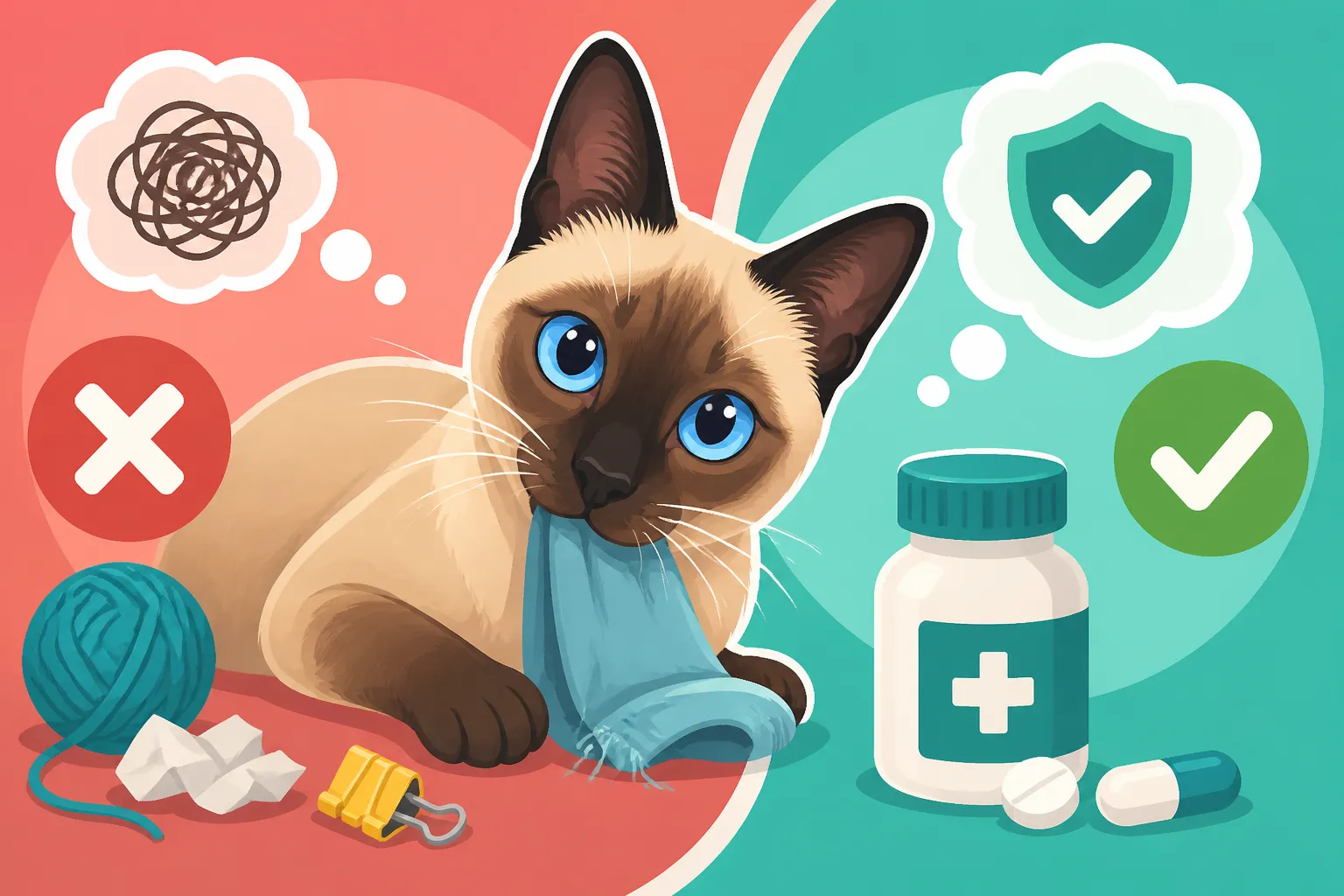
Pica isn't just a quirky habit; it's a medical term for the compulsive eating of non-food items. For Siamese cats, this often manifests as wool sucking, fabric chewing, or even ingesting plastic, paper, or houseplant leaves. It's particularly prevalent in Siamese and Oriental breeds, suggesting a genetic predisposition. Imagine the intense urge, almost an addiction, to chew and swallow something completely inedible. It’s not about hunger; it’s a compulsion. Why a Siamese Cat Sucks Wool can give you more insight into this specific behavior.
This behavior can be incredibly destructive, not just to your household items but potentially to your cat's health. You're constantly on edge, scanning rooms for potential targets, and worrying every time you hear a suspicious chewing sound. From a torn sweater to a costly emergency vet visit for a foreign body obstruction, the anxiety is real. It's a testament to your bond that you're seeking solutions to protect your curious, often mischievous, companion.
Common Triggers and Underlying Causes
Unraveling the 'why' behind pica is often the first step, and it's rarely simple. Sometimes, it stems from early weaning, where a kitten might not have had sufficient time nursing, leading to an oral fixation later in life. Other times, stress and anxiety are huge players. A change in routine, a new pet, or even a lack of sufficient mental and physical stimulation can trigger or exacerbate pica. Your highly intelligent Siamese needs constant engagement, and boredom can quickly turn into destructive habits. What Psychogenic Alopecia Does to a Siamese Cat highlights how stress can manifest in other physical ways.
Beyond behavioral factors, there can be underlying medical conditions. While less common, nutritional deficiencies, dental problems, or even certain gastrointestinal issues might contribute to pica. This is why a thorough veterinary check-up is absolutely crucial before exploring any treatment paths. It's essential to rule out a physical cause before jumping to behavioral interventions or, indeed, considering medication.
When Medication Enters the Conversation
When you've tried all the environmental changes and behavioral modifications you can think of, and your Siamese is still compulsively ingesting fabric or other items, the conversation often shifts to medication. It's a big step, and a decision many owners grapple with, worried about side effects or simply hesitant to medicate their beloved pet. But for some cats, it can truly be a game-changer, offering a path to a safer, less stressful life.
Types of Medications Used for Feline Pica
If your vet, after a thorough examination, suspects a behavioral or anxiety-driven component to your Siamese's pica, they might suggest specific medications. These often fall into categories designed to help manage anxiety or obsessive-compulsive disorders in felines.
- Antidepressants (e.g., SSRIs or TCAs): Selective Serotonin Reuptake Inhibitors (SSRIs) like fluoxetine or tricyclic antidepressants (TCAs) such as clomipramine are commonly prescribed. These medications work by altering brain chemistry, specifically serotonin levels, to reduce anxiety and compulsive behaviors. They're not a quick fix; it often takes several weeks to see their full effect, and your cat will need careful monitoring during this period.
- Anxiolytics (anti-anxiety medications): For more immediate, situational anxiety that might trigger pica, your vet might consider anxiolytics. These are generally used for shorter periods or in conjunction with other therapies. However, pica is often a chronic issue, so long-term anxiolytic use might be less common or used as part of a multi-modal approach.
- Supplements and Pheromones: While not "medications" in the traditional sense, products like L-theanine supplements or synthetic feline facial pheromones (available as diffusers or sprays, often found on Amazon) can sometimes play a supportive role in reducing general anxiety, which in turn might lessen pica tendencies. They aim to create a calmer environment and can be tried before or alongside pharmaceuticals.
It's important to understand that medication isn't about "drugging" your cat. It's about providing a chemical rebalance that makes them more receptive to behavioral training and less driven by compulsive urges. Think of it as a tool that helps level the playing field, making other interventions more effective.
The Importance of a Veterinary Diagnosis and Treatment Plan
You should never attempt to self-medicate your Siamese cat for pica. A proper diagnosis from a qualified veterinarian is paramount. They need to rule out any underlying medical conditions that could be causing or contributing to the pica, as treating these conditions might resolve the pica without the need for behavioral medications. For example, if dental pain is making your cat chew inappropriately, addressing the Dental Disease in a Siamese Cat would be the first step.
Your vet will likely perform a physical exam, blood tests (What a Siamese Cat's Yearly Bloodwork Should Cover), and potentially other diagnostics to ensure your cat is healthy enough for medication and to identify any other health concerns. Once a medical cause is ruled out or addressed, they can work with you to develop a comprehensive treatment plan that may or may not include medication. This plan will be tailored to your cat's specific needs, considering their age, overall health, and the severity of their pica.
Setting Realistic Expectations for Medication
It's natural to hope for a miracle cure when your cat is struggling with pica, but with medication, it's crucial to have realistic expectations. Medication is rarely a standalone solution; it's usually one piece of a larger puzzle. Patience and consistency are your best allies here.
Medication as Part of a Holistic Approach
Think of medication not as a magic bullet, but as a supporting actor in a larger play. For true success, it almost always needs to be combined with environmental management and behavioral modification. The medication helps calm the underlying anxiety or compulsion, making your cat more amenable to learning new, appropriate behaviors and less driven to chew.
For example, while your Siamese is on medication, you'll still need to conscientiously remove tempting items from their reach. If they're a "wool sucker," those fuzzy blankets or sweaters will still need to be put away or stored in containers. You'll also continue to provide plenty of stimulating toys, regular play sessions, and interactive feeders. Medication creates the mental space for these other interventions to truly sink in and build new habits.
Potential Side Effects and Monitoring
Just like with any medication, there's a possibility of side effects. These can vary depending on the specific drug prescribed, but commonly include lethargy, changes in appetite, gastrointestinal upset (vomiting or diarrhea), or increased thirst. Sometimes, a cat might seem a bit "off" or more subdued initially.
It's incredibly important to discuss potential side effects with your vet before starting any new medication. You'll need to monitor your Siamese closely for any adverse reactions, especially in the first few weeks, and report them immediately to your vet. They might need to adjust the dosage or try a different medication. Regular follow-up appointments will be essential to ensure the medication is working effectively and safely. Remember, your vet is your partner in this journey, and open communication is key.
Supporting Your Siamese Cat Beyond Medication
Even with medication, your Siamese cat needs a strong support system to overcome pica. Addressing the root causes and providing a stimulating, safe environment are fundamental, whether or not pharmaceuticals are involved. This is where your commitment as an owner truly shines.
Environmental Enrichment and Management
One of the most immediate and impactful things you can do is to manage your environment. If your Siamese is a notorious fabric chewer, then those cozy cashmere sweaters and soft fleece throws need to be put away or stored in secure bins. Consider investing in sturdy toy boxes or closets that your clever Siamese can't easily break into. It sounds simple, but removing the temptation is often half the battle. You can find many secure storage solutions on Amazon that can help with this.
Beyond simply removing tempting items, focus on enriching your cat's environment. Enrichment for a Siamese Cat That Gets Bored in an Hour is a must-read. Provide plenty of appropriate chewing opportunities, such as durable catnip toys, silvervine sticks, or even safe, non-toxic cat grasses. Vertical space is also vital; cat trees, shelves, and window perches allow your Siamese to observe their territory from above, which can be incredibly soothing and mentally engaging. Think about what your cat finds most interesting and try to incorporate it into their daily life.
Behavioral Modification Techniques
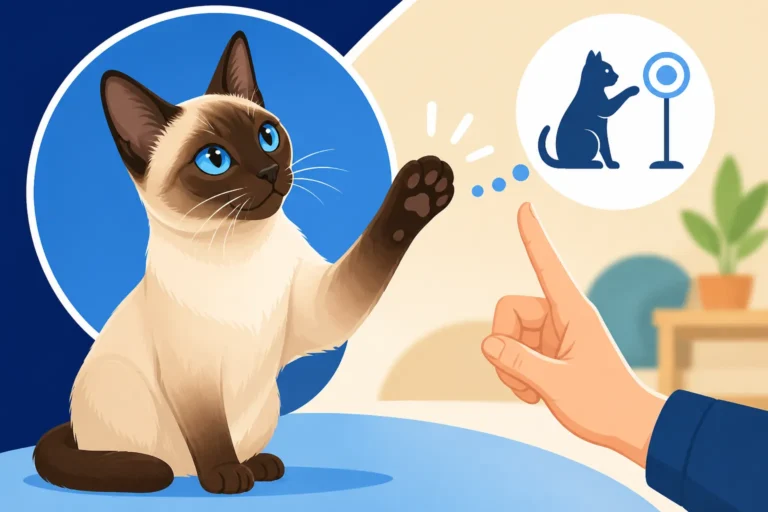
Pairing medication with consistent behavioral modification techniques offers the best chance for long-term success. This involves redirecting your cat's attention when they start to exhibit pica behaviors. Instead of just pulling them away or scolding them, immediately offer an appropriate alternative, like a favorite toy or a puzzle feeder. When they engage with the appropriate item, lavish them with praise and treats.
Another effective strategy is structured play. Siamese cats are incredibly intelligent and thrive on interaction. Engage them in regular, energetic play sessions with wand toys that mimic prey. This helps burn off excess energy, reduces boredom, and provides a healthy outlet for their predatory instincts. A good 15-20 minute session twice a day can make a world of difference. Consistency is key here; a bored Siamese is a mischievous Siamese. If your cat tends to chew on plastic bags, try offering a crinkly ball from Amazon designed for cats, to redirect that instinct to a safe item.
Finally, consider establishing a predictable routine for feeding, play, and attention. Siamese cats often thrive on routine, and sudden changes can be a source of stress, which, as we discussed, can trigger pica. A consistent schedule provides a sense of security and can help reduce anxiety, making your Siamese feel more settled and less prone to compulsive behaviors.
| Approach | Primary Goal | When It Helps | Considerations |
|---|---|---|---|
| Environmental Management | Remove temptation, prevent access | Always, immediate impact | Requires vigilance, creative storage, and household cooperation. Essential even with other treatments. |
| Behavioral Enrichment | Reduce boredom, provide outlets | Always, long-term well-being | Needs consistent effort, variety of toys, vertical space, and interactive play. What Toys a Siamese Cat Actually Uses could be helpful. |
| Dietary Adjustments/Supplements | Address potential deficiencies, comfort | If diet is a factor, or for mild anxiety | Consult vet; adding fiber may reduce wool sucking but needs to be carefully monitored. |
| Feline Pheromones (e.g., Feliway) | Reduce overall stress/anxiety | As an adjunct to other therapies | Available as diffusers or sprays, usually via retailers like Amazon; creates a calming environment. Effects can be subtle. |
| Medication (e.g., SSRIs, TCAs) | Alter brain chemistry, reduce compulsion | When other methods fail or pica is severe | Requires veterinary prescription and monitoring. Can take weeks to show effects. Potential side effects. |
Ultimately, helping a Siamese cat with pica is a journey, not a destination. It requires patience, understanding, and a multi-faceted approach. Medication can be a valuable tool, but it works best when integrated into a holistic plan that addresses all aspects of your cat's physical and emotional well-being. With your dedication and your vet's guidance, you can significantly improve your Siamese cat's quality of life and reduce the risks associated with this challenging behavior.
Disclaimer
This article is for general informational purposes only and does not constitute professional advice. Laws, prices and regulations vary by location and change over time. Consult a qualified professional for guidance on your specific situation.