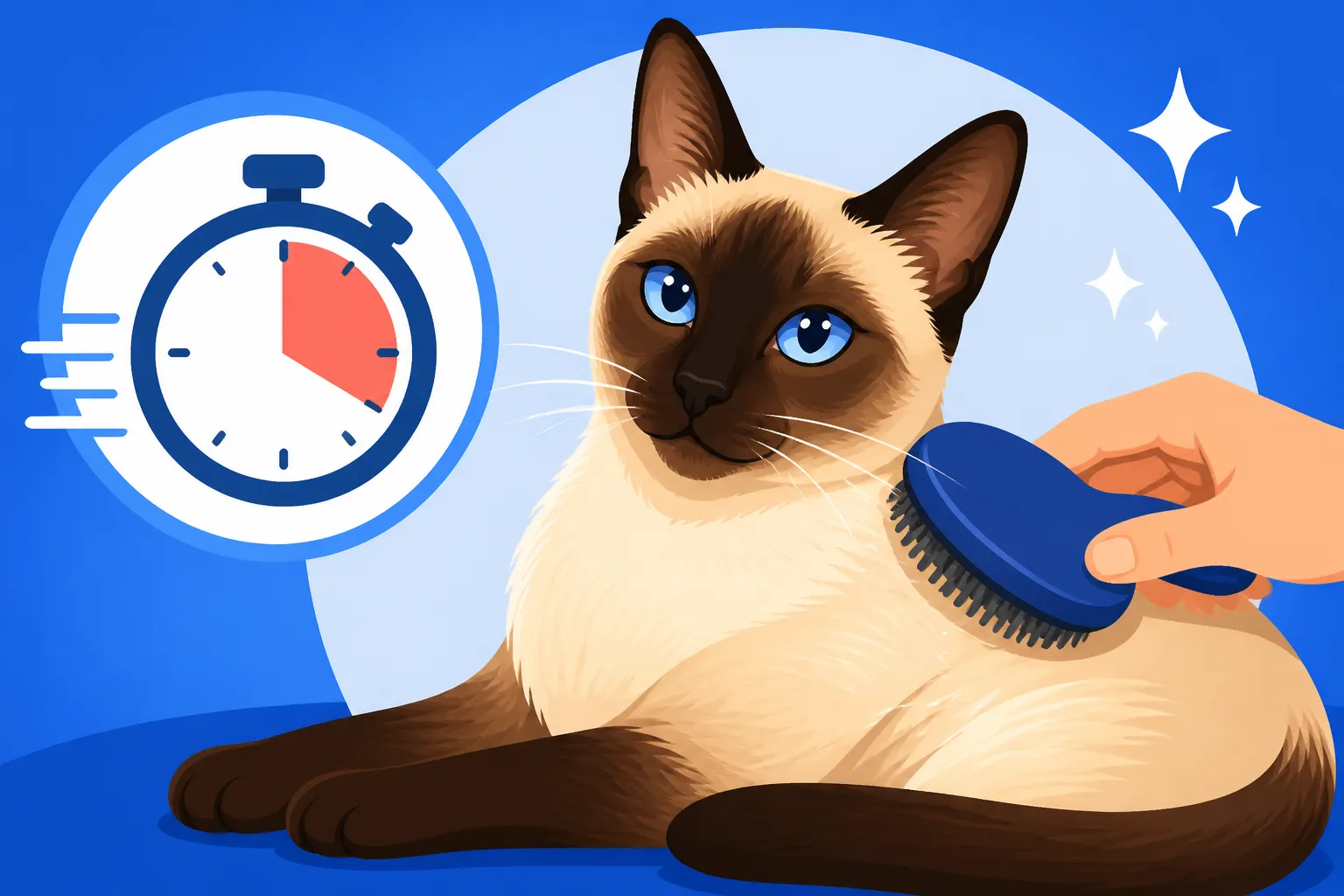
Grooming a Siamese Cat Takes Five Minutes a Week
It’s easy to think that with their short, sleek coats, Siamese cats don't need much in the way of grooming. You might even hear some owners boast about their "wash-and-wear" Meezers, but that couldn't be further from the truth. While they certainly aren't as demanding as long-haired breeds, there's still a consistent, gentle routine that keeps them healthy and happy, and honestly, it’s a wonderful way to bond. This guide will walk you through everything your Siamese needs to look and feel their best, making grooming a breeze.
Understanding the Siamese Coat
The Siamese coat is truly something special. It's one of the defining features of the breed, a testament to their elegance and unique genetics. Many owners, especially those new to Siamese cats, assume that a short coat means no fuss, but there’s more to it than meets the eye. Understanding the specific characteristics of their fur is the first step to providing proper care and appreciating just how robust yet delicate it can be.
The Short, Sleek Reality
When you run your hand over a Siamese cat, you feel a distinct difference compared to other breeds. Their coat is incredibly short, fine, and lies very close to their body, almost like velvet. Unlike many other cat breeds, Siamese cats typically lack a significant undercoat. This absence is a huge part of why they're often considered "low-shedding" compared to their fluffier counterparts, and why their grooming needs are somewhat different. It also contributes to why they can sometimes feel the cold more keenly than a cat with a dense double coat. This sleekness means less hair trapping dirt and debris, but it also means that skin issues can be more immediately visible. Think of it like wearing a form-fitting shirt versus a thick sweater – everything is just a bit more exposed.
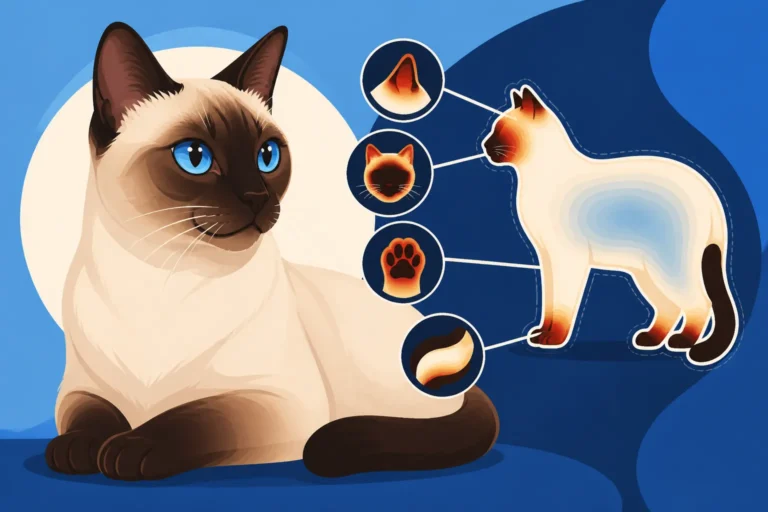
This unique coat characteristic is also intrinsically linked to their famous point coloration, which is temperature-sensitive. What Point Coloration in a Siamese Cat Is helps explain how their body temperature influences the pigment in their fur. Because their fur is so fine and lacks that insulating undercoat, external temperatures can actually influence the shade of their body color over time. A Siamese kept in a cooler environment might develop a slightly darker body coat than one living in a warmer home. It’s a fascinating aspect of their biology that influences how we perceive their coat and, to some extent, how we care for them, especially regarding warmth.
Seasonal Shedding and Hairball Myths
Even with their short coats and lack of a thick undercoat, Siamese cats still shed. It's a natural process for all felines, replacing old, dead hair with new, healthy growth. However, the amount they shed is significantly less than many other breeds. You won't typically find large clumps of fur tumbleweeding across your floors or stuck to every item of clothing, which is a huge relief for many owners! This moderate shedding is often concentrated during seasonal changes, such as in spring when they shed their winter coat or in autumn as they prepare for colder months.
Despite shedding less, hairballs can still be a concern, although generally less frequent than in long-haired cats. Cats groom themselves constantly, and in doing so, they ingest loose fur. While their short fur is less likely to form large, dense hairballs, they can still experience them. A small, occasional hairball is usually nothing to worry about, but frequent or very large hairballs might indicate an underlying digestive issue or a need for more diligent grooming on your part. This is why even a low-shedding cat benefits from regular brushing – it removes that loose fur before they can swallow it, minimizing the chances of hairball formation and keeping their digestive system happy. Regular brushing is your best defense. If you're wondering about the nuances, How Much a Siamese Cat Sheds delves into this topic in more detail.
Daily Brushing – A Myth or a Must?
When it comes to brushing your Siamese, there's a common misconception that their short coat means you can skip it entirely, or only do it once in a blue moon. While they don't demand the extensive daily sessions of a Persian or a Maine Coon, dismissing brushing altogether is a disservice to your cat's health and comfort. It's less about preventing mats (which are rare in Siamese cats) and more about maintaining skin health, managing shedding, and, perhaps most importantly, strengthening that unique bond you share.
The Weekly Routine for a Healthy Coat
For most Siamese cats, a consistent weekly brushing routine is absolutely perfect. This isn't a chore; it's a dedicated moment for you and your feline friend. A good 5-10 minute session once or twice a week is usually all it takes to keep their coat in tip-top condition. During these sessions, you're not just removing loose hair – you're also distributing natural skin oils, which contributes to that stunning sheen their coats are known for. It's a natural conditioner, spread right where it's needed most.
Beyond aesthetics, regular brushing helps stimulate circulation in their skin, which can promote healthier hair growth. It also gives you a fantastic opportunity to perform a quick "health check." As you run the brush over their body, you'll feel for any unusual lumps, bumps, or skin irritations that might otherwise go unnoticed. You might spot fleas, ticks, or dry, flaky skin. Catching these issues early can prevent them from becoming bigger problems down the line, saving both you and your cat discomfort and potential vet bills. It’s a truly proactive step in their overall care. For more on what to expect, consider checking out How Often a Siamese Cat Needs Brushing.
Choosing the Right Grooming Tools
Picking the right brush for your Siamese is crucial for making grooming a pleasant experience for both of you. You don't need a whole arsenal of tools, just a few key items. Given their short, fine coat, harsh brushes with stiff bristles or aggressive wire pins are generally too much and can actually irritate their sensitive skin.
Here are some excellent choices:
- Rubber Curry Brush or Grooming Glove: These are fantastic for Siamese cats. The soft rubber nubs gently massage the skin while effectively catching loose fur. Many cats absolutely adore the feel of these, making grooming feel more like a petting session. A grooming glove, readily available on platforms like Amazon or Chewy, is particularly good because it feels like you're just stroking your cat, which can ease any initial resistance.
- Fine-toothed Comb: While not for daily use, a fine-toothed metal comb can be helpful for specific areas like the face or to gently tease out any tiny tangles (though these are rare with Siamese coats). It's also excellent for checking for fleas.
- Soft Bristle Brush: A natural bristle brush can add a lovely final polish to their coat, bringing out its natural shine after you've removed the loose fur with a curry brush.
Remember, the goal is to make grooming a positive experience. Always use gentle strokes, especially when introducing a new tool. If your cat shows any signs of discomfort or tries to escape, take a break and try again later with some treats and praise. Consistency and patience will pay off, transforming grooming into a cherished ritual.
Bathing Your Siamese Cat: When and How Often?
The topic of bathing cats often sparks debate, and Siamese cats are no exception. Given their natural fastidiousness, many people assume cats don't need baths at all. For most felines, this is largely true – their self-grooming habits are remarkably effective. However, there are certainly times when a bath becomes a necessity, even for the cleanest Siamese.
The Rare Occasion for a Siamese Bath
For the vast majority of Siamese cats, bathing is a truly rare event. Their short, sleek coats and diligent self-grooming mean they do an excellent job of keeping themselves clean. Unlike some breeds that develop greasy coats or shed excessively, requiring regular intervention, a healthy Siamese usually doesn't need external help to stay pristine.
So, when is a bath warranted? Typically, it's for specific circumstances:
- Accidental Soiling: Your cat might have an unfortunate encounter with something sticky, oily, or smelly that they can't clean themselves – perhaps they rolled in something unsavory outdoors (though indoor Siamese are safer from this!), or got into a pantry mishap.
- Medical Reasons: A veterinarian might recommend therapeutic bathing for skin conditions, allergies, or to remove parasites like fleas if other treatments aren't suitable.
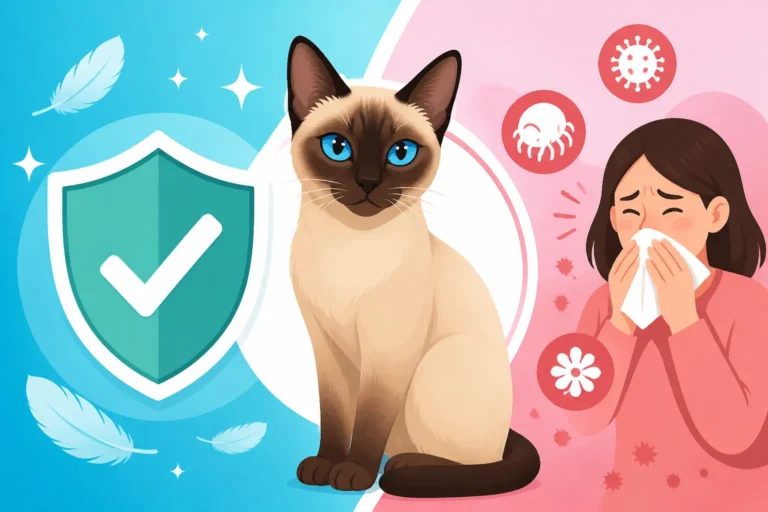
- Allergies in Humans: If a family member has severe cat allergies, occasional bathing might help reduce dander and allergens, though this is often a temporary solution and not a cure. How Much Dander a Siamese Cat Produces can give you more insights into managing allergens.
- Elderly or Ill Cats: As cats age or become ill, their self-grooming habits can decline. An older Siamese might struggle to reach certain spots, leading to matted or dirty fur that requires a gentle bath. Why an Aging Siamese Cat Stops Grooming explains this further.
Unless one of these specific situations arises, resist the urge to bathe your Siamese simply because you think it's "good for them." Over-bathing can strip their skin of natural oils, leading to dryness and irritation.
Making Bath Time Less Stressful
If a bath becomes unavoidable, the key is preparation and making the experience as calm as possible. Most cats, Siamese included, are not natural fans of water, so a well-orchestrated approach can minimize stress for everyone involved.
Here's a step-by-step guide:
- Gather Your Supplies First: Have everything within arm's reach before you even think about putting your cat near water. This includes cat-specific shampoo (never human shampoo!), several towels, cotton balls (for ears), and a non-slip mat for the tub or sink. You might also want a small cup for rinsing and a treat to reward afterward.
- Choose the Right Location and Temperature: A utility sink or a bathtub with a shower sprayer is ideal. Ensure the water is lukewarm – not hot, not cold. Fill the sink or tub with just a few inches of water, enough to wet their paws.
- Positive Reinforcement: Before the bath, spend some time petting and playing with your cat. Offer treats. This helps create a positive association.
- Gentle Introduction: Slowly introduce your cat to the water. Avoid sudden movements or loud noises. Gently wet their fur with your hand or a sprayer, starting from their back and working your way down. Avoid getting water in their eyes, ears, or nose. You can place cotton balls loosely in their ears to help prevent water ingress.
- Shampoo and Rinse Thoroughly: Apply a small amount of cat shampoo, working it into a lather. Be quick and efficient. The most crucial part is rinsing every last bit of shampoo out, as residue can irritate their skin. Rinse until the water runs clear and their fur feels squeaky clean.
- Towel Dry Vigorously: As soon as the rinsing is done, wrap your Siamese snugly in a warm towel. Gently rub them down to remove as much moisture as possible. Most Siamese cats dislike blow dryers, so air drying in a warm room is usually best. Keep them indoors until completely dry to prevent chilling.
- Reward and Cuddle: Once dry, offer a special treat and lots of praise. A cozy bed or a warm spot by a window for a post-bath nap will also be appreciated.
Remember, patience is paramount. If your cat becomes overly stressed or aggressive, it's safer to stop and consult your vet or a professional groomer for assistance. Sometimes, a professional touch is simply better for everyone's well-being.
Ear Cleaning and Eye Care
While the Siamese coat might demand less attention than some breeds, their distinctive large ears and expressive blue eyes are areas that do require a bit of regular scrutiny. These delicate features can be prone to specific issues, and a little preventative care can go a long way in keeping your Meezer comfortable and healthy. It's not about constant cleaning, but more about observation and intervention when necessary.
Keeping Those Large Ears Pristine
Siamese cats are known for their magnificent, often prominent ears. While these large ears are adorable, they can sometimes collect more dirt, wax, or debris than smaller, more folded ears. However, this doesn't mean they need daily or even weekly cleaning. In fact, over-cleaning can be detrimental, irritating the delicate skin within the ear canal and potentially leading to infections.
Here's how to approach Siamese ear care:
- Regular Visual Inspection: The most important aspect of ear care is routine visual checks. When you're petting your cat or during your weekly grooming session, gently flip back their ears and take a look. What you're looking for is any sign of redness, swelling, unusual discharge (black, brown, or yellow), a foul odor, or excessive scratching at the ears. Healthy Siamese ears should look clean, pale pink, and have minimal visible wax.
- Gentle Wiping if Needed: If you notice a small amount of visible dirt or reddish-brown wax only in the outer ear folds, you can gently wipe it away. Use a soft cotton ball or a clean, damp cloth. Never use cotton swabs inside the ear canal, as this can push debris further in and potentially damage the eardrum.
- When to Seek Veterinary Advice: If you observe any of the warning signs – redness, swelling, dark waxy discharge, a strong odor, head shaking, or your cat crying when you touch their ears – it's time for a vet visit. These can be indicators of ear mites, bacterial infections, or yeast infections, all of which require professional diagnosis and treatment. Your vet can show you how to safely clean your cat's ears with a vet-approved cleaner if needed, especially if your cat is prone to wax buildup. Don't try to deep-clean your cat's ears at home with commercial solutions unless instructed by your vet, as some products can cause irritation. How Often a Siamese Cat's Ears Need Cleaning can provide more detail on this topic.
Gentle Eye Wiping and What to Look For
Siamese cats, with their striking blue eyes, generally have very clean eyes. Unlike some flat-faced breeds that are prone to tear staining, the anatomical structure of a Siamese cat's face usually allows for proper tear drainage, preventing excessive buildup around the eyes. Therefore, eye care for them is mostly about observation and gentle intervention if something seems amiss.
Here’s what you should know:
- Daily Visual Check: Just like with their ears, a quick daily glance at your cat's eyes is usually sufficient. Look for clear, bright eyes. There should be no redness, swelling, cloudiness, or excessive tearing. A tiny bit of clear or whitish discharge in the corner of the eye, especially after sleep, can be normal and easily wiped away.
- Gentle Wiping: If you notice a small amount of crust or discharge, take a soft, clean, damp cloth or a sterile cotton ball moistened with plain warm water. Gently wipe from the inner corner of the eye outwards. Always use a fresh part of the cloth or a new cotton ball for each eye to prevent potential cross-contamination if one eye has an issue.
- Warning Signs and Vet Visits: Be alert for persistent tearing, yellow or green discharge, squinting, rubbing at the eyes, or any signs of pain or discomfort. These can indicate infections, allergies, an injury, or even more serious underlying health conditions. For instance, sometimes genetic predispositions can affect eye health, such as with Progressive Retinal Atrophy (PRA). What PRA Does to a Siamese Cat's Sight talks more about this. If you ever have concerns about your Siamese's eyes, don't hesitate to contact your veterinarian. Eye issues can progress quickly and are often quite painful for cats, so prompt professional attention is always best.
Nail Trimming: An Essential Part of Routine Care
Nail trimming is one of those grooming tasks that many cat owners dread, often feeling intimidated by the process or fearing they'll hurt their beloved feline. However, regular nail trims are not just about protecting your furniture; they are a crucial part of your Siamese cat's overall health and well-being. Overgrown nails can lead to a host of problems that are easily preventable with a little routine maintenance.
The Benefits of Regular Nail Trims
Imagine walking around on perpetually long toenails that catch on everything and push uncomfortably into your toes. That's essentially what an overgrown nail feels like for a cat. Regular nail trimming offers several significant benefits:
- Prevents Pain and Injury: When a cat's nails grow too long, they can curl under and grow into the paw pads. This is incredibly painful, can lead to infection, and makes walking uncomfortable, potentially affecting their gait and joint health. Long nails can also snag on carpets, blankets, or furniture, leading to torn nails or even more serious injuries if the cat tries to pull free.
- Maintains Mobility: For active Siamese cats who love to climb and play, properly trimmed nails allow for better grip and agility. Overgrown nails can make it harder for them to retract their claws fully, affecting their ability to move gracefully and even their confidence in jumping.
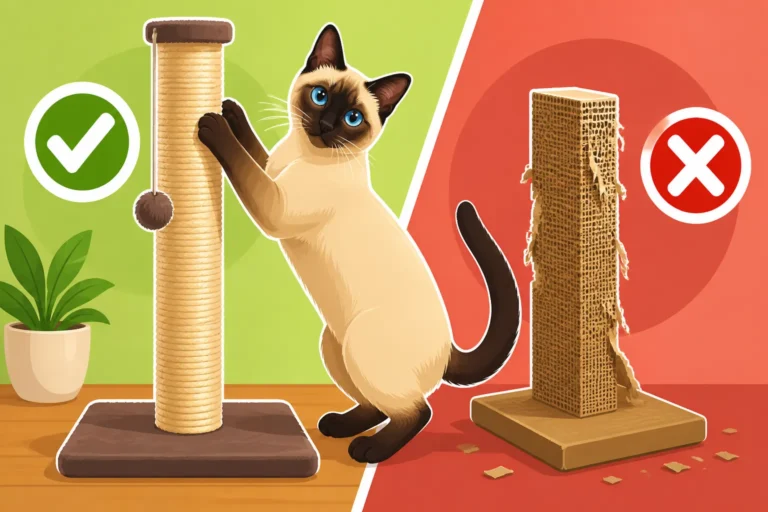
- Reduces Damage to Your Home: Let's be honest, this is often the most immediately appreciated benefit for owners! Shorter, duller nails are far less likely to cause significant damage to your furniture, curtains, and even your skin during playful interactions. While a scratching post is essential for healthy claw maintenance, trimming complements this by keeping the tips blunt.
- Promotes Good Posture: When nails are too long, cats can compensate by adjusting how they walk, putting unnatural pressure on their paws and leg joints. Keeping nails trimmed helps maintain proper paw structure and posture over their lifetime.
- Comfort for Older Cats: As Siamese cats age, they may become less active and less diligent in using scratching posts. Their nails can become brittle and prone to overgrowth. Regular trimming is especially important for senior Siamese cats to ensure their comfort and prevent mobility issues. Caring for a Siamese Cat Past Twelve highlights the importance of such care in their later years.
Tips for a Stress-Free Clipping Session
Turning nail trimming into a calm experience requires patience, positive reinforcement, and the right technique. Don't expect perfection on your first try!
- Start Early: If you have a kitten, begin handling their paws and gently pressing their nail beds from a young age, even before you introduce clippers. This desensitizes them to the sensation.
- Gather the Right Tools: Invest in good quality cat nail clippers. There are scissor-style and guillotine-style clippers; choose whichever feels most comfortable for you to handle. You can find excellent options on Amazon or Chewy. Keep styptic powder (or cornstarch) handy in case you accidentally cut too close to the quick.
- Choose a Calm Environment: Pick a time when your cat is relaxed, perhaps after a nap or a meal. Find a quiet spot away from distractions.
- Positioning: Hold your cat gently but securely. You might place them on your lap, facing away from you, or have someone else hold them.
- Identify the Quick: The "quick" is the pink part inside the nail that contains blood vessels and nerves. You absolutely want to avoid cutting this, as it's painful and will bleed. For clear nails, the quick is easy to see. For darker nails, you'll need to trim just the very tip, taking off small slivers at a time. If you're unsure, just take off the very sharp tip.
- The Snip: Gently press on the paw pad to extend the nail. Quickly and confidently snip off just the sharp, clear tip of the nail, angling it slightly away from the paw. Don't hesitate.
- Take Breaks and Reward: Don't try to do all nails at once, especially if your cat is new to this. Trim one or two claws, then praise and offer a high-value treat. You can do a few more later, or even spread it out over a day or two. The goal is to make it a positive experience, not a wrestling match.
- Consistency is Key: Aim for a trim every 2-4 weeks. How Often a Siamese Cat's Claws Need Cutting provides a deeper look into the frequency. Consistent, short sessions are far less stressful than infrequent, longer ones. If you're truly struggling, don't hesitate to ask your vet or a professional groomer to demonstrate the technique or perform the trims for you.
Dental Health: The Often-Overlooked Grooming Aspect
When we talk about grooming, most people immediately think of brushing fur or clipping nails. However, one of the most critical aspects of a Siamese cat's overall care and grooming routine is their dental health. It's often overlooked until a problem becomes severe, but consistent oral care can prevent a myriad of painful and costly issues down the road. Siamese cats, like many purebreds, can be particularly prone to dental problems, making this a non-negotiable part of their wellness.
Brushing Your Siamese Cat's Teeth
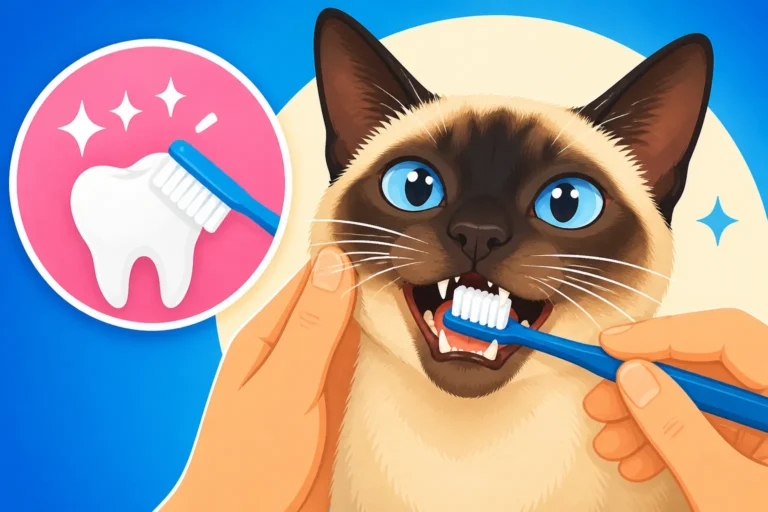
Yes, you can brush your cat's teeth! While it might sound daunting, it's the most effective way to prevent plaque and tartar buildup, which are the precursors to serious dental disease. Just like humans, cats develop bacterial plaque on their teeth daily, and if not removed, this hardens into tartar. Tartar then leads to gingivitis (inflammation of the gums) and eventually periodontal disease, which can cause pain, tooth loss, and even systemic health issues if bacteria enter the bloodstream.
Here’s how to introduce tooth brushing:
- Start Slowly and Positively: Begin by simply letting your cat lick a small amount of cat-specific toothpaste (never human toothpaste, which contains xylitol and other harmful ingredients) off your finger. Feline toothpastes come in appealing flavors like chicken or fish. Repeat this for several days.
- Introduce the Brush: Once they're comfortable with the taste, introduce a finger brush or a very soft, small cat toothbrush. Gently rub their gums and teeth, focusing on the outer surfaces of the upper teeth, where plaque tends to accumulate most. Don't expect a full brush on day one. A quick 30-second session is a victory!
- Consistency is Key: Ideally, brushing should be done daily or at least several times a week. The more often, the better. Short, positive sessions with lots of praise and treats are more effective than infrequent, stressful struggles. How to Brush a Siamese Cat's Teeth offers more guidance on this daily ritual.
- Early Intervention: Starting when your Siamese is a kitten makes the process much easier, as they'll grow up accustomed to it. Even if you have an adult cat, it's never too late to start, though it might take more patience.
This consistent effort dramatically reduces the risk of dental disease and keeps their breath fresher. It might seem like a small thing, but a healthy mouth contributes immensely to a cat's quality of life.
Alternative Dental Care Options
While brushing is the gold standard, sometimes it's simply not feasible for every cat or owner. Thankfully, there are supplementary strategies that can help, though they should never fully replace brushing or regular veterinary dental check-ups.
- Dental Diets: Specific prescription dental diets are formulated with kibble that is larger or has a unique texture designed to scrub the teeth as the cat chews. Some diets also contain ingredients that prevent plaque from adhering to the tooth surface. Brands like Hill's Prescription Diet t/d or Royal Canin Dental are often recommended by vets. While not a substitute for brushing, they can be a helpful addition, especially for cats prone to rapid plaque buildup.
- Dental Treats: Certain treats are designed to help clean teeth. Look for treats that have been clinically proven to reduce plaque and tartar, often carrying a Veterinary Oral Health Council (VOHC) seal of acceptance. These treats offer a mechanical abrasive action as the cat chews. However, treats should be given in moderation as part of a balanced diet and should not be relied upon as the sole solution for dental care.
- Water Additives: Some solutions can be added to your cat's drinking water that claim to reduce bacteria in the mouth and slow down plaque formation. While they might offer some benefit, their efficacy can vary, and many cats are finicky about changes to their water, so results aren't always guaranteed.
- Regular Veterinary Dental Check-ups: Regardless of your at-home efforts, routine veterinary dental exams are paramount. Your vet will assess your cat's oral health annually and recommend professional dental cleanings under anesthesia when necessary. These cleanings allow for thorough scaling (removing plaque and tartar above and below the gumline), polishing, and examination for issues like Gingivitis in a Siamese Cat or tooth resorption. Most Siamese cats will need at least one or more professional dental cleanings in their lifetime, especially as they age. How Often a Siamese Cat Needs a Dental is a great resource for understanding the frequency and importance of these professional cleanings. Early and consistent dental care is an investment in your Siamese's long-term health and comfort.
Addressing Specific Grooming Challenges
While Siamese cats are generally low-maintenance in the grooming department, it doesn't mean they're entirely immune to problems. Every cat is an individual, and sometimes, even the sleekest Meezer can encounter a grooming-related challenge. Being prepared for these less common issues means you can address them quickly, keeping your cat comfortable and healthy. It's about knowing when your home care is sufficient and when it's time to call in the professionals.
Dealing with Mats or Skin Irritations
Mats are notoriously rare in Siamese cats due to their short, fine, and single-layered coat. Unlike long-haired breeds where mats are a constant battle, a Siamese would typically only develop a mat under very specific circumstances:
- Elderly or Ill Cats: As a Siamese ages or if they become ill, their self-grooming can decline significantly. This can lead to fur becoming greasy, clumping, or, in severe cases, matting, especially in hard-to-reach areas like the hindquarters or under the chin. Why an Aging Siamese Cat Stops Grooming provides context on this.
- Obesity: Overweight cats may struggle to groom their backs and hindquarters effectively, making these areas more susceptible to tangles or mats.
- Accidental Exposure: If your cat gets something sticky (like sap or glue) in their fur, it can quickly clump and mat.
If you do find a small mat:
- Gentle Detangling: Try to gently tease it apart with your fingers. If it's small and not too tight, a fine-toothed comb might help. Always work slowly and carefully from the outside edges of the mat.
- Never Pull or Cut with Scissors: Pulling on a mat is incredibly painful for your cat. Never try to cut a mat out with scissors unless you are absolutely sure of what you are doing. Cat skin is very thin and loose, making it incredibly easy to accidentally cut your cat, which can lead to severe injury and expensive vet visits.
- Skin Irritations: Beyond mats, skin irritations like dry patches, dandruff, redness, or bumps can occur. These can be caused by allergies (food or environmental), parasites (fleas, mites), fungal infections, or even stress-related over-grooming (psychogenic alopecia). If you notice persistent skin issues, consult your vet. They can diagnose the cause and recommend appropriate treatments, such as medicated shampoos or dietary changes.
When to Seek Professional Grooming Help
While the majority of Siamese grooming can be handled at home, there are definitely times when bringing in a professional groomer or your veterinarian is the smartest, safest option. Knowing your limits and prioritizing your cat's comfort and well-being is key.
Here are scenarios where professional help is invaluable:
- Severe Matting: If your Siamese develops mats that are extensive, tight, or close to the skin, do not attempt to remove them yourself. A professional groomer or a vet can safely shave them out, often under sedation if the matting is severe and painful.
- Aggressive or Fearful Cats: Some cats simply do not tolerate grooming, no matter how patient or gentle you are. If your cat becomes aggressive, extremely stressed, or tries to bite or scratch during grooming sessions, it’s safer for both of you to let a professional handle it. They have specialized tools, techniques, and experience in handling difficult felines.
- Medical Conditions: For cats with underlying skin conditions, therapeutic baths or specific coat treatments might be necessary. Your vet can advise on this or refer you to a groomer experienced with medical grooming.
- Difficulty with Nail Trims: If you consistently hit the quick, struggle to hold your cat, or are simply too nervous to trim their nails, a vet technician or professional groomer can perform this task quickly and safely. They can also show you techniques to make it easier.
- General Grooming Neglect: In rare cases where a cat's grooming has been neglected, leading to overall poor coat condition, a professional can give them a fresh start and advise you on how to maintain it going forward.
- Dental Procedures: As mentioned earlier, while at-home dental care is vital, professional dental cleanings under anesthesia performed by a veterinarian are often necessary to truly address plaque and tartar buildup below the gumline. Teeth Are the Care Job a Siamese Cat Owner Cannot Skip emphasizes this critical point.
Don't feel guilty about seeking professional help. A good groomer or vet team is there to support you and ensure your Siamese receives the best possible care, even for tasks you find challenging.
The Joy of Grooming: Bonding and Health Benefits
Grooming your Siamese cat isn't just about maintaining their physical appearance; it's a deeply enriching activity that offers profound benefits for both you and your feline companion. Far from being a chore, these dedicated moments can become cherished rituals, strengthening your connection and providing invaluable insights into your cat's health.
Strengthening Your Bond Through Grooming
The very act of gently brushing, petting, and examining your Siamese is a powerful form of communication. It mimics the natural allogrooming (social grooming) that cats do with each other, reinforcing social bonds and trust. When you take the time to groom your cat, you’re essentially speaking their language, telling them, "I care for you, I’m here for you, and you are safe with me."
Consider these aspects of bonding during grooming:
- Touch and Affection: Many Siamese cats are incredibly affectionate and crave interaction. A grooming session provides concentrated, positive physical contact. The rhythmic strokes of a brush can be incredibly soothing for them, often leading to purring, kneading, and leaning into your touch. This creates a positive feedback loop, making them associate grooming with pleasure and attention.
- Communication: During grooming, you learn your cat’s preferences. Do they like being brushed on their belly? Are they sensitive around their tail? This understanding deepens your appreciation for their individuality and helps you tailor your interactions to their comfort, building a stronger foundation of trust.
- Routine and Predictability: Cats thrive on routine. Establishing a regular grooming schedule provides a predictable, comforting activity in their lives. They learn to anticipate these moments of one-on-one attention, which can reduce anxiety and enhance their sense of security within their environment.
- Quality Time: In our busy lives, carving out dedicated, distraction-free time with our pets is precious. Grooming offers that opportunity. It’s a chance to simply be present with your Siamese, observing their contentment, and reinforcing the unique connection you share. This focused attention is something all Siamese cats crave. As A Siamese Cat Will Not Be Ignored suggests, they definitely want your attention, and grooming is a perfect way to give it to them.
Early Detection of Health Issues
Beyond the emotional benefits, regular grooming is an incredibly effective tool for proactive health monitoring. By routinely running your hands and a brush over your cat's body, you become intimately familiar with what their healthy skin and body feel like. This familiarity makes you far more likely to notice subtle changes that could indicate an emerging health problem.
Think of yourself as their first line of defense:
- Skin and Coat Abnormalities: You might spot dry, flaky skin, excessive oiliness, dandruff, or patches of hair loss. These can be early signs of nutritional deficiencies, allergies, parasites, or underlying systemic illnesses like hyperthyroidism in older cats. Hyperthyroidism in an Older Siamese Cat is one such condition where changes to coat health can be an indicator.
- Lumps and Bumps: Feeling your cat's body during grooming allows you to detect new lumps, bumps, or swelling. While many might be benign, catching a cancerous growth early can significantly improve treatment outcomes.
- Parasites: You're more likely to spot fleas, ticks, or signs of mites when you're systematically examining your cat's fur and skin. Early detection means faster treatment and preventing infestations.
- Pain or Discomfort: If your cat flinches, cries out, or shows unusual sensitivity when you touch a specific area during grooming, it could indicate pain from an injury, arthritis, or another health issue. For example, joint stiffness in an older cat might be noticed first during a grooming session.
- Dental Problems: While brushing is ideal, even visual checks during grooming can alert you to red gums (gingivitis), broken teeth, or foul breath, prompting a vet visit.
- Weight Changes: As you handle your cat, you’ll naturally become aware of any significant weight loss or gain, which can be indicators of various health concerns. Why a Siamese Cat Stays So Thin is a good read on how their naturally lean build makes weight changes especially noticeable.
Regular grooming transforms you into an astute observer of your Siamese's health. It’s a habit that offers immense rewards, providing not only a beautiful, well-cared-for cat but also peace of mind knowing you're doing everything you can to keep them thriving.
| Grooming Task | Frequency (Typical Siamese) | Essential Tools | Key Benefit | When to Call a Pro |
|---|---|---|---|---|
| Brushing | 1-2 times a week | Rubber curry brush, grooming glove, soft brush | Removes loose hair, skin health, bond, early checks | Severe matting (rare), skin issues requiring medicated brush |
| Bathing | Rarely (as needed) | Cat-specific shampoo, towels, non-slip mat | Cleans excessive dirt/oil, medical treatments | Aggressive/fearful cat, severe skin conditions |
| Ear Checks | Weekly (visual) | Cotton balls, clean damp cloth (for outer ear) | Detects infection/mites, prevents buildup | Redness, discharge, odor, pain, head shaking |
| Eye Checks | Daily (visual) | Soft damp cloth/cotton ball | Detects irritation/discharge, injury | Persistent tearing, colored discharge, squinting |
| Nail Trimming | Every 2-4 weeks | Cat nail clippers, styptic powder | Prevents overgrowth, pain, injury, furniture damage | Fear/aggression, difficulty locating quick, ingrown nails |
| Dental Care | Daily (brushing), Annual (vet) | Cat toothbrush, cat toothpaste, dental treats/diet | Prevents plaque/tartar, gum disease, tooth loss | Gingivitis, broken teeth, bad breath, professional cleaning |
Disclaimer
This article is for general informational purposes only and does not constitute professional advice. Laws, prices and regulations vary by location and change over time. Consult a qualified professional for guidance on your specific situation.