Which Protein Level Suits a Siamese Cat
It can be incredibly confusing trying to figure out the perfect diet for your beloved Siamese cat. You want them to thrive, to keep that sleek, athletic body and boundless energy, but every cat food bag seems to have different numbers and conflicting advice. This guide is here to cut through that noise and help you understand exactly what kind of protein level truly suits your unique Siamese, ensuring they get the optimal nutrition they need to stay healthy and happy.
Understanding the Siamese Cat's Unique Metabolism and Protein Needs
Siamese cats are, in many ways, feline athletes. They're built for speed and agility, not for lounging around all day (though they certainly enjoy a good cuddle!). Their physiology is geared towards high energy expenditure, and their dietary needs reflect this active lifestyle.
Why Siamese Cats Are Naturally Lean and Energetic
If you’ve ever lived with a Siamese, you know they are perpetually in motion. They jump, climb, "talk," and seem to burn off calories just by existing. This high activity level is paired with a naturally lean, muscular physique. Unlike some other breeds that can easily pack on extra pounds, Siamese cats often maintain a slender profile, almost feeling bony to the touch, even when perfectly healthy. This isn't a sign of being underweight but rather a testament to their efficient metabolism.
Their lean body mass means they require consistent fuel to maintain muscle tone and support their energetic antics. Think of them as tiny, furry sports cars; they need high-octane fuel to keep performing at their best. A diet that doesn't account for this can leave them feeling sluggish or, over time, lead to a decline in their physical condition. It's a delicate balance, and understanding their inherent need for quality fuel is the first step in proper feeding. This ties directly into understanding Why a Siamese Cat Feels Bony even when adequately fed.
The Role of Protein in a Feline Diet
For any cat, protein isn't just a component of food; it's the foundation of their diet. Cats are obligate carnivores, meaning they must eat meat to survive and thrive. Their bodies are specifically designed to process animal-based protein, which provides them with essential amino acids that they cannot synthesize on their own from plant sources. These amino acids are the building blocks for everything from muscle tissue and healthy skin and coat to enzymes, hormones, and a robust immune system.
For a Siamese, with their high metabolic rate and lean muscle mass, protein is even more crucial. It provides sustained energy without the spikes and crashes associated with high carbohydrate diets, which cats are not well-equipped to digest in large quantities. Adequate protein ensures that their muscles remain strong, their energy levels are consistent for all their playtime and vocalizations, and their overall health is supported. Without sufficient, high-quality protein, a Siamese cat's health can quickly decline, leading to issues like muscle wastage, dull coat, and lowered immunity. This is especially true for Feeding a Lean Siamese Cat That Burns Everything.
Deciphering "Ideal" Protein Levels for Your Siamese
Navigating cat food labels can feel like trying to solve a complex puzzle, especially when it comes to protein percentages. Understanding what these numbers actually mean for your Siamese is key to making informed dietary choices.
What Regulatory Bodies Recommend and Why It's a Baseline
When you look at a bag of cat food, you'll often see statements like "Meets AAFCO nutritional standards." AAFCO, the Association of American Feed Control Officials, sets minimum nutritional requirements for pet foods in the United States. For adult cat maintenance, their guidelines generally recommend a minimum of 26% crude protein on a dry matter basis. For growth and reproduction (think kittens and pregnant or lactating queens), that minimum jumps to 30%.
It's vital to understand what "dry matter basis" means because it's where most owners get confused. The percentage you see on a label is usually "as fed," meaning it includes the moisture content. Wet food, by its nature, has much higher moisture than dry kibble, so its "as fed" protein percentage will look lower, even if it's higher in protein on a dry matter basis.
Here's how to calculate dry matter protein:
- Find the "guaranteed analysis" on the food label.
- Note the "crude protein" percentage and the "moisture" percentage.
- Subtract the moisture percentage from 100% to get the dry matter percentage.
- Divide the crude protein percentage by the dry matter percentage.
- Multiply by 100 to get the dry matter protein percentage.
Example:
Let's say a wet food has 10% crude protein and 80% moisture.
- Dry matter percentage = 100% – 80% = 20%
- Dry matter protein = (10% / 20%) * 100 = 50%
A dry kibble with 30% crude protein and 10% moisture would be:
- Dry matter percentage = 100% – 10% = 90%
- Dry matter protein = (30% / 90%) * 100 = 33.3%
As you can see, the wet food, despite having a lower "as fed" protein, actually has a significantly higher protein content once the water is removed.
| Food Type | Crude Protein (As Fed) | Moisture | Dry Matter (100% – Moisture) | Dry Matter Protein Calculation | Dry Matter Protein |
|---|---|---|---|---|---|
| Wet Food | 10% | 80% | 20% | (10 / 20) * 100 | 50% |
| Dry Kibble | 30% | 10% | 90% | (30 / 90) * 100 | 33.3% |
These AAFCO minimums are crucial as a baseline, but for an active, highly metabolic breed like the Siamese, simply meeting the minimum isn't always optimal. It's like giving a marathon runner the bare minimum calories to survive; they'll get by, but they won't perform at their peak.
Optimal Protein for an Active Siamese Cat
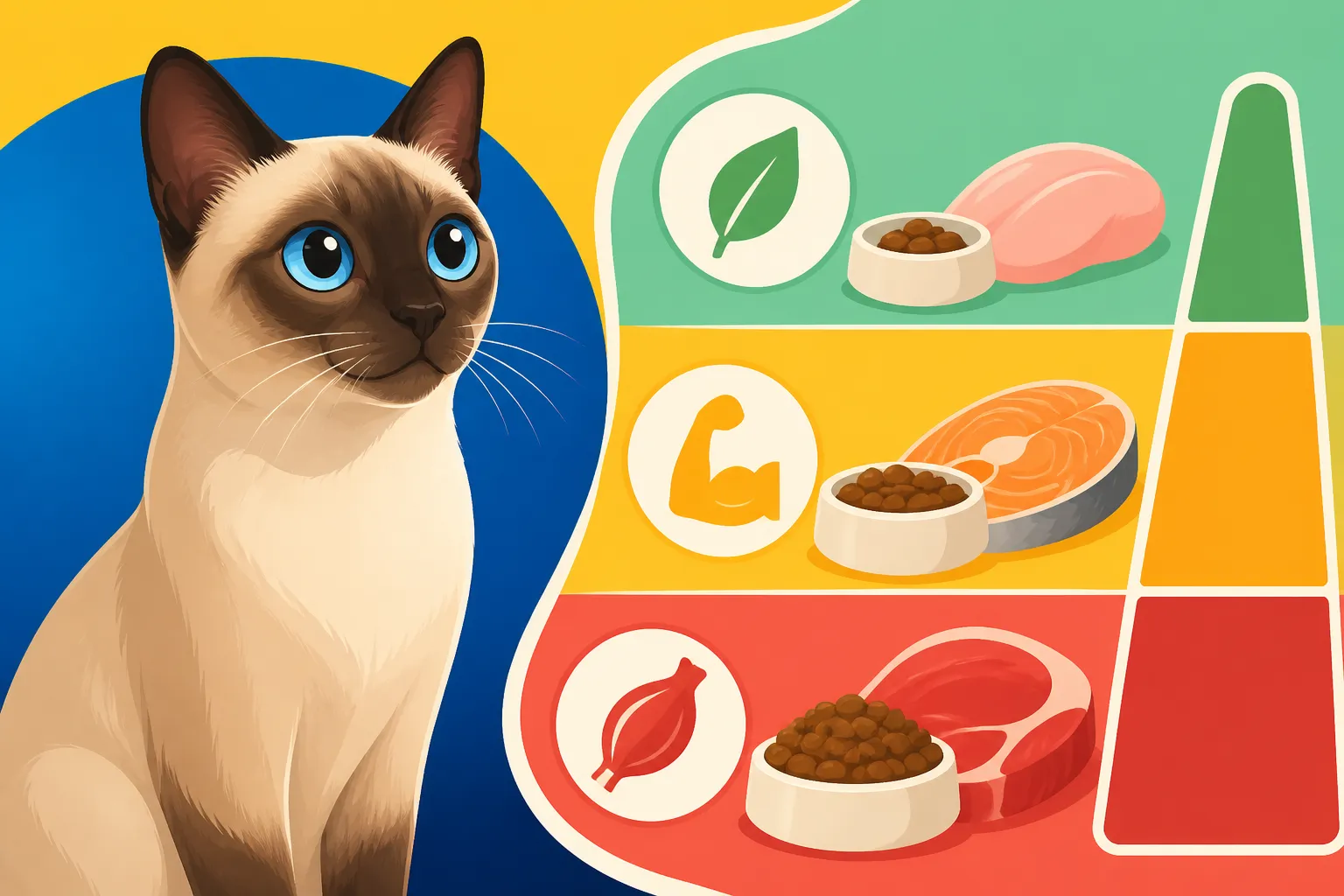
Given their high energy levels and lean muscle mass, an active Siamese cat generally thrives on a diet with a higher protein content than the bare minimums. Many feline nutritionists and experienced Siamese owners find that a protein level between 35-50% on a dry matter basis is more appropriate for adult Siamese cats. For growing kittens, this can even be higher, reaching 40-55% to support their rapid development.
This higher protein intake helps maintain their lean muscle, supports their energetic lifestyle, and provides a more satiating diet that aligns with their carnivorous nature. It helps keep their blood sugar stable, which is important for sustained energy throughout the day, preventing those "hangry" yowls that Siamese are so famous for! When considering How Many Calories a Siamese Cat Needs a Day, remember that a good portion of those calories should come from high-quality protein.
It's not just about the quantity of protein, though, but also the quality. Protein from animal sources like muscle meat and organs is far more digestible and biologically appropriate for cats than protein derived heavily from plants. Ingredients like chicken meal, deboned salmon, turkey, and beef are excellent sources of the complete amino acid profile your Siamese needs. You're aiming for a diet that fuels their natural athleticism and keeps their What a Healthy Siamese Cat Weighs in the ideal, slender range.
Choosing the Right Food: Practical Considerations
Once you understand the protein percentages, the next step is putting that knowledge into practice at the pet store. Choosing the right food means becoming a savvy label reader and knowing what to look for beyond just the headline claims.
Reading Food Labels and Ingredient Lists
This is where the rubber meets the road. Don't just look at the big, bold "chicken flavored" claim on the front of the bag or can. Flip it over and scrutinize the ingredient list.
Here’s what to look for:
- First Few Ingredients: The first three to five ingredients on the list make up the bulk of the food. For a Siamese, you want to see named animal protein sources right at the top. This means things like "chicken," "turkey," "salmon," "beef," "lamb," or "duck." "Chicken meal," "turkey meal," or "fish meal" are also excellent protein sources. Meals are concentrated forms of meat with the water removed before processing, so they often contain even more protein per serving than whole, fresh meat (which contains a lot of water).
- Avoid Vague Terms: Be wary of vague terms like "meat by-products," "animal digest," or "poultry by-products" being the primary protein source. While some by-products can be nutritious (like organ meats), vague labeling doesn't tell you the quality or source. If these are further down the list, they might be acceptable, but they shouldn't be the main event.
- Limit Fillers and Excess Carbs: Cats don't need a lot of grains, corn, soy, or potatoes. While some may be present, particularly in dry kibble to bind it, they shouldn't be high on the ingredient list. These are often cheaper fillers that dilute the protein content and can contribute to digestive issues or unnecessary weight gain in less active cats.
Brands found at retailers like Chewy often provide detailed ingredient breakdowns online, allowing you to research specific formulas before you even step foot in a store. Many fresh food options also highlight their named meat sources clearly, which can be a good benchmark for what quality animal protein looks like.
For a comprehensive guide, check out Which Food Suits a Siamese Cat.
Wet vs. Dry Food: Protein Content and Hydration
The debate between wet and dry food is ongoing, but for Siamese cats, wet food often holds a distinct advantage, particularly concerning hydration and protein density on a dry matter basis.
- Hydration: Cats, by nature, don't have a strong thirst drive. In the wild, they get most of their moisture from their prey. Dry kibble has very low moisture content (around 10%), while wet food can be 70-80% water. Consistent hydration is critical for overall health and plays a significant role in preventing common feline issues like urinary tract problems and kidney disease, especially as cats age. This is something to consider particularly when learning about Kidney Disease in an Older Siamese Cat.
- Protein Density: As we discussed with the dry matter basis calculation, wet food often provides a higher protein percentage per calorie consumed, even if the "as fed" label looks lower. This makes it an excellent choice for an active Siamese needing that dense, animal-based nutrition.
- Carbohydrates: Dry kibble generally contains more carbohydrates (needed for extrusion and shape) than wet food. A higher protein, lower carbohydrate diet is generally considered more species-appropriate for cats.
While some Siamese cats do perfectly well on a high-quality dry kibble, incorporating wet food into their diet is often recommended for the hydration benefits alone. If you're wondering Whether a Siamese Cat Needs Wet Food, the answer is often a resounding yes, or at least a strong consideration for a significant portion of their diet.
Considering Specific Life Stages and Health Conditions
A cat's protein needs aren't static; they change throughout their life and can be influenced by health.
- Kittens: Growing kittens, including Siamese kittens, require significantly more protein to fuel their rapid growth and development. Their diets should typically contain 40-55% protein on a dry matter basis. Look for foods specifically formulated for kittens or "all life stages." What a Siamese Cat Kitten Should Eat will give you more details here.
- Adult Cats: As discussed, active adult Siamese cats generally thrive on 35-50% dry matter protein.
- Senior Cats: This is where it gets a little nuanced. Older cats often lose muscle mass as they age, a condition called sarcopenia. To combat this, senior cats actually benefit from higher quality protein, not lower, to help maintain their muscle. However, if a senior Siamese has specific health conditions, such as advanced kidney disease, their vet might recommend a restricted protein diet to ease the burden on their kidneys. This is a very specific medical recommendation and should only be followed under strict veterinary guidance. Generally, for healthy senior cats, maintaining good protein intake is important for Caring for an Old Siamese Cat.
- Health Conditions: Any cat with a pre-existing health condition (e.g., specific liver issues, certain urinary problems) might have different protein requirements. Always consult your veterinarian for tailored dietary advice if your Siamese has any health concerns.
Monitoring Your Siamese Cat's Response to Their Diet
The ultimate test of whether a protein level suits your Siamese cat isn't just on the label – it's in their overall health, demeanor, and physical condition. You are their best advocate, and observing them closely will tell you more than any bag ever could.
Signs of a Well-Nourished Siamese
When your Siamese is getting the right amount and quality of protein, alongside other essential nutrients, you'll see it in their vibrant health.
Here are some key indicators:
- High Energy Levels: Your Siamese should be playful, alert, and curious. They should engage in regular bursts of activity, chasing toys, climbing, and vocalizing their demands for attention. A lethargic Siamese is often a sign something isn't quite right.
- Sleek, Shiny Coat: A healthy coat is soft to the touch, lies flat against their body, and has a beautiful sheen. It should be free from excessive shedding, dandruff, or greasy patches. Poor quality protein can lead to a dull, dry, or brittle coat.
- Good Muscle Tone: Even though they're lean, your Siamese should feel firm and muscular, not flabby or weak. You should be able to feel their ribs easily, but they shouldn't protrude sharply. This is a sign their diet is supporting their lean physique effectively.
- Healthy Weight: They should maintain a consistent, healthy weight appropriate for their age and build. Regular vet check-ups can help monitor this, and your vet can show you how to do a body condition score at home.
- Consistent Digestion: Healthy bowel movements are firm, well-formed, and consistent. Diarrhea or constipation can be signs of dietary issues, including an inappropriate protein source or level.
- Clear, Bright Eyes: Their distinctive blue eyes should be clear and bright, free from discharge or excessive tearing.
Ultimately, a well-nourished Siamese is a happy, engaged, and thriving companion. When they’re feeling their best, you’ll know it. This contributes greatly to How Healthy the Siamese Cat Actually Is.
When to Consult Your Vet About Protein
While this guide provides general recommendations, your veterinarian is your most important resource for personalized dietary advice. Don't hesitate to reach out to them if you observe any of the following:
- Sudden Weight Loss or Gain: Any unexplained change in your cat's weight warrants a vet visit.
- Changes in Coat Quality: If their coat suddenly becomes dull, greasy, or they start shedding excessively, it could signal a nutritional deficiency or an underlying health issue.
- Decreased Energy or Lethargy: If your normally energetic Siamese seems unusually tired or disinterested in play, it's time for a check-up.
- Digestive Issues: Persistent vomiting, diarrhea, or constipation needs veterinary attention.
- Muscle Loss: If you notice your Siamese losing muscle mass, particularly over their spine or hindquarters, it's a serious concern that needs to be addressed.
- Existing Health Conditions: If your Siamese has been diagnosed with any medical condition, especially kidney disease, liver disease, or diabetes, their dietary protein needs might change dramatically. Your vet will guide you on the best protein level and type of food to manage their condition.
Remember, a high-protein diet is generally excellent for most healthy Siamese cats, but there are always individual exceptions and specific medical needs that override general guidelines. Working with your vet ensures that your Siamese receives the most appropriate and beneficial nutrition throughout their life.
Disclaimer
This article is for general informational purposes only and does not constitute professional advice. Laws, prices and regulations vary by location and change over time. Consult a qualified professional for guidance on your specific situation.