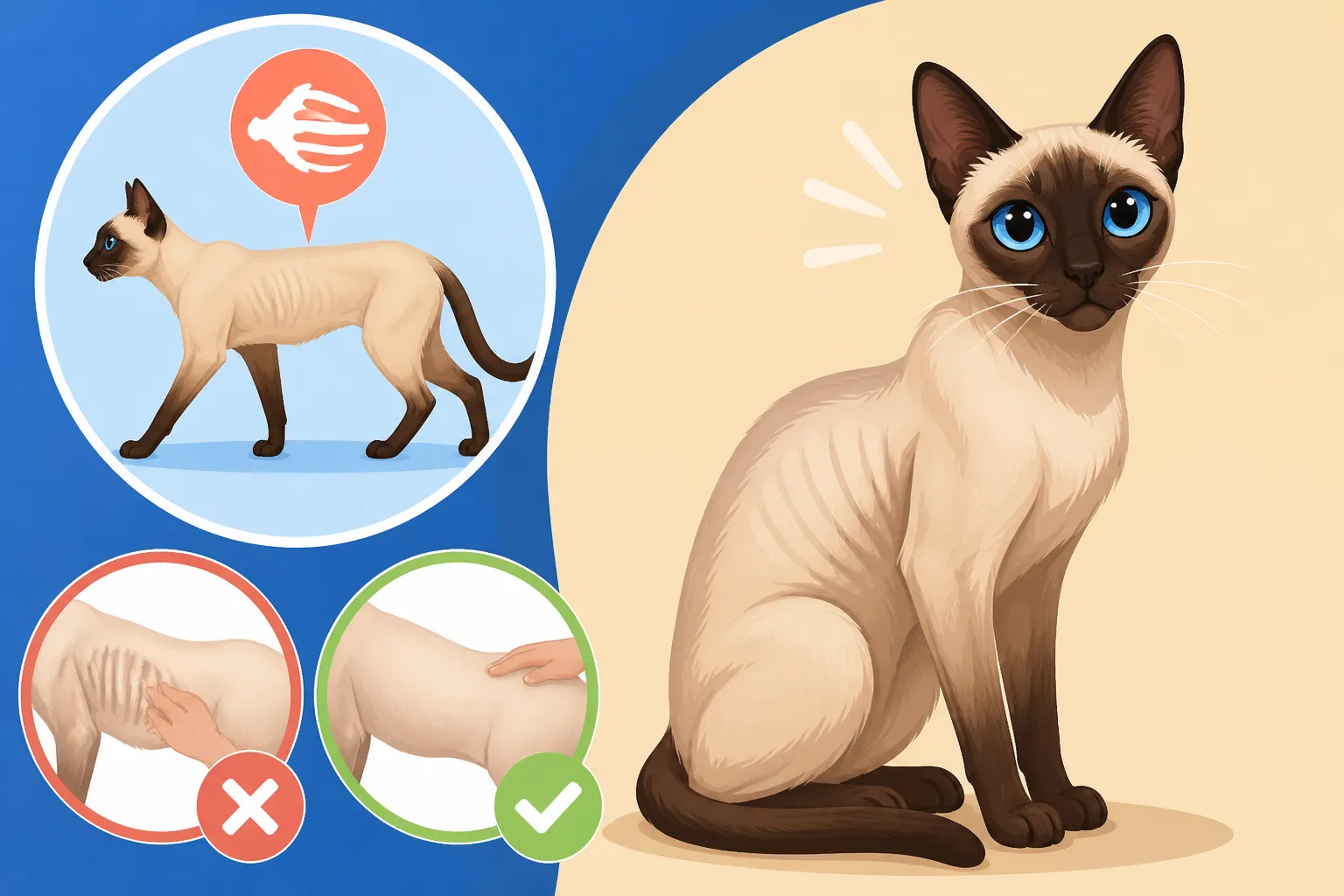
How to Tell If a Siamese Cat Is Too Thin
It’s a common worry for many Siamese cat owners: you look at your sleek, slender companion and can’t help but wonder if they’re eating enough, or if that lean physique is actually a sign they’re too thin. It’s easy to second-guess yourself, especially when you compare them to fluffier, more substantial breeds. This guide is here to help you understand the unique Siamese build and give you practical ways to determine if your beloved feline friend is healthy and lean, or genuinely underweight and potentially in need of a vet check.
Understanding the Siamese Build: Naturally Lean, Not Necessarily Thin
Siamese cats are celebrated for their elegant, almost ethereal appearance. Their lithe bodies and refined features are part of their charm, but they can also cause a lot of anxiety for owners who aren't sure what "healthy" looks like for such a distinctive breed. It's crucial to remember that a Siamese is built differently from many other domestic cats, and what might look "thin" on another breed could be perfectly normal for them.
The Siamese Cat's Unique Physique
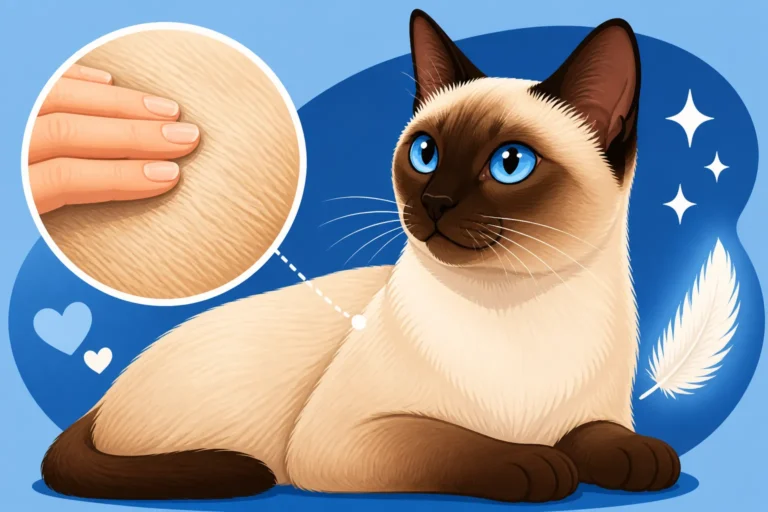
The Siamese is renowned for its svelte, athletic body. They have long, tubular bodies, slender legs, and a finely-boned structure. Their heads are typically wedge-shaped, with large ears that accentuate their delicate facial features. This elegant build is often described as "foreign" or "oriental" in cat fancy terms, distinguishing them from the more cobby or muscular breeds you might be familiar with. This isn't a cat designed for bulk; it's a cat designed for agility and grace. Their short, fine coat also means there's no extra fluff to mask their true body condition, making their lean musculature very apparent. This often leads owners to mistakenly believe their cat is too thin when, in fact, they are in peak condition. For more on their natural build, you might find Why a Siamese Cat Stays So Thin helpful.
Why Their Metabolism Runs High
One of the fascinating aspects of the Siamese cat is their incredibly active metabolism. These cats are bundles of energy, always on the go, playing, exploring, and of course, vocalizing! This high level of activity means they burn through calories at a faster rate than many other cat breeds. They're like little feline athletes, constantly fueling their boundless curiosity and playful antics. Because of this, they often need more calories per pound of body weight than a less active, more sedentary cat. If you've ever felt like your Siamese eats a lot but never seems to gain an ounce, their high metabolism is likely the reason. It's a key factor in maintaining their naturally lean physique, and it means that their food intake needs to match their energy output.
Visual Cues of a Healthy Lean Siamese
So, what does a healthy, lean Siamese look like? When you view your Siamese from above, they should have a clear "waist" indentation just behind their ribs, but it shouldn't be overly dramatic or pinched. Their ribs, spine, and hip bones should be palpable when you gently run your hands over them, but not sharply protruding or visible from a distance without careful observation. Their muscles should feel firm and well-developed, not soft or wasted. They should be active, playful, and have a gleaming coat and bright, clear eyes. Think of a well-conditioned athlete: defined but not emaciated. They should have a good energy level and a healthy appetite. You can often get a good sense of your cat's condition by observing them as they move; a healthy Siamese will be fluid and graceful, not hesitant or unsteady. What a Healthy Siamese Cat Weighs can offer more insights into their ideal weight range.
Key Indicators of Underweight in a Siamese Cat
While a lean build is characteristic of the Siamese, there's a definite line between healthy leanness and being underweight. Recognizing these key indicators is crucial for their well-being. It’s not just about what you see; it’s also about what you feel and how your cat behaves. When in doubt, a gentle hands-on examination is always more reliable than a quick glance.
The Rib Test: Feeling for Bony Protrusions
This is one of the most reliable ways to assess your cat's body condition. Gently run your fingers along your Siamese cat's sides, just behind their front legs. You should be able to feel their ribs, but they shouldn't feel like they're just under the skin with no padding at all.
- Healthy Lean Siamese: You can easily feel the individual ribs, but there should be a thin layer of muscle and fat covering them, making them feel smooth rather than sharp.
- Underweight Siamese: The ribs will feel very prominent, sharp, and distinct, with little to no fat or muscle covering them. It might feel like you're touching the bones directly through the skin. This isn't just "feeling" the ribs; it's feeling them protrude noticeably.
If your fingers sink in between the ribs and the bones feel incredibly distinct, almost knife-like, it's a strong indicator your Siamese might be too thin. This sensation is often accompanied by a visible lack of contour, where the ribs create a rippled appearance under the skin, rather than a smooth, defined curve.
Spine and Hip Bones: More Than Just Prominent
Beyond the ribs, paying attention to the spine and hip bones can also tell you a lot.
- Healthy Lean Siamese: You should be able to feel the bumps of their vertebrae (spine) when you run your hand along their back, especially if they arch slightly. Similarly, the hip bones at the base of their tail should be palpable, but again, with a slight covering of muscle. They might be visible when your cat stretches or changes position, but not constantly jutting out.
- Underweight Siamese: If your cat is underweight, their spine will feel incredibly prominent, like a string of beads right under the skin, with no cushioning whatsoever. You might even see the individual vertebrae sticking up, especially along the lower back. The hip bones will also be very sharp and visible, often creating a harsh angularity to their hindquarters. It's a stark difference from a healthy lean cat where these bones are discernible but integrated into the overall sleek musculature. This level of prominence suggests a significant loss of muscle and fat.
Muscle Wasting and General Weakness
One of the most concerning signs of a cat being truly underweight is muscle wasting. This isn't just about fat loss; it's about the cat's body breaking down its own muscle tissue for energy.
- Visual Cues: Look for areas like the hindquarters, shoulders, and along the spine. If these areas appear sunken or less full than usual, it could indicate muscle loss. The legs might look even thinner and more spindly than normal for a Siamese.
- Palpation: Gently squeeze the muscles on your cat's thighs. They should feel firm and robust. If they feel soft, squishy, or noticeably reduced in volume, that's a red flag.
- Behavioral Changes: An underweight Siamese might also show signs of general weakness. They might be less active, have trouble jumping or climbing, or simply seem lethargic. Their coat might lose its luster, becoming dull or flaky. You might notice they sleep more, play less, or are generally less responsive. These are all critical signs that something isn't right. If you notice any of these more serious indicators, it’s time to consult with your veterinarian.
Here's a quick comparison table to help you assess your Siamese:
| Feature | Healthy Lean Siamese | Underweight Siamese |
|---|---|---|
| Ribs (feel) | Easily felt, with a thin, smooth layer of tissue/muscle. | Very prominent, sharp, distinct, little to no covering. |
| Ribs (visual) | May be visible with movement or deep breath, but not prominent. | Clearly visible, often creating a rippled appearance under fur. |
| Waist (visual) | Distinct "tuck" behind ribs when viewed from above. | Severely pinched waist, almost concave; dramatic hourglass. |
| Spine (feel) | Bumps of vertebrae felt, but cushioned by muscle. | Individual vertebrae feel sharp and exposed, like beads. |
| Spine (visual) | Smooth line; may see slight bumps when stretched. | Clearly visible, often prominent and angular. |
| Hip Bones (feel) | Palpable, with some muscle definition. | Very prominent, sharp, and angular, with little cushioning. |
| Muscle Mass | Firm, well-defined, especially in hindquarters. | Reduced, soft, or visibly sunken, indicating muscle wasting. |
| Energy Level | High, active, playful. | Lethargic, less active, hesitant to jump or play. |
| Coat Condition | Sleek, shiny, fine. | Dull, dry, sometimes flaky, may show poor grooming. |
Factors That Can Lead to Underweight in a Siamese
If you suspect your Siamese cat is genuinely too thin, it’s important to understand the potential reasons behind it. It's not always as simple as "not eating enough." There can be a combination of factors at play, ranging from their diet to underlying health conditions. Getting to the root cause is essential for helping your cat regain a healthy weight.
Dietary Issues and Nutritional Needs
Even with their high metabolism, a Siamese cat needs sufficient, high-quality nutrition to thrive. Sometimes, being underweight can stem directly from their diet.
- Insufficient Calories: Are you feeding enough? Given their energy levels, many Siamese cats need more food than other breeds. It’s worth checking the feeding guidelines on your cat's food packaging and consulting your vet about the appropriate caloric intake for your specific cat's age, activity level, and current weight. How Much an Adult Siamese Cat Eats delves deeper into this topic.
- Inadequate Nutritional Value: Not all cat foods are created equal. Some cheaper foods might be calorie-dense but lack the necessary protein and nutrients a highly active Siamese needs. Look for foods with high-quality animal protein as the primary ingredient. Brands found on platforms like Chewy offer a wide selection with detailed nutritional information to help you compare.
- Picky Eaters: Siamese cats can be notoriously finicky. They might turn up their nose at a perfectly good food if it doesn't meet their standards. If your cat isn't eating enthusiastically, consider trying different flavors, textures (wet vs. dry), or even a fresh food option. Ensure fresh water is always available, perhaps even a flowing water fountain, as hydration is also key to overall health.
- Competition in Multi-Cat Households: In homes with multiple cats, a more timid Siamese might not be getting enough to eat if another cat is monopolizing the food bowls. Observe feeding times closely to ensure everyone is getting their fair share.
Underlying Health Conditions to Consider
A sudden or gradual weight loss in a Siamese cat, especially if accompanied by other symptoms, is often a red flag for an underlying health issue. Their lean build can sometimes mask subtle changes until they become more severe.
- Gastrointestinal Problems: Conditions like inflammatory bowel disease (IBD), parasites, or malabsorption issues can prevent your cat from properly digesting and absorbing nutrients, leading to weight loss despite eating.
- Hyperthyroidism: This is a common condition in older cats where the thyroid gland produces too much hormone, leading to a significantly increased metabolism and rapid weight loss, often despite a ravenous appetite. Hyperthyroidism in an Older Siamese Cat is a relevant read here.
- Kidney Disease: As cats age, kidney function can decline, leading to a loss of appetite, nausea, and weight loss. Kidney Disease in an Older Siamese Cat provides more information on this.
- Dental Disease: Painful teeth or gums can make eating difficult and unpleasant, leading to reduced food intake and weight loss. Dental Disease in a Siamese Cat highlights the importance of oral health.
- Diabetes: Though often associated with obesity, diabetes can also cause weight loss as the body struggles to utilize glucose effectively.
- Cancer: Unfortunately, various forms of cancer can lead to cachexia (wasting syndrome) and significant weight loss. Which Cancers a Siamese Cat Gets offers a broader understanding of cancer risks.
- Stress or Anxiety: While not a physical disease, chronic stress or anxiety can impact a cat's appetite and digestive health, potentially leading to weight loss. Environmental changes, new pets, or even a change in routine can sometimes trigger this. What Psychogenic Alopecia Does to a Siamese Cat touches on stress-related issues.
If your cat is losing weight without a clear explanation, or if they are showing any other signs of illness, a vet visit is absolutely essential.
Stress, Environment, and Activity Levels
Sometimes, the reasons for a Siamese being too thin aren't purely medical or dietary, but environmental or behavioral.
- High Activity Levels: As discussed, Siamese cats are inherently active. If your cat is constantly on the go, playing, running, and exploring, they simply might be burning more calories than they're taking in. This is especially true for younger, highly energetic cats. You might need to adjust their food intake upwards to match their energy expenditure. Consider adding a puzzle feeder, readily available on Amazon, to engage them while also providing nutrition.
- Environmental Stressors: Siamese cats are sensitive creatures. Changes in their environment, such as moving to a new home, the introduction of a new pet or family member, or even loud noises, can cause stress. Chronic stress can suppress appetite and lead to weight loss, even if they appear to be eating. Observing their overall behavior and interactions with their environment is key.
- Lack of Mental Stimulation: A bored Siamese can also become restless and sometimes channel that energy into excessive activity or pacing, leading to more calorie burn. Ensuring they have plenty of toys, scratching posts, and interactive play sessions can help keep them mentally stimulated and physically healthy without over-exertion. Enrichment for a Siamese Cat That Gets Bored in an Hour gives great ideas for keeping them engaged.
When to Seek Veterinary Advice
It can be incredibly stressful when you're concerned about your cat's health. Knowing when to simply observe and when to pick up the phone and call the vet is a critical part of being a responsible pet parent. When it comes to your Siamese cat's weight, timely intervention can make a significant difference.
Recognizing Red Flags and Urgent Symptoms
While it's easy to dismiss a lean Siamese as just "being a Siamese," certain signs should never be ignored. If you notice any of these, it's time for a professional medical opinion:
- Rapid or unexplained weight loss: If your cat is dropping weight quickly, especially within a few weeks, without any obvious changes to their diet or routine, this is a major red flag.
- Visible bone prominence: If you can clearly see your cat's ribs, spine, or hip bones without having to feel for them, they are likely significantly underweight.
- Loss of appetite or refusal to eat: While Siamese cats can be finicky, a sustained disinterest in food, or outright refusal to eat for more than 24 hours, is a serious concern.
- Changes in stool or urination: Diarrhea, constipation, or increased frequency/volume of urination can all be signs of underlying health issues affecting nutrient absorption or organ function.
- Lethargy or decreased activity: If your normally energetic Siamese seems unusually tired, withdrawn, or less interested in play, it could indicate they're unwell.
- Vomiting or chronic hairballs: Frequent vomiting, especially if it contains undigested food, or persistent hairballs that prevent them from eating, can lead to weight loss.
- Poor coat condition: A dull, matted, or flaky coat, or excessive shedding, can be a symptom of nutritional deficiencies or systemic illness.
- Changes in behavior: Any significant change in your cat's usual temperament, such as increased irritability, hiding, or excessive vocalization, warrants attention. Signs a Siamese Cat Is Unwell details more general indicators of ill health.
Don't wait if you're seeing these more severe symptoms. It's always better to be overly cautious when it comes to your cat's health.
Preparing for a Vet Visit: What to Document
To make your vet visit as productive as possible, come prepared with detailed information. Vets appreciate thorough observations because it helps them piece together the puzzle of your cat's health.
- Timeline of symptoms: When did you first notice the weight loss or other changes? Has it been gradual or sudden?
- Eating habits: What kind of food do you feed? How much and how often? Has their appetite changed? Any new foods or treats?
- Drinking habits: Is your cat drinking more or less water than usual?
- Bathroom habits: Note the frequency, consistency, and appearance of urine and feces. Any changes?
- Activity levels: Describe your cat's normal activity level versus what you've observed recently.
- Other symptoms: List any other changes you've noticed, even if they seem minor (e.g., changes in vocalization, grooming, sleep patterns).
- Household changes: Have there been any recent stressors or changes in your home environment?
- Medications or supplements: List anything your cat is currently taking.
Having this information readily available will help your veterinarian ask targeted questions and perform the most appropriate diagnostic tests. They might suggest bloodwork, a urinalysis, or imaging like X-rays or ultrasound to get a full picture of what's happening internally.
The Role of Regular Check-ups
Even if your Siamese cat appears perfectly healthy, regular veterinary check-ups are incredibly important, especially as they age. Think of them as preventative maintenance for your beloved feline.
- Early Detection: Many conditions that cause weight loss, like hyperthyroidism or early kidney disease, can be caught and managed more effectively if detected early. Your vet can notice subtle changes that you might miss at home.
- Baseline Data: Your vet will keep a record of your cat's weight, body condition score, and bloodwork results over time. This baseline data is invaluable, allowing them to spot trends or deviations from your cat's normal healthy state. What a Siamese Cat's Yearly Bloodwork Should Cover provides details on routine tests.
- Nutritional Guidance: Your vet can offer personalized advice on your Siamese cat's specific dietary needs, recommending appropriate food types or supplements if necessary. They can also advise on the best way to monitor your cat's weight and body condition at home.
- Peace of Mind: Regular check-ups provide peace of mind, assuring you that you're doing everything you can to keep your Siamese cat healthy and happy. They are an investment in their long and vibrant life, potentially allowing them to reach The Fifteen to Twenty Years a Siamese Cat Gets.
Ultimately, knowing your cat is key. You spend the most time with them and are the best advocate for their health. Trust your instincts, and if you're worried your Siamese cat is too thin, don't hesitate to reach out to your veterinarian.
Disclaimer
This article is for general informational purposes only and does not constitute professional advice. Laws, prices and regulations vary by location and change over time. Consult a qualified professional for guidance on your specific situation.