Vestibular Disease in a Siamese Cat Kitten
It’s utterly heartbreaking to watch your vibrant, playful Siamese kitten suddenly lose its footing, stumble, or even tilt its head at a strange angle. That alarming sight, often accompanied by disorientation or even involuntary eye movements, frequently points to a condition known as vestibular disease. This guide is here to demystify this often-frightening neurological issue, helping you understand what’s happening with your tiny companion, how to spot the signs, what diagnostic steps your vet might take, and most importantly, how to support your kitten through its journey back to stability.
Understanding the Vestibular System and Its Kitten Troubles
When you see a kitten tumbling around, it might look cute, but when that tumbling is involuntary and persistent, it’s anything but. The core issue behind vestibular disease lies in a crucial part of your cat’s anatomy: the vestibular system. Understanding this complex network is the first step in grasping why your kitten is struggling.
The Inner Workings of Your Cat's Balance System
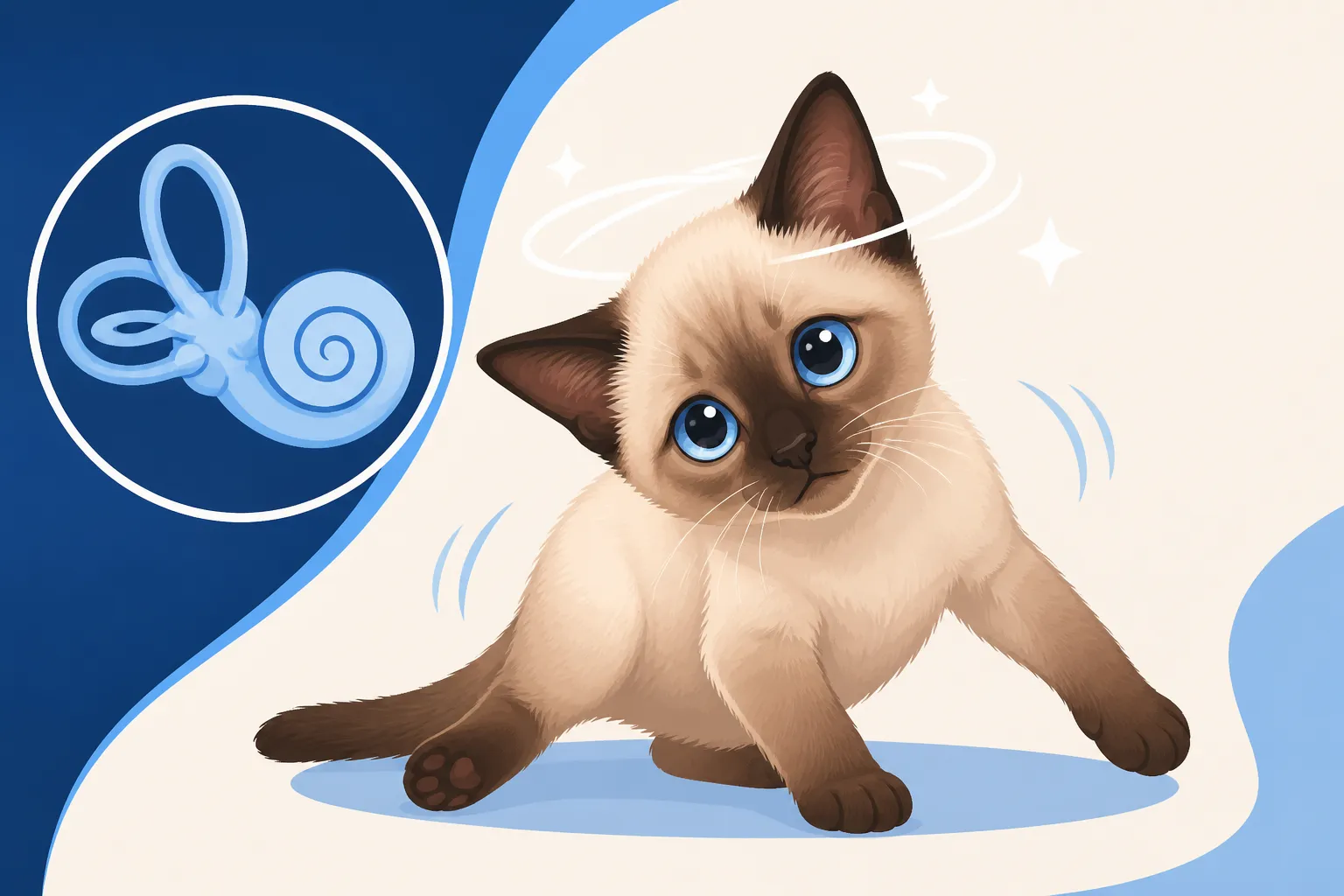
Think of the vestibular system as your cat's internal gyroscope and GPS rolled into one. It’s primarily located in two places: the inner ear (known as the peripheral vestibular system) and certain parts of the brainstem and cerebellum (the central vestibular system). These intricate components work together tirelessly to tell your cat where its head is in space, whether it's moving, and in which direction. When your Siamese is stalking a toy or leaping onto a high shelf, this system is constantly sending signals to its brain about balance, posture, and coordination.
The inner ear contains tiny canals filled with fluid and hair-like cells. As your cat moves its head, this fluid shifts, bending the hair cells, which then send electrical impulses to the brain. This is how the brain perceives motion and changes in head position. Simultaneously, specific areas in the brain process these signals, integrating them with visual information from the eyes and proprioceptive input from the muscles and joints. This allows your cat to maintain its balance, keep its eyes focused, and navigate its environment without constantly falling over. For a Siamese kitten, still mastering its physical prowess, an issue in this delicate system can be profoundly disorienting and distressing.
Unpacking Vestibular Disease: What It Means for a Kitten
Vestibular disease isn't a single diagnosis but rather a syndrome, a collection of symptoms that arise when something goes wrong with the vestibular system. It can affect cats of any age, but when it strikes a kitten, it often indicates either a congenital issue (present from birth) or an acute, sometimes idiopathic (unknown cause) event. Essentially, the signals about balance are either incorrect or completely absent, leading to a profound sense of disorientation and often severe motor control issues.
There are two main types: peripheral vestibular disease, which involves problems in the inner ear, and central vestibular disease, which affects the brainstem or cerebellum. Peripheral is generally more common and often has a better prognosis. Causes can range from inner ear infections (otitis interna), trauma, polyps, or certain medications that are toxic to the ear. In kittens, however, "idiopathic vestibular disease" is quite common, meaning it appears suddenly without an obvious cause, and often resolves on its own. Less commonly, central vestibular disease can be caused by inflammation, tumors, or even strokes, though these are rarer in young kittens. The sudden onset can be alarming for any pet parent, leaving you wondering if your kitten will ever regain its normal playful self.
Why Siamese Kittens Can Be Particularly Vulnerable
While vestibular disease can occur in any cat, there's always a question about breed-specific predispositions. For Siamese cats, known for their distinctive features and occasionally delicate health, certain considerations come into play. While not definitively proven as a strong genetic link for idiopathic vestibular disease, Siamese kittens, like some other purebreds, might have a slightly higher propensity for certain Congenital Defects in a Siamese Cat Kitten that could impact neurological development or inner ear structure.
Their unique head shape, while beautiful, also means that the inner ear structures and their proximity to brain centers are part of their genetic makeup. Any subtle developmental anomaly in these areas could theoretically manifest as vestibular symptoms in a young kitten. Moreover, Siamese kittens are known for their lively, inquisitive, and sometimes clumsy nature during their rapid growth spurts. A minor fall or head bump that might be shrugged off by a different kitten could, in a susceptible Siamese, potentially trigger or exacerbate an underlying vestibular sensitivity. While you can't prevent every bump, understanding these nuances can help you be more vigilant and aware of any signs that warrant immediate veterinary attention.
Identifying the Distress Signals: Recognizing Vestibular Disease
When your kitten is usually zooming around, playing with toys, and suddenly can't walk straight, it's terrifying. Knowing what specific signs to look for can help you communicate effectively with your vet and get your kitten the help it needs faster.
The Characteristic Head Tilt and Staggering Gait
The most tell-tale sign of vestibular disease in a Siamese kitten, and indeed any cat, is often a persistent head tilt. This isn't just a cute, curious lean; it's a fixed, involuntary tilt to one side, indicating which side of the vestibular system is affected. Your kitten might look like it's constantly cocking its head, as if listening intently to something that isn't there, but it's actually struggling to orient itself. This head tilt can be subtle in mild cases, or quite dramatic, making the kitten's head seem almost glued to its shoulder.
Coupled with the head tilt, you'll almost certainly notice a severely uncoordinated or staggering gait. Imagine trying to walk on a ship rocking violently – that's likely how your kitten feels. They might lean, sway, stumble, and fall over, often circling or rolling uncontrollably towards the side of the head tilt. Their paws might splay out as they try desperately to maintain balance, leading to a wide-based stance or an almost drunken walk. Picking them up can make the disorientation worse, as they lose their connection to the ground. This alarming lack of coordination is often what drives pet parents to seek immediate veterinary care, and rightly so. If you notice your kitten developing a Why a Siamese Cat Kitten Tilts Its Head, don't wait to see if it resolves on its own.
Observing Ocular Signs: Nystagmus and Beyond
Beyond the obvious balance issues, your kitten's eyes can provide crucial clues about vestibular disease. The most common ocular sign is nystagmus, which is an involuntary, rapid, rhythmic movement of the eyes. This can manifest as horizontal (side-to-side), vertical (up-and-down), or rotational (circular) jerking. The eyes might rapidly flick in one direction and then slowly drift back, or they might just twitch incessantly. This happens because the vestibular system is closely linked to eye movement, helping to stabilize your vision as your head moves. When the system is malfunctioning, the eyes can’t hold a steady gaze.
Nystagmus can be continuous, or it might only appear when your kitten changes head position. The direction and type of nystagmus can even help your vet determine if the problem is peripheral (inner ear) or central (brain). You might also observe strabismus, which is when one or both eyes appear to deviate or cross, though this is less common with vestibular disease and more generally associated with Siamese breed traits if present from birth. Additionally, some kittens might have dilated pupils or appear generally disoriented, unable to track moving objects properly. Observing What Nystagmus Looks Like in a Siamese Cat and reporting these details to your vet is incredibly important for diagnosis.
Beyond Balance: Nausea, Vomiting, and Behavioral Changes
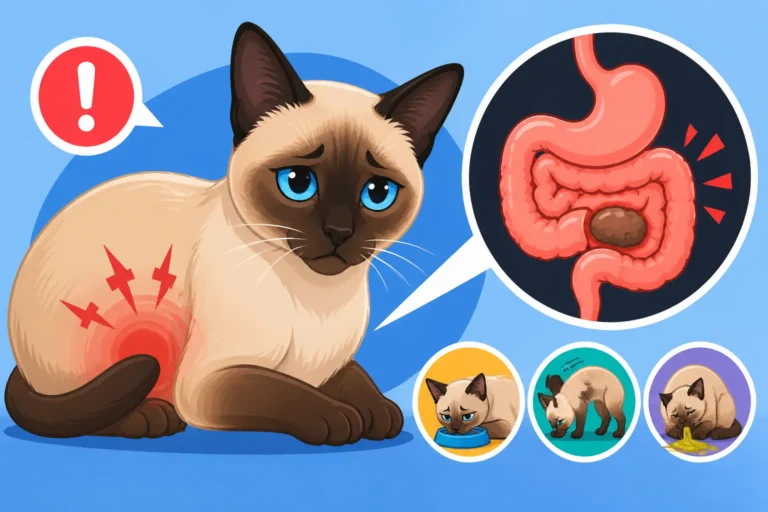
The profound disorientation caused by vestibular disease often leads to more than just physical instability. Imagine how you feel when you get severely dizzy or seasick – that sickening sensation is precisely what many affected kittens experience. This intense nausea can lead to drooling, unwillingness to eat, and often, vomiting. A kitten that’s usually a voracious eater might completely turn its nose up at food and water, which can quickly lead to dehydration and further weakness, especially in their small, fragile bodies.
Beyond the physical symptoms, the psychological impact can be significant. Your kitten, normally confident and curious, might become withdrawn, anxious, or even clingy. They are understandably confused and frightened by their inability to control their own movements. They might hide, cry excessively, or seem unusually lethargic. You might also notice them struggling to use the litter box if they can't balance properly, potentially leading to accidents outside the box. This cascade of symptoms means that if you notice any Signs a Siamese Cat Is Unwell—especially alongside balance issues—it's crucial to seek veterinary attention immediately.
The Path to Diagnosis: Pinpointing the Cause
When your Siamese kitten is displaying such alarming symptoms, getting an accurate diagnosis is paramount. It helps not only in treating the immediate signs but also in understanding the underlying cause, which can significantly affect the prognosis and long-term management.
Your Vet's Initial Assessment and Neurological Exam
The moment you bring your disoriented Siamese kitten to the vet, the first priority will be a thorough physical and neurological examination. Your veterinarian will carefully observe your kitten's gait, posture, and head position. They’ll look for the characteristic head tilt, nystagmus, and any signs of ataxia (uncoordinated movement). They’ll also check your kitten's cranial nerves, assess reflexes, and gently palpate its head and ears for pain or inflammation, which could indicate an ear infection.
During this initial assessment, the vet will ask you a lot of questions: when did the symptoms start? Were they sudden or gradual? Has your kitten been exposed to any toxins or recent trauma? Has it had any other illnesses or medications? This detailed history, combined with the physical exam, helps your vet localize the problem to either the peripheral or central vestibular system, which is a critical first step. They might also run some baseline blood work and a urinalysis to check for any underlying infections or systemic issues that could be contributing. Remember, proactive regular check-ups, like those involved in How Often a Siamese Cat Needs a Wellness Exam, are always beneficial, but acute symptoms like these warrant an emergency visit.
Diving Deeper with Advanced Imaging and Lab Tests
If the initial examination doesn't clearly point to a peripheral idiopathic cause or an obvious ear infection, your vet will likely recommend more advanced diagnostics. This is where the detective work truly begins to differentiate between less serious conditions and more grave issues. For potential inner ear problems, deep ear canal examination with an otoscope, or even sedated ear flushes, might be performed. However, if the cause isn’t immediately apparent, or if central vestibular disease is suspected, imaging becomes crucial.
Magnetic Resonance Imaging (MRI) or Computed Tomography (CT) scans of the head are often the gold standard. These advanced imaging techniques allow your vet to visualize the brain and inner ear structures in incredible detail, helping to identify potential causes like brain inflammation, tumors, polyps, or fluid accumulation within the middle or inner ear that wouldn't be visible on a regular X-ray. A cerebrospinal fluid (CSF) tap might also be recommended if inflammation or infection of the brain or spinal cord is suspected. These tests can be costly, and the financial burden can be a real worry for pet parents. This is where careful planning, and often pet insurance, comes into play. The financial burden of diagnostic tests, especially advanced imaging like an MRI or CT scan, can be substantial, making pet insurance a wise consideration. Providers like Healthy Paws often cover a significant portion of these unexpected veterinary expenses, giving you peace of mind to pursue the best care for your kitten without undue stress. Remember, when you're considering What a Siamese Cat Costs to Buy in 2026, it's not just the initial purchase price, but the potential for unforeseen medical costs that truly factors into responsible pet ownership.
Distinguishing Vestibular Disease from Mimicking Conditions
One of the challenges with diagnosing vestibular disease is that its symptoms can overlap with several other serious conditions. Your vet's job is to systematically rule out these "mimics" to arrive at an accurate diagnosis. For instance, head trauma can cause similar disorientation and balance issues, as can certain toxins or medications. Even a severe stroke in rare cases could present with acute neurological signs, although strokes are less common in young kittens.
Less common but equally severe conditions, such as certain types of brain tumors or inflammatory brain diseases, can also manifest with vestibular signs. Your vet will consider these possibilities, especially if the symptoms are progressive, severe, or don't respond to initial treatments. The thoroughness of the diagnostic process is critical because the treatment for an inner ear infection is vastly different from that for a brain tumor. Understanding the various possibilities and the methodical approach your vet takes can help you appreciate the importance of each test and avoid misdiagnosis. This is part of why understanding Signs a Siamese Cat Is Unwell is so important, as many conditions can present similarly.
| Symptom | Common Cause of Vestibular Disease | Potential Mimicking Conditions |
|---|---|---|
| Head Tilt | Inner ear infection, Idiopathic | Head trauma, Brain tumor, Middle ear polyp |
| Loss of Balance/Ataxia | Inner ear dysfunction, Brainstem lesion | Stroke, Toxins, Cerebellar hypoplasia |
| Nystagmus | Inner ear issues, Brainstem damage | Certain eye conditions, Drug reactions |
| Vomiting/Nausea | Dizziness, Motion sickness | Gastrointestinal issues, Kidney disease |
| Disorientation | Vestibular system malfunction | Seizures, Cognitive dysfunction |
Navigating Treatment and Providing Comfort at Home
Once vestibular disease is diagnosed, or strongly suspected to be idiopathic, the focus shifts to treatment and supportive care. While some cases resolve on their own, especially the idiopathic kind, your kitten will need your help to get through this disorienting experience.
Medical Interventions: Calming the Symptoms and Addressing the Cause
The cornerstone of medical treatment for vestibular disease depends heavily on the underlying cause. If a bacterial ear infection is identified, your vet will prescribe appropriate antibiotics, usually for several weeks. These might be oral, topical ear drops, or a combination. If inflammation is a significant factor, corticosteroids might be used to reduce swelling in the affected areas of the inner ear or brain. For the severe nausea and vomiting that often accompany the dizziness, anti-emetic medications, like maropitant (Cerenia) or meclizine, are frequently prescribed to make your kitten more comfortable and encourage them to eat.
In cases where the cause is unknown (idiopathic), treatment is primarily supportive, focusing on managing the symptoms until the condition resolves. This means giving the anti-nausea medication and ensuring they are in a safe, quiet environment. While it’s scary to not have a definitive "cure" for idiopathic cases, the good news is that many kittens make a full recovery with just supportive care. Your vet will guide you on the specific medication regimen, dosages, and how to administer them, which can be tricky with a disoriented kitten.
Crafting a Safe Haven: Essential Home Care Strategies
Bringing a kitten with vestibular disease home requires you to become a vigilant caregiver, creating an environment that minimizes stress and prevents injury. Their disorientation means they are a fall risk, so confining them to a safe, small, and easily navigable space is crucial. A soft-sided playpen, a dog crate, or a small, carpeted room with minimal obstacles works well. Ensure the floor is non-slip, perhaps by laying down blankets or towels.
Elevated surfaces are a definite no-go. Remove access to stairs, tall furniture, or anything they might try to jump on. Soft bedding is essential, not just for comfort but also to cushion any falls or rolls. You might even consider rolling up towels or blankets to create a little "nest" that props their head up slightly or prevents them from rolling completely over. Keep the environment quiet and calm, avoiding sudden loud noises or bright lights, which can exacerbate their disorientation. Many Siamese cats love warmth, and a heated bed can provide immense comfort during this stressful time, helping them feel secure and relax. Ensuring Keeping a Siamese Cat Warm can make a big difference in their recovery and comfort.
Ensuring Nourishment and Hydration Amidst Disorientation
One of the biggest challenges with a dizzy, nauseated kitten is getting them to eat and drink. Anorexia and dehydration can quickly worsen their condition, especially in small kittens. You’ll need to be patient and persistent. Offer highly palatable, strong-smelling foods, like warmed wet food or even pureed chicken baby food (make sure it has no onion or garlic powder). Hand-feeding small amounts frequently can be more effective than putting down a large bowl.
You might need to bring food and water bowls directly to them, or even hold the bowls up to their mouth if they can't stand or lean down without losing balance. If they are completely unwilling or unable to drink, your vet might recommend offering water via a syringe (very carefully, to avoid aspiration) or may suggest subcutaneous fluids at the clinic or at home to prevent severe dehydration. Monitoring their urination and bowel movements is also important to ensure they are taking in enough fluids and nutrients. This period requires immense dedication and a gentle touch, as their confusion and illness can make them resistant to care.
The Road Ahead: Prognosis and Long-Term Care
The question on every pet parent's mind when facing vestibular disease is: will my kitten be okay? While the answer depends on the underlying cause, understanding the typical recovery process and potential long-term implications can help manage expectations.
What to Expect During Recovery: Timelines and Potential Residuals
For most cases of idiopathic peripheral vestibular disease in kittens, the prognosis is generally excellent. Many kittens show significant improvement within a few days to a week, and often make a full recovery within two to four weeks. It's truly amazing how resilient these little creatures can be! The head tilt might lessen, their gait will become steadier, and the nystagmus should resolve. However, it's not uncommon for a slight, residual head tilt to persist indefinitely, even after all other symptoms have cleared. This is typically cosmetic and doesn't affect the cat's quality of life or balance in the long run.
If the vestibular disease is caused by an ear infection, the recovery timeline will depend on the severity of the infection and how quickly it responds to antibiotics. Chronic or severe infections might take longer to clear, and could potentially lead to more persistent issues. The good news is that generally, Whether a Siamese Cat Kitten Outgrows Vestibular Disease positively in most idiopathic cases, though continued monitoring during growth is always a good idea. Central vestibular disease, however, usually carries a more guarded prognosis, as it indicates a problem within the brain itself, and recovery can be slower, less complete, or involve more significant neurological deficits.
Living with Lingering Effects and Preventing Recurrence
While many kittens recover fully, some might experience lingering effects, the most common being that permanent, slight head tilt. While it might look a little unusual, a cat with a mild residual head tilt can lead a perfectly normal, happy life. They adapt incredibly well, compensating for the tilt without issue. Less commonly, some cats might have permanent partial hearing loss in the affected ear if the inner ear was severely damaged, but given their excellent hearing in general, this usually doesn't impact them significantly.
Recurrence of idiopathic vestibular disease is possible but not common. If the initial cause was an unresolved or chronic ear infection, then recurrence is more likely if the infection isn't fully treated. Therefore, diligent follow-up with your vet to ensure any underlying infections are completely cleared is paramount. For those rare cases of central vestibular disease, depending on the cause (e.g., a non-resectable tumor), the long-term management might involve ongoing medication or palliative care to maintain comfort and quality of life. Understanding these potential outcomes helps you prepare for your kitten’s future, ensuring they continue to thrive.
Ongoing Support and Planning for Your Kitten's Future Health
Even after your Siamese kitten has recovered from vestibular disease, regular veterinary check-ups remain crucial. Your vet will want to monitor their progress, especially if there were any lingering effects or if the cause was something other than idiopathic. Keeping your kitten on a healthy diet, providing plenty of mental and physical enrichment, and maintaining a stress-free environment will contribute to their overall well-being and resilience. While the initial scare of vestibular disease can be expensive to diagnose and treat, remember that a Siamese cat's lifespan can be quite long, often upwards of How Long a Siamese Cat Lives on Average, so investing in their health early pays dividends.
The costs associated with unexpected illnesses, especially those requiring advanced diagnostics like MRIs, can be substantial. This is why many experienced Siamese cat owners emphasize the importance of pet insurance. Having a comprehensive policy, perhaps from a provider like Healthy Paws, in place before an illness strikes can make a huge difference, covering a significant portion of veterinary bills for accidents and illnesses. It helps alleviate the stress of making tough financial decisions during an already emotional time. When you’re budgeting for What the First Year With a Siamese Cat Costs, don't forget to factor in potential insurance premiums. It may seem like an added expense when you're thinking about What Insuring a Siamese Cat Costs a Month, but it can be an invaluable safety net. Ultimately, while a Siamese cat can be Whether a Siamese Cat Is Expensive to Own to own, their companionship and unique personality make every effort worthwhile.
Disclaimer
This article is intended for informational purposes only and does not constitute medical advice. Always consult with a qualified veterinarian for any health concerns or before making any decisions related to your pet's care.