What Psychogenic Alopecia Does to a Siamese Cat
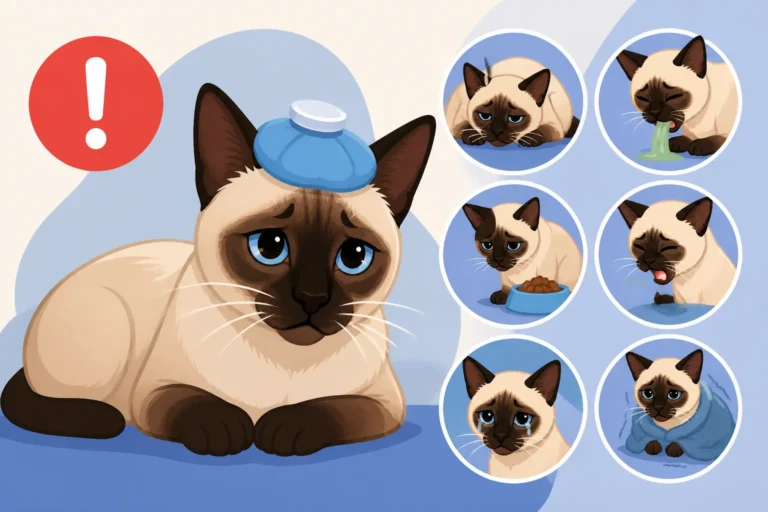
It's incredibly distressing to watch your beautiful, sleek Siamese cat start compulsively licking, chewing, or even pulling out their own fur, leaving behind tell-tale bald spots or thinned patches. Many owners immediately panic, thinking it must be fleas, allergies, or some painful skin condition. This guide will meticulously explore psychogenic alopecia in Siamese cats, a complex behavioral condition where stress and anxiety manifest as obsessive grooming, helping you understand its roots and how to effectively support your beloved feline friend.
Understanding Psychogenic Alopecia in Siamese Cats
When your Siamese starts over-grooming, the first thing that usually comes to mind are physical irritants – "Do they have fleas? Is it a food allergy? Maybe environmental irritants?" But what if the problem isn't on their skin, but in their mind? That's where psychogenic alopecia comes into play, a condition that’s far more common in intelligent, sensitive breeds like the Siamese than many people realize.
What is Psychogenic Alopecia?
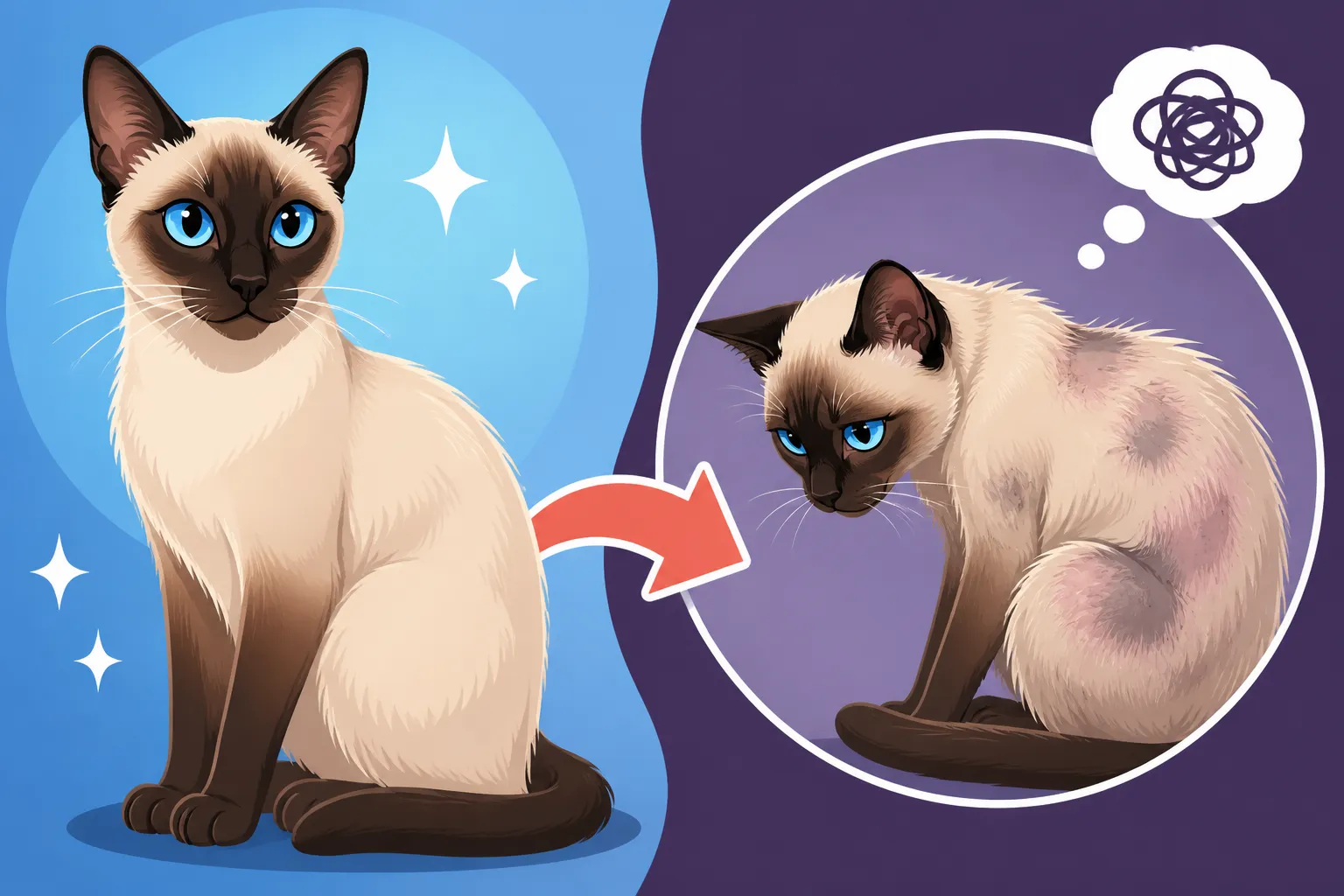
At its heart, psychogenic alopecia isn't a disease of the skin itself, but rather a behavioral disorder where your cat’s emotional state drives a compulsive need to lick, chew, or pluck their fur. The term "psychogenic" literally means "originating in the mind." It's essentially a coping mechanism, albeit a destructive one, for stress, anxiety, or even boredom. We often see these cats targeting areas that are easy to reach, like their belly, inner thighs, flanks, and sometimes their front legs, leading to symmetrical hair loss. What’s particularly frustrating for owners, and often puzzling for vets initially, is that the skin beneath these bald patches typically appears completely normal, without redness, bumps, or scabs, unless the licking has become so intense that secondary infections have set in.
Diagnosing psychogenic alopecia is often a journey of exclusion. Your veterinarian will rigorously rule out all possible medical causes first. This means looking for parasites, fungal infections, bacterial skin issues, and allergies, which can be a lengthy process involving skin scrapes, blood tests, and often trials with specific medications or dietary changes. It's a testament to your cat's complex nature that sometimes, even when there's no physical ailment, their mind can drive them to such extremes. It’s truly disheartening to see your furry companion seemingly self-harming, and the journey to diagnosis can feel like a maze, leaving many owners feeling helpless and confused.
Why Siamese Cats are Prone to This Condition
It’s no secret that Siamese cats are a breed apart. They are renowned for their striking looks, incredibly vocal nature, and intensely affectionate personalities. However, these very traits that make them so captivating also contribute to their susceptibility to conditions like psychogenic alopecia. Siamese cats are highly intelligent, which means they require significant mental and physical stimulation. A bored Siamese is often a destructive Siamese, and over-grooming can be a direct outlet for that pent-up energy or lack of engagement.
Beyond intelligence, Siamese cats are known for their profound sensitivity and deep bonds with their human companions. This strong emotional connection, while beautiful, makes them particularly vulnerable to changes in their environment or routine, and to perceived lack of attention. They thrive on predictability and consistent interaction. Any disruption to their world – even something seemingly minor to us – can trigger a stress response that manifests in compulsive behaviors. Some experts also suggest there might be a genetic predisposition to anxiety-related disorders within the breed, making certain individuals more prone to developing this coping mechanism. You might find that when a Siamese cat is feeling stressed, they lick themselves bald to soothe their own anxieties. It’s a sad reality that their unique charm comes with a predisposition to such sensitive conditions.
Common Triggers and Identifying the Root Cause
Pinpointing the exact trigger for psychogenic alopecia can feel like detective work, requiring keen observation and a lot of patience. It’s rarely just one thing, but often a combination of factors that slowly build up until your sensitive Siamese reaches their breaking point.
Environmental and Routine Changes
Siamese cats are creatures of habit, and any deviation from their established routine or environment can be a major source of stress. Imagine their world through their eyes: a sudden shift can feel like chaos. Common triggers include moving to a new home, which completely uproots their familiar territory and scents. The arrival of a new pet or a new human family member (a baby, a partner, or a houseguest) can disrupt their social hierarchy and demand for attention, leaving them feeling overlooked or threatened. Even subtle changes in your own schedule, such as returning to the office after a period of working from home, can be incredibly unsettling. For a cat that deeply bonds with one person, any perceived reduction in interaction or physical presence can trigger significant anxiety.
Loud noises, ongoing construction, or even new furniture can alter their safe spaces and sense of security. It’s not just about what changes, but how quickly and consistently these changes occur. A sudden house move, for instance, can be incredibly disorienting. If you're preparing for such a big event, it’s worth reading up on How a Siamese Cat Handles a House Move to best support them. Ensuring they have a consistent feeding schedule, regular playtime, and quiet, undisturbed resting spots can go a long way in buffering the impact of necessary changes.
Social and Emotional Stressors
Beyond overt environmental shifts, the emotional landscape of your home plays a critical role in your Siamese cat's well-being. Siamese cats are not solitary creatures; they crave companionship and interaction. If they are an only cat and spend long periods alone, especially if their humans are out of the house for extended hours, they can develop severe loneliness and separation anxiety. This often manifests as excessive vocalization, destructive behaviors, or, you guessed it, over-grooming. It’s a good idea to consider What a Siamese Cat Does While You Are Out and how that impacts their emotional state.
Even in multi-cat households, subtle conflicts can be a potent stressor. One cat might be bullying another, blocking access to food, litter boxes, or favorite resting spots, leading to chronic low-level stress for the victim. You might not even notice these interactions, but your sensitive Siamese certainly will. A perceived lack of attention from their favorite human, or feeling displaced by another pet or person, can also lead to emotional distress. Sometimes, an underlying medical issue, even if it’s not the primary cause of hair loss, can cause chronic discomfort and pain, which then escalates into anxiety and subsequent over-grooming. It becomes a vicious cycle. Understanding Signs a Siamese Cat Is Lonely can help you determine if they need a companion or more dedicated playtime.
Medical Rule-Outs and the Diagnostic Process
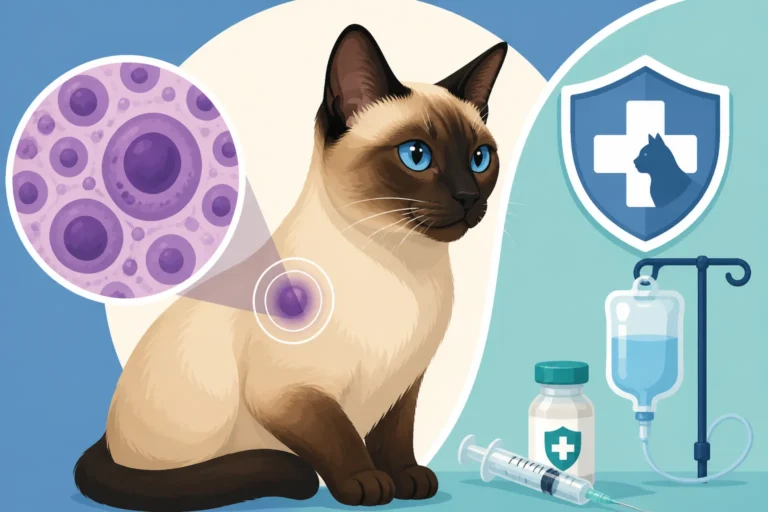
As mentioned earlier, diagnosing psychogenic alopecia begins with a thorough veterinary investigation to rule out all other potential medical causes. This step is absolutely crucial. Your vet will likely perform a series of tests, which can include skin scrapes and fungal cultures to check for mites or ringworm, blood tests to evaluate for internal organ issues or hormonal imbalances, and often, hypoallergenic food trials to rule out food allergies. They may also try various parasite control treatments, even if no fleas are visible, just to be sure. This diagnostic process can be extensive and, frankly, quite expensive, making a robust pet insurance plan like one from Healthy Paws a wise investment.
It's important to understand that sometimes, a medical condition might initiate the licking – for example, a flea bite causing an itch, or a urinary tract infection causing discomfort in the abdominal area. However, even once the primary medical issue is resolved, the compulsive grooming behavior can become ingrained and continue out of habit or as a continuing anxiety response. This is why patience and a systematic approach with your veterinarian are key. It’s not about rushing to a psychological diagnosis, but systematically eliminating every other possibility to arrive at the correct treatment plan.
Strategies for Treating Psychogenic Alopecia
Once your veterinarian has confidently diagnosed psychogenic alopecia by ruling out all medical causes, the real work begins. Treating this condition requires a multi-faceted approach, addressing both the behavioral symptom and, most importantly, the underlying psychological distress.
Environmental Enrichment and Behavior Modification
One of the most powerful tools in your arsenal is environmental enrichment. Siamese cats, with their sharp minds and high energy, get bored easily. A bored cat is a stressed cat. Increasing opportunities for mental and physical stimulation can significantly reduce anxiety-driven behaviors. This means more dedicated playtime with interactive toys like wand toys that mimic prey, or puzzle feeders that challenge their intellect. Consider investing in tall cat trees that allow them to survey their territory from a height, or secure window perches where they can watch the outside world. Providing a catio, if possible, offers safe outdoor stimulation. For more ideas on how to keep your intelligent companion engaged, check out Enrichment for a Siamese Cat That Gets Bored in an Hour.
Establishing a consistent daily routine for feeding, play, and cuddle time can provide a sense of predictability and security. Creating safe, quiet retreats where your cat can de-stress away from household commotion is also vital. Calming pheromone diffusers, such as Feliway, or special collars impregnated with these pheromones, can often create a more relaxed atmosphere. It's also critical to ensure that when you prepare for big life changes, you carefully consider How to Prepare a Siamese Cat for a Return to the Office or any other disruption, and proactively implement coping strategies. Remember, How Much Play a Siamese Cat Needs is often more than you might initially think for this active breed!
Medical Interventions and Support
In some cases, especially when the anxiety is severe or long-standing, behavioral medication might be necessary as a temporary aid or even a long-term solution, always in conjunction with environmental and behavioral modifications. These medications, which can include selective serotonin reuptake inhibitors (SSRIs) like fluoxetine or tricyclic antidepressants, work by helping to regulate your cat's mood and reduce their compulsive urges. Your vet might also prescribe anti-anxiety medications such as gabapentin for acute stress situations. It's a journey that requires close veterinary supervision, as finding the right medication and dosage can take time. Nutritional supplements containing L-tryptophan or alpha-casozepine (a milk protein derivative) are also available and can sometimes offer a milder calming effect for less severe cases.
It's important to approach medication not as a "cure-all," but as a tool to help your cat feel calm enough to respond positively to the other behavioral changes you implement. The costs associated with long-term medication and regular vet check-ups to monitor progress can add up, which is another area where a pet insurance provider like Healthy Paws can provide much-needed financial relief, ensuring your cat receives the best possible care without economic burden. This holistic strategy is critical, as discussed in How Psychogenic Alopecia in a Siamese Cat Is Treated.
Holistic Approaches and Patience
Beyond conventional methods, many owners explore holistic approaches to complement their cat's treatment plan. Gentle massage, particularly around the head and shoulders, can be very soothing for an anxious cat. Some owners find that playing calming music specifically designed for pets can help create a more serene home environment. Acupressure, when performed by a qualified professional, is another avenue that some people consider.
Perhaps the most important "holistic" approach is simply patience and consistent, positive interaction from you. Your Siamese cat deeply values your presence and attention. Spending quality, calm time with them, even just quiet petting sessions, can reinforce your bond and provide immense comfort. Keeping a journal to track potential triggers and your cat’s response to different interventions can be invaluable for identifying patterns and tailoring your approach. This condition is often a marathon, not a sprint, and there will be good days and bad days. Remember, your cat isn’t trying to be difficult; they’re struggling to cope, and your unwavering support is their greatest comfort.
Living with a Siamese Cat with Psychogenic Alopecia
Having a Siamese cat with psychogenic alopecia means accepting that this is often a chronic condition that requires ongoing management. It's a commitment, but one that strengthens the incredible bond you share.
Managing Relapses and Long-Term Care
Relapses are a common part of the journey with psychogenic alopecia. Just when you think you've got things under control, a new stressor – a visitor, a sudden loud noise, even a change in the weather affecting their routine – can trigger a return to over-grooming. The key is not to get discouraged but to remain vigilant and adapt your strategies. Long-term care involves continuously evaluating your home environment for potential stressors and making adjustments. This might mean keeping certain windows closed during noisy periods, using white noise machines, or maintaining a strict routine even when your own life gets chaotic.
Monitoring your cat's behavior for early signs of stress or increased licking is crucial. Early intervention can prevent a full-blown relapse. For many cats, the bald patches do grow back over time, especially with successful management, as detailed in Whether a Siamese Cat's Bald Patch Grows Back. However, the fur might grow back slightly different in texture or even color if the skin was severely irritated or repeatedly traumatized. Living with a cat with psychogenic alopecia can be emotionally draining for owners, too. It’s okay to seek support for yourself, whether through online forums, support groups, or simply talking to friends and family who understand.
The Importance of a Strong Human-Animal Bond
More than any medication or environmental change, your unwavering love and consistent reassurance are paramount. Siamese cats are known for forming incredibly strong bonds, often with one particular person, as explored in How Attached a Siamese Cat Gets to One Person. This deep connection means they are highly attuned to your emotions. If you are stressed or anxious about their condition, they can pick up on that, potentially exacerbating their own anxiety. Practicing calm, positive interactions and providing consistent affection will reinforce their sense of security.
Learning to understand your cat's unique communication signals – their subtle body language, changes in vocalization, or shifts in routine – will help you anticipate their needs and head off potential stressors before they become overwhelming. Regular, gentle grooming sessions (with a soft brush, not to further irritate the skin) can also be a soothing bonding experience, provided it doesn't trigger more licking. Ultimately, living with a Siamese cat with psychogenic alopecia is a journey of deep understanding, empathy, and an enduring commitment to their well-being. Your bond is their anchor in a world that can sometimes feel overwhelming to their sensitive souls.
| Trigger Category | Specific Triggers | Potential Solutions |
|---|---|---|
| Environmental Changes | Moving, new furniture, construction, loud noises | Gradual introductions, safe hideaways, white noise, pheromones |
| Routine Disruptions | Owner schedule changes, inconsistent feeding/play | Establish strict routine, schedule dedicated playtime, automatic feeders |
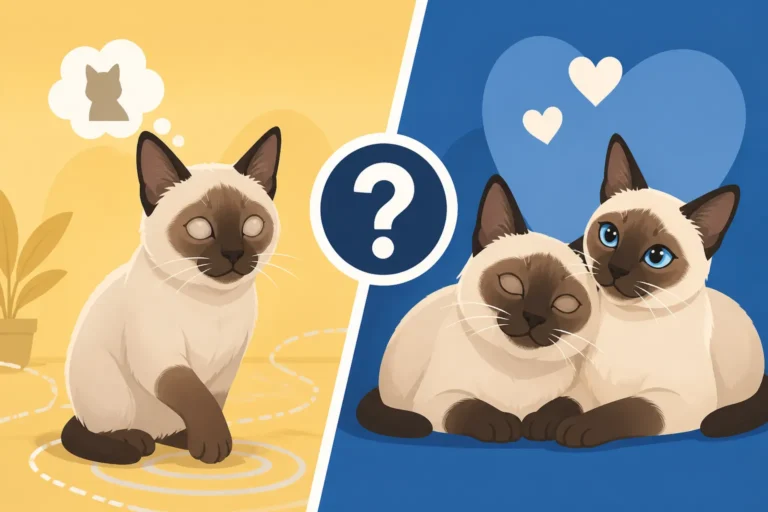
| Social Stressors | New pet/person, inter-cat conflict, perceived neglect | Slow introductions, multiple resources (bowls, boxes), increase one-on-one attention, consider a companion cat (Whether a Siamese Cat Is Happier in a Pair) |
| Boredom/Lack of Stim. | Too much alone time, insufficient play, no challenges | Interactive toys (Which Toys a Siamese Cat Actually Uses), puzzle feeders, cat trees, regular play sessions |
| Underlying Discomfort | Untreated medical issues, chronic pain | Thorough vet check-ups, pain management, ensure all health concerns are addressed |
Disclaimer
The information provided in this article is for general informational purposes only and is not a substitute for professional veterinary advice, diagnosis, or treatment. Always seek the advice of your veterinarian or other qualified animal health provider with any questions you may have regarding a medical condition or treatment for your pet.