Whether a Siamese Cat Needs an Echo
It’s a truly frightening moment when your beloved Siamese cat, usually so full of boundless energy and vibrant chatter, suddenly seems a little off. Maybe you've noticed a subtle cough, a bit more lethargy, or perhaps your vet heard something during a routine check-up that sent a chill down your spine: a heart murmur. The worry immediately sets in, and you’re left wondering if your active, vocal companion might be facing a serious heart condition and if a specialized test, like an echocardiogram, is truly necessary. This comprehensive guide is here to walk you through everything you need to know about heart health in Siamese cats and when an echocardiogram becomes a crucial part of their care.
Understanding Heart Health in Siamese Cats
Our Siamese darlings are known for their striking looks, their powerful voices, and their incredible athletic prowess. They're often seen as lean, energetic machines. But beneath that sleek exterior, like many purebred cats, they can be predisposed to certain health conditions, and heart disease is unfortunately one of them. It's not always obvious, and that's what makes it so concerning for us as owners.
Common Heart Conditions in the Siamese Breed
When we talk about heart disease in cats, especially breeds like the Siamese, the conversation almost always turns to Hypertrophic Cardiomyopathy (HCM). This is by far the most common feline heart disease, and while it can affect any cat, certain breeds, including our beautiful Meezers, seem to have a higher prevalence.
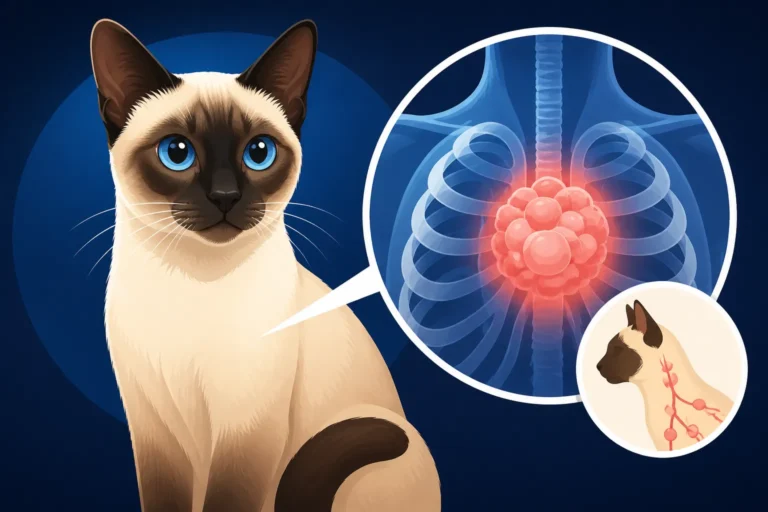
HCM is a condition where the muscular walls of the heart, specifically the left ventricle, become abnormally thickened. Imagine trying to pump water through a hose that's getting narrower and narrower – the pump has to work much harder. That's essentially what happens with HCM. This thickening reduces the heart's ability to pump blood effectively, as the ventricle can't fill properly between beats. It also makes the heart muscle stiff, further impeding its function. Over time, this extra strain can lead to fluid build-up in the lungs, blood clots, and eventually heart failure. It’s a silent, progressive disease, which is why understanding the risks and screening methods is so vital. While less common, Siamese cats can also experience Congenital Heart Defects in a Siamese Cat Kitten, which would present earlier in life.
Why Heart Screening Matters for Siamese Cats
Early detection is absolutely paramount when it comes to managing HCM. Because the disease can progress quietly for a long time without any outward Signs a Siamese Cat Is Unwell, by the time symptoms become noticeable, the condition might already be quite advanced. Regular screening can help identify issues before they become critical. For Siamese cats, this is especially important because of their genetic predisposition.
Imagine if you could catch a problem when it's just starting, allowing your vet to recommend interventions that could slow its progression and improve your cat's quality of life for years to come. That's the power of proactive heart screening. It's not just about treating the disease; it's about giving your beloved companion the longest, most comfortable life possible. It allows you to plan for the future, understand potential challenges, and work closely with your veterinarian to develop a tailored care plan. After all, we all want our Siamese cats to enjoy The Fifteen to Twenty Years a Siamese Cat Gets with us, full of vitality and purrs.
When an Echocardiogram Becomes Necessary
Knowing that heart conditions can lurk beneath the surface, the next logical question is: when do we really need to dig deeper than a regular check-up? An echocardiogram isn't typically part of a standard annual vet visit unless there's a specific concern, but there are several scenarios where it becomes an invaluable diagnostic tool.
Identifying Potential Heart Disease Symptoms
Our Siamese cats are often masters at hiding pain and illness, a survival instinct from their wild ancestors. This means we, as their devoted guardians, need to be extra vigilant for even subtle changes in their behavior or physical well-being. While HCM can be silent, there are definitely symptoms that, once they appear, warrant immediate investigation with an echocardiogram.
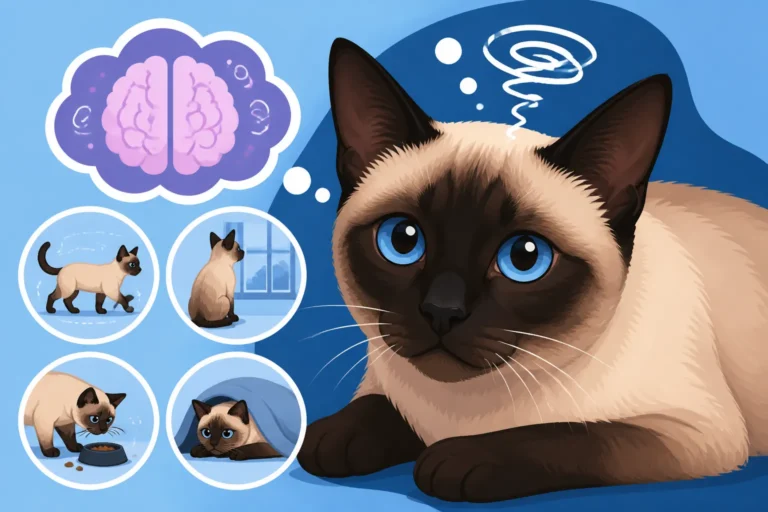
Look out for changes in their breathing. Are they breathing faster than usual, even at rest? Is there an increased effort in their breathing, perhaps with their abdominal muscles working harder? A cough, especially one that sounds wet or productive, is also a red flag. Unlike the occasional hairball cough, a heart-related cough is often persistent and might sound more like a soft hack. Lethargy or reduced activity is another significant indicator. Your normally energetic Siamese might seem less interested in play, sleeping more, or just generally moving slower. Weight loss without a change in appetite can also be a sign of underlying illness, including heart disease. If you notice any of these signs, it’s critical to talk to your vet right away. Remember, our cats are often subtle communicators, and these seemingly small changes can point to big problems. You can learn more about how cats tend to hide their discomfort in How a Siamese Cat Hides Pain.
The Role of Routine Vet Visits and Auscultation
Every single routine vet visit for your Siamese cat should include a thorough physical examination, and a key part of that is auscultation – listening to their heart with a stethoscope. This is often the first line of defense in detecting potential heart issues. If your vet hears an abnormal sound, commonly referred to as a Heart Murmurs in a Siamese Cat, an echocardiogram will almost certainly be recommended.
A heart murmur is simply an extra or unusual sound heard during a heartbeat, caused by turbulent blood flow. It's like hearing a whooshing or swishing sound in addition to the normal "lub-dub" of the heart. While not all murmurs indicate serious heart disease, and some can even be "innocent" (especially in kittens), a new murmur, or a change in an existing one, is a strong indication that further investigation is needed. Your vet might also detect an abnormal heart rhythm (arrhythmia) during auscultation, which also points towards needing an echo. Don't panic if your vet finds a murmur; it's a call to action, not a diagnosis of doom. It simply means it's time to get a clearer picture of what's happening inside that little chest.
Pre-Anesthetic Screening Considerations
Another common scenario where an echocardiogram might be recommended is before any procedure requiring anesthesia. Siamese cats, like all cats, carry certain risks with anesthesia, and if there's an undiagnosed heart condition, those risks can be significantly heightened. A healthy heart is much better equipped to handle the stress of anesthesia and surgery.
Before a dental cleaning, a spay/neuter, or any other surgical procedure, your vet will typically perform a pre-anesthetic workup. This usually includes blood tests and a physical exam. If your vet detects a murmur during this exam, or if your Siamese cat has any history that raises concerns about cardiac health, they will likely suggest an echocardiogram. This is not about being overly cautious; it's about prioritizing your cat's safety. Knowing the condition of their heart allows the veterinary team to tailor the anesthetic protocol, choosing specific medications and monitoring techniques that minimize risks. It can be incredibly stressful to think about your cat undergoing surgery, but knowing you've taken every precaution, like assessing their heart health beforehand, can provide immense peace of mind. For more on this, you might find Whether a Siamese Cat Tolerates Anesthesia helpful.
What an Echocardiogram Involves and What it Reveals
So, your vet has recommended an echocardiogram. Naturally, you might be a little anxious about what that entails. Rest assured, it's a non-invasive, generally stress-free procedure for your cat, and it provides an incredible amount of detailed information about their heart.
The Echocardiogram Procedure Explained
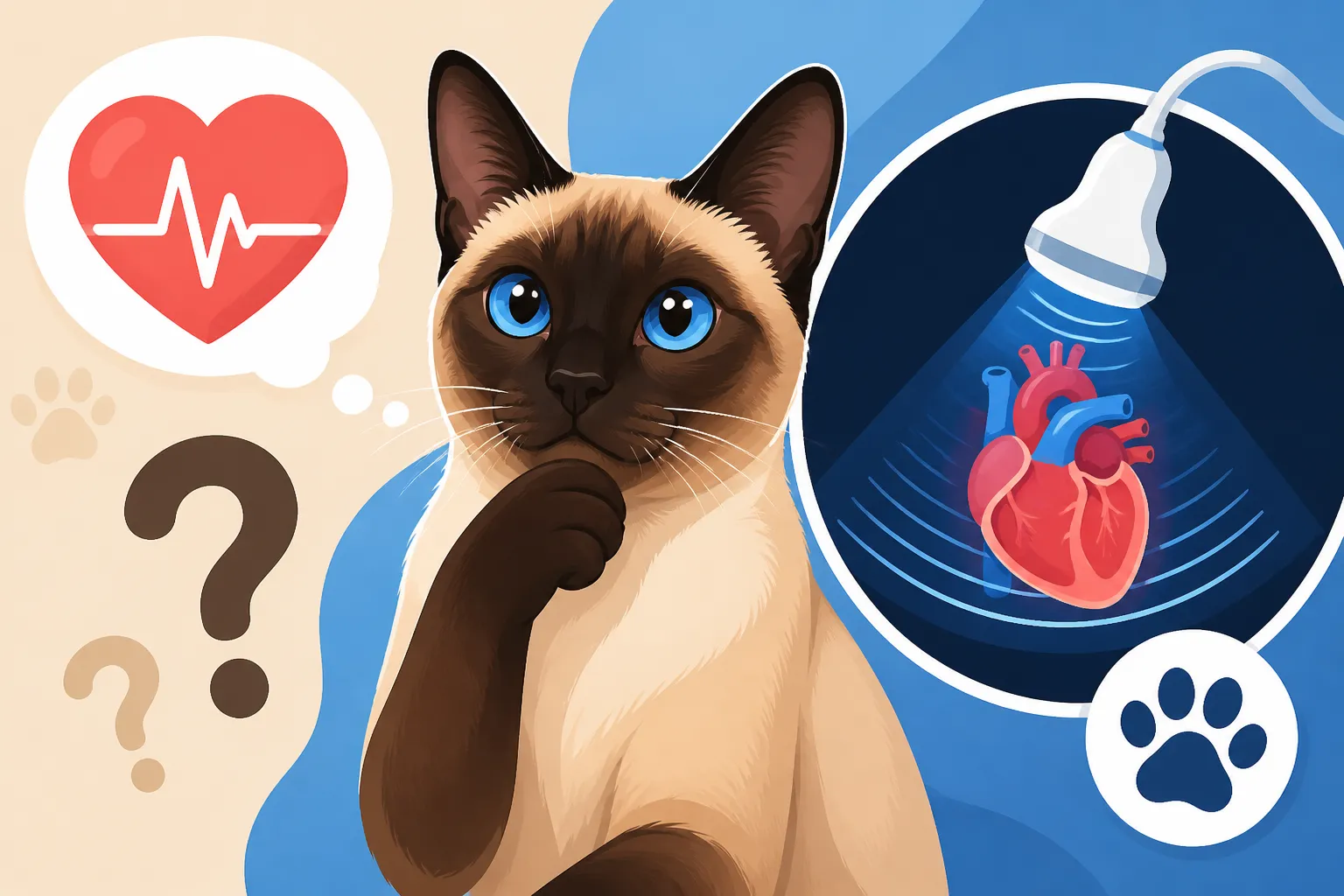
An echocardiogram is essentially an ultrasound of the heart. Just like an ultrasound used to look at internal organs or a baby in the womb, it uses sound waves to create moving images of the heart. The best part? It's completely painless and doesn't involve any radiation.
Here’s generally how it works:
- Preparation: Your cat will usually lie on a soft, padded table with a small area on their chest (usually just behind their front leg) shaved. This allows the ultrasound probe to make good contact with the skin. Sometimes, a small amount of acoustic gel is applied to ensure clear images. Most cats tolerate this procedure very well without sedation, especially if the technician and vet are calm and experienced. Some extremely anxious cats might need mild sedation, but it’s often avoided if possible.
- The Scan: A veterinary cardiologist or a trained veterinarian will use a handheld transducer (the probe) and gently move it across the shaved area. They'll be looking at a monitor, capturing real-time images of your cat's heart beating. They’ll measure the thickness of the heart walls, the size of the chambers, and observe how the valves are opening and closing. They'll also use Doppler technology, which allows them to visualize and measure blood flow through the heart. The entire process typically takes about 30-60 minutes, depending on how cooperative your cat is and what findings are present. It's a remarkably detailed examination that offers insights that no other non-invasive test can provide.
Interpreting the Echo Results
Once the echocardiogram is complete, the images and measurements are thoroughly reviewed. This is where the magic happens, and the vet gains a comprehensive understanding of your Siamese cat's heart health.
The key things an echocardiogram reveals include:
- Heart Muscle Thickness: This is crucial for diagnosing HCM. The cardiologist can precisely measure the thickness of the left ventricular walls and septum. Abnormally thick walls are the hallmark of HCM.
- Chamber Size: They'll assess the size of all four heart chambers. In HCM, the left atrium often becomes enlarged as the ventricle struggles to fill, leading to a backup of blood.
- Valve Function: The echo allows them to see if the heart valves are opening and closing properly, or if there's any leakage or narrowing.
- Blood Flow Velocity and Direction: Using Doppler, they can detect turbulent blood flow, which can indicate issues like valve insufficiency (leaky valves) or obstructions to blood flow within the heart.
- Overall Pumping Function: They can estimate the heart's ejection fraction, which tells them how efficiently the heart is pumping blood out to the body.
The cardiologist will then provide a detailed report, often with images and videos, explaining any findings and giving a definitive diagnosis of whether your cat has heart disease, what type it is, and its severity. This information is invaluable for determining the best course of action. For instance, finding out Whether HCM Affects Siamese Cats and how severely can drastically change the treatment plan.
Beyond the Echo: Other Diagnostic Tools
While an echocardiogram is the gold standard for diagnosing heart disease in cats, it's often part of a larger diagnostic picture. Your vet might recommend other tests to complement the echo findings and provide a holistic view of your cat's health.
These can include:
- Chest X-rays: These can show if there's fluid accumulation in or around the lungs (pulmonary edema or pleural effusion), which is a common sign of congestive heart failure. X-rays also give a good overall picture of the heart's size and shape, though they don't show the internal structures in detail like an echo does.
- Electrocardiogram (ECG): An ECG measures the electrical activity of the heart. It's particularly useful for detecting arrhythmias (irregular heartbeats) and can sometimes offer clues about underlying heart muscle abnormalities. However, it doesn't provide structural information about the heart itself.
- Blood Tests: Specific blood tests, like a proBNP test, can measure certain biomarkers that are released when the heart muscle is stretched or stressed. An elevated proBNP can indicate the presence of heart disease, even before symptoms appear, and can be used as a screening tool or to monitor disease progression. General bloodwork can also assess kidney and thyroid function, as these organs can be affected by or contribute to heart conditions.
By combining these different diagnostic tools, your veterinary team can gather all the necessary information to formulate the most effective treatment plan for your Siamese cat.
Managing Heart Disease in Siamese Cats
Receiving a heart disease diagnosis for your Siamese cat can be incredibly distressing. However, it’s important to remember that a diagnosis is the first step towards management. While many heart conditions, like HCM, are not curable, they can often be managed effectively with the right approach, helping your cat maintain a good quality of life.
Treatment Options and Prognosis
The treatment plan for a Siamese cat with heart disease will depend entirely on the specific diagnosis, the severity of the condition, and whether clinical signs of heart failure are present. The goal is primarily to improve heart function, manage symptoms, and slow the progression of the disease.
Common medications include:
- Diuretics (e.g., Furosemide): These are used to reduce fluid buildup in the lungs or abdomen, alleviating breathing difficulties in cats with congestive heart failure.
- ACE Inhibitors (e.g., Benazepril): These drugs help to relax blood vessels, reducing the workload on the heart and improving blood flow.
- Beta-blockers (e.g., Atenolol): These can slow the heart rate and reduce the heart's oxygen demand, which can be beneficial in HCM by allowing the thickened muscle to relax more completely between beats.
- Calcium Channel Blockers (e.g., Diltiazem): Similar to beta-blockers, these also help improve relaxation of the heart muscle and reduce heart rate.
- Anticoagulants (e.g., Clopidogrel): Cats with severe HCM are at a higher risk of developing blood clots, particularly in the heart, which can then travel and block blood flow to the hind legs (a condition called saddle thrombus). Anticoagulants help prevent these dangerous clots.
- Pimobendan: This medication is a positive inotrope, meaning it helps the heart muscle contract more forcefully, and also acts as a vasodilator, opening up blood vessels. It's often used in later stages of heart failure.
The prognosis varies widely. Some cats with mild HCM might live for many years with minimal intervention, while others with more aggressive forms may have a shorter lifespan despite treatment. Regular monitoring and adherence to medication schedules are crucial for the best possible outcome. You'll want to discuss What Most Siamese Cats Die Of with your vet to understand the long-term outlook for a cat with heart disease.
The Importance of Ongoing Monitoring
A heart disease diagnosis isn't a one-and-done scenario; it requires continuous vigilance and regular veterinary check-ups. Think of it as a journey you and your cat are on together, with your vet as the navigator.
Ongoing monitoring typically involves:
- Regular Vet Visits: Your vet will want to see your Siamese cat frequently to assess their overall health, listen to their heart and lungs, and discuss any changes you've observed at home. This might be every few weeks initially, then extending to every few months once stable.
- Repeat Echocardiograms: To track the progression of the disease and assess the effectiveness of medication, your cardiologist will recommend repeat echocardiograms. These might be performed annually or more frequently if there are concerns or changes in symptoms. These follow-up echos are vital for making informed adjustments to the treatment plan.
- Blood Pressure Checks: High blood pressure can exacerbate heart disease, so regular monitoring is important.
- Weight Management: Maintaining a healthy weight is crucial. Obesity puts extra strain on the heart, while unexplained weight loss can signal disease progression. For more on what a healthy Siamese cat should weigh, see Why a Siamese Cat Stays So Thin.
- At-Home Observation: You, the owner, are your cat's most important observer. Keep a close eye on their breathing rate at rest, their energy levels, appetite, and any coughing. Keeping a simple log can be incredibly helpful for your vet.
This consistent monitoring allows for timely adjustments to medications and management strategies, optimizing your cat's comfort and extending their good years.
Financial Considerations and Pet Insurance
Let's be real: specialized veterinary care, including echocardiograms and ongoing medication for heart disease, can be expensive. This is a tough reality for many pet owners, but it's important to be prepared for the potential financial commitment. An echocardiogram alone can cost several hundred dollars, and that's before factoring in medication, follow-up visits, and other diagnostic tests. If you ever need emergency care for a complex issue, you might wonder What a Siamese Cat's Emergency Ultrasound Costs.
This is precisely where pet insurance can be a lifesaver. Companies like Healthy Paws offer comprehensive coverage that can significantly ease the financial burden of managing chronic conditions like heart disease. While most pet insurance plans won't cover pre-existing conditions (meaning if your cat is diagnosed before you get insurance, it likely won't be covered), having a policy in place before any issues arise can make a world of difference. When choosing a plan, consider factors like deductibles, reimbursement percentages, and annual limits. For example, a plan from Healthy Paws might cover 80-90% of eligible vet bills after your deductible, which can translate into thousands of dollars saved over your cat's lifetime, especially if they develop a long-term illness. Don't wait until your cat is sick to look into pet insurance; researching options when they are young and healthy is truly the smartest financial move. It's about ensuring you can always make healthcare decisions based on what's best for your Siamese cat, not just what you can afford.
Disclaimer
This article is intended for informational purposes only and does not constitute medical advice. Always consult with a qualified veterinarian for any health concerns or before making any decisions about your pet's health or treatment.