What Adopting an Adult Siamese Cat Costs
Bringing a new feline friend into your home is always exciting, but if you're looking for a Siamese, you might have initially balked at the price tag of a tiny kitten from a breeder. What many future Siamese parents overlook is the wonderful, often more budget-friendly, option of adopting an adult Siamese cat. This comprehensive guide will walk you through the various financial aspects involved when you open your heart and home to an older, magnificent Meezer in need.
The Initial Investment: Adoption Fees
When considering an adult Siamese, the first cost you'll encounter is the adoption fee itself. This can vary widely depending on where you adopt from, and it’s important to understand what these fees typically cover and why they exist. It’s not just about getting a cat; it’s about supporting the care they’ve already received and ensuring their future well-being.
Understanding Rescue Organization Fees
Reputable Siamese-specific rescues or general animal shelters with Siamese cats often have an adoption fee that can seem significant at first glance. However, these fees are vital to sustaining their operations. They help cover the extensive veterinary care the cat has already received, which typically includes spaying or neutering, age-appropriate vaccinations, deworming, flea and tick treatment, and often a microchip. Many rescues will also perform a full health check, sometimes including blood work, before a cat is made available for adoption.
These organizations invest a tremendous amount of time, effort, and money into rehabilitating and rehoming cats. Your adoption fee helps offset these costs, ensuring that the next cat that comes through their doors receives the same high standard of care. It's a way to pay it forward and support a crucial service for animals in need. Often, the fee to adopt an adult cat is less than a kitten, and you might find that a rescue fee is significantly less than the going rate for a kitten from a breeder. You can learn more about What a Siamese Cat Rescue Fee Covers to understand the value behind these upfront costs.
Costs with Private Rehoming
Sometimes, adult Siamese cats are rehomed directly by their owners, often due to unforeseen life circumstances like a move, allergies, or a change in family dynamics. In these situations, the "adoption fee" might be much lower, or even waived entirely, as the owner's primary goal is often to find a loving new home. While this can seem like a great bargain, it's crucial to proceed with caution and be prepared for potential hidden costs.
When rehoming privately, the cat might not come with the same extensive veterinary work already done. You might be responsible for spaying/neutering, vaccinations, or addressing any underlying health issues that the previous owner couldn't afford or wasn't aware of. Always ask for veterinary records and be prepared to take the cat for a full vet check-up immediately after adoption. This proactive step can save you a lot of heartache and expense down the line, ensuring you understand the cat's health history.
Immediate Post-Adoption Veterinary Care
Regardless of whether your new Siamese comes from a rescue or a private home, a trip to the veterinarian is non-negotiable within the first few days or weeks. This initial assessment is crucial for establishing a baseline for your cat's health and addressing any immediate concerns.
The All-Important Initial Vet Check-Up
Your first visit to the vet will involve a thorough physical examination. The vet will check everything from nose to tail: teeth, ears, eyes, coat, heart, lungs, and abdomen. They’ll assess the cat's weight and overall body condition, which is particularly important for Siamese cats, who tend to be naturally lean. This check-up is your chance to discuss any known history, ask questions about the cat's temperament, and get professional advice on their care.
This initial visit helps to identify any potential health issues early on, which is always more cost-effective than waiting until a problem becomes severe. It’s a foundational step in ensuring your adopted Siamese starts its new life with you on the healthiest paw possible. It's also an opportunity to establish a relationship with a vet who will become a key partner in your cat's long-term health.
Vaccinations, Parasite Control, and Microchipping
Many rescue organizations will ensure that an adult Siamese cat is up-to-date on core vaccinations (like rabies and feline distemper combo) and has been dewormed and treated for fleas. If you've adopted privately, or if the rescue cat's records are incomplete, you will need to budget for these essential preventative measures. Microchipping is also highly recommended, as it provides a permanent form of identification should your curious Meezer ever get lost.
Beyond the initial treatments, your vet will discuss an ongoing schedule for parasite control and booster vaccinations. Even if your cat is indoors-only, preventative measures against fleas, ticks, and internal parasites are crucial. These costs are often a yearly expense, but they are relatively minor compared to treating a full-blown infestation or preventable illness. Considering What a Siamese Cat's Yearly Bloodwork Should Cover can also give you an idea of thorough preventative health screens.
Addressing Pre-Existing Conditions
One of the realities of adopting an adult cat is that they may come with pre-existing conditions. These could range from mild issues like gingivitis (a common problem in Siamese cats) to more serious, chronic illnesses such as early-stage kidney disease or asthma. While a rescue might disclose these, a private rehoming situation might not have the full history, or the previous owner might not have been aware.
It’s important to be prepared for the possibility of medical needs. For example, Dental Disease in a Siamese Cat is quite prevalent and often requires professional cleaning, sometimes extractions, which can be a significant cost. If you find your Siamese has an existing condition, your vet will discuss treatment options and associated costs. Having a savings fund or looking into pet insurance shortly after adoption can be invaluable here.
Setting Up Your Siamese Cat's New Home
Once the initial adoption hurdles are cleared, your next set of costs will be equipping your home to welcome your new family member. Think beyond just a food bowl – Siamese cats are intelligent, active, and vocal, and they thrive with the right environment.
Essential Food and Water Provisions
Every cat needs a quality diet. For an adult Siamese, choosing the right food is paramount. They are lean, energetic cats who benefit from high-quality protein. You'll need food bowls (some prefer ceramic or stainless steel over plastic for hygiene) and a water bowl. Many Siamese cats also enjoy or even prefer a water fountain, which can encourage them to drink more, crucial for kidney health.
Consider whether your Siamese has any dietary sensitivities or preferences. Some cats do better on wet food, others on dry, or a combination. Your vet can offer recommendations. While the initial bags or cans might not break the bank, this is an ongoing cost that will significantly impact your cat's health and well-being over their lifetime. You can find many options from retailers like Chewy, which makes it easy to compare ingredients and prices.
Litter Box Essentials and Hygiene
A proper litter setup is critical for any cat, and Siamese cats are no exception. You'll need at least one, and ideally two, litter boxes for an adult cat, especially if your home has multiple levels. The type of litter also matters. Many Siamese cats, like other breeds, can be sensitive to dust and perfumes in litter, which can sometimes exacerbate respiratory issues like asthma. Opting for a low-dust, unscented litter is often a good choice.
Beyond the boxes and litter, you’ll need a scoop and a dedicated small trash can for waste disposal. Keeping the litter area clean is essential for your cat’s health and your home's hygiene. While these are not major expenses individually, they add up and are recurring necessities.
Comfort, Enrichment, and Play Items
Siamese cats are known for their intelligence and high energy levels; they need stimulation to stay happy and healthy. This means investing in more than just a toy mouse. Think about a comfortable bed (perhaps even a heated one, as Siamese can feel the cold due to their short coats), scratching posts (vertical and horizontal), and a sturdy cat tree or climbing structure. These cats love to be high up and observe their domain.
A variety of toys is also a must. Puzzle feeders can engage their minds, while wand toys provide interactive play that strengthens your bond. Since they are prone to Why a Siamese Cat Sucks Wool, having plenty of appropriate chew toys or alternative soft textures can help redirect this behavior. While these items might seem like luxuries, they are essential for preventing boredom, destructive behaviors, and promoting a rich environment for your new family member.
Ongoing Monthly Expenses for Your Adult Siamese
After the initial setup, the recurring monthly costs form the bulk of your Siamese cat's expenses. It's crucial to budget for these consistent needs to ensure a high quality of life for your companion.
Quality Nutrition: Food That Fuels a Meezer
Your Siamese cat's food will likely be your largest recurring expense. As mentioned, these cats are naturally athletic and lean, often burning calories more efficiently than other breeds. Therefore, a high-quality diet rich in animal protein is essential to maintain their muscle mass and energy levels. While premium foods might have a higher upfront cost per bag or can, they can often lead to better health outcomes, potentially saving on vet bills in the long run.
Monitoring your cat's weight and adjusting food portions as needed is also important. Siamese cats can be quite vocal about their hunger, which can sometimes lead owners to overfeed. Sticking to a consistent feeding schedule and type of food is usually best for their digestive health. Fresh food options are another choice some owners find beneficial, though these can come at a different price point than traditional kibble or canned food.
Maintaining Health: Preventative Care and Insurance
Beyond food and litter, maintaining your Siamese cat's health involves regular preventative care. This includes annual vet check-ups, booster vaccinations, and ongoing parasite control (flea, tick, and worming treatments). These are crucial for preventing common ailments and catching potential issues early.
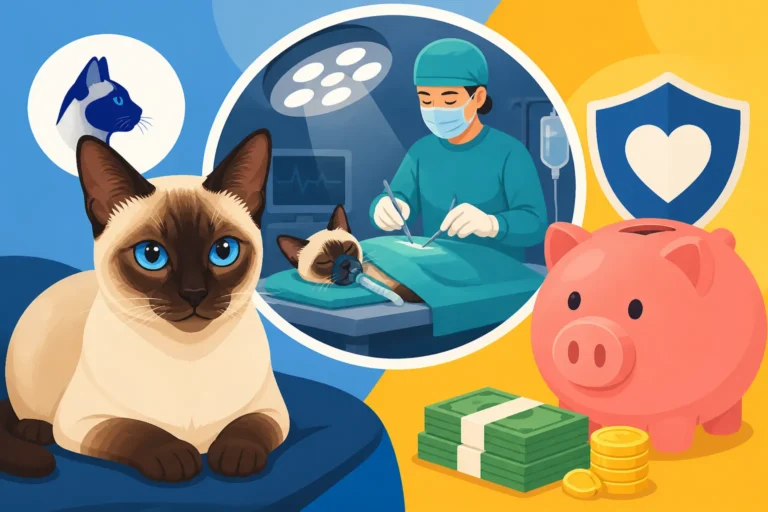
A significant ongoing cost, but one that offers immense peace of mind, is pet insurance. Plans vary widely in coverage and cost, but having insurance can be a lifesaver if your Siamese faces an unexpected illness or injury. Providers like Healthy Paws offer various plans that can help mitigate the financial impact of emergency vet visits or chronic conditions. It's wise to research options like Whether Insurance Covers a Siamese Cat's Asthma or Whether Insurance Covers a Siamese Cat That Eats Fabric to understand what would be covered for your specific cat's needs.
Litter and Routine Supplies
The ongoing cost of litter might seem minor, but it adds up, especially with a strict cleaning schedule. Depending on the brand and type of litter you choose, this can be a notable monthly expense. For a Siamese cat, known for their cleanliness, fresh litter is crucial to prevent inappropriate urination outside the box.
Other routine supplies include replacement toys, grooming tools (though Siamese cats have short, low-maintenance coats, a rubber brush or grooming glove can help with shedding), and occasional treats. While these might not be purchased every single month, they contribute to the overall enjoyment and care of your feline friend. Don’t forget to replace scratching posts as they wear out to continue encouraging good scratching habits.
Unexpected and Specialized Costs
While budgeting for the expected, it's also wise to anticipate the unexpected. Adult cats, particularly those with unknown histories, can sometimes come with surprises that require additional financial outlay.
Dental Health: A Common Siamese Challenge
Siamese cats are unfortunately prone to dental issues, including gingivitis, periodontal disease, and tooth resorption. These conditions can be painful and, if left untreated, lead to more serious health problems. Regular dental cleanings under anesthesia are often recommended, which can be a significant expense.
Signs like bad breath, difficulty eating, or pawing at the mouth could indicate a dental problem. Addressing these issues early can prevent more extensive and costly treatments, such as multiple tooth extractions. For more detailed information, consider reading Why a Siamese Cat Loses Teeth Young or Tooth Resorption in a Siamese Cat to understand the specific dental challenges faced by the breed. This is one area where investing in preventative care, like regular tooth brushing, can truly pay off.
Behavioral Support and Training
Siamese cats are highly intelligent and deeply bonded to their people, but their intense personalities can sometimes lead to behavioral challenges. Issues like excessive vocalization, destructive scratching, or even psychogenic alopecia (over-grooming due to stress or anxiety) might require professional intervention.
Working with a certified feline behaviorist or your vet can help address these problems. The cost of consultations, specialized training, or even medication can add up. For example, if your Siamese cat exhibits What Psychogenic Alopecia Does to a Siamese Cat, you might need to invest in environmental enrichment, calming diffusers, or even vet-prescribed anxiety medication. While these aren't guaranteed costs for every cat, they are a possibility, especially for adult rescues with potentially stressful pasts.
Age-Related or Chronic Health Management
Adopting a senior Siamese means you might quickly encounter age-related health issues such as kidney disease, hyperthyroidism, or arthritis. Even younger adult cats can develop chronic conditions like asthma or heart disease. Managing these conditions often involves ongoing medication, specialized diets, more frequent vet visits, and diagnostic tests, all of which come with costs.
For example, managing Kidney Disease in an Older Siamese Cat might require prescription food and regular blood work. While heart-wrenching, these treatments are part of responsible pet ownership. It’s another reason why having pet insurance or a dedicated emergency fund is so crucial, as it allows you to provide the best possible care without being overwhelmed by unexpected bills.
The Long-Term Financial Picture
Looking beyond the immediate and monthly costs, it's essential to consider the entire financial commitment of adopting an adult Siamese cat. These loyal companions can live for many years, and their needs will evolve over time.
Estimating a Lifetime of Care
While you might be adopting an adult cat, Siamese cats are known for their longevity, with many living into their mid to late teens, and some even reaching twenty years. This means that even an 8-year-old adopted Siamese could still be with you for another decade or more. Therefore, the "cost of adoption" extends far beyond the initial fee; it's a commitment to providing care for their entire remaining lifespan. Articles like Twenty Years of a Siamese Cat, Priced Out delve into the cumulative costs over a cat's lifetime, offering a sobering but realistic view.
As cats age, their veterinary needs tend to increase. They might need more frequent check-ups, special senior diets, or medications for age-related ailments. These long-term costs should be factored into your decision-making process. Adopting an adult cat is a wonderful act, but it's important to do so with a clear understanding of the full financial responsibility involved.
Financial Planning and Budgeting for Your Siamese
To ensure you can provide excellent care for your adopted Siamese, creating a budget is incredibly helpful. This should include:
| Category | Initial (One-Time) Costs | Estimated Monthly Costs (Range) |
|---|---|---|
| Adoption Fee | Rescue: Varies (often higher with care) | N/A |
| Initial Vet Care | Exam, vaccines, deworming, microchip | N/A |
| Food & Water Bowls | Basic: Low; Fountain: Moderate | N/A |
| Litter Box Setup | Boxes, scoop, initial litter | N/A |
| Comfort/Enrichment | Bed, cat tree, scratchers, toys | N/A |
| Ongoing Food | N/A | Quality dry/wet: Moderate to High |
| Litter | N/A | Low to Moderate |
| Preventative Meds | N/A | Flea/tick/worming: Low |
| Pet Insurance | N/A | Plans vary: Moderate to High |
| Annual Vet Check-ups | N/A | (Divide annual cost by 12): Low |
| Miscellaneous (Toys, treats) | N/A | Low |
| Emergency Fund (Savings) | Recommended initial deposit | Monthly contribution: Varies |
This table provides a generalized overview, and actual costs will vary based on your location, choices, and the individual needs of your cat. Remember that the joy and companionship an adult Siamese cat brings are immeasurable, and with careful planning, you can ensure they live a happy, healthy life by your side. You might find further insights into the broader financial scope by exploring What the First Year With a Siamese Cat Costs.
Disclaimer
This article is for general informational purposes only and does not constitute professional advice. Laws, prices and regulations vary by location and change over time. Consult a qualified professional for guidance on your specific situation.