Which Tests a Siamese Cat Breeder Actually Runs
It's incredibly frustrating when you're trying to find a responsible Siamese cat breeder, and you're met with vague answers or a laundry list of "tests" that don't quite make sense. You want to bring home a healthy kitten, but the world of feline health screening can feel like a maze, leaving you wondering what questions truly matter. This guide aims to cut through the confusion, revealing the actual health tests and practices a reputable Siamese breeder should be engaging in to ensure their kittens have the best possible start in life.
The Reality of Health Screening in Siamese Cats
When you're looking for a Siamese kitten, it’s easy to get caught up in the excitement, but understanding the health screenings a good breeder performs is absolutely crucial. Responsible breeders invest time and resources into ensuring the health of their breeding lines, not just for the kittens they sell, but for the future of the breed itself. However, it's vital to know that not every genetic condition has a simple "test," and some of the most serious issues require a more nuanced approach than just checking a box.
Genetic Conditions with Known Tests
For certain genetic conditions, we do have tests, which can be a huge relief for prospective owners. The challenge sometimes lies in knowing which tests are truly applicable to Siamese cats and what the results actually mean.
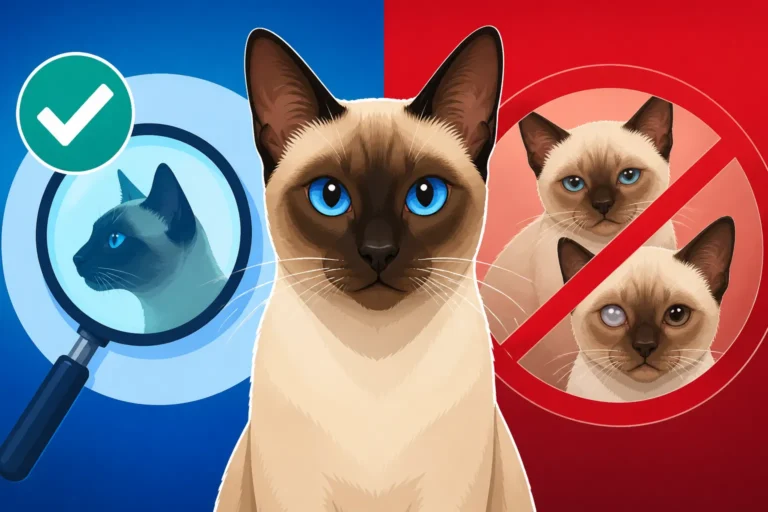
One of the most talked-about genetic conditions with screening available is Progressive Retinal Atrophy (PRA). This inherited eye disease causes the retina to degenerate over time, leading to blindness. For Siamese cats, specifically, there's been a lot of discussion around particular genetic markers and tests. It's not always a straightforward "yes" or "no" answer, as some tests developed for other breeds might not be entirely reliable or definitive for a Siamese. This is why you'll often hear about the complexities surrounding PRA and the Siamese Cat Eye Test That Does Not Settle It. A reputable breeder will be transparent about their testing process, the specific labs they use, and what their cat's results indicate. They should be able to provide documentation, not just tell you they "test for everything." You're looking for evidence of testing for the parents of your potential kitten, showing they are clear or, at the very least, not affected, and ideally, not carriers if it's a recessive gene. Understanding the nuances here can save you a lot of heartache (and vet bills) down the line.
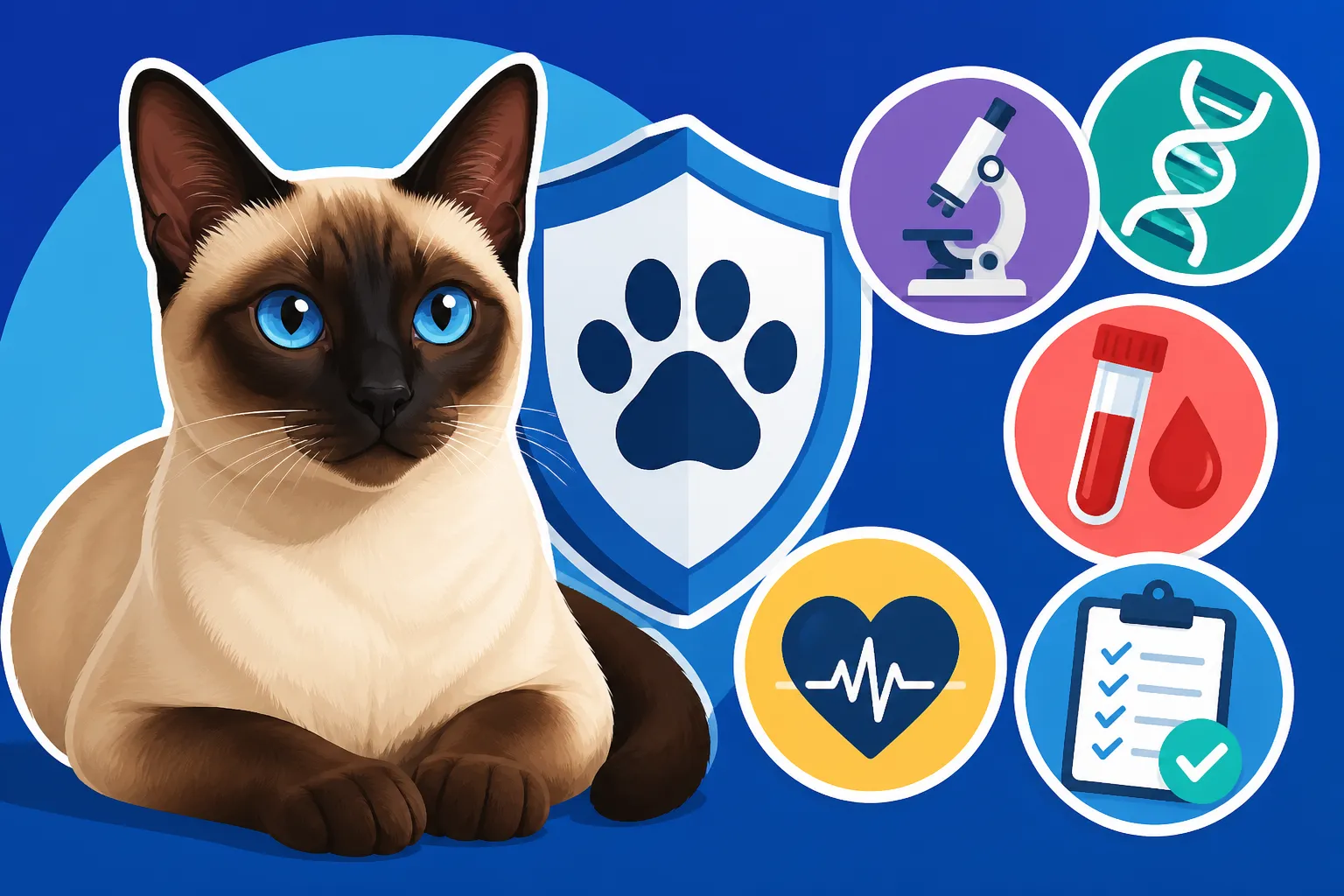
Beyond specific genetic tests, general health checks are paramount. A breeder should be routinely taking their breeding cats and kittens to a veterinarian for wellness exams. These aren't genetic tests, of course, but they are foundational health screenings. This includes testing for common feline diseases like Feline Leukemia Virus (FeLV) and Feline Immunodeficiency Virus (FIV), especially if their cats have any outdoor access or interact with other cats. These viruses can severely impact a cat's immune system and lead to a host of health problems. Kittens should also have age-appropriate vaccinations and deworming. Your breeder should provide records of these veterinary visits, vaccination dates, and deworming protocols. Don't be shy about asking to see these documents; a responsible breeder will have them readily available and be proud to share them. They understand that transparency builds trust and helps you feel confident in the health of your future family member.
Common Feline Diseases a Breeder Should Address
Beyond the specific genetic concerns, a good breeder is also vigilant about general feline health, understanding that a strong foundation in a clean, well-managed environment is paramount. This means more than just a quick vet check-up.
For instance, FeLV and FIV are serious viral infections that can affect a cat's immune system. While not exclusively genetic, a breeder's protocol for preventing and testing for these diseases speaks volumes about their overall health management. All breeding cats should be tested and confirmed negative for FeLV and FIV. If a breeder has an open cattery where cats come and go or if they occasionally breed to outside cats, rigorous testing is even more critical. Kittens can contract these viruses from their mother, so ensuring the dam is negative provides peace of mind. You should receive documentation confirming that the kitten's parents are free from these diseases, or that the kitten itself has been tested prior to placement. This proactive approach significantly reduces the risk of you bringing home a kitten facing a lifelong battle with these complex conditions.
Parasite screening is another non-negotiable. Kittens are highly susceptible to internal parasites like roundworms, hookworms, and coccidia, as well as external parasites such as fleas and ear mites. A responsible breeder will have a regular deworming schedule for their kittens and will routinely test stool samples to ensure effective parasite control. They should be able to tell you exactly when the kittens were last dewormed and with what medication, and often provide a schedule for future treatments. While these aren't "genetic" tests, neglecting parasite control can seriously impact a kitten's health, growth, and immune system, setting them up for a rough start. A breeder who is attentive to these everyday health concerns demonstrates a deep commitment to the well-being of their animals, understanding that even common issues can lead to significant problems if left unaddressed.
Conditions Without a Direct Genetic Test for Siamese Cats
This is where things get a bit trickier and require more diligent research on your part as a prospective owner. Not every significant health issue in Siamese cats has a simple DNA test you can run. Some of the most devastating conditions require breeders to rely on meticulous record-keeping, veterinary evaluations, and a deep understanding of their cats' pedigrees.
Amyloidosis – The Silent Threat
One of the most heartbreaking conditions that can affect Siamese cats, and one that lacks a direct genetic test, is Amyloidosis. This disease involves the abnormal deposition of a protein called amyloid in various organs, most notably the liver and kidneys in Siamese cats. It can lead to organ dysfunction and, tragically, liver rupture and sudden death, often in otherwise seemingly healthy young to middle-aged cats. You might have heard whispers about Amyloidosis Is the Disease That Kills Young Siamese Cats. The frustration for both breeders and owners is immense because, despite its known prevalence in the breed, there is no definitive DNA test to identify carriers or affected cats before clinical signs appear. As we discuss in Why There Is No Siamese Cat Amyloidosis Gene Test, the genetic markers are still elusive.
So, what can a breeder do? Their primary tool becomes transparency and meticulous record-keeping of their lines. A responsible breeder will know the health history of their breeding cats' ancestors, including the causes of death for cats in their pedigrees. They should be willing to discuss any known cases of amyloidosis in their lines, even if it's several generations back. While they can't provide a "clear" certificate, they can demonstrate a commitment to understanding and attempting to mitigate the risk. This might involve not breeding cats from lines with a high incidence of the disease or being very upfront with potential owners about the risks. Regular blood work in older breeding cats, though not diagnostic for amyloidosis itself, might reveal early kidney issues that could be a red flag. What a Siamese Cat's Yearly Bloodwork Should Cover often includes kidney values that could point to problems. It's a challenging situation, highlighting why open communication with your breeder is vital.
Heart Disease and Other Inherited Predispositions
Beyond amyloidosis, Siamese cats can also be prone to certain heart conditions, like Hypertrophic Cardiomyopathy (HCM), a thickening of the heart muscle. While some breeds have specific genetic tests for HCM, for Siamese cats, it's often diagnosed through cardiac screenings by a veterinary cardiologist. This involves an echocardiogram, an ultrasound of the heart, to assess its structure and function.
A truly diligent breeder might have their breeding cats regularly screened for HCM by a board-certified veterinary cardiologist. These screenings aren't cheap, and they need to be repeated periodically, but they are a strong indicator of a breeder's commitment to avoiding inherited heart issues. The results of an echo can show if a cat has HCM or is likely to develop it, allowing the breeder to make informed decisions about their breeding program. While it's not a genetic test in the DNA sense, it's a vital screening tool for a serious inherited predisposition. If you're concerned about Heart Disease in a Siamese Cat, asking about cardiac screening is a very smart move.
Other inherited predispositions exist where specific genetic tests are either unavailable or not definitive for the Siamese. For example, some Siamese lines may be more prone to certain types of cancer like mediastinal lymphoma, or dental issues, but these are identified through observation, veterinary care, and family history rather than a single genetic test. A good breeder understands these broader risks and selects their breeding pairs carefully, aiming for overall robust health and longevity in their lines. This comprehensive approach, relying on both available tests and careful observation of family health, is what distinguishes a truly responsible breeder.
What to Ask Your Prospective Breeder (And Why)
Navigating the world of cat breeding can be tricky, and it's easy to feel intimidated when you're just trying to find a healthy companion. But remember, you're making a significant, long-term commitment, and a responsible breeder will welcome your questions. Their answers, and their willingness to provide documentation, will tell you a lot.
Documentation and Transparency
When you're speaking with a prospective breeder, documentation is your best friend. Don't rely solely on verbal assurances. Ask to see actual records for the parents of the kitten you're interested in.
Here's a list of documentation and questions you should be prepared to ask:
- Health Records for Parents: Can they provide copies of veterinary records for both the dam and sire? This includes vaccination histories, FeLV/FIV test results, and any specialist screenings, like echocardiograms for heart health or eye exams for PRA, even if a direct genetic test isn't definitive. For conditions like PRA, ask about Whether an Eye Exam Beats a DNA Test for a Siamese Cat.
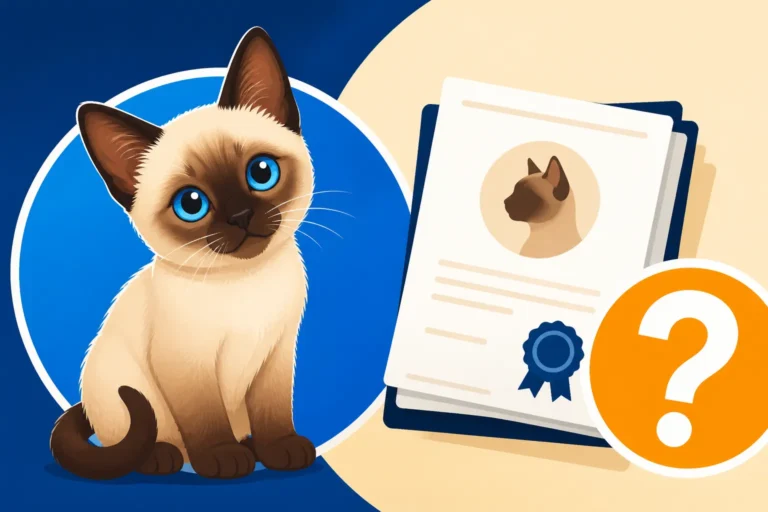
- Pedigree Information: Request to see the pedigree of the kitten. A good breeder will have this readily available. This isn't just about showing off fancy ancestors; it's a critical tool for tracking potential inherited health issues like amyloidosis through generations. Ask if they track causes of death in their lines, particularly for cats that died young.
- Health Guarantees and Contracts: What kind of health guarantee do they offer? This is typically outlined in a written contract. Does it cover inherited diseases, and for how long? Be realistic; no breeder can guarantee a cat will never get sick, but a responsible one stands behind the initial health of their kittens and will have clauses about genetic or congenital defects. Discussing What a Siamese Cat Contract Restricts can be very insightful.
- Previous Litter Health: Inquire about the health outcomes of previous litters from the same parents or related lines. Were there any issues? How long did the cats from those litters live? This information, combined with knowing What Most Siamese Cats Die Of, gives you a clearer picture of the genetic health prevalent in their cattery.
- Registration Papers: For a purebred Siamese, you should expect registration papers from a recognized cat association (like CFA or TICA). This verifies the cat's lineage and adherence to breed standards. While not a health test, it confirms the breeder's commitment to purebred breeding.
A breeder who is open and eager to share this information is usually a good sign. They understand that educating potential owners is part of their responsibility.
Observing the Cattery and Kittens
While documentation is crucial, there's no substitute for direct observation, if possible. Visiting the cattery (or at least having a detailed video call if distance is an issue) can provide invaluable insight into the breeder's practices and the environment the kittens are raised in.
When you visit, pay attention to these points:
- Cleanliness and Environment: Is the cattery clean, odor-free, and well-maintained? Are the cats housed in a stimulating and spacious environment? Healthy kittens come from a healthy, enriching home. A breeder who keeps their animals in cramped or unsanitary conditions is a major red flag, regardless of what tests they claim to run.
- Temperament of Parents and Kittens: Observe the breeding cats and kittens. Are they friendly, outgoing, and well-socialized? Siamese cats are known for their vocal and interactive personalities, and signs of fear, aggression, or excessive shyness in the kittens or parents could indicate poor socialization or underlying issues. A healthy temperament is as important as physical health.
- Kitten Health Indicators: Look at the kittens themselves. Are their eyes clear and bright, their noses free of discharge, and their coats clean and shiny? Are they active and playful? Are they a healthy weight for their age? Any signs of lethargy, sneezing, coughing, diarrhea, or a distended belly (which can indicate worms) should raise concerns. Pay attention to how they interact with their littermates and with the breeder. A responsible breeder will have healthy, robust kittens who are handled frequently and introduced to various household sounds and experiences. They should be transparent about the usual Congenital Defects in a Siamese Cat Kitten if any are present in specific lines, though these are ideally bred out.
- Age of Placement: Kittens should never leave their mother before 12 weeks of age, and many reputable breeders prefer 14-16 weeks. This allows them adequate time for socialization, learning vital cat behaviors from their mother and littermates, and receiving necessary vaccinations. A breeder pushing to sell kittens younger than 12 weeks is typically not prioritizing the kitten's long-term well-being.
Trust your gut feeling. If something feels off, it probably is. A truly responsible breeder will instill confidence and make you feel comfortable with your decision.
Navigating the Information (and Misinformation) Landscape
The sheer volume of information (and unfortunately, misinformation) out there can be overwhelming. It's crucial to be an educated consumer and advocate for your future feline companion. Knowing what to look for, and more importantly, what to be wary of, will serve you well.
Red Flags to Watch For
While we've talked about what good breeders do, it's equally important to recognize the warning signs that indicate a breeder might not be as reputable as they claim. Ignoring these red flags can lead to heartbreak and significant financial strain down the road.
- Vague Health Claims: If a breeder simply says, "All my cats are healthy" or "We test for everything" without being able to provide specific documentation, test results, or detailed explanations, consider that a major red flag. Health testing is expensive and involves specific procedures, so a breeder should be able to articulate exactly what they do and why. A claim like "guaranteed healthy" is impossible to fulfill and should make you suspicious. Real breeders understand that even with the best intentions, health issues can arise, and they are prepared to be transparent about those risks.
- No Vet Records or Limited Access: If you're denied access to the parents' health records, or if the breeder is hesitant to share vaccination and deworming certificates for the kittens, walk away. This lack of transparency is a huge warning sign. They might be trying to hide something, or they simply aren't investing in proper veterinary care.
- Unsanitary Conditions or Sick Animals: A visit to the cattery should reveal a clean, well-organized environment. If you see dirty litter boxes, unkempt cats, or animals displaying signs of illness (e.g., sneezing, runny eyes, lethargy, poor coat condition), this breeder is failing in basic husbandry. No amount of "health testing" can compensate for a neglectful living situation.
- Selling Kittens Too Young: As mentioned earlier, kittens need time with their mother and siblings to develop properly. A breeder who offers kittens for sale under 12 weeks of age is putting profit over proper socialization and development. These kittens often face behavioral issues and may not be fully vaccinated, exposing them to unnecessary risks.
- Pressure Sales or High-Volume Breeding: Be wary of breeders who try to pressure you into a sale, seem more interested in your money than in finding a good home for their kittens, or appear to have a constant supply of multiple litters available. Responsible breeding involves careful planning, and litters are typically spaced out to ensure the well-being of the breeding queen.
- Lack of Knowledge or Engagement: A good breeder is passionate about their breed and knowledgeable about its specific health concerns, temperament, and care requirements. If they can't answer your questions thoroughly or seem uninterested in your living situation and experience, they might not be the right fit. Remember, they should be screening you as much as you're screening them.
Recognizing these red flags helps you avoid supporting irresponsible breeding practices and increases your chances of bringing home a truly healthy and well-adjusted Siamese cat.
How to Prepare for Future Health Needs
Even with the most rigorous breeding practices and health screenings, owning a living creature means you'll eventually face health decisions. No cat is immune to illness or injury, and the best preparation involves proactive planning for their long-term well-being.
First, prioritize consistent veterinary care throughout your Siamese cat's life. This isn't just about vaccinations; it's about regular wellness exams where your vet can catch potential issues early. Remember How Healthy the Siamese Cat Actually Is depends a lot on preventative care. Discuss a plan for routine dental care, as Siamese cats can be prone to Dental Disease in a Siamese Cat. These regular check-ups, often yearly, include a thorough physical examination, weight monitoring, and discussions about behavior and nutrition. As your Siamese cat ages, these visits become even more critical, allowing your vet to monitor for age-related conditions like kidney disease or hyperthyroidism, as discussed in Caring for a Siamese Cat Past Twelve.
Nutrition also plays a huge role in preventive health. Providing a high-quality, balanced diet is fundamental. There are many excellent brands available that cater to feline nutritional needs, whether you prefer wet, dry, or a combination. Many owners find trusted retailers like Chewy or specialty pet stores offer a wide selection of cat foods, along with subscription services that ensure you never run out. Some might even explore fresh, human-grade food, if that aligns with your philosophy and budget. Always choose food appropriate for your cat's age, activity level, and any specific health requirements.
Finally, seriously consider pet insurance. This is one of the smartest investments you can make for your Siamese cat, especially given that some breeds are predisposed to certain conditions. Companies like Healthy Paws offer various plans that can cover everything from accidents and illnesses to emergency care and even some hereditary conditions, depending on the policy. Imagine facing a sudden emergency like a ruptured liver from amyloidosis – What a Siamese Cat's Emergency Liver Bleed Costs can be substantial. Having insurance can alleviate the financial stress during an already difficult time, allowing you to focus on your cat's recovery rather than the bill. It's important to look into policies early, as most plans won't cover pre-existing conditions, and to understand Whether Insurance Covers a Siamese Cat's Inherited Disease. Being financially prepared for potential health challenges is a key part of responsible pet ownership.
| Test/Screening | What it is | Why it's important for Siamese Cats | How a breeder demonstrates it |
|---|---|---|---|
| PRA (Progressive Retinal Atrophy) | Genetic test for retinal degeneration | Can lead to blindness; specific tests exist but can be complex for Siamese. | Provides lab results for breeding cats; discusses specific test used. |
| FeLV/FIV | Blood tests for Feline Leukemia/Immunodeficiency | Highly contagious viral diseases affecting immune system; critical for preventing spread. | Provides negative test results for breeding cats and/or kittens. |
| General Vet Check-ups | Routine physical exams and vaccinations | Ensures overall health, detects common ailments, establishes foundational care. | Provides veterinary records, vaccination certificates, deworming schedule. |
| Amyloidosis (No direct test) | Inherited protein deposition leading to organ failure | No genetic test, but a significant concern in Siamese lines; often liver or kidney affected. | Transparent about pedigree history, causes of death in lines, avoids affected lines. |
| HCM (Hypertrophic Cardiomyopathy) | Echocardiogram (heart ultrasound) | Thickening of heart muscle, can lead to heart failure; some breeds have genetic tests, not definitive for Siamese. | Provides cardiologist reports (echo results) for breeding cats. |
| Parasite Screening | Stool samples, visual checks | Common in kittens; impacts growth and immunity; easily transmissible. | Discusses deworming protocol, provides schedule, mentions fecal test results. |
Disclaimer
This article is for general informational purposes only and does not constitute professional advice. Laws, prices and regulations vary by location and change over time. Consult a qualified professional for guidance on your specific situation.