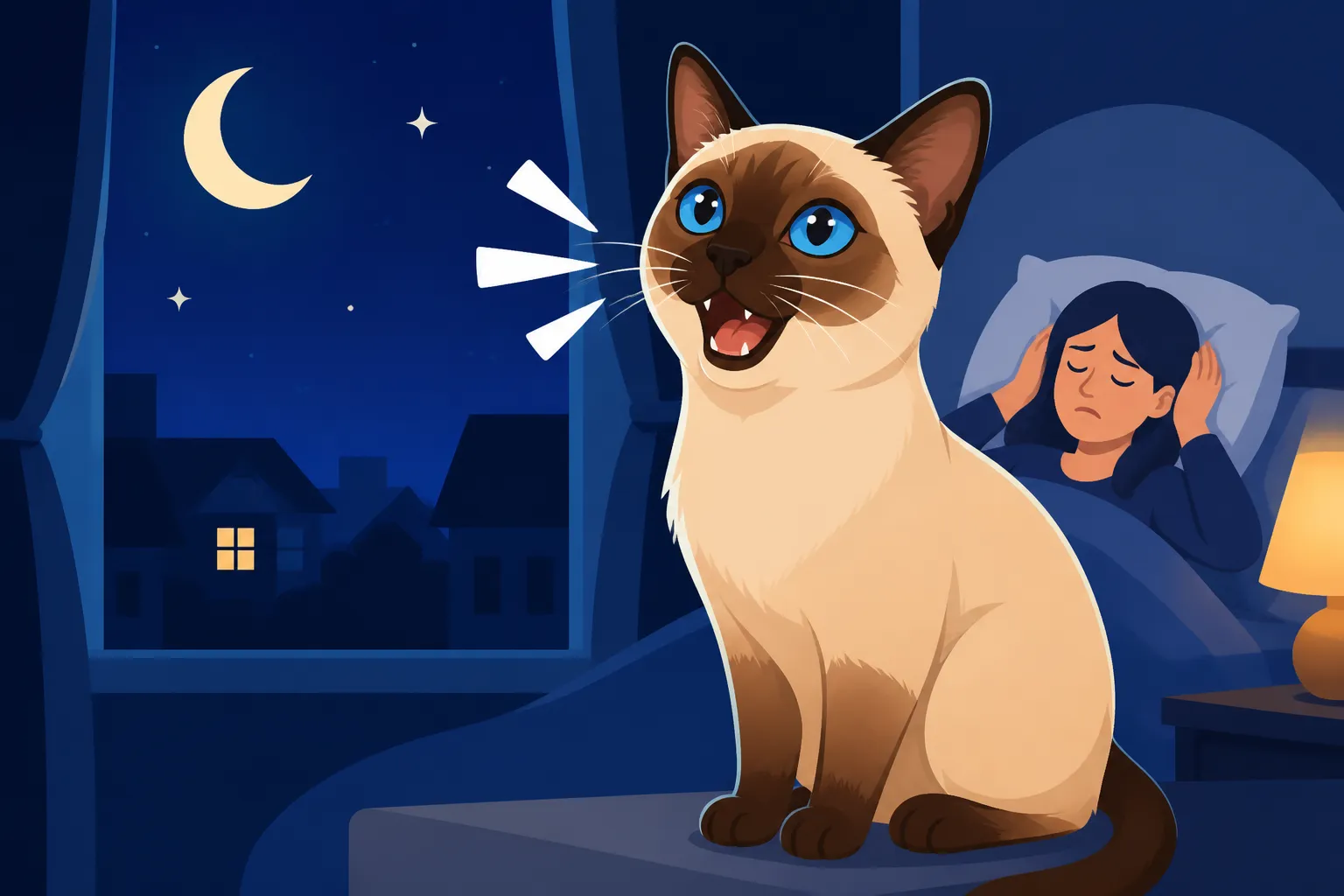
How Often a Siamese Cat Meows at Night
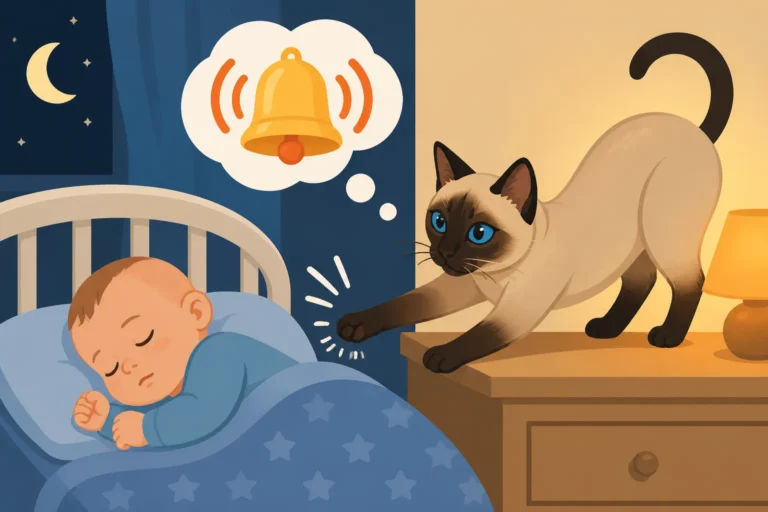
The quiet of the night is a cherished thing for most of us, a time for rest and peaceful slumber. But if you share your home with a Siamese cat, you know this vision can often be shattered by a piercing, insistent yowl or a relentless series of meows that echo through the house. It's incredibly frustrating when your beloved companion turns into a nocturnal opera singer, leaving you exhausted and wondering if you'll ever get a full night's sleep again. This comprehensive guide is here to shed light on why your Siamese cat might be so vocal after dark and, more importantly, what you can do about it.
Understanding the Siamese Cat's Nocturnal Nature
Siamese cats are, without a doubt, one of the most distinctive and beloved breeds, known for their striking blue eyes, elegant build, and incredibly talkative nature. What many new owners don't always realize, however, is just how deeply this vocalization is embedded in their very being, especially when the sun goes down. Their nighttime habits aren't always a direct attempt to annoy you, but often stem from their ancient instincts and how they've adapted (or haven't quite adapted) to living in our human-centric world.
Why Siamese Cats are Naturally More Active at Night
It's a common misconception that all cats are purely nocturnal. While many felines exhibit crepuscular behavior—meaning they're most active at dawn and dusk—Siamese cats can lean heavily towards a more nocturnal pattern, especially if their environment or routine encourages it. In the wild, these twilight hours or the dead of night would be prime hunting times, when prey animals are out and about, and the cover of darkness offers a tactical advantage. Your Siamese cat, even cuddled up on your couch, still carries these ancient drives within them.
This natural inclination means that when your house settles down for the night, their internal clock might be just starting to rev up. They might feel a surge of energy, an urge to explore, hunt, or simply engage with their world. If they’ve spent a relatively quiet day dozing while you’re at work, that pent-up energy has to go somewhere, and often, it manifests as a burst of activity and, inevitably, noise, precisely when you're trying to drift off.
The Evolutionary Roots of Their Vocalizations
The Siamese cat's famous "Meezer yowl" isn't just a quirky personality trait; it's a deeply ingrained form of communication with a rich history. Originating from Siam (now Thailand), these cats were historically revered and often lived in close proximity to humans, particularly in royal courts and temples. Over generations, their survival and success became increasingly linked to their ability to communicate effectively with their human companions. Unlike many other cat breeds that might rely more on body language or subtle purrs, the Siamese developed an extensive and powerful vocal repertoire.
This means that their meows and yowls aren't just random noises; they are intentional, nuanced attempts to convey needs, desires, or even just observations. When your Siamese cat is meowing at night, they are engaging in this ancient form of direct communication. They aren't trying to be rude; they are trying to tell you something, often with the same urgency they would have communicated with their human caretakers centuries ago. Understanding this evolutionary background helps shift our perspective from annoyance to an appreciation of their unique, expressive nature, even if it's still keeping us awake.
The Impact of Modern Living on Their Internal Clocks
Our modern lives are often at odds with a cat's natural rhythms. We work during the day, are active in the evenings, and then expect our pets to conform to our nighttime sleep schedule. For a Siamese cat, who thrives on interaction and mental stimulation, this can create a significant imbalance. If their days are spent in a relatively quiet house with limited engagement, they might sleep through much of it. This then leads to a "reversal" of their natural cycle, where they are wide awake and ready for action just as you're winding down.
Consider a scenario where you leave for work early, and your Siamese, How Attached a Siamese Cat Gets to One Person, naps away the hours. You come home, perhaps feed them, have a quick play session, and then settle in for your own evening. By the time you head to bed, your cat might feel like they've had barely any interaction and are now fully charged. This is a classic setup for nighttime meowing. The lack of sufficient mental and physical engagement during the day often pushes their peak activity into the darkest hours, making them truly nocturnal in a way that’s detrimental to your sleep and, potentially, their well-being.
Common Reasons for Nighttime Meowing
When your Siamese cat is vocally expressing themselves in the middle of the night, it’s not always the same underlying issue. Just like a baby crying, their specific meows or yowls can often indicate different needs or problems. Learning to distinguish these can be a crucial first step in addressing the behavior. It's often a combination of factors, and sometimes it feels like a never-ending riddle.
Attention-Seeking Behavior
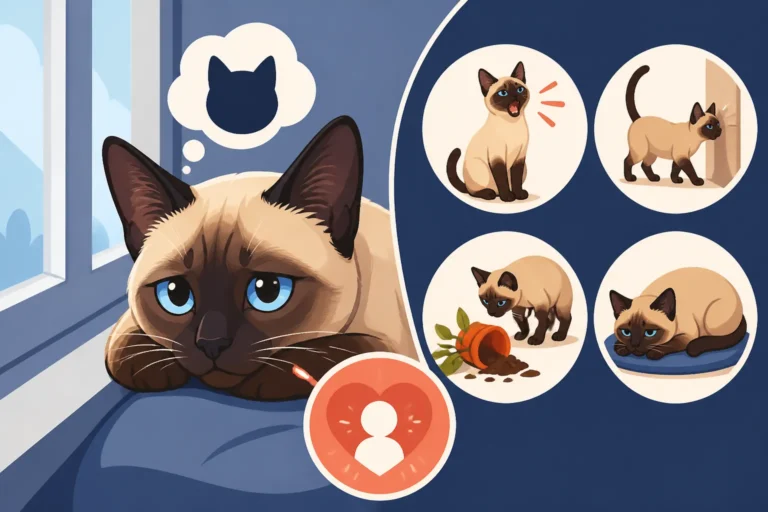
This is perhaps the most common culprit when it comes to nighttime meowing. Siamese cats are incredibly social creatures who thrive on interaction. If they feel they're not getting enough attention during the day, or if they've learned that meowing at night gets a response, they will absolutely use that tactic. It's not malicious; it's simply effective from their perspective.
Imagine this: you're fast asleep, and suddenly, a sharp "MEOW!" jolts you awake. You sigh, maybe throw a toy from your bed, or even get up to investigate. Bingo! Your cat has successfully engaged you. Even a negative reaction, like scolding, can be seen as attention. They learn very quickly that vocalizing loudly gets a reaction from their favorite human. This cycle is hard to break because, let's be honest, it's difficult to ignore a persistent, loud meow when you're desperate for sleep. They might be lonely, wanting to play, or just curious about what you're doing. Why a Siamese Cat Answers When You Talk is a testament to how much they love interacting with us, and this desire doesn't just switch off at bedtime.
Hunger or Thirst
Cats are creatures of habit, and their meal times are often the most sacred part of their day. If your Siamese cat is used to eating at a certain time, or if their last meal was too early, they might genuinely be hungry in the middle of the night. A rumbling tummy combined with their natural vocal tendencies is a recipe for a noisy night. They know you're the provider, and they'll let you know when the larder is empty!
Dehydration can also be a factor, though less common as a primary cause of incessant meowing. If their water bowl is empty, dirty, or not appealing (some cats prefer running water from a fountain), they might vocalize their thirst. This is especially true for cats who have specific preferences for their water source. Always ensure fresh, clean water is available in multiple locations, perhaps even an Amazon water fountain, which many cats find more enticing. Don't forget that as they age, some cats might drink more, which can impact their overnight needs.
Discomfort or Medical Issues
This is a critical area where you should never make assumptions. While often behavioral, nighttime meowing can also be a clear sign that your Siamese cat is experiencing discomfort or pain, or that a medical issue is brewing. Cats are masters at hiding illness during the day, making nocturnal vocalizations a significant red flag. They might be trying to tell you something serious.
Conditions like arthritis, dental pain, hyperthyroidism (which can increase activity and appetite), kidney disease, or even early signs of cognitive dysfunction (similar to dementia in humans) can manifest as increased nighttime vocalizations. An older Siamese cat might become disoriented, anxious, or experience discomfort that only becomes apparent when the house is quiet and distractions are few. When a Siamese Cat's Meowing Means Pain is a serious consideration. If the meowing is new, sudden, accompanied by other changes in behavior (like changes in appetite, litter box habits, or mobility), or seems distressed, a vet visit is absolutely essential to rule out any underlying health problems.
Boredom and Lack of Stimulation
Siamese cats are famously intelligent and require a great deal of mental and physical stimulation to stay happy and well-adjusted. How Clever a Siamese Cat Is is often underestimated until they start dismantling your cupboards. If they're not getting enough "work" during the day, they will create their own entertainment at night, and that often involves loudly patrolling the house, batting at things, and, of course, meowing to announce their discoveries.
A bored Siamese cat is a mischievous, noisy Siamese cat. They need engaging toys, interactive play sessions, and opportunities to use their sharp minds. If their environment is static and unstimulating during the day, they can become restless and frustrated. This pent-up energy and mental under-stimulation then boil over when you're trying to sleep, as they seek an outlet for their natural drives. Think of it like a human child who hasn't had enough playtime and is now bouncing off the walls at bedtime; your Siamese is doing the feline equivalent, often with a powerful soundtrack.
Addressing the Underlying Causes
Once you have a better idea of why your Siamese cat is meowing at night, you can start to implement targeted strategies to encourage quieter evenings. This isn't usually a quick fix, but with consistency and a bit of patience, you can often make significant improvements. The goal is to meet their needs in appropriate ways, rather than reinforcing unwanted nocturnal behaviors.
Establishing a Consistent Routine
Cats thrive on routine. A predictable schedule provides security and helps them understand what to expect. This includes feeding times, play times, and even quiet times. When their day is structured, they are less likely to feel anxious or confused, which can often lead to nighttime vocalizations.
Start by setting regular feeding times, ensuring their last meal is relatively close to your bedtime, but not so late that it leads to an immediate bathroom break once you're tucked in. An automatic feeder, available on Amazon, can be a game-changer here, as it dispenses food reliably, breaking the association between you and the meal, and preventing them from waking you up for food. Also, establish a consistent playtime schedule. Aim for multiple energetic play sessions during the day, with a particularly vigorous one right before your bedtime. This helps them burn off energy and satisfy their hunting instincts before you settle down. Try to mimic the natural hunt-kill-eat-groom-sleep cycle. A good 15-20 minute session with a wand toy, followed by a small meal or treat, and then a relaxed grooming session, can effectively wind them down for the night. How to Quiet a Siamese Cat often starts with a robust daytime schedule.
Enriching Their Environment for Daytime Play
A stimulating environment during their awake hours is crucial for a Siamese cat, preventing boredom that often fuels nighttime antics. If your cat spends their day alone, you need to provide plenty of engaging activities to keep their minds and bodies busy.
Vertical space is key for cats. Consider cat trees, wall-mounted shelves, or window perches where they can survey their domain. These provide exercise and a sense of security. Puzzle feeders, easily found on Amazon, are excellent for mental stimulation, making them "work" for their food instead of simply gobbling it down. Rotate their toys regularly to keep things interesting. Laser pointers are great for exercise, but always end a session with a tangible toy they can "catch" to satisfy their hunting drive. You could also set up bird feeders outside windows, providing a natural "cat TV" to watch. The more engaged and tired they are during the day, the more likely they are to sleep soundly through the night. Enrichment for a Siamese Cat That Gets Bored in an Hour is not just a luxury, it's a necessity.
Consulting a Vet for Health Concerns
If your Siamese cat's nighttime meowing is a new behavior, or if you suspect it's more than just attention-seeking, a visit to the veterinarian is the very first step you should take. As mentioned, cats are masters of disguise when it comes to illness, and a change in vocalization patterns, especially at night, can be a subtle but significant indicator of a health problem.
Your vet can perform a thorough physical examination, check for dental issues, review blood work, and discuss any other symptoms you've noticed. They can help rule out conditions like hyperthyroidism, kidney disease, arthritis, or even early stages of cognitive dysfunction. Be prepared to give your vet a detailed history of the meowing: when it started, how often it occurs, what it sounds like, and any other changes in appetite, water intake, litter box habits, or activity levels. Early detection and treatment of any underlying medical condition can not only alleviate your cat's discomfort but also resolve the nighttime meowing. Never dismiss persistent or distressed vocalizations as "just being a Siamese" without ruling out health issues.
Strategies to Promote Quieter Nights
Once you've ruled out medical issues and established a solid daytime routine, you can start implementing specific behavioral strategies to encourage your Siamese to enjoy peaceful nights, just like you do. These techniques require consistency and patience, but they can be incredibly effective.
Gradual Behavior Modification Techniques
The golden rule for nighttime meowing is: do not reward the behavior. This is incredibly hard, especially when you're groggy and frustrated, but every time you respond to a nighttime meow, even with a scold or a glance, you're reinforcing the idea that meowing works. Instead, the goal is to teach your cat that vocalizing at night does not get them what they want.
This means ignoring them completely. No eye contact, no speaking, no getting out of bed, no throwing toys. It’s tough, and it might get worse before it gets better, as they try harder to elicit a response (this is known as an "extinction burst"). Be prepared for a few very loud nights. You can also try to proactively manage their needs just before bed: a final play session, a small snack, and a fresh water bowl. Ensure the litter box is clean. If they still meow, remember they are likely safe and well, and you are teaching them a new lesson. How to Train a Siamese Cat to Meow Less really boils down to consistent reinforcement of desired behaviors and ignoring unwanted ones.
| Nighttime Meowing Cause | Potential Solution | Action Steps |
|---|---|---|
| Attention-Seeking | Ignore, redirect | Increase daytime play, provide puzzle toys, never respond to night meows. |
| Hunger/Thirst | Timed feeding/water | Last meal closer to bed, automatic feeder, multiple fresh water sources. |
| Boredom | Environmental enrichment | Cat trees, window perches, interactive toys (especially before bed), rotate toys. |
| Discomfort/Pain | Veterinary check-up | Immediate vet visit to rule out medical issues. |
| Anxiety/Stress | Calming environment | Feliway diffusers, consistent routine, safe sleeping spots, consider companion cat. |
| Old Age (Cognitive Dysfunction) | Vet assessment, routine | Vet for diagnosis/meds, consistent schedule, nightlights, calming supplements. |
Utilizing Comfort and Security
Creating a calm and secure environment can significantly reduce anxiety and restlessness that contributes to nighttime meowing. Cats, even vocal Siamese, often feel safer and more content in a predictable and cozy setting.
Ensure your Siamese has a comfortable, warm, and safe place to sleep that isn't isolated. A soft bed, perhaps a self-warming one or one they can burrow into, can make a big difference. Many cats prefer elevated sleeping spots. Consider using a feline pheromone diffuser, like Feliway, near their sleeping area, which releases calming synthetic pheromones that can help reduce stress and anxiety. These are readily available on Amazon. Some owners find that leaving a soft, low light on in a hallway or in the room where the cat sleeps can help orient an older or disoriented cat, especially if they are experiencing vision issues or cognitive decline. For some cats, the sound of a white noise machine or soft, classical music can also be soothing, masking disturbing outdoor noises and providing a comforting background hum.
The Role of Companion Animals
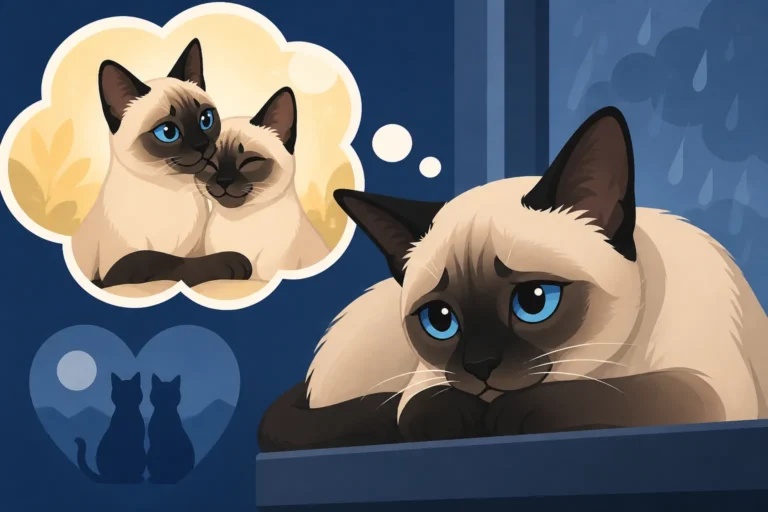
For highly social breeds like the Siamese, loneliness can be a huge factor in nighttime vocalizations. A Siamese cat thrives on companionship, and if they're spending long hours alone during the day, they might be genuinely lonely. A Siamese Cat Should Not Live Alone is often repeated advice for a reason.
Consider whether a companion animal might be a good fit for your Siamese. Another cat, especially one with a similar energy level and personality, can provide invaluable mental and physical stimulation, reducing boredom and loneliness. They can play together, groom each other, and simply keep each other company, especially when you're not around or are asleep. This isn't a guaranteed fix and requires careful introduction, but for many Siamese owners, adding a second feline companion has dramatically reduced unwanted behaviors, including nighttime meowing. If you already have multiple cats, ensure they genuinely get along and provide enough resources (food bowls, litter boxes, sleeping spots) to prevent competition or stress.
When to Seek Professional Help
Sometimes, despite your best efforts, the nighttime meowing persists or even escalates. This can be incredibly draining for owners and signals that it might be time to bring in outside expertise. Knowing when to escalate your approach is important for both your sanity and your cat's well-being.
Recognizing Persistent or Escalating Issues
You've tried everything: vet check-ups, routine adjustments, environmental enrichment, ignoring the meows… and still, your Siamese cat is serenading the moon. If the behavior is persistent, meaning it's been going on for weeks or months without improvement, or if it's actually getting worse, that's a sign you need more help. An escalating issue might mean louder, more frequent, or more distressed vocalizations, despite your consistent efforts to redirect or ignore.
This level of persistence suggests that either the underlying cause is more complex than initially thought, or your current strategies aren't quite hitting the mark. It could be deeply ingrained learned behavior that needs a more targeted approach, or a subtle anxiety or stressor you haven't identified. Don't feel like a failure if you reach this point; some feline behaviors are genuinely challenging to modify on your own, especially with a breed as intelligent and determined as the Siamese.
The Benefits of a Certified Feline Behaviorist
When you're at your wit's end, a certified feline behaviorist can be a lifesaver. These professionals specialize in understanding cat behavior, identifying root causes, and developing tailored behavior modification plans. They look at the whole picture: your cat's history, their environment, your interactions, and their specific vocalizations.
A behaviorist will often conduct an in-depth consultation, either virtually or in your home, to observe your cat and ask detailed questions. They can help you identify subtle triggers you might be missing, suggest specific enrichment activities, refine your schedule, and teach you techniques to manage and modify the meowing effectively. They can differentiate between attention-seeking, anxiety, boredom, or even subtle forms of cognitive decline that might have been overlooked. Their expertise can provide a fresh perspective and a structured plan to bring peace back to your nights.
Discussing Medication Options with Your Vet
In some cases, especially when anxiety, stress, or cognitive dysfunction is a major contributing factor, medication might be an appropriate part of a comprehensive treatment plan. This is always a decision made in close consultation with your veterinarian, and often after behavioral interventions have been explored.
Your vet might consider anti-anxiety medications, often prescribed short-term to help break the cycle of anxious meowing, or to aid in behavior modification. For older cats with suspected cognitive dysfunction, certain medications can help improve cognitive function and reduce disorientation and nighttime vocalizations. It's important to understand that medication isn't a standalone solution but rather a tool to help facilitate behavioral changes or improve quality of life. It works best in conjunction with environmental adjustments and behavioral therapy, allowing your cat to be more receptive to learning new, quieter habits. Discuss all options thoroughly with your vet, including potential side effects and the expected duration of treatment.
Disclaimer
This article is for general informational purposes only and does not constitute professional advice. Laws, prices and regulations vary by location and change over time. Consult a qualified professional for guidance on your specific situation.