Which Tests the Siamese Cat Health Panel Covers
It’s a truly disheartening moment when you bring home a beautiful Siamese kitten, full of boundless energy and chatter, only to discover later that they might be predisposed to serious health issues. The heartbreak of an unexpected illness, especially one that could have potentially been identified earlier, is something no cat owner wants to face. This guide will walk you through the essential components of a Siamese cat health panel, explaining which tests are typically included and why they are so vital for securing a long, happy life for your beloved feline companion.
Understanding the Importance of a Siamese Cat Health Panel
When you welcome a Siamese cat into your home, you’re not just getting a pet; you’re adopting a family member with a unique genetic blueprint. Like many purebred animals, Siamese cats can carry predispositions to certain inherited conditions. A comprehensive Siamese cat health panel isn't just a fancy phrase; it's a proactive step in understanding your cat's specific health profile and can truly make a difference in their longevity and quality of life. It’s about getting ahead of potential problems rather than reacting to them.
Why Proactive Screening is Crucial for Siamese Cats
Siamese cats are known for their athleticism, intelligence, and incredibly strong bond with their humans. They’re also known for their robust health, with many living into their late teens and even early twenties. However, ignoring the potential for inherited conditions would be a disservice to the breed and to your individual cat. Proactive screening allows veterinarians to establish a baseline for your cat's health, track changes over time, and identify markers for conditions that might not show overt symptoms until they are advanced. Think of it as preventative maintenance for your cherished companion. Catching something early, even just a predisposition, can mean the difference between effective management and a much more challenging prognosis. It allows you and your vet to tailor diet, lifestyle, and monitoring to minimize risks.
The Role of a Breeder in Health Testing
A responsible Siamese cat breeder plays an absolutely critical role in minimizing the risk of inherited diseases. They should be transparent about the health screenings performed on their breeding cats and, ideally, provide documentation for tests relevant to the Siamese breed. When you're looking for a kitten, asking What a Siamese Cat Breeder Should Have Screened is one of the most important questions you can pose. While breeders can screen for many conditions, it's also important to understand their limitations. For instance, many owners grapple with the reality that Why Amyloidosis Cannot Be Screened Out of a Siamese Cat, despite its prevalence in the breed. This highlights why understanding the full scope of available tests is so important, as some conditions are harder to predict or detect pre-symptomatically than others.
Core Tests Included in a Comprehensive Siamese Cat Health Panel
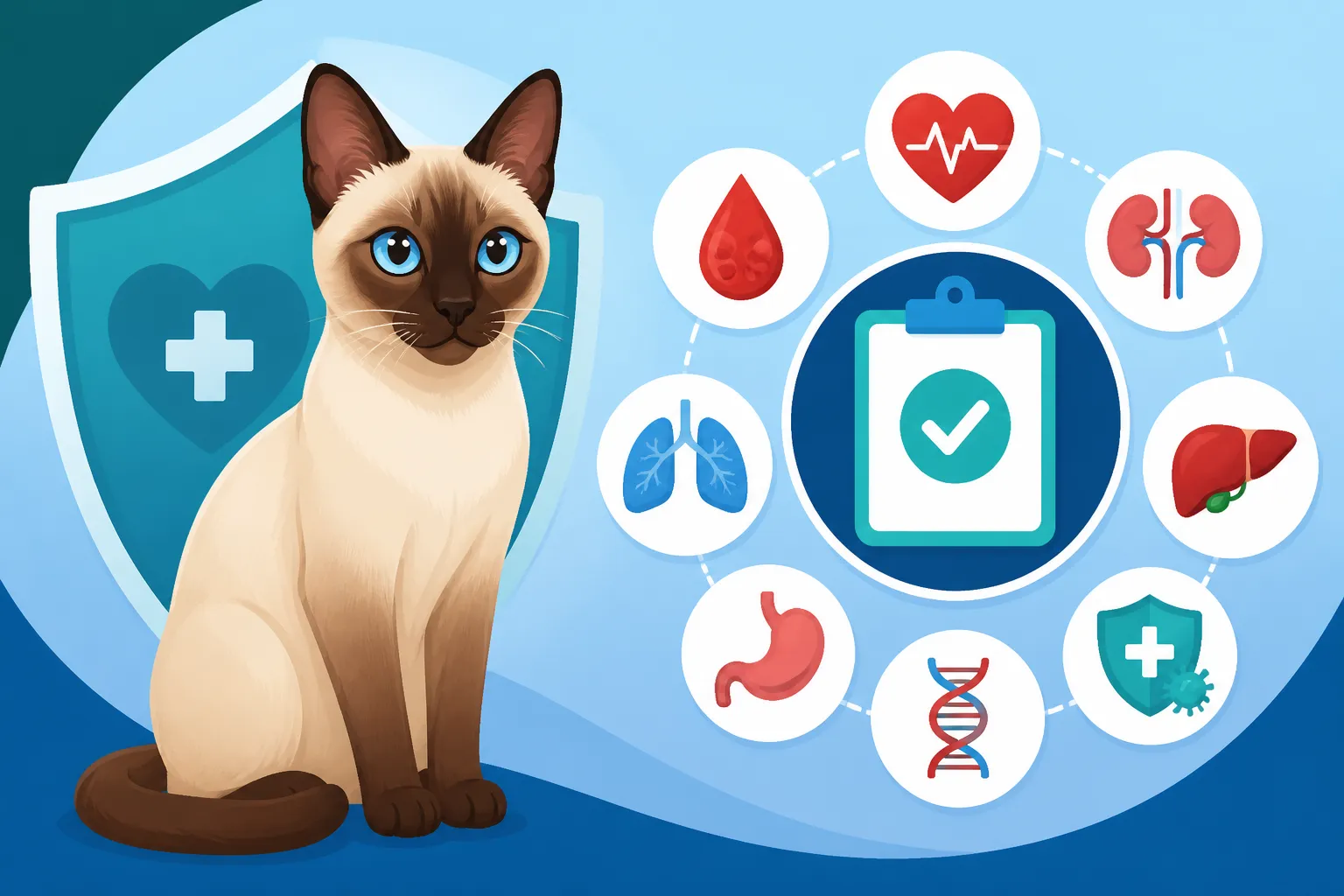
A typical Siamese cat health panel will encompass a range of tests designed to give a holistic view of your cat's internal workings. These generally fall into a few key categories, each targeting different aspects of feline health. It’s not just about looking for specific diseases, but about assessing overall wellness markers.
Genetic Tests for Inherited Conditions
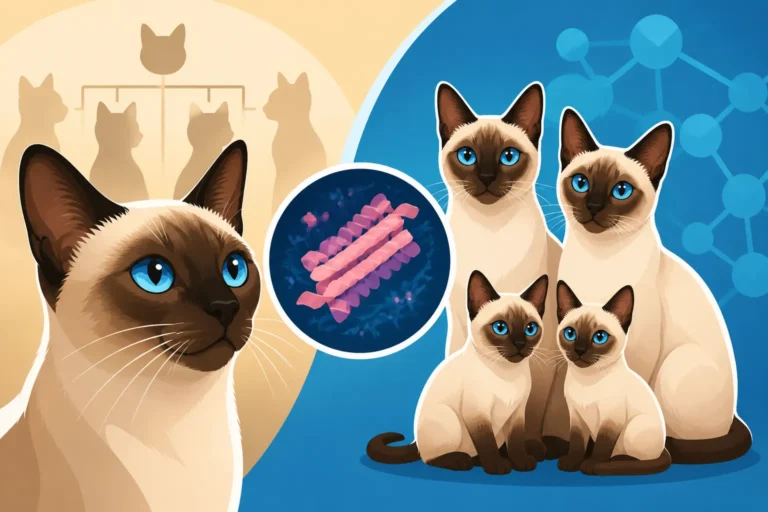
One of the most valuable aspects of a breed-specific health panel is genetic testing. For Siamese cats, certain conditions are known to have a genetic component, and a DNA test can reveal if your cat is affected or a carrier.
- Progressive Retinal Atrophy (PRA): This is a degenerative eye condition that can lead to blindness. Fortunately, there are DNA tests available to identify the genetic mutation responsible for a common form of PRA in Siamese cats. Understanding PRA and the Siamese Cat Eye Test That Does Not Settle It is crucial, as the rdAc mutation is distinct from other forms of PRA seen in other breeds. Knowing if your cat carries this gene, or is affected by it, can help you prepare for potential vision changes or ensure you're not unknowingly contributing to the spread of the condition if you're a breeder. While some tests, like the Whether the rdAc DNA Test Works on a Siamese Cat, are quite reliable for this specific mutation, it's always best to consult with your vet about the most current and accurate testing methods.
- Other Breed-Specific Genetic Markers: While PRA is a primary concern for the Siamese, research is ongoing for other genetic markers. A comprehensive panel might include tests for other conditions if a specific lineage has known risks. Always discuss with your veterinarian what genetic tests are most appropriate for your individual cat based on their pedigree and any observed symptoms.
Organ Function Screenings
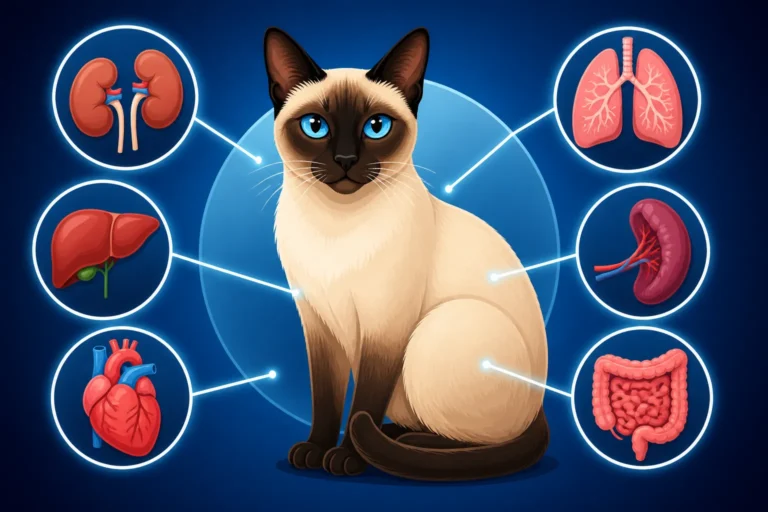
Beyond genetics, a health panel deeply investigates the function of vital organs. These tests use blood and urine samples to provide a snapshot of how well your cat's internal systems are working.
- Complete Blood Count (CBC): A CBC looks at the different types of cells in your cat's blood – red blood cells, white blood cells, and platelets. It can indicate anemia, infection, inflammation, and even certain types of cancer. Changes in these counts can be early warning signs of many underlying issues, from simple infections to more complex systemic diseases.
- Chemistry Panel: This part of the blood work evaluates organ function, including the kidneys and liver. It measures enzymes, proteins, electrolytes, and glucose levels. For Siamese cats, who can be predisposed to conditions like amyloidosis, monitoring kidney and liver values is particularly important. While amyloidosis itself isn't directly identified by a chemistry panel, abnormal liver or kidney values could prompt further investigation, as What Systemic Amyloidosis Does to a Siamese Cat's Kidneys can be devastating. Early changes in liver enzymes, for example, could signal a problem long before your cat shows outward signs of feeling unwell.
- Urinalysis: A urinalysis examines a urine sample for signs of infection, kidney disease, diabetes, and other metabolic issues. It's often performed in conjunction with blood work to give a more complete picture of kidney function and overall hydration. For a lean breed like the Siamese, staying well-hydrated is always important, and urine tests can help catch issues before they escalate.
- Thyroid Screen: Especially for older Siamese cats, a thyroid screen (specifically checking T4 levels) is crucial. Hyperthyroidism is common in senior cats and can lead to weight loss, increased appetite, and hyperactivity, despite appearing healthy otherwise. Early detection can allow for easier management.
Viral and Parasitic Disease Screening
Ensuring your Siamese cat is free from common infectious diseases and parasites is another key element of a thorough health panel.
- Feline Leukemia Virus (FeLV) and Feline Immunodeficiency Virus (FIV) Tests: These are standard screenings, especially for kittens or cats with an unknown history. Both viruses can severely compromise a cat's immune system, leading to a host of secondary illnesses. Knowing your cat's status is crucial for their health and for the health of any other cats they might interact with. Many breeders test all their kittens before they go to new homes.
- Fecal Examination: This involves checking a stool sample for intestinal parasites like worms and giardia. Even indoor cats can pick up parasites, and regular checks are essential for maintaining digestive health and preventing discomfort.
Beyond the Basic Panel: Additional Considerations
While the core health panel covers a lot, there are often additional screenings or considerations that become relevant depending on your Siamese cat's age, lifestyle, or specific symptoms. Proactive care involves more than just a single set of tests; it's an ongoing dialogue with your vet.
Age-Specific Screenings for Kittens and Seniors
The health needs of a Siamese cat evolve over their lifespan. What's crucial for a kitten might be less so for a senior, and vice-versa.
- Kitten Health Checks: Beyond FeLV/FIV, kittens typically receive thorough physical exams to check for any congenital defects. Things like heart murmurs, cleft palates, or umbilical hernias are often noted during these early checks. A vet will also confirm growth rates and monitor development. For very young kittens, regular deworming is also part of their early health protocol.
- Senior Cat Health Panel: As your Siamese cat ages, typically past The Age a Siamese Cat Is Considered Senior mark, more frequent and detailed screenings become advisable. This often includes more comprehensive blood and urine tests to monitor for conditions common in older cats, such as kidney disease, liver issues, and hyperthyroidism. Regular blood pressure checks are also important, as hypertension can affect kidneys, heart, and eyes. What a Siamese Cat's Yearly Bloodwork Should Cover in their senior years will likely be more extensive than for a young adult. Regular dental checks are also paramount, as Dental Disease in a Siamese Cat can significantly impact their overall health and comfort in old age.
Specialized Diagnostics for Specific Concerns
Sometimes, the general health panel flags an area of concern, or your cat might develop symptoms that point to a need for more targeted investigation. This is where specialized diagnostics come in.
- Echocardiogram: If a heart murmur is detected during a physical exam, or if there's a family history of Heart Disease in a Siamese Cat, an echocardiogram might be recommended. This ultrasound of the heart allows a veterinary cardiologist to visualize the heart's structure and function, helping to diagnose conditions like hypertrophic cardiomyopathy (HCM), which, while not uniquely Siamese, can affect any cat.
- Radiographs (X-rays) or Ultrasound: These imaging techniques can be used to investigate a wide range of issues, from gastrointestinal problems to concerns about internal organs or even potential blockages. If your Siamese cat is showing signs of discomfort or illness, your vet might recommend these to get a visual understanding of what’s happening internally. For example, if there’s a suspicion of an internal bleed or organ enlargement, an ultrasound can provide crucial information.
- Biopsies: In some cases, if a growth or abnormal tissue is found, a biopsy may be necessary to determine its nature. This is a more invasive procedure, but it provides definitive answers that can guide treatment.
Interpreting Results and Ongoing Health Management
Receiving the results of a Siamese cat health panel can feel a bit like reading a foreign language if you're not familiar with all the medical terminology. Don't worry, your veterinarian is there to walk you through it. The panel isn't just a one-off event; it's the foundation for ongoing health management.
Working with Your Vet to Create a Health Plan
Once the results are in, your veterinarian will review them with you, explaining what everything means and highlighting any areas of concern. This is the time to ask all your questions! Based on these results, they can help you formulate a personalized health plan for your Siamese.
This plan might include:
- Dietary Adjustments: If blood work indicates kidney stress or a predisposition to certain issues, your vet might recommend a specific therapeutic diet.
- Supplementation: Certain supplements could be suggested to support organ function or address specific deficiencies.
- Lifestyle Recommendations: This could involve advice on exercise, environmental enrichment, or even strategies for managing stress, which can sometimes manifest in physical ways like Psychogenic Alopecia in a Siamese Cat.
- Future Monitoring: If a value is slightly off but not yet critical, your vet might suggest retesting in a few months to see if it stabilizes or worsens. For ongoing conditions, regular follow-up appointments and specific monitoring tests will be scheduled.
- Preventative Care: This includes keeping up with vaccinations, parasite prevention, and regular dental care. For a breed as active and curious as the Siamese, maintaining robust overall health through consistent care is key to their long lifespan. The How Often a Siamese Cat Needs a Wellness Exam schedule will be tailored to their age and specific health profile.
The Value of Health Insurance for Siamese Cats
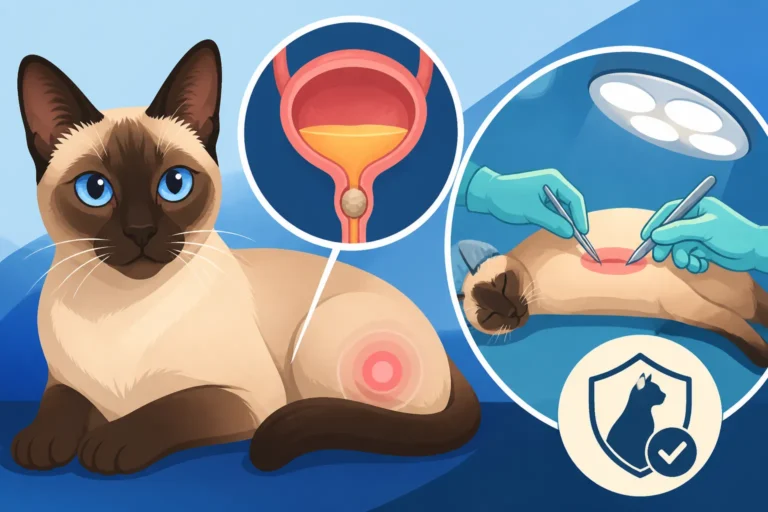
Investing in a comprehensive Siamese cat health panel is a significant step in proactive care, but the reality is that even with the best screening, unexpected health issues can arise. This is where pet health insurance can offer invaluable peace of mind. Brands like Healthy Paws offer coverage options that can help cushion the financial blow of diagnostics, treatments, and even emergency surgeries that might become necessary. For example, if a health panel flags a potential liver issue that later leads to a crisis, having a plan from Healthy Paws could significantly reduce the out-of-pocket costs associated with complex veterinary care. Knowing that you have support for major medical expenses allows you to focus on getting your beloved Siamese the best possible care without added financial stress. A good insurance plan from Healthy Paws can mean you never have to make a difficult decision based solely on cost when your cat's health is on the line.
Disclaimer
This article is for general informational purposes only and does not constitute professional advice. Laws, prices and regulations vary by location and change over time. Consult a qualified professional for guidance on your specific situation.