How Healthy the Siamese Cat Actually Is
Many prospective and current Siamese cat owners wrestle with a common question: "Is my Siamese cat truly healthy, or are they prone to a host of complex issues that could lead to heartbreak and hefty vet bills?" It's a valid concern, as these stunning, vocal felines are often associated with certain genetic conditions and a famously lean build that can sometimes look a little too delicate. This comprehensive guide aims to peel back the layers of myth and reality, offering an honest look at the overall health profile of the Siamese cat.
Understanding the Siamese Cat's General Robustness
The Siamese cat, with its striking blue eyes, sleek body, and talkative nature, has captivated hearts for centuries. Yet, their distinctive appearance sometimes leads to misconceptions about their health and hardiness. It's easy to look at their slender frame and assume fragility, but often, the reality is quite different.
The Stereotype of the Fragile Feline
When you first encounter a Siamese, especially the more modern, "wedge-head" type, their almost ethereal build can give the impression of delicacy. Their long, lithe bodies, finely boned legs, and large ears suggest a creature that might be easily broken. This visual, coupled with anecdotal stories or partial information about certain genetic conditions, can unfortunately foster a stereotype that the Siamese cat is inherently fragile or constantly battling health issues. Owners might worry that every sneeze or slight change in appetite is a sign of something dire. However, this perception doesn't tell the whole story. Many Siamese cats live incredibly active, robust lives, often outcompeting their less-athletic feline counterparts in terms of sheer energy and resilience. They are typically bundles of muscle, despite their slender appearance, and are known for their playful, acrobatic tendencies well into old age.
Lifespan Expectations and Quality of Life
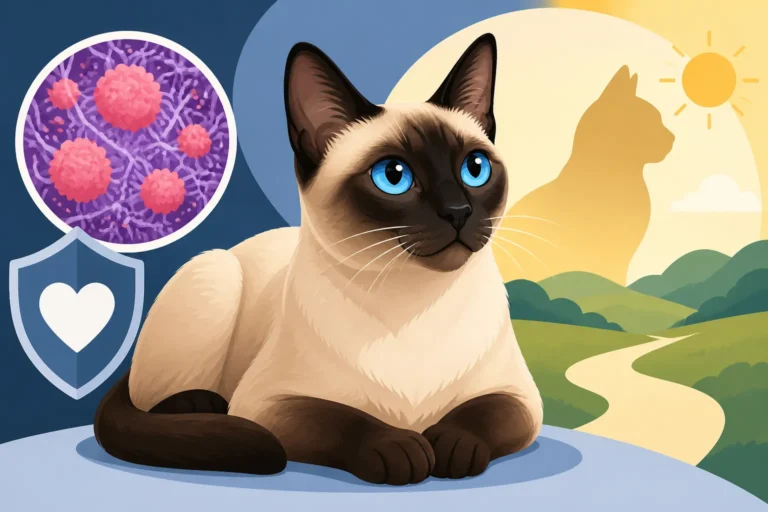
One of the most reassuring aspects of Siamese cat ownership is their impressive longevity. While no cat breed is immune to illness, Siamese cats are generally considered to be a long-lived breed. It's not uncommon for a well-cared-for Siamese to reach their mid-to-late teens, and many even celebrate their 20th birthday! This long lifespan is a testament to their inherent robustness, defying any notions of fragility. However, a long life isn't just about years; it's about the quality of those years. With proper care, a balanced diet, regular veterinary attention, and plenty of mental and physical enrichment, a Siamese cat can enjoy a high quality of life throughout its extended years. This often involves proactive management of age-related changes and being prepared for potential health challenges that might arise as they mature. Understanding The Fifteen to Twenty Years a Siamese Cat Gets can help new owners set realistic expectations and appreciate the long journey they can share with their feline companion.
Genetic Predispositions and Inherited Conditions
While generally robust, Siamese cats do carry a genetic blueprint that makes them predisposed to certain inherited conditions. It's not a universal guarantee that every Siamese will develop these issues, but awareness is key for early detection and proactive management.
Amyloidosis: A Significant Concern for the Breed
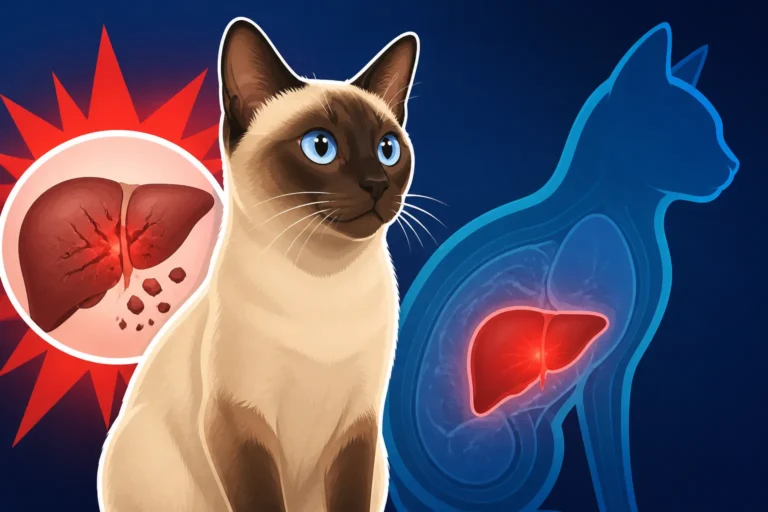
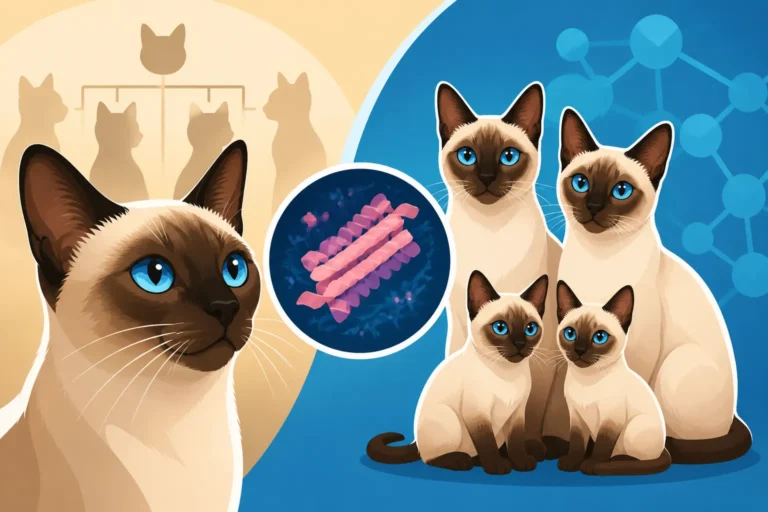
Perhaps one of the most talked-about genetic predispositions in the Siamese cat breed is amyloidosis. This is a serious condition where an abnormal protein, called amyloid, is deposited in various organs, most notably the liver and kidneys. For Siamese cats, it's often the liver that bears the brunt, leading to liver failure or, tragically, a spontaneous rupture of the liver, causing sudden internal bleeding. The thought of this happening to your beloved cat is terrifying, and it's a fear that many Siamese owners carry. It's a difficult condition because it's often silent until a critical point, and there isn't a simple DNA test readily available to screen for it in breeding animals, making it hard to eradicate from bloodlines. Understanding What Amyloidosis Does to a Siamese Cat can help you grasp the severity. Typically, The Age Amyloidosis Appears in a Siamese Cat is usually in young to middle-aged cats, often catching owners completely off guard.
When amyloid builds up in the liver, it essentially stiffens and weakens the organ's delicate tissues. Over time, this makes the liver extremely fragile and susceptible to damage. Even a minor bump or sudden movement can potentially cause a rupture, leading to catastrophic internal bleeding and often swift, fatal outcomes. This silent progression is why it's so heartbreaking for families; one day their cat is seemingly fine, and the next they are in a life-threatening emergency. Knowing the potential Signs a Siamese Cat Has Liver Amyloidosis – such as lethargy, loss of appetite, vomiting, or jaundice – is crucial, though these can often be subtle until the disease is advanced. Because Why Siamese Cat Amyloidosis Is Inherited is still being studied, selecting a responsible breeder who tracks their lines for this devastating disease becomes paramount.
Progressive Retinal Atrophy PRA: Eye Health
Another inherited condition that can affect Siamese cats is Progressive Retinal Atrophy (PRA). As the name suggests, this disease involves the gradual degeneration of the retina, the light-sensitive tissue at the back of the eye. While not painful, PRA ultimately leads to blindness. For a breed known for its stunning blue eyes, the idea of their sight fading can be particularly distressing. Fortunately, many cats adapt remarkably well to blindness, especially if the loss is gradual.
Early signs of PRA often include night blindness, where your cat might bump into furniture in dimly lit rooms or become hesitant to move around after dark. As the disease progresses, their daytime vision also deteriorates. It's a slow and steady decline, allowing the cat time to learn to navigate its environment using other senses, primarily hearing and smell. There are different forms of PRA, and some can have an earlier onset than others. Being aware of What PRA Does to a Siamese Cat's Sight is vital for any prospective owner. The typical Age a Siamese Cat With PRA Goes Blind can vary, but often starts in early adulthood. Genetic testing is available for some forms of PRA, which can help responsible breeders make informed decisions to reduce the incidence in their lines.
Other Inherited Health Quirks
Beyond amyloidosis and PRA, Siamese cats can also be predisposed to a few other inherited conditions, though these are often less common or less severe. For example, some lines may be prone to certain forms of heart disease, such as hypertrophic cardiomyopathy (HCM), which is thickening of the heart muscle. While HCM isn't exclusive to Siamese cats, and many breeds are affected, it's always good to be aware of the possibility.
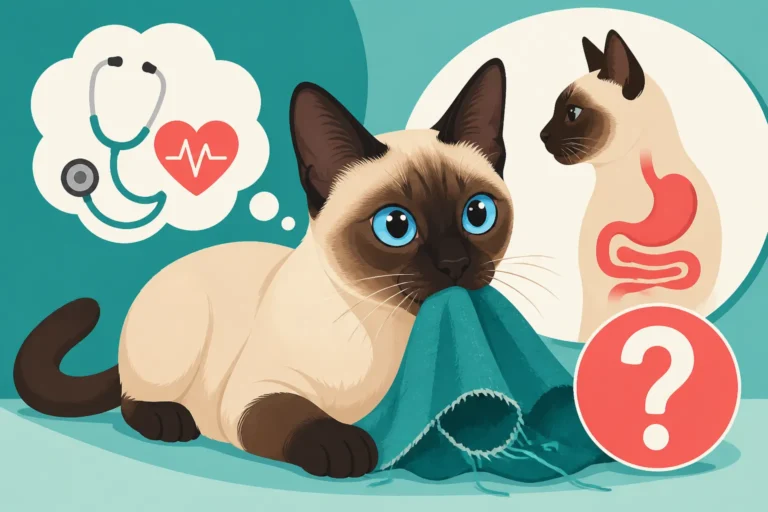
Another unique behavioral quirk, often considered a mild inherited condition, is wool sucking or pica. This is where a Siamese cat might compulsively suck on or chew non-food items like wool blankets, sweaters, or other fabrics. While not directly a health condition, if the cat ingests the fabric, it can lead to dangerous gastrointestinal blockages requiring emergency surgery. It's a manifestation of a deeply ingrained behavioral trait, and understanding Why a Siamese Cat Sucks Wool can help owners manage it effectively to prevent health complications. These tendencies highlight the importance of choosing a reputable breeder who prioritizes genetic health screening and transparency about their breeding lines, even for conditions that don't have direct DNA tests available.
Common Ailments Not Unique to Siamese Cats (but still important)
Even the healthiest Siamese cat isn't immune to the general health issues that can affect any feline. While these aren't breed-specific genetic predispositions, their unique physiology and lifestyle can sometimes make them more noticeable or require particular attention.
Dental Disease: A Silent Threat
One of the most pervasive health issues across all cat breeds, and certainly for the Siamese, is dental disease. It’s often called a "silent threat" because cats are masters at hiding pain, and by the time you notice symptoms, the problem can be quite advanced. Plaque and tartar build-up can lead to gingivitis (inflammation of the gums) and, if left unchecked, periodontal disease, which affects the structures supporting the teeth. This can cause pain, infection, and eventually, tooth loss.
Siamese cats, with their often slender facial structures, can sometimes be more prone to overcrowding of teeth, which can exacerbate plaque accumulation. Regular dental care, including brushing your cat's teeth, providing dental-specific treats or food, and routine veterinary dental cleanings, is paramount. Many owners are shocked to learn how frequently cats need professional dental care. Understanding the nuances of Dental Disease in a Siamese Cat is essential. Without proactive dental hygiene, your Siamese could experience significant discomfort and even develop systemic infections that affect their heart, kidneys, or liver. Pet insurance plans, such as those offered by Healthy Paws, often cover unexpected dental issues like extractions, which can be a huge relief given the potential costs.
Respiratory Issues: Asthma and Beyond
Siamese cats, along with some other Oriental breeds, seem to have a slightly higher incidence of asthma compared to the general cat population. Feline asthma is a chronic inflammatory condition of the airways, similar to human asthma, and it can range from mild to severe. It’s often triggered by allergens in the environment, such as dust, pollen, certain litter types, or even air fresheners.
An asthma attack can be quite frightening to witness, with your cat struggling to breathe, coughing, wheezing, and sometimes even adopting a hunched posture. It can easily be mistaken for a hairball, which is why proper veterinary diagnosis is critical. Knowing the specific Asthma Symptoms in a Siamese Cat can help you identify a problem early. While asthma can be managed with medication, such as corticosteroids and bronchodilators, often delivered via an inhaler and a feline-specific spacer, it requires ongoing vigilance from the owner. Beyond asthma, Siamese cats can also be susceptible to other respiratory infections, much like any cat, so keeping an eye on their breathing patterns and any signs of nasal discharge or coughing is always a good idea.
Gastrointestinal Sensitivities and Pica
Siamese cats often have rather sensitive digestive systems. While many cats can tolerate a variety of foods, some Siamese cats might be prone to upset stomachs, vomiting, or diarrhea if their diet is suddenly changed or if they consume something that doesn't agree with them. This isn't necessarily a severe medical condition, but it highlights the importance of finding a high-quality, consistent diet that works for your individual cat and making any dietary changes very gradually.
Related to their digestive health, and often stemming from behavioral factors as much as physical, is the aforementioned pica or wool sucking. While we touched on it as an inherited quirk, it has significant gastrointestinal implications. If your Siamese cat regularly ingests non-food items, it creates a serious risk of intestinal blockages, which are life-threatening emergencies requiring immediate veterinary intervention. Symptoms might include vomiting, lethargy, loss of appetite, and abdominal pain. Being vigilant about preventing access to tempting fabrics, offering alternative chew toys, and ensuring your cat receives ample mental and physical stimulation can help mitigate this risk. In some cases, veterinarians might even suggest dietary changes or anti-anxiety medications if the pica is severe and persistent.
Common Health Issue Typical Signs Prevention & Management …our cats are part of the family, and being able to find them when they roam too far is a relief. For those considering the adventures of leash training or an outdoor catio for their Siamese, remember that even with the most secure setup, accidents can happen. That's why having a robust pet insurance plan in place, like those offered by Healthy Paws, can provide such immense peace of mind. Knowing that you're covered for emergency vet visits, potential surgeries, or ongoing management of conditions, whether they're common to the breed or just random mishaps, means you can focus on your cat's health without the added stress of crushing financial burdens. It’s an investment in your cat's well-being and your own peace of mind, allowing you to enjoy the full, vibrant life you have with your Siamese.
The Impact of Breeding Practices on Health
The health trajectory of a Siamese cat is not solely a matter of chance or individual care; it's also profoundly influenced by breeding practices. The decisions made by breeders, often going back generations, play a critical role in minimizing or inadvertently perpetuating genetic health issues within the breed.
Traditional vs. Modern Siamese Health
There's often a discussion among enthusiasts about the health differences between the "traditional" (or "applehead") Siamese and the "modern" ("wedge-head") Siamese. The traditional Siamese typically has a more rounded head, a stockier body, and less extreme features, bearing a closer resemblance to the breed's ancestral appearance. The modern Siamese, on the other hand, is characterized by its elongated, wedge-shaped head, large flared ears, and very slender, elegant body. This aesthetic shift over the decades in show lines has led some to speculate about potential health compromises.
Some argue that the more extreme features of the modern Siamese, particularly the very fine bone structure and exaggerated head shape, might contribute to certain delicate conditions or exacerbate existing ones. For instance, the very narrow jaw structure in some modern lines could theoretically influence dental health, making overcrowding more likely. However, it's crucial to understand that health is not solely tied to head shape. Both traditional and modern types can be healthy or unhealthy depending on the specific breeding lines and the ethical practices of individual breeders. What truly matters is responsible breeding, regardless of the aesthetic style pursued. The assumption that one type is inherently healthier than the other is often an oversimplification, though certainly, the genetic diversity maintained in less intensely selected lines could offer some advantages.
The Role of Responsible Breeders
A truly responsible Siamese cat breeder is the first line of defense against many health issues. They don't just breed for looks; they breed for health, temperament, and adherence to the breed standard in a holistic sense. This involves a meticulous process of screening their breeding cats for known genetic conditions relevant to the Siamese breed. While There Is No DNA Test for Siamese Cat Amyloidosis, a good breeder will maintain detailed records of their cats' lineage and the health history of their ancestors. They will be transparent about any instances of amyloidosis in their lines, even if it's a few generations back, to help prospective owners understand the risks. They prioritize breeding cats that are robust and healthy, with strong immune systems and excellent temperaments.
Furthermore, responsible breeders will provide early veterinary care for their kittens, ensuring they are vaccinated, dewormed, and thoroughly checked by a veterinarian before going to their new homes. They will offer a health guarantee, outlining the steps they take to ensure the kitten's well-being and what recourse is available if genetic health issues arise within a certain timeframe. They are also a wealth of information, offering lifelong support and guidance to their kitten owners. When choosing a breeder, it's essential to ask thorough questions, not just about the kittens' parents but also about the health of past litters and extended family members. They should be able to tell you What a Siamese Cat Breeder Should Have Screened and demonstrate how they track genetic health.
Preventative Care and Early Detection
Proactive care is the cornerstone of keeping your Siamese cat healthy throughout its long life. It’s not about waiting for problems to emerge, but about taking steps to prevent them and being vigilant for the earliest signs of trouble.
Regular Veterinary Check-ups and Screenings
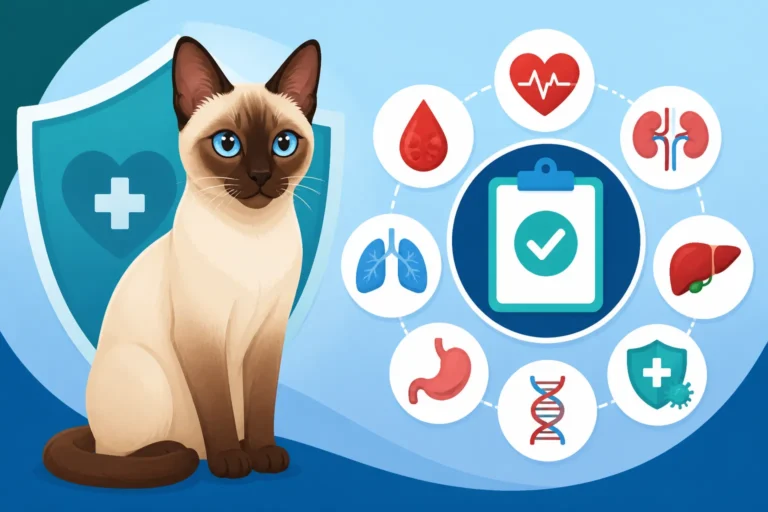
Regular veterinary check-ups are non-negotiable for a Siamese cat, just as they are for any beloved pet. These annual (or even semi-annual for seniors) visits allow your veterinarian to assess your cat's overall health, catch potential issues early, and provide appropriate preventative care. During a routine check-up, your vet will perform a thorough physical examination, checking everything from their teeth and gums to their heart, lungs, and abdomen. They’ll discuss diet, weight, behavior, and any concerns you might have.
For Siamese cats, specifically, your vet might recommend certain screenings based on their breed predispositions. While there's no direct test for amyloidosis, monitoring kidney values and liver enzymes through routine bloodwork can sometimes offer clues, though often too late for full prevention. Regular dental exams are critical, given the breed's potential for dental issues. If your Siamese is from a line with known PRA, or if you notice any changes in their vision, an ophthalmic exam might be recommended. Early detection of any condition, whether it's diabetes, kidney disease, or a developing dental problem, significantly improves the chances of successful treatment and better long-term outcomes. Many pet parents find the cost of these regular check-ups and any necessary follow-up diagnostics manageable, especially with a good pet insurance plan from providers like Healthy Paws.
Nutrition and Lifestyle for Optimal Health
A balanced, high-quality diet is fundamental to a Siamese cat's health. Given their lean, muscular build and often high metabolism, they generally require a diet rich in animal protein to maintain their ideal body condition. Avoid overfeeding, as obesity can lead to a host of other health problems, including diabetes and joint issues, even in typically slender breeds. Consult your vet to determine the best food type and portion sizes for your individual cat, considering their age, activity level, and any specific health needs. Wet food is often recommended for cats as it helps with hydration and can be beneficial for urinary tract health.
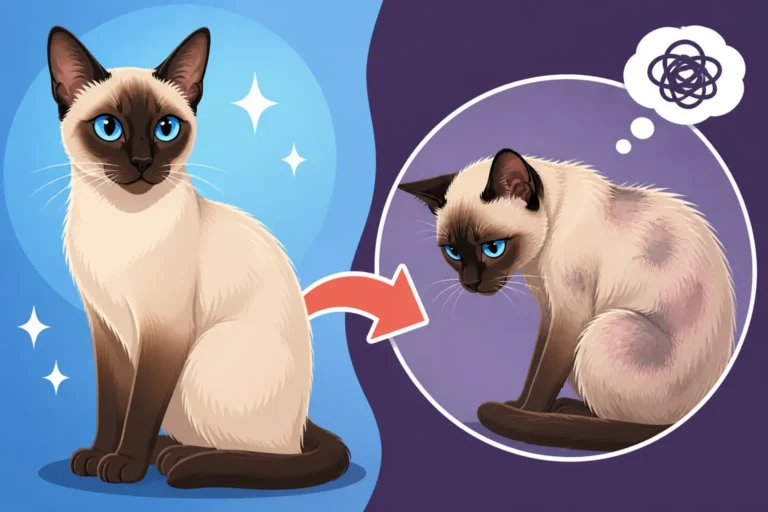
Beyond diet, an enriching lifestyle is crucial. Siamese cats are highly intelligent, active, and social creatures. They thrive on interaction, play, and mental stimulation. A bored Siamese is a stressed Siamese, which can manifest as behavioral problems like excessive vocalization or, worse, psychogenic alopecia (over-grooming to the point of hair loss) or increased wool sucking. Provide plenty of toys, puzzle feeders, scratching posts, and opportunities for interactive play. A cat tree allows them to climb and observe from a height, satisfying their natural instincts. Ensuring they have a warm, comfortable environment is also important, as their short coats make them more susceptible to feeling the cold.
Recognizing Subtle Signs of Illness
One of the greatest challenges of cat ownership is that felines are incredibly adept at hiding illness or pain. This evolutionary trait helped their wild ancestors avoid predators, but it means that by the time a domestic cat shows obvious symptoms, their condition can be quite advanced. Siamese cats are no exception, despite their vocal nature. A change in their usual "chatter" might be the first clue.
Owners must become keen observers of their cat's normal behavior, appetite, and habits. Any subtle shift can be a red flag. This includes changes in eating or drinking patterns (more or less than usual), changes in litter box habits (frequency, straining, inappropriate urination), lethargy, hiding more than usual, changes in grooming (too much or too little), weight loss or gain, or any unusual vocalizations. Even a slight decrease in enthusiasm for playtime or a subtle limp can indicate a problem. If you notice any persistent changes, no matter how minor they seem, it's always best to consult your veterinarian. Don't wait, hoping it will resolve itself, especially with a breed prone to silent diseases like amyloidosis. Your quick action could make all the difference.
Managing Chronic Conditions and Supporting an Aging Siamese
While the goal is always preventative care, sometimes chronic conditions do emerge, or the natural process of aging brings new challenges. For a Siamese cat, understanding how to manage these circumstances is key to maintaining their quality of life.
Living with Amyloidosis or PRA
If a Siamese cat is diagnosed with a condition like amyloidosis, even if caught early, management focuses on supportive care and attempting to slow the progression, though treatment options are limited. For liver amyloidosis, the focus would be on liver support, potentially anti-inflammatory medications, and a very careful diet. In the devastating event of a liver rupture, emergency veterinary care, including blood transfusions and sometimes surgery, may be attempted, but the prognosis is often grim. This is where the emotional and financial toll can be immense, and comprehensive pet insurance from a reliable provider like Healthy Paws can truly alleviate the burden, ensuring you can make decisions based on your cat's best interest, not your wallet.
For cats with Progressive Retinal Atrophy (PRA), there is no cure, but living with a blind cat can be incredibly rewarding. The key is to maintain a consistent environment, avoid moving furniture, and provide safe, familiar spaces. A blind Siamese cat relies heavily on their other senses and the familiarity of their surroundings. Owners can use scent markers, keep food and water bowls in consistent locations, and talk to their cat frequently to help them navigate. Providing a stimulating, safe indoor environment becomes even more crucial for a blind cat to prevent injury and maintain their mental well-being. Knowing How a Blind Siamese Cat Manages can help ease the fears of owners.
Caring for the Senior Siamese
As a Siamese cat enters its senior years (typically around 10-12 years of age), their needs will shift. Just like humans, aging cats can experience a range of age-related changes and conditions. Their metabolism might slow down, making weight management more challenging. Joint stiffness or arthritis can become an issue, affecting their mobility and ability to jump onto favorite spots. Dental disease can worsen, and they may be more prone to kidney disease, hyperthyroidism, or diabetes.
Regular veterinary check-ups become even more critical for senior Siamese cats, often recommended twice a year. This allows for earlier detection and management of age-related illnesses. Your vet might recommend routine blood tests and urinalysis to monitor organ function. Diet might need to be adjusted to a senior-specific formula that supports kidney health or joint function. Creating a comfortable environment that accommodates their changing physical abilities is also important, such as providing ramps to high places, softer bedding, and easily accessible litter boxes. Understanding Caring for a Siamese Cat Past Twelve means embracing these changes and providing extra comfort and love. While the vibrant energy of youth might mellow, the bond with a senior Siamese deepens, and their wisdom and affection are truly precious.
Dispelling Myths and Focusing on the Positive
It's easy to get caught up in the potential negatives when discussing breed-specific health issues. However, it's equally important to step back and appreciate the overall picture of Siamese cat health and to celebrate their many wonderful attributes.
The "Delicate" Perception vs. Reality
We've already touched on the misconception of the "fragile feline." The reality is that the vast majority of Siamese cats are far from delicate. They are often incredibly athletic, intelligent, and possess a robust constitution. Their slender appearance is part of their breed standard, reflecting a history of agility and elegance, not inherent weakness. A healthy Siamese cat is a powerhouse of energy, curiousity, and vocal expression. They love to play, explore, and demand attention, traits that belie any notion of fragility.
Many Siamese cats lead incredibly long, active lives with minimal health interventions beyond routine preventative care. While they do have predispositions, these are not universal sentences of illness. With responsible breeding, attentive care from their owners, and regular veterinary oversight, a Siamese cat can absolutely thrive. Owners often find themselves amazed by the resilience and determination of their Siamese companions, especially when faced with minor health setbacks or the natural decline of old age. This breed often faces challenges head-on, adapting with grace and retaining their vibrant personalities.
Celebrating the Siamese Cat's Resilience
Ultimately, the Siamese cat is a testament to feline resilience. Despite known breed-specific conditions, their general health profile is very positive, highlighted by their impressive average lifespan. They are a breed that truly becomes part of the family, sharing their lives with unwavering loyalty and endless entertainment. Their strong personalities, intelligence, and playful nature make them incredible companions, and the joy they bring far outweighs the concern over potential health issues, especially when those concerns are managed proactively.
Choosing a Siamese cat means committing to a long and loving relationship, one that is supported by good breeding practices, excellent nutrition, stimulating enrichment, and consistent veterinary care. Having a trusted veterinarian and a solid pet insurance plan, such as Healthy Paws, allows you to confidently navigate any health challenges that may arise, ensuring your focus remains on your cat's comfort and well-being. With this comprehensive approach, your Siamese cat can live a full, happy, and yes, very healthy life, enriching your home with their distinctive charm and boisterous spirit for many years to come.
Disclaimer
The information provided in this guide is for general informational purposes only and does not constitute professional veterinary advice. Always consult with a qualified veterinarian regarding any health concerns or before making any decisions about your pet's medical care.