Whether an Aging Siamese Cat Gets Stiff
It’s a heart-wrenching moment for any cat parent to notice their once spry and agile Siamese starting to slow down. That graceful leap onto the kitchen counter might become a hesitant climb, or their energetic dashes might be replaced by a more sedate stroll. This guide is here to walk you through what to expect as your beloved Siamese ages, specifically addressing the concern of stiffness, how to spot the subtle signs, and most importantly, how to keep your senior feline friend as comfortable and happy as possible.
The Inevitable March of Time: Natural Aging in Siamese Cats
Just like us, cats experience a natural decline in their physical capabilities as they get older. It’s not always a sign of a specific illness, but simply the wear and tear of a lifetime of jumping, playing, and exploring. Understanding this natural progression can help you differentiate between normal aging and something more concerning.
The Gentle Slowdown and Energy Shifts
One of the first things many Siamese cat owners notice is a general reduction in activity levels. That boundless energy they had as a kitten or young adult often mellows into a more relaxed demeanor. They might sleep more, play less intensely, and generally prefer a cozy nap spot over an acrobatic display. This isn't necessarily a sign of pain or stiffness, but rather a shift in their priorities and energy reserves. Their bodies simply aren't as efficient at regenerating energy as they once were.
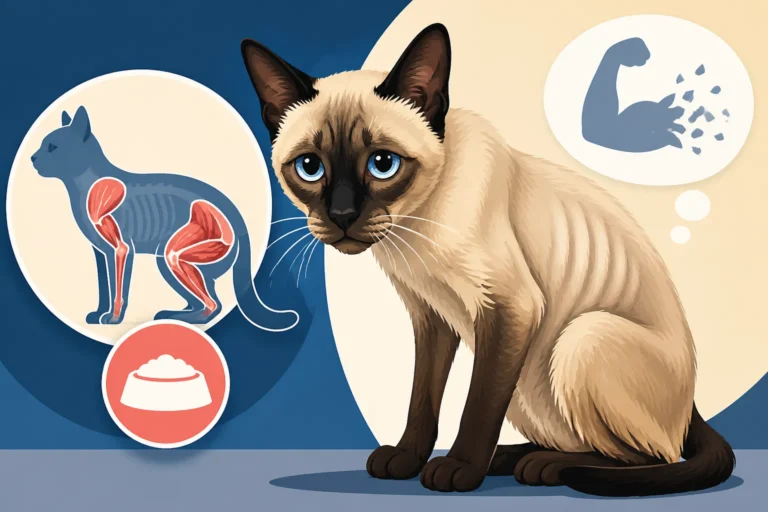
For many Siamese, their metabolism also slows down slightly, even though they can still be incredibly lean. While a younger Siamese might burn through calories with endless zoomies, an older one might need their food intake adjusted to maintain an ideal weight, as we often discuss in articles like Feeding a Lean Siamese Cat That Burns Everything. It's a natural part of their journey, and observing these changes is the first step in providing them with the right care. You might notice their muscle mass starts to diminish slightly, a phenomenon known as sarcopenia, which contributes to a feeling of overall weakness. This is a common part of why an old Siamese cat loses muscle, making certain movements feel more effortful.
The Art of Concealment: How Siamese Cats Hide Discomfort
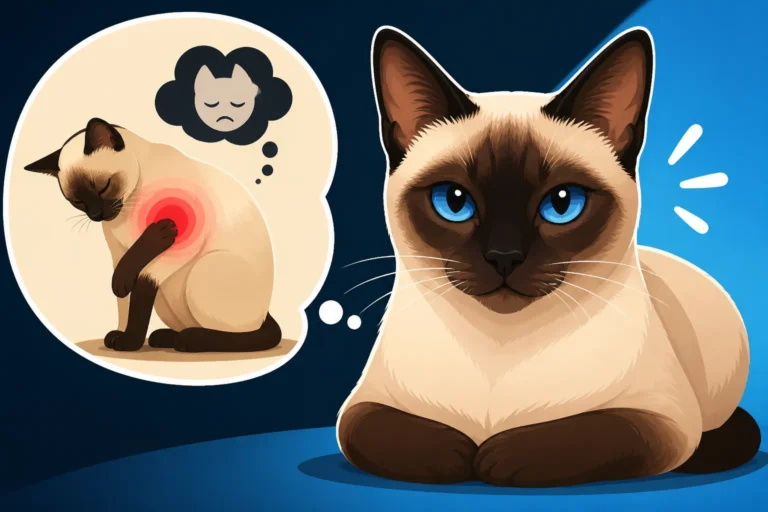
One of the biggest challenges with cats, especially intelligent and stoic breeds like the Siamese, is their incredible ability to hide pain or discomfort. It's an evolutionary trait that served their wild ancestors well, as showing weakness could make them vulnerable. This means that by the time you notice overt signs of stiffness or pain, your cat might have been coping with it for quite some time.
They might subtly adjust their movements, avoiding high jumps or simply finding an easier path. You might not see a limp, but perhaps they hesitate before stepping off the sofa. Their grooming habits might change – perhaps they can't twist to reach certain spots on their back, leading to a duller, less well-kept coat. Learning how a Siamese cat hides pain is crucial for early intervention. It requires observant owners who are attuned to the nuances of their cat's daily routines and behaviors.
Common Causes of Stiffness in Senior Siamese Cats
While a general slowdown is normal, genuine stiffness is usually indicative of an underlying issue, most commonly related to their joints. Recognizing these causes can help you understand what your vet is looking for and how treatments work.
Osteoarthritis and Degenerative Joint Disease
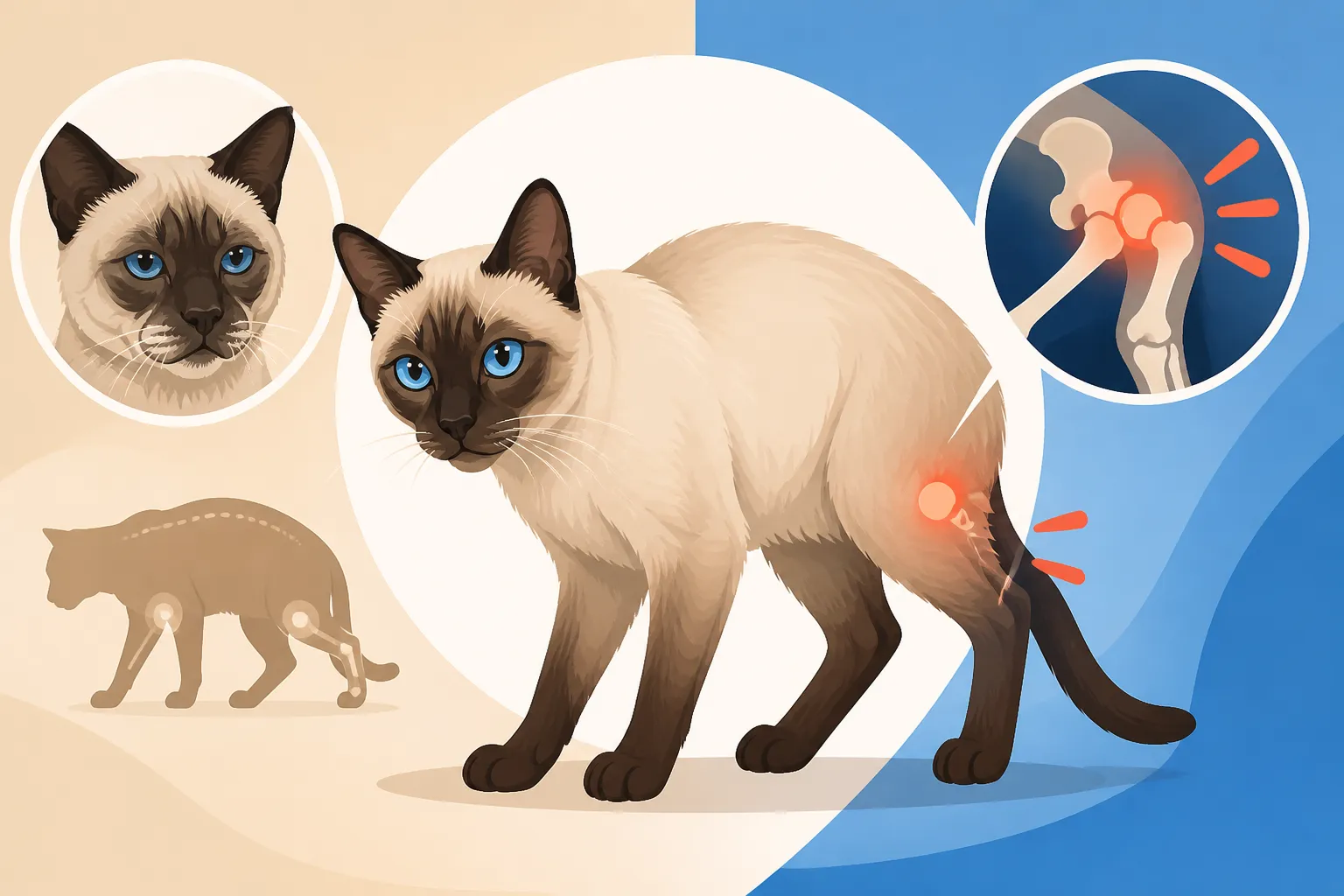
The most prevalent cause of stiffness in aging cats, including our elegant Siamese, is osteoarthritis, often referred to as degenerative joint disease. This condition involves the gradual breakdown of the cartilage that cushions the ends of bones within a joint. When this cartilage erodes, the bones can rub against each other, causing pain, inflammation, and reduced flexibility.
Commonly affected joints include the hips, knees (stifles), elbows, shoulders, and even the spine. Imagine the constant impact these joints absorb over fifteen years of a cat's life – it's a lot of wear and tear. This process leads to stiffness, especially after periods of rest, which you might notice when your cat first wakes up from a nap. They might be a bit "creaky" before they warm up. For some, the condition can be quite severe, limiting their ability to move freely and enjoy their usual activities. Early detection and management are key to maintaining their quality of life.
Muscle Loss and Weakness (Sarcopenia)
As cats age, they naturally lose muscle mass, a condition called sarcopenia. This isn't just about looking a little bonier; it directly impacts their strength, balance, and overall mobility. Muscles provide crucial support for joints, and when they weaken, the joints themselves can become less stable and more susceptible to strain. This contributes significantly to the feeling of stiffness.
Think about a human grandparent who might struggle to get up from a low chair – it's often a combination of stiff joints and weakened leg muscles. The same principle applies to our feline companions. When an old Siamese cat loses muscle, it becomes harder for them to perform everyday tasks like jumping, climbing, or even simply holding certain postures. This muscle weakness can exacerbate the symptoms of underlying joint disease, creating a vicious cycle of reduced activity and further muscle loss. Keeping their muscles as strong as possible through appropriate gentle exercise and good nutrition is vital.
Other Health Conditions Mimicking Stiffness
It's important to remember that not all "stiffness" is joint-related. Other health issues can present with similar symptoms, making a proper veterinary diagnosis essential. For instance, neurological conditions affecting the spinal cord or nerves can impair movement and lead to an awkward gait or apparent stiffness.
Sometimes, seemingly unrelated issues can indirectly cause reluctance to move. Severe Dental Disease in a Siamese Cat can cause pain when chewing, potentially leading them to be less active or avoid interactions that might involve head movements. Systemic illnesses, such as kidney disease, which is unfortunately common in older cats (like Kidney Disease in an Older Siamese Cat), can cause general malaise, weakness, and discomfort that owners might interpret as stiffness. Always consult your vet if you notice significant changes in your cat's mobility or behavior, as it could be a symptom of a larger health concern.
How to Spot the Signs of Stiffness in Your Siamese
Being a keen observer is your superpower when it comes to your Siamese cat. Because they are masters of disguise, you need to look for subtle shifts in their routine and behavior.
Changes in Movement and Activity
This is where most owners first notice something isn't quite right. Your Siamese might still be jumping, but perhaps not as high, or they take a moment to "psych themselves up" before making the leap.
Here are some specific things to watch for:
- Difficulty Jumping or Climbing: Do they struggle to get onto their favorite window perch or the bed? Do they use furniture as a "staircase" rather than jumping directly? This is a classic indicator.
- Hesitation Before Moving: You might see them pause, almost mentally preparing themselves, before getting up from a lying position or stepping down from a height.
- Slower, Stiffer Gait: Their walk might seem less fluid, more deliberate, or even slightly "stilted." Their tail might not swish with the same freedom as before.
- Stiffness After Rest: This is a hallmark of osteoarthritis. They might be visibly stiff when they first wake up but "loosen up" after moving around for a few minutes.
- Reluctance to Play: If your Siamese is normally playful but now shies away from chasing a wand toy or engages for shorter periods, it could be due to discomfort.
- Limping or Favoring a Limb: While not always present, a noticeable limp is a clear sign of pain and warrants immediate veterinary attention.
- Changes in Posture: They might sit or lie in unusual positions to relieve pressure on certain joints.
These signs, even if subtle, are your cat's way of telling you they aren't feeling 100%. Observing Signs a Siamese Cat Is Unwell early can lead to better outcomes.
Grooming and Litter Box Habits
Stiffness can significantly impact a cat's ability to perform routine daily tasks, and these changes are often very telling.
- Reduced Self-Grooming: A cat in pain might find it difficult or painful to twist and bend to groom themselves effectively. You might notice their coat looking unkempt, matted, or greasy, especially in hard-to-reach areas like their back, hips, or tail base. This is a common part of What Changes in an Aging Siamese Cat's Coat.
- Litter Box Issues: Getting into and out of a litter box with high sides can become a real challenge for a stiff cat. They might start to hesitate, perch awkwardly on the edge, or even avoid the box entirely, leading to inappropriate urination or defecation outside the box. This isn't usually a behavioral problem but a physical one – it hurts to use the box. Consider providing a litter box with lower sides or a ramp to make access easier.
Personality and Interaction Shifts
Pain and discomfort don't just affect physical movement; they can also alter a cat's personality and how they interact with their environment and family.
- Increased Irritability or Less Tolerance for Handling: A cat that usually loves being petted might suddenly snap or hiss if touched in a sensitive area. They might become less tolerant of children or other pets. This is a clear sign they're hurting and trying to protect themselves.
- Withdrawal or Seeking Isolation: Some cats may become more reclusive, spending more time hiding or in quiet corners away from the household activity. They might seek out warmth, perhaps sleeping under blankets or near a radiator, trying to soothe aching joints.
- Changes in Vocalization: While Siamese cats are renowned for their chattiness, you might notice changes. They could become more vocal when attempting to move, letting out small cries or groans. Alternatively, a usually chatty cat might become quieter overall, as vocalizing can take energy or feel like too much effort when in pain.
Managing Stiffness and Supporting Your Senior Siamese
The good news is that there’s a lot we can do to help our aging Siamese cats manage stiffness and lead comfortable, fulfilling lives. It starts with professional veterinary care and extends to thoughtful adjustments at home.
Veterinary Diagnosis and Treatment Options
If you suspect your Siamese is stiff or in pain, the absolute first step is a visit to your veterinarian. They can accurately diagnose the cause and create a tailored treatment plan.
- Physical Examination: Your vet will conduct a thorough physical exam, palpating joints, checking range of motion, and observing your cat's gait. They'll look for signs of tenderness, swelling, or crepitus (a crackling sound in the joint).
- Diagnostic Imaging: X-rays are often used to visualize the bones and joints, revealing changes consistent with osteoarthritis, such as joint space narrowing, bone spurs (osteophytes), and other degenerative changes. In some cases, more advanced imaging like MRI might be recommended.
- Pain Management: This is often a cornerstone of treatment. Non-steroidal anti-inflammatory drugs (NSAIDs) are commonly prescribed to reduce pain and inflammation. Other medications like gabapentin can help manage neuropathic pain. Your vet will carefully monitor your cat to ensure safety and efficacy.
- Joint Supplements: Supplements containing glucosamine, chondroitin, and omega-3 fatty acids can help support joint health, reduce inflammation, and may slow the progression of cartilage degeneration. These are often used in conjunction with pain medication.
- Weight Management: If your Siamese is overweight, even by a small amount, it puts extra strain on their joints. Your vet can help you devise a plan to safely reduce their weight, which can significantly alleviate joint pain.
- Physical Therapy: In some cases, specific exercises, massage, or even laser therapy might be recommended by your vet or a veterinary rehabilitation specialist to improve mobility and strengthen supporting muscles.
Environmental Modifications at Home
Making small changes around your home can make a huge difference in your stiff Siamese's comfort and accessibility.
- Ramps or Steps: Provide carpeted ramps or pet steps to allow easy access to their favorite elevated spots like beds, sofas, or window sills. This reduces the need for painful jumping.
- Easier Access Litter Boxes: Switch to litter boxes with very low sides, or cut an entry point in a plastic tub to create a comfortable walk-in option. This prevents them from having to step high over edges.
- Non-Slip Mats: Place non-slip rugs or mats on slippery surfaces like tile or hardwood floors, especially in areas where your cat walks or jumps down. This provides better traction and reduces the risk of slips and falls, which can be very painful for stiff joints.
- Heated Beds or Warm Resting Spots: Many cats with arthritis find warmth soothing. A heated pet bed or simply extra soft blankets in a sunny, draft-free spot can be incredibly comforting. This relates directly to Keeping a Siamese Cat Warm, which is important for their overall well-being, especially as they age and their thermoregulation may not be as efficient.
- Food and Water Bowls: Elevate their food and water bowls to a comfortable height so they don't have to bend their neck or stoop down uncomfortably.
Nutrition and Supplementation
Diet plays a crucial role in managing stiffness and overall health in aging Siamese cats.
- Prescription Joint Diets: Many veterinary brands offer prescription diets specifically formulated for joint health. These diets often contain higher levels of omega-3 fatty acids, glucosamine, and chondroitin.
- High-Quality Protein: Ensure your senior Siamese is getting enough high-quality protein to support muscle maintenance, especially given the natural tendency for Why an Old Siamese Cat Loses Muscle.
- Omega-3 Fatty Acids: These are potent anti-inflammatories. You can find them in fish oil supplements or diets enriched with these healthy fats. Always discuss supplementation with your vet.
- Antioxidants: Diets rich in antioxidants can help combat oxidative stress in the body, which contributes to aging and inflammation.
- Hydration: Ensuring adequate water intake is always important. Consider a water fountain to encourage drinking, as proper hydration supports overall bodily functions.
- While the specific nuances of Whether Diet Helps a Siamese Cat With Amyloidosis are different, the general principle of diet as a supportive therapy for chronic conditions holds true for joint health as well.
The Role of Pet Insurance
Dealing with a senior cat with chronic stiffness can lead to ongoing veterinary expenses, from regular check-ups and medications to potential physical therapy or specialized diets. This is where pet insurance can be a real lifesaver. Companies like Healthy Paws offer coverage options that can help mitigate these costs.
If you enroll your Siamese when they are younger and healthier, before any signs of stiffness or arthritis appear, your policy is more likely to cover future treatments for these conditions. It's important to understand the specifics of different plans, as most pet insurance policies have waiting periods and typically do not cover pre-existing conditions. However, for conditions that develop after enrollment, having a policy from providers such as Healthy Paws can provide peace of mind and ensure you can afford the best possible care for your aging companion without financial strain. It allows you to focus on your cat's comfort and well-being, rather than worrying about the accumulating bills for things like prescription medications or diagnostic tests.
Preventing or Delaying Stiffness in Siamese Cats
While aging is inevitable, there are proactive steps you can take throughout your Siamese cat's life to promote joint health and potentially delay the onset or severity of stiffness.
Proactive Care from a Young Age
Prevention truly starts early. A healthy lifestyle from kittenhood can lay a strong foundation for a comfortable senior life.
- Maintain a Healthy Weight: This is perhaps the most critical factor. Every extra pound puts additional stress on your cat's joints. Work with your vet to ensure your Siamese maintains an ideal body condition throughout their life. This means careful portion control and avoiding overfeeding.
- Regular, Appropriate Exercise: Keep your Siamese active! Daily play sessions with wand toys, laser pointers (used carefully to avoid frustration), or puzzle feeders encourage movement and help maintain muscle strength and joint flexibility. A fit cat is less likely to suffer severe stiffness later in life. Interactive play is especially vital for stimulating their intelligent minds as well.
- High-Quality Diet: Feed a balanced, high-quality diet appropriate for their life stage. Good nutrition supports overall health, including strong bones and healthy cartilage. Discuss options for joint-supportive foods with your vet, even for younger cats if there's a family history of joint issues.
Regular Veterinary Check-ups
Routine veterinary care is indispensable for monitoring your Siamese cat's health at every stage of their life. For senior cats, these check-ups become even more crucial.
- Early Detection: Regular wellness exams allow your vet to spot subtle changes that might indicate early signs of stiffness or other health issues. They can catch problems before they become severe and more difficult to manage. For instance, your vet might recommend blood work as part of What a Siamese Cat's Yearly Bloodwork Should Cover to check for underlying conditions that could impact joint health.
- Proactive Management: If early signs of joint degeneration are detected, your vet can recommend proactive measures, such as starting joint supplements, adjusting diet, or introducing gentle exercise routines, before significant pain develops. The importance of How Often a Siamese Cat Needs a Wellness Exam cannot be overstated, especially as they enter their golden years. These visits are vital for cats Caring for a Siamese Cat Past Twelve and beyond.
- Monitoring Existing Conditions: For cats already diagnosed with arthritis, regular check-ups ensure that pain management strategies are effective and adjusted as needed, keeping them as comfortable as possible.
Table: Signs of Normal Aging vs. Potential Stiffness in Siamese Cats
| Observation Area | Normal Aging (Typical for Senior Siamese) | Potential Stiffness/Pain (Requires Vet Check) |
|---|---|---|
| Activity Level | Increased sleeping, less intense play, generally calmer. | Hesitation before moving, avoiding jumps, reduced interest in favorite games. |
| Movement | Slightly slower gait, deliberate movements. | Stiff, awkward gait, limping, visible discomfort after rest. |
| Jumping/Climbing | May prefer lower surfaces, occasionally uses furniture as steps. | Struggles to jump, avoids high places, crying out during jumps. |
| Grooming | Might miss a spot occasionally due to flexibility, slightly less fastidious. | Matted or greasy fur, especially on back/hips, inability to reach certain areas. |
| Litter Box Habits | No change, still uses box comfortably. | Difficulty getting in/out, squatting awkwardly, accidents outside the box. |
| Interaction | Content, enjoys cuddles, seeks attention. | Irritable when touched, snapping, hiding, avoiding interaction. |
| Vocalization | May become more chatty or quieter overall. | Crying or growling when moving, excessive licking of certain areas. |
| Weight | Healthy, lean body condition. | Unexpected weight gain (less activity) or loss (pain impacting appetite). |
Watching your beloved Siamese cat age can be bittersweet. While the youthful leaps and boundless energy may give way to a gentler pace, their capacity for love and companionship only deepens. By understanding the signs of stiffness, providing thoughtful care, and maintaining open communication with your veterinarian, you can ensure your senior Siamese enjoys their golden years with comfort, dignity, and all the affection they deserve.
Disclaimer
This article is for general informational purposes only and does not constitute professional advice. Laws, prices and regulations vary by location and change over time. Consult a qualified professional for guidance on your specific situation.