What a Second Cat Costs a Siamese Cat Owner
Bringing another feline friend into your home is often a decision born of love, a desire to provide companionship for your existing Siamese, or simply because you fell in love with another charming meezer. But let's be realistic: while your heart might be ready for double the purrs, your wallet might need a bit of a heads-up. This comprehensive guide is here to walk you through all the financial realities of adding a second Siamese cat to your family, from initial adoption fees to unexpected long-term costs.
The Upfront Costs of Bringing Home Another Feline Friend
When you decide to welcome a second Siamese into your life, the very first thing you'll encounter are the initial costs. These aren't just one-time fees; they encompass everything needed to ensure your new companion starts their life with you on the right paw. It's more than just the purchase price; it’s about responsible pet ownership from day one.
Adoption or Purchase Fees
The cost of acquiring your second Siamese can vary dramatically depending on where you find them. If you're looking for a specific pedigree, perhaps a particular point color or a show-quality kitten, you'll likely be working with a reputable breeder. Breeder fees for a purebred Siamese, especially from lines that show extensively or have strong health guarantees, can be substantial. These prices often reflect the breeder's investment in health screenings for the parent cats, quality nutrition, early socialization, and often include initial vaccinations and spay/neuter. For a deeper dive into what influences these prices, you might want to read What a Siamese Cat Kitten Costs From a Breeder.
On the other hand, if your heart leads you to a rescue organization or a local shelter, the adoption fees are generally much lower. These fees are designed to cover a portion of the costs the rescue incurs for vetting, feeding, and caring for the animal. Many rescue Siamese cats, particularly adults, come already spayed or neutered, microchipped, and up-to-date on vaccinations, which saves you a significant amount in initial veterinary expenses. If you're considering this route, exploring What Adopting an Adult Siamese Cat Costs can give you a clearer picture. The age, health status, and even the "desirability" of certain physical traits (like a specific point color or head type) can sometimes influence even rescue fees, though usually to a lesser extent than with a breeder.
Initial Veterinary Care and Health Screenings
Once you bring your new Siamese home, whether from a breeder or a rescue, a crucial next step is an immediate vet check-up. This isn't just a formality; it's essential for establishing a baseline for their health and for ensuring they don't bring any unwanted illnesses or parasites into your existing cat's environment. This initial visit will typically include a thorough physical examination, fecal tests for internal parasites, and often a deworming treatment. If your new cat isn't already vaccinated, they'll need their core vaccines (like rabies and feline distemper) and possibly FeLV (Feline Leukemia Virus) if they'll be an indoor/outdoor cat or if your existing cat is positive.
Beyond the basics, if your new Siamese isn't already spayed or neutered, this will be one of the largest upfront veterinary costs. Reputable breeders often sell kittens with a spay/neuter contract or perform the procedure before the kitten goes home, which is factored into the purchase price. Rescue organizations almost always perform spay/neuter before adoption. You'll also need to consider microchipping, if not already done, for permanent identification. It’s also wise to discuss any specific breed-related health concerns with your vet, even if the breeder provided health clearances. For instance, while there is no DNA test for amyloidosis, a vet can offer advice on preventative care. What a Siamese Cat Breeder Should Have Screened can provide more context on what to expect. Ensuring your new cat is thoroughly checked out helps protect your resident Siamese from potential contagion and gives you peace of mind. For a comprehensive overview of what to look for, check out Which Health Tests a Siamese Cat Breeder Runs.
Setting Up a Second Sanctuary
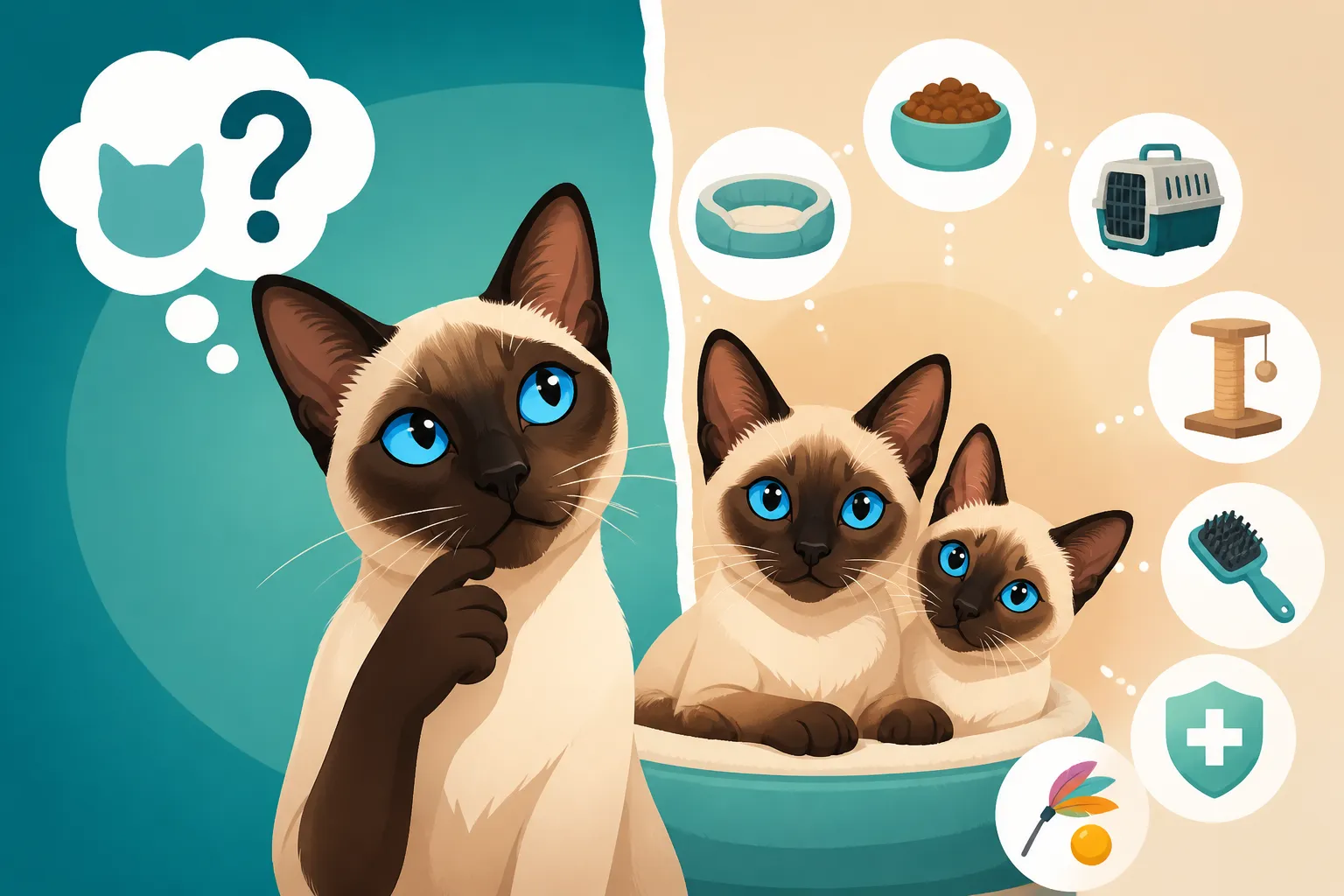
Bringing a second cat into the home isn't just about sharing what you already have; it's about providing separate resources to minimize stress and prevent territorial disputes. The general rule of thumb is to have "N+1" litter boxes, where N is the number of cats. So, for two cats, you'll ideally need three litter boxes. This means an investment in additional boxes, scoops, and initial bags of litter. You'll also need a second set of food and water bowls, placed in a different area from your original cat's dishes to allow for individual, stress-free mealtimes.
Beyond the basics, think about comfort and enrichment. A new bed or a cozy hideaway space specifically for the new arrival can help them feel secure and establish their own territory. Even if your existing cat loves their tall cat tree, a second cat might appreciate their own, or at least dedicated perches. Scratching posts are another item where duplication is highly recommended to prevent destructive scratching on furniture. While it might seem like a lot to buy new items, creating distinct "sanctuaries" for each cat can make the introduction process much smoother and foster a more harmonious multi-cat household in the long run.
Doubling Down on Ongoing Daily Expenses
Once the initial flurry of getting your new Siamese settled has passed, you'll quickly realize that the day-to-day costs for two cats are not just double the cost of one; sometimes, they're more. Managing a multi-cat household requires careful budgeting for consumables, enrichment, and simply keeping everyone fed and happy.
Food, Glorious Food (for Two!)
This is perhaps the most obvious increase in your budget: feeding two mouths instead of one. Your food bill will essentially double, or even more, depending on the type of food you choose and the specific needs of each cat. If you're used to a premium wet food diet for your first Siamese, replicating that for a second cat can add up quickly. Consider the age and activity level of your new cat; a growing kitten, for instance, will have different caloric and nutritional requirements than a senior Siamese. You might find yourself needing two different types of food, which complicates purchasing and feeding times slightly.
Many owners opt to buy larger bags or cases of food to take advantage of bulk discounts. Websites like Chewy often offer subscription services that can provide a steady supply of food at a reduced rate, which can be a real lifesaver for managing your budget. However, be mindful of expiration dates and storage, especially for larger quantities of wet or raw food. It’s also crucial to monitor each cat's intake to ensure neither is overeating or being deprived, particularly if one cat is more dominant at meal times. For more insights on feeding habits, take a look at How Much an Adult Siamese Cat Eats and Whether a Siamese Cat Needs Wet Food.
Litter Box Logistics and Supplies
As mentioned, the "N+1" rule for litter boxes means more litter. This isn't just a matter of buying larger containers of litter; it means more frequent scooping and more frequent full litter changes, all of which consume more product. The type of litter you use also plays a huge role in ongoing costs. Premium clumping litters, while excellent for odor control and ease of cleaning, tend to be pricier than traditional clay litters. However, the investment in a good quality, low-dust litter can be worth it, especially for cats with respiratory sensitivities like asthma, which some Siamese cats are prone to.
Choosing a litter that both cats tolerate and prefer is also important to prevent inappropriate urination outside the box. Some cats are picky about texture or scent, and introducing a second cat might necessitate experimenting with different brands until you find a universally accepted option. This trial-and-error period can add to your initial litter expenses. Beyond the litter itself, you'll be going through more litter box liners, deodorizers, and potentially replacing scoops more often. Understanding Which Litter Box Suits a Siamese Cat and How Much Litter a Siamese Cat Gets Through can help you plan.
Enrichment, Toys, and Entertainment
Siamese cats are known for their intelligence and high energy, meaning they require a lot of mental and physical stimulation to prevent boredom and destructive behaviors. With two Siamese cats, you're looking at needing to provide enrichment for both, which often means doubling your budget for toys. While some toys can be shared, having a variety of individual toys can prevent squabbles and ensure both cats get adequate play. Think about rotating toys to keep things fresh and interesting. Wand toys, laser pointers (used responsibly), and interactive puzzle feeders are often big hits with Siamese cats.
Puzzle feeders are particularly great as they provide both mental stimulation and slow down eating, which can be beneficial. Consider investing in a few different types for each cat. This way, they can engage in solitary play even when you're not actively interacting with them. While the initial outlay for a new set of toys and enrichment items might seem minor compared to food or vet bills, these costs are ongoing as toys get lost, broken, or simply lose their appeal. A bored Siamese can quickly become a destructive one, so this is an area where skimping can lead to higher costs down the road in damaged property. If you're curious about what your Siamese might enjoy, check out What Toys a Siamese Cat Actually Uses and Whether a Puzzle Feeder Occupies a Siamese Cat.
Healthcare Considerations: Twice the Potential for Vet Bills
One of the most significant long-term financial impacts of a second cat, especially a second Siamese, is the doubling of potential healthcare costs. While you hope both cats remain perfectly healthy, the reality is that regular check-ups, preventative care, and the possibility of illness or injury are part of cat ownership.
Routine Check-ups and Preventative Care
Just like humans need annual physicals, both of your Siamese cats will need regular veterinary check-ups. These annual visits are crucial for preventative care, catching potential health issues early, and keeping vaccinations up to date. You'll now be booking two appointments (or one longer, double appointment), paying for two sets of examinations, and two sets of core vaccinations. Additionally, year-round parasite prevention, including flea, tick, and heartworm medication, will be required for both animals.
Many vets also recommend routine bloodwork for adult cats, especially as they age, to screen for common issues like kidney disease or thyroid problems. This means double the lab fees. While these preventative measures might seem like an added expense, they are truly an investment. Identifying health concerns in their early stages can often lead to less invasive and less costly treatments down the line, potentially saving you from much larger bills when a condition becomes advanced. For a detailed look at typical preventative care, explore How Often a Siamese Cat Needs a Wellness Exam and What a Siamese Cat's Yearly Bloodwork Should Cover.
Pet Insurance: A Safety Net for Two
Pet insurance can be a game-changer for managing unexpected veterinary costs, but it’s important to remember that policies are per animal. If you had insurance for your first Siamese, you'll now need a separate policy for your second, effectively doubling your monthly or annual premiums. Different providers, like Healthy Paws, offer various plans and coverage levels, so it's worth researching to find one that fits your budget and provides comprehensive coverage for both cats.
While the added premium might feel like a pinch, consider it a crucial safety net. Siamese cats, like all purebreds, can be predisposed to certain genetic conditions. If one of your cats suddenly develops a serious illness or has an accident, having insurance for both can prevent you from facing an overwhelming financial burden. It allows you to make medical decisions based on what's best for your cat, rather than solely on what you can afford out of pocket. Many policies cover accidents, illnesses, surgeries, and even some emergency care. It’s also important to understand if pre-existing conditions are excluded and what the waiting periods are. What Insuring a Siamese Cat Costs a Month delves into this topic further, as does Whether Insurance Covers a Siamese Cat's Asthma.
Managing Inherited Conditions and Age-Related Ailments
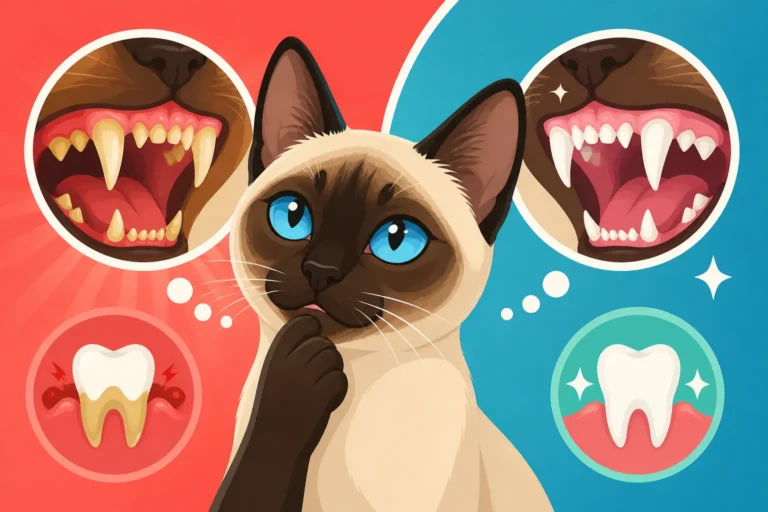
Siamese cats, as a breed, are unfortunately prone to certain inherited health conditions. The most infamous is amyloidosis, a cruel disease that can lead to liver rupture. Having two Siamese cats means you have twice the chance of one of them developing such a condition. Other conditions like asthma, certain dental diseases, and even some heart conditions can be more common in the breed. If one of your cats develops a chronic condition, the long-term management can be incredibly costly, involving specialized medications, frequent vet visits, diagnostic tests, and sometimes prescription diets.
For instance, managing a Siamese with asthma can involve daily inhalers, emergency vet visits, and regular check-ups, all of which quickly accumulate. If you need specialized food for a health condition, fresh, human-grade options might be available, but this often comes at a premium price. The emotional toll of caring for a sick cat is immense, and the financial burden only adds to it. It's crucial to be aware of these risks and factor potential long-term care costs into your budget. Resources like Amyloidosis Is the Disease That Kills Young Siamese Cats, Asthma in a Siamese Cat, and Dental Disease in a Siamese Cat offer critical information about these breed-specific health challenges.
Hidden and Unexpected Costs of Multi-Cat Households
Beyond the predictable costs of food and routine vet care, there are often hidden or unexpected expenses that can arise when you have two cats. These can range from behavioral issues that impact your home to the costs of travel or emergencies, all of which can significantly inflate your overall budget.
Property Damage and Behavioral Issues
Adding a second cat, even if they get along beautifully most of the time, can sometimes introduce new behavioral challenges or exacerbate existing ones. Resource guarding can lead to issues like inappropriate urination if one cat feels they don't have adequate access to a litter box or scratching post. Stress or territorial disputes can manifest as spraying, destructive scratching on furniture, or even aggressive behaviors that might require intervention from a veterinary behaviorist. The costs associated with these issues can be surprisingly high.
Imagine needing to replace a urine-stained rug, professional carpet cleaning, or even reupholstering furniture damaged by stress-related scratching. If behavioral medication or specialized training is required, those fees can add up quickly. Prevention is always better than cure, which means ensuring ample resources (food, water, litter boxes, vertical space) and a slow, positive introduction between the cats. However, even with the best intentions, unforeseen issues can arise. You might find our article What a Bored Siamese Cat Destroys or Whether a Siamese Cat Wrecks Furniture insightful in understanding potential damage.
Pet Sitting, Boarding, and Travel Expenses
If you enjoy traveling, or even just need to be away for a weekend, the cost of pet care for two cats will be significantly higher than for one. Finding a reliable pet sitter who is comfortable with a multi-cat household and understands the unique needs of Siamese cats (especially their vocal nature and demand for attention) can be challenging and expensive. Many sitters charge per animal, or a higher rate for more animals, to account for the increased time and effort involved.
Boarding facilities, while an option, can be stressful for some cats, especially Siamese cats who are deeply bonded to their homes and humans. The cost for boarding two cats can easily double compared to one, and you might want to consider larger, more luxurious "cat condos" for their comfort, further increasing the price. If you choose to travel with your cats, you'll need two carriers, and airline fees (if applicable) will also be charged per pet. Preparing for these eventualities is a critical part of owning a multi-cat household. Explore What a Siamese Cat Sitter Costs for more information on temporary care. If you're considering boarding, Why a Siamese Cat Cannot Be Boarded Cheaply might offer some useful context.
Emergency Situations and End-of-Life Care
No one likes to think about emergencies, but they are a very real possibility in the life of any pet owner. With two cats, the chances of an emergency happening at some point are statistically higher. This could be anything from an accidental injury to a sudden, severe illness. Emergency vet visits, diagnostic tests, and potential surgeries can easily run into thousands. Having two cats means twice the chance of needing such urgent, costly care.
Beyond acute emergencies, consider the long-term journey. As your Siamese cats age, they may develop age-related conditions like kidney disease, hyperthyroidism, or arthritis. Managing these conditions often involves ongoing medication, specialized diets, and more frequent vet visits. The thought of facing end-of-life care for one beloved companion is heartbreaking enough; contemplating it for two, potentially around the same time if they are similar in age, is a profound emotional and financial challenge. It's important to acknowledge these possibilities and ideally have an emergency fund or robust pet insurance to help mitigate the financial stress during these difficult times. For insights into the later stages of a cat's life, What a Siamese Cat's Last Year Costs and What Most Siamese Cats Die Of are important reads.
Financial Breakdown: Second Cat Costs
To give you a clearer picture, here's a general overview of the cost shapes you can expect when adding a second Siamese cat to your home. Remember, these are broad estimates, and actual costs will vary widely based on your location, chosen products, and the individual needs of your cats.
| Category | Initial Cost (per second cat) | Ongoing Monthly Cost (per second cat) | Notes |
|---|---|---|---|
| Acquisition | Moderate to High | N/A | Breeder fees are higher; rescue fees are lower but still cover vetting. |
| Vet & Health (Initial) | Moderate to High | N/A | Includes exam, vaccines, deworming, microchip, spay/neuter if needed. |
| Setup (Litter, Bowls, Bed) | Low to Moderate | N/A | New litter boxes, food/water bowls, separate bed/hideaway, initial toys. |
| Food | N/A | Moderate to High | Depends on food quality, type (wet, dry, raw), and cat's dietary needs. Bulk buying helps. |
| Litter | N/A | Low to Moderate | More boxes mean more litter. Quality litter for odor control costs more. |
| Toys & Enrichment | N/A | Low | Essential for mental stimulation, prevents boredom-related destruction. |
| Routine Vet Care | N/A | Low (Annualized) | Annual exams, booster vaccines, parasite prevention. |
| Pet Insurance | N/A | Moderate | Separate policy for each cat, premiums vary by coverage, age, breed. Crucial for emergencies. |
| Unexpected Vet Bills | N/A | Potentially Very High (Unpredictable) | Accidents, sudden illnesses, chronic disease management. This is where insurance pays off. |
| Behavioral Support/Damage | N/A | Potentially Moderate to High (If issues arise) | Costs for cleaning, repairs, or professional behaviorist if territorial or stress-related problems occur. |
| Pet Sitting/Boarding | N/A | Potentially Moderate to High (As needed) | Double the rates for sitters or boarding. Higher costs for specialized care or longer trips. |
Bringing a second Siamese cat into your life is a joyful experience that enriches your home with more purrs, more playful antics, and double the companionship. The bond between two cats, especially two active and intelligent Siamese, can be incredibly rewarding to witness. However, it's undeniably a significant financial commitment. By thoroughly understanding and planning for these doubled and sometimes hidden costs, you can ensure that you're providing a loving, healthy, and stable environment for both of your feline family members without being blindsided by unexpected expenses. Thoughtful preparation will pave the way for many happy years with your delightful duo.
Disclaimer
This article is for general informational purposes only and does not constitute professional advice. Laws, prices and regulations vary by location and change over time. Consult a qualified professional for guidance on your specific situation.