How Loud a Siamese Cat Is
If you've ever shared your home with a Siamese cat, you know that quiet is rarely an option. Their legendary vocalizations are a hallmark of the breed, a constant presence that can be both endearing and, let's be honest, sometimes a little overwhelming. This guide is here to unravel the mystery of the Siamese cat's famous voice, exploring why they're so loud, what their various calls mean, and how you can manage the delightful cacophony that comes with owning one of these talkative companions.
The Reputation of the Vocal Siamese Cat
It's no secret that Siamese cats have a reputation for being chatty. They’re not just a little vocal; they are often incredibly, unapologetically loud. If you're a first-time Siamese owner, you might find yourself wondering if you've adopted a cat or a tiny opera singer. This isn't just an anecdotal observation; it's a deeply ingrained trait that defines much of their personality and interaction with their human families.
Why Siamese Cats Are Known for Their Loudness
The vocal prowess of the Siamese cat isn't just a quirk; it's practically written into their DNA. These cats evolved to communicate extensively with their humans, and they do so with a rich and varied vocabulary. Unlike many other breeds that might offer a polite meow for food or a soft trill for attention, the Siamese has a powerful, resonant voice designed to get your undivided attention. Some experts believe their ancestors, perhaps temple cats from ancient Siam, needed to be heard over general household noise or communicate effectively in large, bustling environments. Whatever the historical reason, today's Siamese carries that legacy with pride. Their calls can range from a soft purr to a full-throated yowl that can be heard down the street. It’s part of their charm, a constant reminder of their presence and their desire to engage with you.
What "Vocal" Really Means for a Siamese Owner
For us Siamese owners, "vocal" means never experiencing true silence when your cat is awake. It means conversations punctuated by insistent commentary, meal times announced with dramatic flair, and bedtime routines accompanied by a series of demanding pronouncements. They don't just meow; they use a whole spectrum of sounds: chirps, trills, squawks, and that iconic, deep-throated yowl. They will talk to you when they're happy, when they're hungry, when they're bored, when they're lonely, and sometimes, it seems, just because they like the sound of their own voice. Understanding What a Siamese Cat's Temperament Is Really Like often begins with accepting that they are not quiet, reserved creatures, but rather expressive, highly interactive companions.
Imagine trying to have a quiet phone call, and your Siamese decides it's the perfect moment to share their strong opinions on the quality of their breakfast. Or perhaps you're trying to sleep, and they're conducting a nightly symphony of yowls, demanding that you join them in their midnight wanderings. This isn't misbehavior; it's simply how they are wired. Their vocalizations are a fundamental part of their communication style, an attempt to engage with you, or sometimes, a protest against perceived injustice, like a closed door or an empty food bowl.
Comparing Siamese Vocalizations to Other Breeds
If you've previously owned other cat breeds, the sheer volume and persistence of a Siamese cat's voice can come as a significant surprise. Breeds like Persians or British Shorthairs are often described as quiet, preferring subtle body language or soft chirps. Even breeds known for being friendly, like Ragdolls, tend to have much softer, less insistent voices. The Siamese, on the other hand, stands out as one of the most vocally expressive breeds in the feline world. They genuinely enjoy "conversing" and will often respond directly to your voice, making it feel like a two-way dialogue. Whether Every Siamese Cat Is Vocal is a common question, and while some are certainly quieter than others, the general expectation should always be for a highly communicative cat.
This difference isn't just about volume; it's about intensity and frequency. A typical domestic shorthair might meow a dozen times a day. A Siamese could easily do that in an hour. Their sounds are often described as having a human-like quality, sometimes compared to a baby crying due to their distinct timbre and demanding nature. This unique vocal range is a defining characteristic and something potential owners must be prepared for.
Understanding the Range of Siamese Vocalizations
Siamese cats don't just have one meow; they have an entire repertoire of sounds, each with its own subtle (or not-so-subtle) meaning. Learning to interpret these different vocalizations can help you understand your cat's needs and desires, strengthening your bond and making daily life a bit more predictable.
The Classic "Meezer Yowl" and Its Purpose
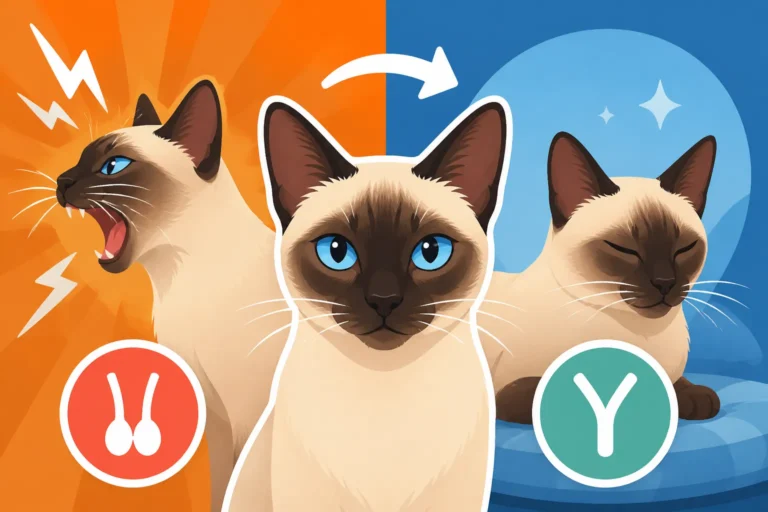
The "Meezer yowl" is perhaps the most famous, or infamous, sound a Siamese cat makes. It's a deep, mournful, often drawn-out cry that can echo through your home. This isn't just a regular meow; it's a full-body vocalization, often accompanied by exaggerated facial expressions and intense eye contact. What a Siamese Cat's Yowl Means can vary widely, but it's typically a strong expression of need or emotion.
- Attention Seeking: "You're ignoring me! Pay attention NOW!" This is probably the most common reason for a yowl. They see you doing something that doesn't involve them, and they feel it's an oversight.
- Hunger or Thirst: An empty food bowl, or a water dish that isn't sparkling fresh, will often elicit a truly dramatic yowl. They believe they are starving, even if they ate an hour ago.
- Loneliness or Boredom: If they've been left alone for a while, or if they feel understimulated, the yowl can be a plea for company or play. How Long a Siamese Cat Can Be Left Alone is a crucial consideration for potential owners, as prolonged solitude can increase yowling.
- Discomfort or Pain: Sometimes, a yowl can indicate that something is genuinely wrong. If your cat is yowling unusually, especially accompanied by other symptoms, it’s always wise to investigate.
Chirps, Trills, and Everyday Chatter
Beyond the dramatic yowl, Siamese cats engage in a constant stream of more subtle, yet equally engaging, vocalizations. These are their everyday conversational sounds, showing their engagement with their environment and their humans.
- Chirps: A chirp is a short, bird-like sound, often used to get your attention or to express mild excitement. You might hear it when they spot a bird outside the window or when they're trying to herd you towards their favorite toy. What a Siamese Cat's Chirp Means is usually an invitation to interact, a friendly greeting, or a signal that they're interested in something.
- Trills: Similar to a chirp but often a bit longer and more melodic, a trill is usually a sign of contentment and affection. Mothers often trill to their kittens, and your Siamese might trill at you as they rub against your legs or jump onto your lap for a cuddle. It's their way of saying, "Hello, human, I'm happy to see you and I like you."
- Everyday Meows and Chatter: These are your more standard cat sounds, but with that distinctive Siamese flair. They'll meow to ask for petting, to complain about a closed door, or simply to narrate their daily activities. It's their running commentary on life, and they expect you to listen and occasionally respond. If you talk back to them, you'll often find they'll talk even more, enjoying the back-and-forth "conversation." Why a Siamese Cat Answers When You Talk highlights their interactive nature.
When Vocalizations Signal Something More Serious
While much of a Siamese cat's vocalization is simply their personality, it’s important to distinguish between normal chatter and calls that might signal an underlying problem. A sudden, unexplained increase in vocalization, especially yowling at night, could be a cry for help.
- Pain or Illness: If your typically vocal Siamese suddenly becomes more vocal, or their vocalizations change in tone or intensity, it could be a sign of pain, discomfort, or illness. Cats are masters at hiding pain, but increased meowing or yowling can be one of the few indicators. This is especially true if the vocalization is accompanied by changes in eating habits, litter box use, or general demeanor. Signs a Siamese Cat Is Unwell can sometimes be subtle, but a shift in vocal patterns is definitely worth noting.
- Cognitive Dysfunction: In older Siamese cats, increased and often disoriented yowling, particularly at night, can be a symptom of feline cognitive dysfunction syndrome (FCDS), similar to dementia in humans. They might seem confused or lost, even in familiar surroundings, and their vocalizations are a way of expressing that distress.
- Hyperthyroidism or Kidney Disease: These common senior cat ailments can also lead to increased vocalization. Hyperthyroidism can make cats restless and anxious, while kidney disease can cause discomfort and increased thirst, leading to more vocal demands for water. If your older Siamese starts yowling more frequently, especially during the night, a vet visit is absolutely in order to rule out these conditions.
Factors Influencing a Siamese Cat's Loudness
Not all Siamese cats are equally loud, although most are certainly not quiet. Several factors can play a role in how vocal your individual Siamese will be, from their genetic heritage to their environment and even their health.
Genetics and Breed Standard
The vocal nature of the Siamese is deeply embedded in their genetics. They are a breed specifically known for their communication skills and their strong, resonant voices. This isn't a flaw; it's a defining characteristic cherished by many enthusiasts. Breeders often discuss the vocal traits of their lines, and some lines may produce cats that are inherently more talkative than others. The breed standard, which describes the ideal Siamese cat, doesn't explicitly mention vocalization, but the strong, intelligent, and interactive personality that is encouraged in the breed indirectly supports their communicative nature.
It's also worth noting that the specific "type" of Siamese, whether it's the more traditional "applehead" or the modern "wedge," doesn't inherently determine loudness. While some owners of traditional Siamese cats might claim they are generally quieter, there's no scientific consensus to support this. Vocalization is largely an individual trait within the breed, but the capacity for loudness is universal among Siamese cats.
Environmental Stimuli and Boredom
A bored Siamese cat is a loud Siamese cat. These intelligent, high-energy felines thrive on interaction and mental stimulation. If they don't get enough attention, play, or environmental enrichment, they will often resort to excessive vocalization to express their frustration and demand engagement. This isn't just about making noise; it's a plea for you to alleviate their boredom.
- Lack of Play: Siamese cats need ample playtime every day to burn off energy and satisfy their hunting instincts. If they're not getting enough interactive play with you or with stimulating toys, they'll often meow persistently. A laser pointer, wand toy, or even a simple crumpled paper ball can go a long way. Consider an interactive toy from Amazon that dispenses treats or moves unpredictably to keep them engaged when you're busy. What a Bored Siamese Cat Destroys often includes things like furniture or household items, but excessive vocalization is another common symptom of under-stimulation.
- Solitude: Siamese cats are incredibly social. They form deep bonds with their humans and do not do well when left alone for long periods. If you work long hours or travel frequently, your Siamese might develop separation anxiety, manifesting as incessant yowling when you're gone and demanding attention when you return. This is why many experts suggest that Whether a Siamese Cat Needs a Companion Cat is often a 'yes' if they are frequently left alone.
- Lack of Stimulation: Even if you're home, if your Siamese isn't getting enough mental stimulation, they'll complain. Puzzle feeders, cat trees that offer a view of the outside world, and regular "conversation" can help. Changing up their routine or offering new toys can keep their active minds engaged.
Age and Health Considerations
A Siamese cat's vocalization patterns can also change with age or in response to health issues. What might be normal for a kitten isn't necessarily normal for a senior cat, and vice versa.
- Kittenhood: Siamese kittens are often vocal from a very young age, learning to communicate their needs to their mothers and then to their human families. This is a period of intense learning and development, and their meows are essential for their survival and bonding. As they grow, their voice often deepens and becomes more varied.
- Adulthood: A healthy adult Siamese will typically maintain a consistent level of vocalization. You'll learn their typical conversational patterns and the meanings behind their various chirps, trills, and yowls. Any significant shift in this pattern should be noticed.
- Seniority: As Siamese cats age, their vocalizations can sometimes increase or change. As mentioned earlier, conditions like hyperthyroidism, kidney disease, or cognitive dysfunction can all lead to more frequent and sometimes disoriented yowling, particularly at night. An older Siamese might also become deaf, leading them to vocalize louder than before because they can't hear themselves. Why an Old Siamese Cat Yowls More is a common concern for owners and always warrants a vet check-up. Regular veterinary check-ups for senior cats are crucial to catch these issues early.
| Vocalization Type | Typical Sound | Common Meaning | Owner Action |
|---|---|---|---|
| Yowl | Deep, resonant, drawn-out, often loud | Attention, hunger, boredom, distress | Investigate need, play, feed, comfort, or vet check if unusual |
| Chirp | Short, bird-like, inquisitive | Greeting, excitement, invitation to play | Acknowledge, engage in play, observe what caught their interest |
| Trill | Soft, melodic, rolling purr-like sound | Affection, contentment, greeting | Return affection, gentle petting, enjoy the moment |
| Meow | Varied pitch and length, classic cat sound | General communication, request, complaint | Identify specific request (food, door, petting), respond conversationally |
| Growl/Hiss | Low rumble or sharp, sudden expelling of air | Fear, aggression, discomfort | Identify source of stress, remove cat from situation, ensure safety |
Strategies for Managing Excessive Vocalization
While you can't, and shouldn't, try to silence your Siamese cat entirely, there are absolutely ways to manage excessive or unwanted vocalization. The key is to understand why they are being so loud and then address that underlying need or behavior.
Enhancing Environmental Enrichment and Play
A well-exercised and mentally stimulated Siamese cat is generally a happier, and therefore often quieter, Siamese cat. Since boredom and lack of attention are major drivers of excessive vocalization, enrichment is your first line of defense.
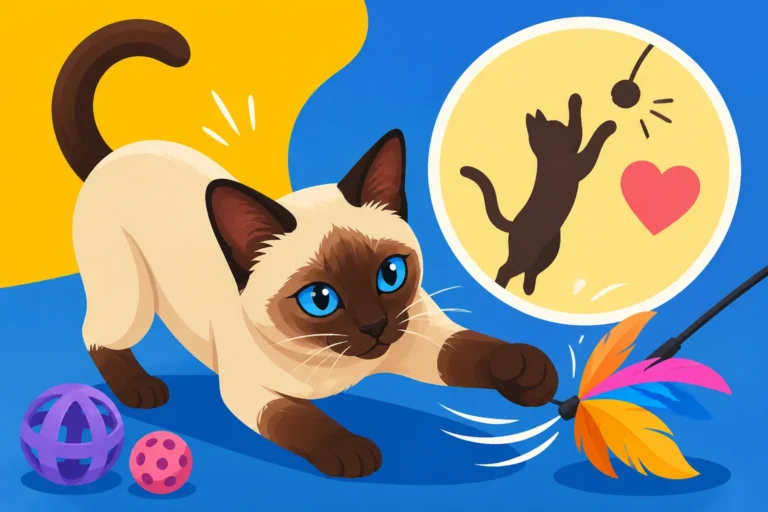
- Regular, Intense Play Sessions: Schedule at least two to three dedicated play sessions per day, each lasting 10-15 minutes. Use interactive toys like feather wands or fishing pole toys that mimic prey. Let them "catch" the toy at the end of each session to satisfy their hunting drive. You can find a wide variety of engaging cat toys on Amazon that cater to their high energy.
- Puzzle Feeders: Instead of just putting food in a bowl, make them work for it. Puzzle feeders challenge their minds and slow down eating, making meal times an enriching activity.
- Vertical Space: Siamese cats love to climb and observe. Provide tall cat trees, shelves, or catio access where they can survey their kingdom from above. This gives them territory and mental stimulation.
- Window Perches: A comfy perch by a window, especially one with a view of birds or squirrels, can provide hours of entertainment.
- Rotate Toys: Keep their interest piqued by rotating toys every few days so they don't get bored with the same old things.
- For further ideas, consider reading Enrichment for a Siamese Cat That Gets Bored in an Hour.
Behavioral Training and Ignoring Unwanted Noise
Training a Siamese cat isn't like training a dog, but they are incredibly intelligent and can learn boundaries around vocalization. The most effective method is often to reward desired behavior and ignore unwanted behavior.
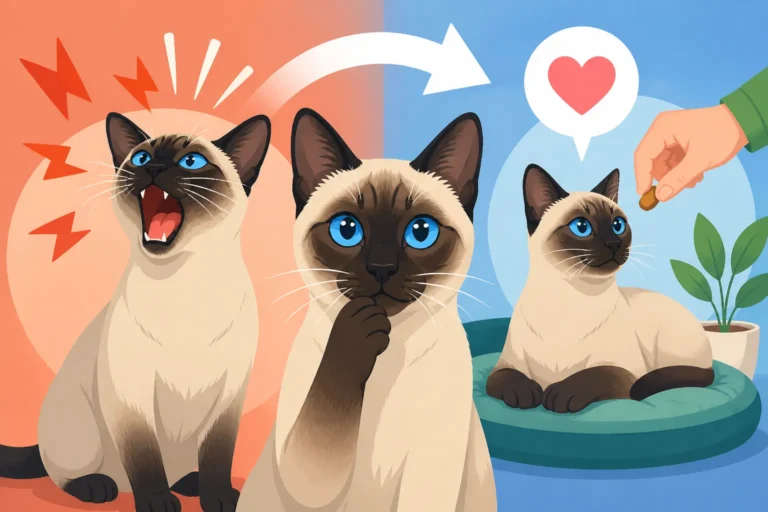
- Reward Quietness: When your Siamese is quiet, especially in situations where they might normally be vocal (e.g., you walk into the room, and they don't yowl immediately), reward them with a small treat or praise. This teaches them that quiet behavior gets attention.
- Don't Reward Yowling: This is the hard part! If your Siamese is yowling for attention or food, do not respond. Don't look at them, don't talk to them, and certainly don't give them what they're asking for. Wait until there's a moment of silence (even just a few seconds) before you acknowledge them. This teaches them that yowling is ineffective.
- Structured Feeding Times: Free-feeding can sometimes lead to constant begging. Establish a consistent feeding schedule and stick to it. If they yowl before mealtime, wait until they are quiet for a moment before placing the food down.
- Door Boundaries: If your Siamese yowls at closed doors, gently push them away, ignore the meowing, and only open the door when they've been quiet for a few seconds. Consistency is key. You might also find that products designed to deter cats from scratching doors, available on Amazon, can help redirect their attention.
- For more on training, explore How to Train a Siamese Cat to Meow Less or How to Clicker Train a Siamese Cat.
Addressing Underlying Medical Issues
As discussed earlier, a sudden or excessive increase in vocalization can be a red flag for health problems. This is why a vet check should always be your first step if there's a significant change in your cat's vocal habits.
- Veterinary Examination: If your Siamese suddenly becomes much louder, or their meows sound distressed, schedule a visit to the veterinarian. They can perform a thorough examination, including blood tests and potentially an ultrasound, to rule out medical conditions like hyperthyroidism, kidney disease, dental pain, or even neurological issues. Early diagnosis and treatment can significantly improve your cat's quality of life and potentially reduce vocalizations stemming from discomfort. Whether a Sudden Change in a Siamese Cat's Voice Matters is a question that always leads to a vet visit in my book.
- Pain Management: If pain is identified, your vet can prescribe appropriate pain relief. Alleviating their discomfort will often naturally reduce their vocal distress.
- Behavioral Medications: In rare cases, for severe, stress-related vocalization or anxiety that isn't responsive to environmental changes, a vet might discuss anti-anxiety medications or pheromone diffusers. These are usually a last resort and part of a broader behavioral management plan.
Living Harmoniously with a Vocal Siamese
Embracing the vocal nature of your Siamese cat is often the path to a happier coexistence. While management strategies are important, accepting their inherent chattiness can shift your perspective and allow you to appreciate their unique personality.
Setting Realistic Expectations
The first step to living peacefully with a vocal Siamese is to set realistic expectations. They are not like other cats, and they likely will never be truly quiet. Expecting them to transform into a silent, demure companion will only lead to frustration for both of you. Instead, learn to appreciate their "voice" as part of their charm.
Think of it as having a tiny, furry roommate who always has something to say about everything. Their constant commentary, while sometimes demanding, is also a sign of their engagement with you and their environment. It means they feel comfortable enough to express themselves, and that's a testament to the strong bond you share. Accept that your Siamese cat loves to talk, and learn to discern the different meanings behind their myriad sounds. This acceptance reduces your stress and allows you to respond more effectively to their actual needs.
The Benefits of a Talkative Companion
While the noise can be a challenge, there are undeniable benefits to having such a communicative companion. A vocal Siamese is rarely boring, and their expressive nature can bring a lot of joy and laughter into your home.
- Stronger Bond: Their constant communication fosters a deep and interactive relationship. You'll feel truly connected to a cat that actively "talks" to you, responds to your voice, and engages in back-and-forth "conversations." This constant dialogue can be incredibly endearing and make you feel truly seen and understood by your feline friend.
- Clearer Needs: Unlike more reserved cats, a Siamese will almost always make their needs known. There's little guesswork involved when they want food, attention, or playtime. This can actually make caretaking easier, as you're rarely left wondering what your cat wants.
- Entertainment: Let's face it, their antics and dramatic vocalizations can be incredibly entertaining. Their expressions and the sheer range of sounds they produce can bring a lot of humor to your day. Many owners find their Siamese cats to be endless sources of amusement and personality. How Many Sounds a Siamese Cat Makes can be quite extensive, offering a rich tapestry of feline expression.
Seeking Professional Help When Needed
Sometimes, despite all your best efforts with enrichment and behavioral adjustments, the vocalization can still be excessive, disruptive, or indicative of a deeper problem. Don't hesitate to seek professional help.
- Veterinary Behaviorist: If medical issues have been ruled out, but the excessive vocalization persists and is causing significant stress for both you and your cat, a veterinary behaviorist can be an invaluable resource. These specialists have expertise in animal behavior and can help diagnose the root cause of the vocalization (e.g., separation anxiety, compulsive disorder) and develop a tailored treatment plan. They might suggest specific training techniques, environmental modifications, or even behavioral medications if appropriate.
- Certified Cat Behavior Consultant: A certified cat behavior consultant can also offer in-home consultations and provide practical advice on modifying your home environment and implementing training techniques to address unwanted vocalization. They can observe your cat in their natural habitat and offer insights you might miss. You can often find reputable consultants through organizations like the International Association of Animal Behavior Consultants (IAABC) or by searching for local professionals online. Don't be afraid to ask for help; it shows you are a dedicated and caring pet parent.
Disclaimer
This article is for general informational purposes only and does not constitute professional advice. Laws, prices and regulations vary by location and change over time. Consult a qualified professional for guidance on your specific situation.