How a Siamese Cat Behaves With Children
Bringing a vibrant, intelligent Siamese cat into a home with children can be an incredibly rewarding experience, but let's be honest, it also comes with its fair share of anxieties. You're probably picturing endless playful moments, but also wondering how these two bundles of energy will navigate each other's worlds without a constant battle. This comprehensive guide will walk you through everything you need to know about How a Siamese Cat Behaves With Children, offering realistic insights and actionable strategies to foster a harmonious household.
Understanding the Siamese Cat Temperament Around Kids
Siamese cats are often described as "dog-like" in their personalities, known for their vocal nature, intelligence, and intense loyalty. However, these traits, while endearing to adults, can present unique challenges and opportunities when interacting with young, unpredictable humans. It's crucial to understand these inherent qualities to set both your cat and your children up for success.
The Siamese Cat's High Energy and Play Drive
One of the most defining characteristics of a Siamese cat is their boundless energy and insatiable desire to play. These aren't your typical couch potato felines; they thrive on interaction, mental stimulation, and physical activity. When children are in the picture, this can be a double-edged sword. On one hand, a Siamese cat's playful nature can align perfectly with a child's desire for fun and games, leading to joyful romps and shared entertainment. They might chase string toys, bat at feathers, or even learn to fetch a small ball, creating wonderful memories. This shared high-energy outlook can make them fantastic companions for active kids who enjoy engaging with their pets.
However, this high play drive also means a Siamese can sometimes be too enthusiastic. They might not always understand boundaries, and a playful nip or a swat with unsheathed claws, while not meant maliciously, can easily injure a child, especially a very young one. Their quick movements and vocalizations during intense play could also be startling or even intimidating to a sensitive child. It's not uncommon for a Siamese to accidentally scratch a child's arm when leaping after a toy held too close, or to pounce on wiggling toes under a blanket, thinking it's a game. This is where supervision and guidance become absolutely paramount. How Much Play a Siamese Cat Needs is often more than you'd expect, and channeling that energy appropriately is key to preventing accidents.
Vocal Nature and Startle Responses
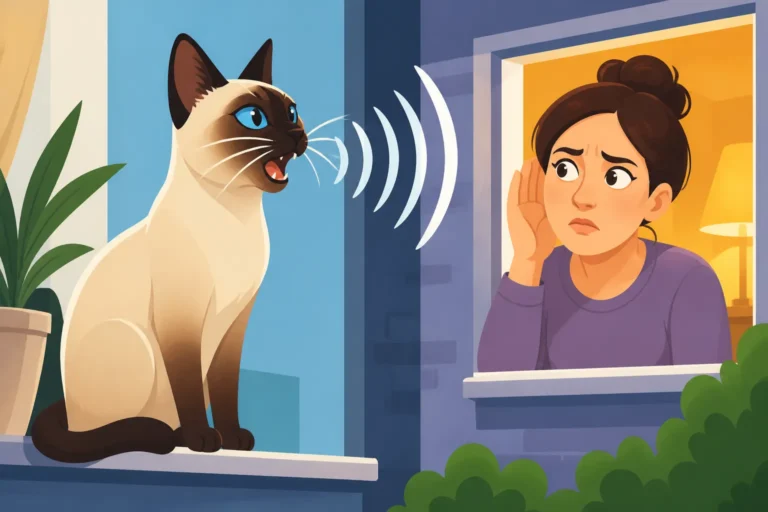
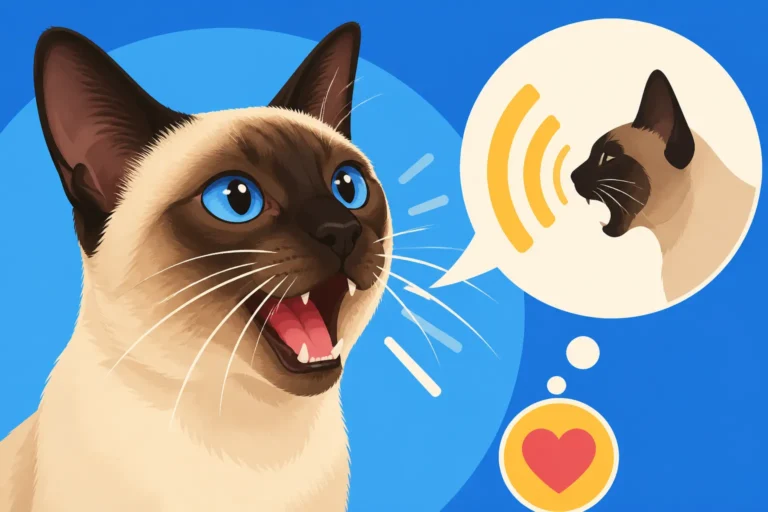
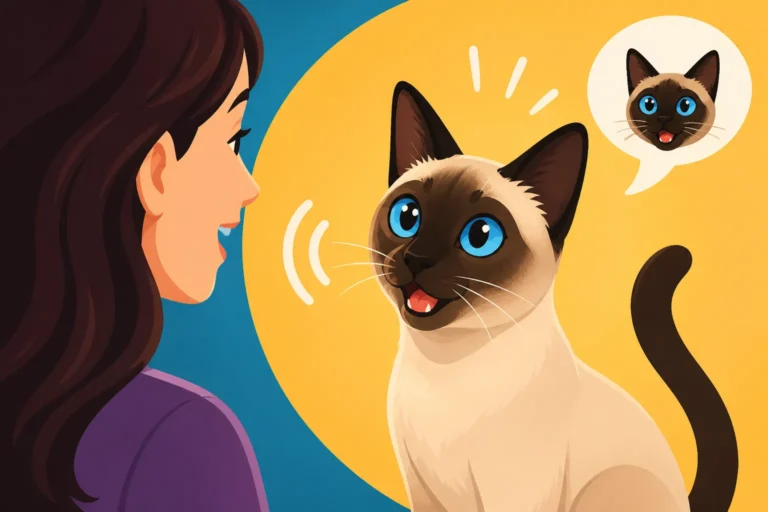
Oh, the legendary Siamese voice! If you've ever owned one, you know exactly what I'm talking about. They are not shy, and their vocalizations range from a soft trill to a demanding "Meezer yowl" that can sound surprisingly human-like, sometimes even resembling a baby crying. While charming to many, this constant communication can be a lot for young children to process. A child might not understand why the cat is suddenly "shouting" at them, or they might be startled by a sudden, loud yowl from underfoot. What a Siamese Cat's Yowl Means can vary widely, from demanding attention or food to expressing excitement or even discomfort.
Beyond their vocal prowess, Siamese cats can also be quite sensitive to sudden noises and unpredictable movements, especially in their younger years. Children, by their very nature, are often loud, boisterous, and quick-moving. A sudden shriek of laughter, a dropped toy, or a child running wildly through the house could easily cause a Siamese to dart away, hide, or even react defensively if cornered or frightened. This isn't a sign of aggression; it's a natural feline response to perceived threat or overstimulation. Understanding this sensitivity helps parents create a calmer environment and teach children to approach their feline friend with gentleness and respect, ensuring that playtime doesn't turn into a scary situation for either party.
Bonding Tendencies and Affection
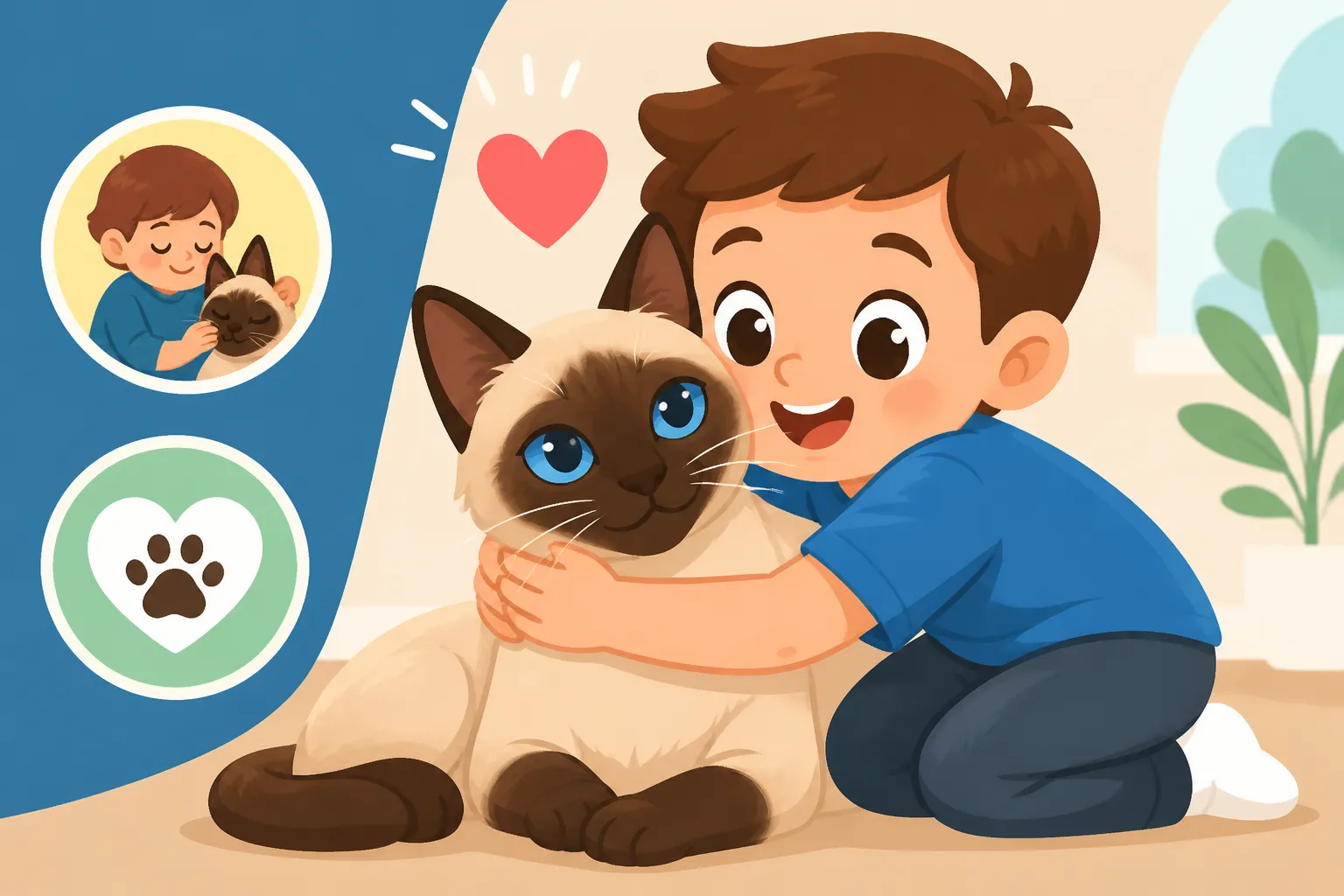
Despite their sometimes intense personalities, Siamese cats are renowned for forming deep, unwavering bonds with their human families. They are incredibly affectionate and thrive on interaction, often choosing one or two favorite people to lavish with attention. This intense loyalty and desire for companionship can extend beautifully to children, making them loving and devoted pets. A Siamese might follow a child from room to room, curl up with them for a nap, or even "help" with homework by perching on their lap or shoulder. They crave connection and are often seeking out physical closeness and engagement. A Siamese Cat Will Not Be Ignored, and this includes your little ones!
However, this strong bonding can also manifest as possessiveness or jealousy if a child suddenly receives a lot of attention that the cat feels is rightfully theirs. Imagine your Siamese, who usually gets prime lap space, suddenly seeing a toddler climb onto your lap instead. They might try to wedge themselves between you, vocalize their displeasure, or even give a subtle warning swat if they feel their position is threatened. It's not malicious, but rather an expression of their strong attachment and desire to be central to the family unit. Managing these bonding tendencies means ensuring that both children and the cat feel loved and secure, and that the cat still receives individual attention and reassurance, even when the children are around.
Introducing Your Siamese Cat to Children
The way you introduce your Siamese cat to children sets the stage for their entire relationship. It's not something to rush; rather, it requires patience, supervision, and a clear understanding of boundaries for both species involved. Think of it as laying down the foundation for a lifelong friendship, or at least a peaceful coexistence.
Gradual and Supervised Introductions
The key to a successful introduction is gradual exposure under strict supervision. Never just drop a new cat into a room full of screaming kids, and never assume a cat and child will instantly bond. Start by allowing the cat to get used to the smells and sounds of the children without direct contact. Perhaps put a blanket the child has used in the cat's resting area, or let the cat explore the child's room while the child is elsewhere. Once comfortable with indirect exposure, begin very short, highly supervised interactions. Keep these initial meetings calm, quiet, and positive. Hold the cat, or have them on a leash if they're harness-trained, while the child is encouraged to sit quietly and speak softly. A good technique is to involve the child in a positive activity that includes the cat, like gentle play with a wand toy, ensuring the child isn't directly handling the cat during this sensitive phase.
These first interactions should be no more than a few minutes long and always end on a positive note. Praise both the cat and the child for good behavior. The goal is to build positive associations, so treats are your best friend here! Offer a high-value treat to your Siamese immediately after a calm interaction with your child. If you're introducing a new cat to an existing family, make sure your Siamese still feels like their routine and territory are respected. How a Siamese Cat Handles a Toddler is a specific challenge that requires even more vigilance, given a toddler's unpredictable movements and lack of self-control.
Teaching Children How to Interact Safely
This is perhaps the most critical component. Children, especially young ones, often don't understand animal body language or the concept of personal space for a pet. They need explicit, consistent teaching on how to behave around the cat. Start by teaching them the "gentle hands" rule: only pet softly, never pull tails or ears, and always respect the cat's boundaries. Show them where the cat likes to be petted (usually head, chin, back) and where not (belly, tail, paws). Emphasize that cats are not toys and need their quiet time.
A great way to teach this is through demonstration and repetition. Show them how to approach calmly, how to offer a hand for the cat to sniff, and how to use a wand toy instead of their hands for play. Teach them to recognize signs that the cat is uncomfortable: flattened ears, a swishing tail, hissing, growling, or trying to move away. Explain that these are the cat's ways of saying "I need space." Reinforce that if the cat walks away, they should let them go. A handy rule many parents use is "no chase, no force, no surprise."
Creating Safe Havens for Your Cat
Even the most tolerant Siamese cat needs a private escape route, especially in a bustling household with children. These safe havens are crucial for their mental well-being and for preventing stress-related behaviors. Think of it as their "cat-only club" where they can retreat and relax without fear of being bothered. This might be a tall cat tree (which you can find a fantastic selection of on Amazon, by the way), a cozy bed tucked away in a quiet room, or even a cat tunnel they can hide in. The important thing is that these spots are accessible only to the cat and are off-limits to children.
Teach your children that when the cat is in their safe spot, they are to leave them alone. This teaches respect for boundaries and gives your Siamese the security of knowing they always have a place to unwind. Elevated perches are particularly beneficial, as Siamese cats love to observe their kingdom from above, and it provides a sense of security from curious little hands. Regularly check to make sure these safe zones remain available and undisturbed, as any disruption can undermine the cat's sense of security.
Managing Playtime and Interactions
Play is natural for both children and Siamese cats, but guiding that interaction is essential to prevent misunderstandings and ensure positive experiences for everyone. It's about setting clear rules and boundaries, and consistently enforcing them.
Encouraging Appropriate Play
The best way to encourage positive interactions is to actively participate in and guide playtime. Provide a variety of engaging toys that allow for interactive play without direct physical contact between cat and child. Wand toys, laser pointers (used responsibly and always ending with a tangible toy), and fishing pole toys are excellent choices because they create a safe distance between the cat's claws and your child's skin. You can often find durable and stimulating interactive toys on Amazon that can withstand enthusiastic play from both ends. Teach children to direct the toy, not their hands, and to keep the play moving away from their bodies.
Encourage children to engage the cat in short, frequent play sessions rather than one long, overstimulating one. This helps manage the Siamese's high energy without leading to exhaustion or frustration. Reward calm, gentle play from both the cat and the child with praise and treats. If play gets too rough, gently intervene, redirect the cat with another toy, or simply end the play session. The goal is to teach both parties that gentle play is fun and rewarding, while rough play leads to the fun stopping.
Recognizing and Respecting Boundaries
Understanding and respecting a cat's body language is vital. Siamese cats are vocal, but they also communicate volumes with their ears, tail, and posture. Teach your children to observe these cues:
- Flattened ears, wide eyes, tail twitching rapidly: This often means the cat is annoyed, stressed, or feeling threatened.
- Hissing, growling, spitting: Clear warnings that the cat needs space immediately.
- Hair standing on end (piloerection): A sign of extreme fear or aggression.
- Walking away, hiding: The cat is trying to escape and doesn't want to interact.
Create a simple "traffic light" system for children:
- Green light: Cat is relaxed, purring, rubbing against you. Gentle petting is okay.
- Yellow light: Cat is still, ears slightly back, tail twitching slowly. Observe, proceed with caution, or offer a toy from a distance.
- Red light: Cat is hissing, ears flat, tail tucked, or trying to escape. Stop immediately, give the cat space.
| Cat Behavior | Interpretation | Child Action |
|---|---|---|
| Purring, rubbing | Content, seeking affection | Gentle pets (head, chin, back), soft voice, offer a toy |
| Slow tail wag, looking away | Mildly interested, or slightly unsure | Observe, offer a hand for sniffing, use a wand toy, or give space |
| Ears flattened, tail twitching fast | Agitated, annoyed, uncomfortable | Stop interaction, give space, speak softly, offer escape |
| Hissing, growling, swatting | Clear warning, feeling threatened | IMMEDIATELY stop, move away, allow cat to retreat |
| Hiding, running away | Overwhelmed, seeking solitude | Leave cat alone, respect their need for quiet |
Consistently reinforce these boundaries. If a child ignores a "red light" warning, remove the child from the situation or gently remove the cat and place them in their safe space. This teaches children that consequences follow ignoring boundaries.
Dealing with Over-Stimulation and Aggression
Even with the best intentions, a Siamese cat can become over-stimulated, especially by energetic children. This can quickly escalate to playful nips turning into real bites, or gentle swats becoming aggressive scratches. Recognize the signs of over-stimulation early: dilated pupils, twitching skin, stiff body language, or excessive grooming followed by agitated movements. If you see these, it's time to intervene.
Never punish the cat physically, as this can break trust and escalate aggression. Instead, calmly remove the cat from the situation or redirect their attention. If the cat is being overly rough or aggressive, a sharp, firm "No!" (without yelling) can sometimes be enough to break their focus, followed by walking away and ignoring them for a few minutes. This teaches them that aggressive behavior leads to the end of attention and play. If a child is injured, attend to the child first, then calmly assess the situation. Persistent aggression, where the cat is actively seeking to attack or repeatedly bites/scratches without clear provocation, is a serious concern and warrants professional help. How a Siamese Cat Reacts to a New Partner might give insight into how they handle new family members, even if those are small humans.
Common Challenges and Solutions
Living with a Siamese cat and children means navigating a few common challenges that arise from their distinct personalities and needs. Proactive strategies can turn potential conflicts into opportunities for growth and understanding.
The Siamese Cat's Sensitivity to Noise and Chaos
Let's face it, a home with children is rarely a quiet, orderly sanctuary. There are sudden bursts of laughter, dropped toys, running feet, and general joyful (and sometimes not-so-joyful) cacophony. A Siamese cat, with their keen senses and often intense focus, can find this constant sensory input overwhelming. They might become skittish, spend more time hiding, or even develop stress-related behaviors like over-grooming or inappropriate urination if they feel perpetually on edge. This isn't them being "fussy"; it's a genuine physiological response to stress.
Solutions:
- Designated Quiet Zones: Beyond just a safe haven, try to designate certain rooms or areas as "quiet zones" where children are encouraged to be calmer. This might be a parent's bedroom or a specific nook where the cat's bed is placed.
- Scheduled Quiet Time: Incorporate regular quiet times into the family routine. This could be reading time, independent play, or movie time, giving the cat a predictable period of calm to relax and recharge.
- White Noise/Calming Sounds: Sometimes, a subtle white noise machine or calming classical music (specifically designed for pets) can help mask sudden household noises and create a more tranquil background for your sensitive Siamese.
- Predictable Routines: Cats thrive on routine. While children can be unpredictable, maintaining a consistent feeding, play, and bedtime schedule for your cat can provide a sense of stability amidst the chaos.
Resource Guarding and Jealousy
Siamese cats are often very particular about their resources: their food bowl, their favorite sleeping spot, their toys, and especially their humans. When children enter the equation, a Siamese might perceive them as competition for these valuable resources, leading to behaviors like resource guarding or acting out from jealousy. They might sit in the child's lap when the child is trying to play with a toy, swat at a child who approaches their food bowl, or Why a Siamese Cat Yowls at an Empty Bowl even if it's not truly empty, just to get attention. This is a display of their strong bonding tendencies combined with an instinct to protect what they see as theirs.
Solutions:
- Separate Resources: Ensure your Siamese has their own dedicated food and water bowls, litter boxes (the rule of thumb is one per cat plus one extra), and scratching posts in locations inaccessible or unappealing to children. Feed the cat in a quiet area away from the main hub of family activity.
- Individual Attention: Make a conscious effort to give your Siamese individual, focused attention every day, even if it's just 10-15 minutes of dedicated playtime or lap time when the children are occupied. This reinforces their bond with you and reassures them that they are still a valued member of the family.
- Positive Association with Children: When a child interacts positively with the cat, reward the cat with a treat or praise. This helps the cat associate the child with good things. For instance, have your child "help" you give the cat their dinner (from a safe distance, of course) or drop treats near the cat after a calm interaction.
- No Sharing: Teach children never to bother the cat while it's eating, sleeping, or using the litter box. This is non-negotiable personal space for the cat.
Maintaining Routine and Stability
Cats, particularly intelligent and sensitive breeds like the Siamese, are creatures of habit. They draw comfort and security from predictable routines. The arrival of children, or even just daily life with active kids, can throw a cat's established routine into disarray, leading to anxiety and behavioral issues. A sudden change in feeding times, interrupted nap spots, or inconsistent play can cause a Siamese to feel unsettled and stressed.
Solutions:
- Consistent Schedule: As much as possible, try to maintain a consistent feeding and play schedule for your Siamese. Feed them at roughly the same times each day, and aim for a couple of dedicated interactive play sessions at predictable hours.
- Designated Quiet Times: Integrate periods of predictable calm into your family's day. For example, if kids have nap time or quiet reading time, use this as an opportunity for the cat to have undisturbed rest or focused play with you.
- Gradual Changes: If there are upcoming major changes (like a child starting school or a shift in family schedules), try to introduce these changes gradually to your cat. For example, adjust feeding times by 15-minute increments over several days.
- Reinforce Familiarity: Keep the cat's core environment stable. Don't constantly move their litter box, food bowls, or favorite beds. Familiar smells and surroundings provide comfort. Caring for a Siamese Cat Past Twelve involves maintaining routine even more strictly, as older cats can be even more sensitive to change.
Preparing Your Home Environment
A well-prepared home environment is crucial for the peaceful coexistence of a Siamese cat and children. It’s about creating spaces that cater to the needs of both, minimizing potential conflicts, and maximizing opportunities for positive interaction.
Child-Proofing and Cat-Proofing for Harmony
When you have both children and an intelligent, curious Siamese cat, your home needs a dual approach to safety and prevention. Children can accidentally harm a cat or access things they shouldn't, and a Siamese cat, known for their climbing prowess and investigative nature, can get into trouble or cause damage. You're not just baby-proofing; you're also cat-proofing!
Child-Proofing for the Cat's Sake:
- Secure Cat Supplies: Store cat food, medications, and litter box cleaning supplies where children cannot reach them. Child locks on cabinets are your friend.
- Fragile Decor: Keep breakable items, valuable trinkets, and small objects that could be swallowed by a child (or batted around by a cat) out of reach. A Siamese can What a Bored Siamese Cat Destroys with surprising efficiency if left unsupervised with enticing objects.
- Litter Box Placement: Place the litter box in a location that is private for the cat and inaccessible to curious toddlers who might want to "play" in it. A top-entry litter box or one inside a cat-specific furniture enclosure (which you can find on Amazon) can work wonders.
- Hazardous Items: Ensure children don't leave small toys, rubber bands, or strings lying around, as these can be choking hazards for cats or lead to intestinal blockages if swallowed.
Cat-Proofing for the Child's Sake (and the Cat's!):
- Secure Medications/Chemicals: Any medications (human or pet), cleaning supplies, or toxic plants must be securely stored. Siamese cats are known to chew on things, and curious children might follow suit.
- Window Blinds/Cords: Tangle-free window cords are a must to prevent accidental strangulation for both cats and small children.
- Heavy Furniture: Anchor heavy furniture to the wall. A climbing Siamese, or a curious child, could pull over a bookshelf or dresser.
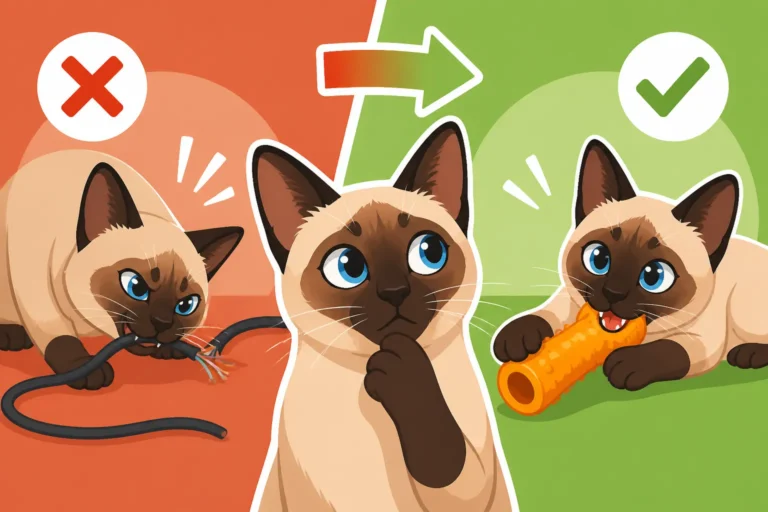
- Electrical Cords: Conceal or secure electrical cords. Both cats (especially wool suckers) and children can chew on them, leading to electric shock.
Providing Adequate Enrichment
A bored Siamese cat is a mischievous Siamese cat, and that mischief can often lead to behaviors that clash with children or cause damage. These intelligent felines need constant mental and physical stimulation to stay happy and well-adjusted. Think about how much energy How Much Play a Siamese Cat Needs on a daily basis. Without proper enrichment, they might seek attention by knocking things over, incessantly meowing, or even engaging in destructive behaviors.
Enrichment Ideas:
- Vertical Space: Siamese cats love to climb and perch. Invest in tall, sturdy cat trees, wall shelves, or window perches. These provide safe observation points and exercise opportunities.
- Interactive Toys: Provide a variety of toys that rotate regularly to keep things interesting. Puzzle feeders, electronic mice, and crinkle balls are great. Remember, interactive play with a wand toy is essential for bonding and burning off energy.
- Scratching Posts: Offer multiple scratching posts or boards in various materials (sisal, cardboard, carpet) and orientations (vertical, horizontal). This protects your furniture and satisfies their natural urge to scratch.
- Window Views: Ensure they have access to windows with interesting views, perhaps with a bird feeder outside. This provides passive entertainment and mental stimulation.
- Supervised Outdoor Time: If feasible and safe, consider a secure catio or supervised walks on a harness and leash. How to Leash Train a Siamese Cat can open up a whole new world of enrichment.
- Puzzle Feeders: These slow down eating and engage their minds, turning mealtime into a game. You can find many varieties on Amazon that challenge different levels of feline intelligence.
The Role of a Companion Cat
For very active or highly social Siamese cats, especially if your children are older and somewhat independent, the idea of a second cat might cross your mind. A Siamese Cat Should Not Live Alone is a sentiment many owners share, especially if they work long hours. Another cat, particularly another playful breed or a similarly energetic Siamese, can provide the companionship and wrestling partner your Siamese craves, potentially redirecting some of that intense energy away from the children.
However, this isn't a decision to take lightly. Introducing a second cat means doubling the resources needed and carefully managing the introduction. You'll need more food bowls, litter boxes, and vertical spaces. Also, not all cats get along, and a bad match could create more stress, not less. If you're considering a companion, research Whether a Siamese Cat Accepts a Kitten or another adult cat carefully, considering temperament and energy levels. While a second feline friend can be a wonderful solution for a lonely or overly energetic Siamese, it's not a guaranteed fix and requires careful thought and planning.
When to Seek Professional Help
Even with the best preparation and diligent efforts, sometimes behavioral challenges arise that are beyond what a typical cat owner can manage alone. Knowing when to reach out to a professional is vital for the well-being of your Siamese cat, your children, and the harmony of your household.
Persistent Behavioral Issues
If your Siamese cat is exhibiting behaviors that are consistently disruptive, dangerous, or causing significant stress to your family, it's a clear sign that you need expert intervention. These might include:
- Aggression: If your cat is regularly hissing, swatting, biting, or scratching children (or adults) without clear provocation, or if their aggression seems to be escalating despite your efforts to manage it. This is especially true if the aggression results in broken skin or deep wounds.
- Inappropriate Elimination: Urinating or defecating outside the litter box, particularly if it's a new behavior and medical causes have been ruled out by a vet. This is often a sign of stress, anxiety, or dissatisfaction with their environment.
- Excessive Vocalization: While Siamese cats are known for being loud, if their meowing or yowling becomes incessant, seemingly without cause, and is significantly impacting your family's peace, it could be a sign of distress or an underlying issue. How to Quiet a Siamese Cat might only go so far before professional help is needed.
- Hiding/Fear: If your cat is constantly hiding, seems terrified of your children, and refuses to engage in normal activities, they might be experiencing significant fear or anxiety that requires professional help to overcome.
- Destructive Behaviors: Beyond normal scratching, if your cat is routinely destroying furniture, walls, or other household items, or engaging in extreme wool sucking that leads to ingestion of fabric and potential blockages, it's a sign they might be profoundly stressed or have an underlying compulsion. Why a Siamese Cat Sucks Wool is often a sign of unresolved anxiety.
A certified feline behaviorist (CFBC) or a veterinary behaviorist (DACVB) are the ideal professionals to consult. They have specialized training in understanding feline behavior, identifying triggers, and developing tailored behavior modification plans. They can help you implement strategies that are safe, effective, and humane for both your cat and your children.
Veterinary Check-ups
Before attributing any behavioral change solely to stress or personality, always, always rule out medical causes. A sudden onset of aggression, inappropriate elimination, increased vocalization, or lethargy can be symptoms of an underlying health issue. Cats are masters at hiding pain and illness, so a change in behavior is often the only clue you get.
When to schedule a vet visit:
- Any sudden behavioral change: If your otherwise friendly Siamese suddenly becomes aggressive, or a quiet cat suddenly starts yowling constantly, a vet check is the first step.
- Inappropriate elimination: This is a classic sign of urinary tract infections, kidney issues, or other medical problems. Never assume it's just "bad behavior."
- Changes in appetite or thirst: Could indicate dental problems, kidney disease, or hyperthyroidism, all of which can affect mood and behavior.
- Lethargy or changes in mobility: Pain from arthritis or other conditions can make a cat irritable or withdrawn.
Your veterinarian can perform a thorough physical examination, blood work, and other diagnostic tests to determine if there's a medical explanation for the behavioral change. Once any medical issues are addressed, if the behavioral problem persists, then consulting with a feline behaviorist becomes the next logical step. A healthy cat is a happy cat, and addressing their physical well-being is the foundation for addressing any behavioral issues.
Disclaimer
This article is for general informational purposes only and does not constitute professional advice. Laws, prices and regulations vary by location and change over time. Consult a qualified professional for guidance on your specific situation.