Whether a Siamese Cat Gets Greasy Fur
It's a common worry among Siamese cat parents: you run your hand over their typically sleek, short coat, and instead of feeling that fine, almost silken texture, you're met with a noticeable greasiness. This isn't just about aesthetics; a persistently oily coat can signal everything from a simple grooming oversight to a more significant health concern. This guide is here to walk you through why your beloved Meezer might be sporting a greasy look and, more importantly, what actionable steps you can take to restore their beautiful, healthy sheen.
Understanding Your Siamese Cat's Unique Coat
Siamese cats are known for their striking point coloration, vocal personalities, and those incredibly soft, short coats. But even with such a seemingly low-maintenance coat, issues can arise, and a greasy feel is one of them. Understanding the specifics of their fur can help us pinpoint why this happens.
The Siamese Coat: Short, Sleek, and Single
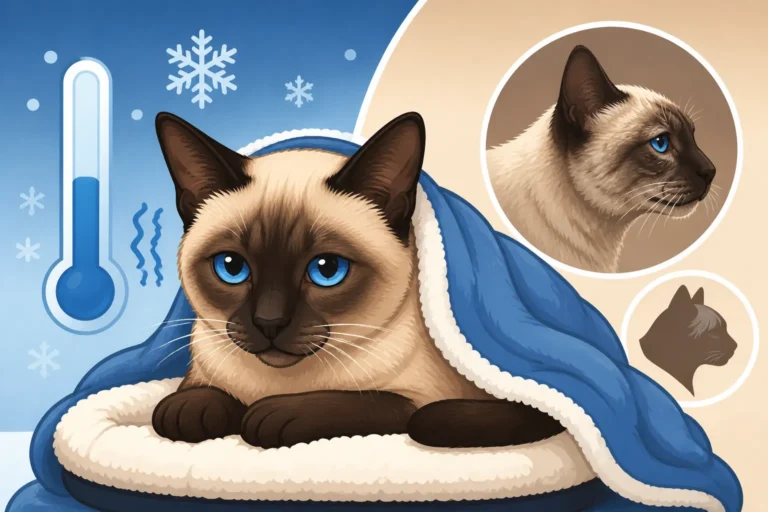
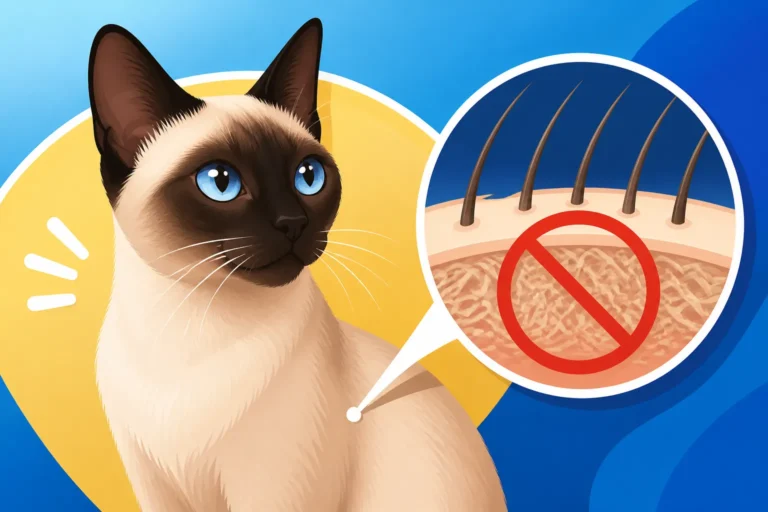
Unlike many cat breeds that boast thick double coats with a soft underlayer and coarser guard hairs, the Siamese typically has a single, short, fine coat that lies very close to their body. This lack of a dense undercoat contributes to their sleek appearance and is also why they often feel the cold more easily than their fluffier counterparts. Why a Siamese Cat Has No Undercoat Their fur is designed to be low-shedding and relatively easy to care for, which makes a greasy coat all the more noticeable and sometimes perplexing for owners. You expect that clean, smooth finish, and when it's not there, it's natural to wonder what's going on.
How Coat Texture Influences Oil Production
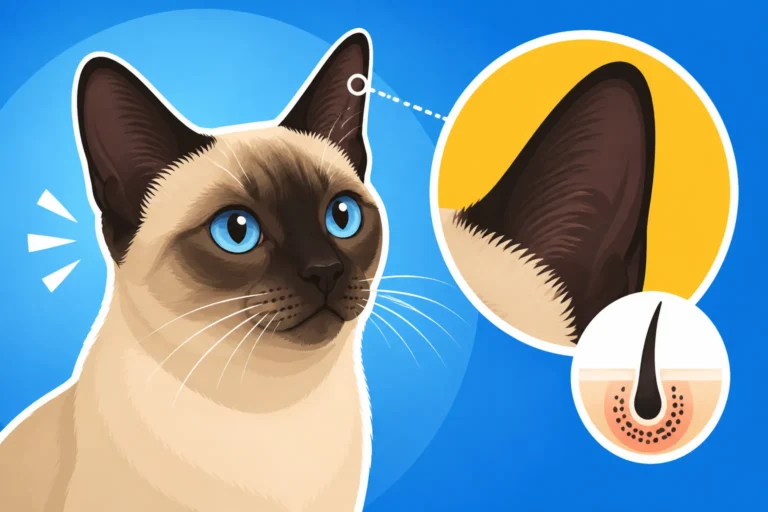
Every cat's skin produces natural oils, known as sebum, which are essential for keeping their skin moisturized and their fur healthy and shiny. Sebum acts as a natural conditioner, protecting the skin barrier and giving the coat its natural luster. However, the delicate balance of sebum production can be easily disrupted. With a Siamese cat's short, fine hair, any excess oil tends to become very apparent very quickly, as there isn't a dense undercoat to absorb or distribute it. It can quickly lead to fur that feels sticky, clumpy, or looks dull and matted in patches, especially around the ears, neck, and base of the tail.
When "Normal" Sebum Becomes "Greasy"
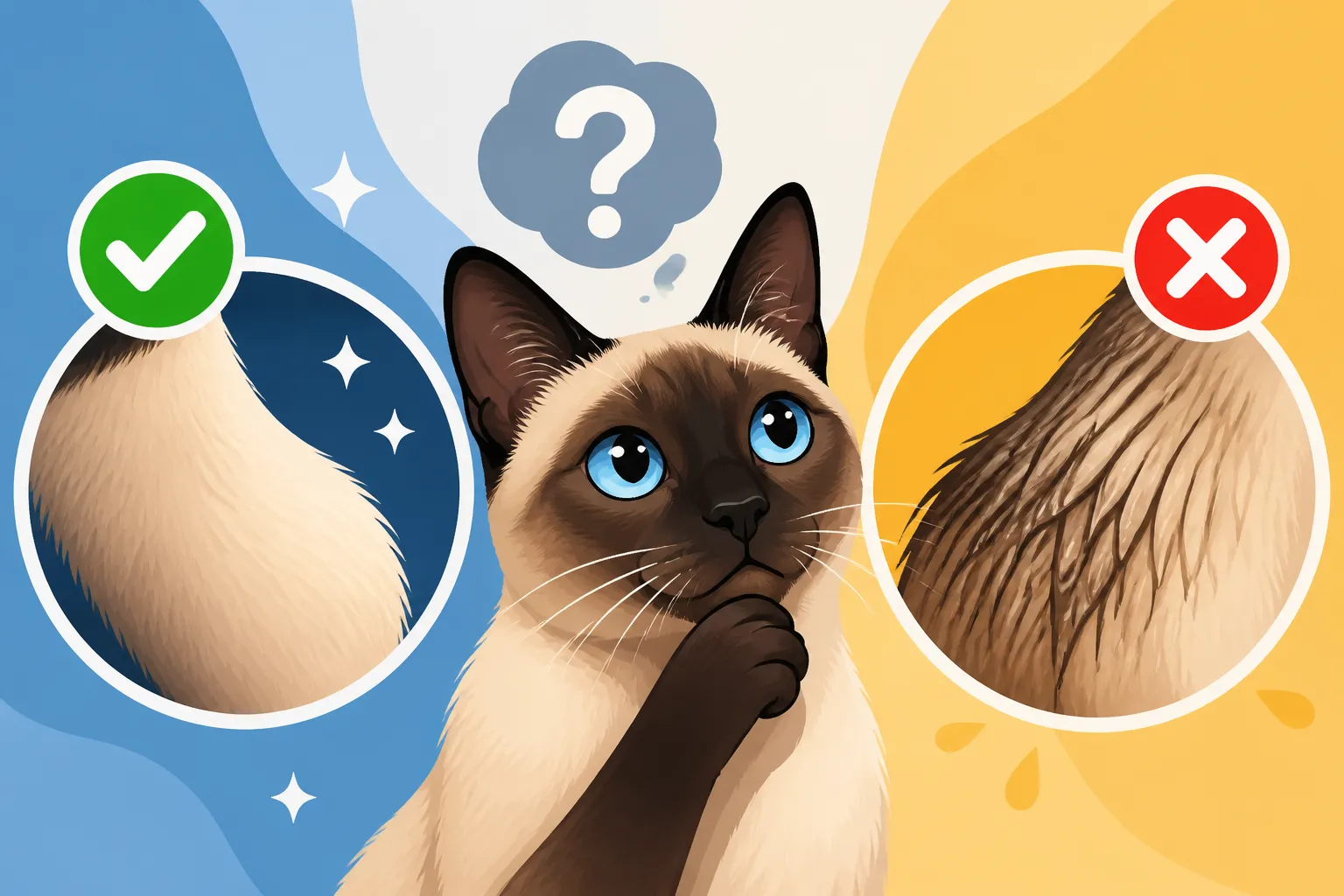
So, how do you differentiate between a healthy, naturally oily coat and one that's genuinely greasy? A healthy Siamese coat should feel smooth and clean to the touch. It might have a slight sheen, but it shouldn't leave a residue on your hands or appear lank and separated. If your cat's fur feels distinctly oily, clumps together, or has an unpleasant smell, that's usually a clear sign that sebum production is in overdrive or distribution is hampered. Pay close attention to areas where they might struggle to groom, like their back near the tail, or spots where the oil glands are more concentrated, such as around the chin or ears. These areas often show the first signs of trouble.
Common Causes Behind Greasy Fur in Siamese Cats
The sudden appearance of greasy fur on your Siamese isn't usually just a random occurrence; there's almost always an underlying reason. From their daily meals to their grooming habits, many factors can contribute to this issue. It's often a process of elimination to figure out what's really going on.
Diet and Nutrition's Role in Coat Health
What goes into your cat's bowl plays a monumental role in the health of their skin and coat. A diet lacking in essential fatty acids, like Omega-3 and Omega-6, can leave their skin dry and flaky, or, paradoxically, trigger increased oil production as the body tries to compensate. Similarly, a diet with poor-quality ingredients, too many fillers, or an imbalanced nutrient profile can manifest as skin and coat problems. Think about it: if your Siamese isn't getting the right building blocks, their body's maintenance systems, including skin and fur, will suffer. Sometimes, an allergy to a particular ingredient can also cause skin inflammation, leading to excessive oil. Which Food Suits a Siamese Cat
Environmental Factors and Skin Irritants
Your Siamese cat's environment can also contribute to a greasy coat. High humidity can sometimes make a cat's fur feel heavier and more prone to looking oily, while dry air can irritate their skin, prompting more sebum. Exposure to irritants like harsh cleaning chemicals, dusty environments, or even certain types of flea treatments can cause skin reactions that result in excessive oil. Consider whether there have been any changes in your home recently – a new air freshener, a different laundry detergent, or even new bedding – as these subtle shifts can sometimes be the culprits.
Grooming Habits and Why They Matter (or Lack Thereof)
Siamese cats are generally fastidious groomers, spending a good portion of their day keeping themselves spotless. However, even the most dedicated self-groomer can have issues.
- Insufficient Grooming: If your Siamese isn't grooming themselves effectively, perhaps due to pain (like arthritis in older cats), obesity making it hard to reach certain areas, or even just feeling unwell, dead fur and excess oils can build up. This is particularly noticeable around the base of the tail, where a cat's sebaceous glands are more active.
- Over-Grooming: On the flip side, excessive licking can sometimes strip natural oils or irritate the skin, leading to a compensatory overproduction of sebum. This is often linked to stress or anxiety. Psychogenic Alopecia in a Siamese Cat
- Product Use: While less common for Siamese cats given their short coats, using human shampoos or other inappropriate products can disrupt their skin's natural pH and oil balance, leading to a greasy film. How Rarely a Siamese Cat Needs a Bath
- Dietary Imbalances: As mentioned, what they eat directly impacts their skin's health. If their food isn't providing the right balance of nutrients, particularly essential fatty acids, their skin can become either too dry or too oily.
Underlying Health Conditions to Consider
This is where it gets serious. A greasy coat can often be an early warning sign of a more significant health issue.
- Seborrhea: This skin condition causes excessive scaling and oil production. It can be primary (inherited) or secondary to allergies, parasites, or other diseases. The fur often looks greasy and flaky, and your cat might develop a distinct, sometimes rancid, odor.
- Allergies: Whether environmental, food-related, or flea allergies, an allergic reaction can lead to irritated skin, itching, and subsequent changes in sebum production. Your cat might scratch excessively, leading to further skin damage and oiliness.
- Parasites: Fleas, mites, and other external parasites can cause intense itching and skin inflammation, which can disrupt normal skin function and lead to a greasy coat.
- Fungal Infections: Ringworm, for example, can cause patchy hair loss and changes in skin texture, sometimes leading to an oily appearance.
- Hormonal Imbalances: Conditions like hyperthyroidism (though more common in older cats) can affect skin and coat health, sometimes leading to a dull or greasy coat. Hyperthyroidism in an Older Siamese Cat
- Internal Organ Issues: Less commonly, kidney disease or liver issues can manifest with poor coat quality, including greasiness. Signs a Siamese Cat's Kidneys Are Failing From Amyloid
- Obesity: An overweight Siamese may struggle to reach and groom all areas of their body, leading to oil buildup in places they can't properly clean. This is especially true for the lower back and tail. What a Siamese Cat Should Weigh
Given these possibilities, if you've ruled out simple causes and the greasiness persists, a vet visit is definitely in order.
Practical Solutions for Managing Greasy Siamese Fur
Once you have a good idea of why your Siamese cat's fur is greasy, you can start implementing solutions. Sometimes it's a simple fix, other times it requires a more comprehensive approach.
Dietary Adjustments and Supplements
If you suspect diet is playing a role, consider making some changes.
- High-Quality Food: Switch to a premium cat food that lists real meat as the first ingredient and has a balanced nutrient profile. Look for foods rich in Omega-3 and Omega-6 fatty acids.
- Fatty Acid Supplements: You can discuss with your vet adding fish oil (like salmon or sardine oil) or flaxseed oil to your cat's diet. These supplements can dramatically improve skin hydration and coat luster. Start with a small amount and follow vet recommendations. Many pet stores and online retailers like Chewy offer a variety of cat-specific omega supplements.
- Hydration: Ensure your Siamese has access to plenty of fresh water. A cat fountain can encourage them to drink more, which is crucial for overall skin health. How Much Water a Siamese Cat Should Drink
Effective Grooming Routines and Products
Sometimes, your Siamese just needs a little extra help with their grooming.
- Regular Brushing: Even though they have short hair, regular brushing helps distribute natural oils, remove loose fur, and stimulate circulation. A soft rubber brush or a grooming glove works wonders. Aim for a few minutes daily. How Often a Siamese Cat Needs Brushing Which Grooming Glove Suits a Siamese Cat
- Spot Cleaning: For localized greasiness, especially at the base of the tail (often called "stud tail," even in neutered males and females), you can use a cat-specific degreasing shampoo or even a tiny bit of plain dish soap (like Dawn, but use sparingly and rinse thoroughly!) on just the affected area. Follow with a gentle cat shampoo.
- Bathing: If the greasiness is widespread, a bath with a veterinary-prescribed or high-quality cat degreasing shampoo might be necessary. This can be a challenge with some Siamese, but a calm approach and lukewarm water can help. How to Bathe a Siamese Cat Be sure to rinse meticulously to avoid leaving any residue that could irritate the skin further.
- Wipes: For quick touch-ups or cats who despise water, pet grooming wipes designed to remove oil can be a lifesaver. You can find these on Amazon or at local pet supply stores.
Addressing Environmental Triggers
Review your home environment for potential irritants.
- Air Quality: Consider an air purifier if you suspect dust or allergens are contributing. Use pet-safe cleaning products and avoid strong air fresheners or diffusers that could irritate your cat's respiratory system or skin.
- Humidity Control: If your home is very dry, a humidifier can add moisture to the air, which may benefit your cat's skin. Conversely, if it's too humid, ensure good ventilation.
- Litter Box Hygiene: A clean litter box is vital. Choose low-dust, unscented litter to avoid irritating your cat's skin and respiratory system. Which Litter Suits an Asthmatic Siamese Cat
When to Seek Veterinary Advice
If the greasy fur persists despite your best efforts with diet and grooming, or if you notice any other concerning symptoms, it's time to visit your veterinarian.
- Persistent Greasiness: If the problem doesn't resolve within a few weeks of making changes, or if it suddenly worsens.
- Skin Changes: Redness, inflammation, scabs, hair loss, or a foul odor accompanying the greasiness.
- Behavioral Changes: Lethargy, loss of appetite, excessive scratching, or any signs of discomfort.
- Other Health Symptoms: Vomiting, diarrhea, changes in drinking or urination habits. Signs a Siamese Cat Is Unwell
Your vet can perform a thorough examination, including skin scrapings to check for parasites, fungal cultures, blood tests (to check for underlying conditions like thyroid issues or What a Siamese Cat's Yearly Bloodwork Should Cover), and discuss allergy testing if appropriate. They can also prescribe medicated shampoos or oral medications to treat specific conditions.
Preventing Future Greasy Coat Woes
Once you've tackled the immediate problem of greasy fur, the goal shifts to prevention. Maintaining a consistent routine and being observant are key to keeping your Siamese looking and feeling their best.
Maintaining Optimal Skin and Coat Health Long-Term
Consistency is truly your friend here. Continue with your chosen high-quality diet and any vet-approved supplements. Regular brushing isn't just for fixing issues; it's a crucial part of routine care for any Siamese cat. Grooming a Siamese Cat Takes Five Minutes a Week It's also a wonderful way to bond with your cat and allows you to routinely check for any new lumps, bumps, or changes in their skin and coat. Keep their environment clean and free of irritants, ensuring their bedding is washed regularly with a gentle, pet-safe detergent.
The Importance of Regular Check-ups
Don't underestimate the power of routine veterinary visits. These check-ups allow your vet to catch potential health issues, including skin conditions, early on before they become major problems. How Often a Siamese Cat Needs a Wellness Exam They can monitor your cat's weight, discuss any changes in diet or behavior, and offer advice tailored to your individual Siamese. Early detection of issues like allergies, hormonal imbalances, or even emerging joint pain that might hinder grooming, can make all the difference in maintaining a healthy coat.
Lifestyle Adjustments for a Happy, Healthy Meezer
A happy cat is often a healthy cat, and this extends to their coat. Ensure your Siamese is getting enough mental and physical enrichment. A bored or stressed cat might over-groom, leading to skin irritation and oiliness. Provide plenty of toys, scratching posts, and interactive play sessions. A secure, predictable environment helps reduce stress, which in turn supports overall health, including that beautiful, characteristic Siamese sheen. Enrichment for a Siamese Cat That Gets Bored in an Hour
Remember, a greasy coat doesn't have to be a permanent fixture. With a bit of detective work, patience, and perhaps some professional guidance, you can help your Siamese cat regain their glorious, sleek fur.
Disclaimer
This article is for general informational purposes only and does not constitute professional advice. Laws, prices and regulations vary by location and change over time. Consult a qualified professional for guidance on your specific situation.