What Most Siamese Cats Die Of
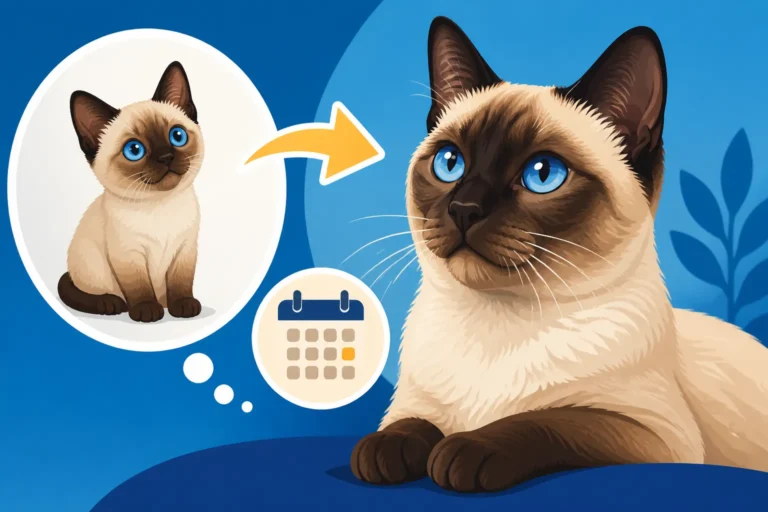
The heartbreak of suddenly losing a beloved Siamese cat, or watching them decline over time, is a fear every devoted owner quietly carries. We see our sleek, vocal companions full of life, and it's natural to wonder what illnesses or accidents might be lurking in their future. This comprehensive guide will shed light on the most common causes of death in Siamese cats, from the insidious genetic conditions to the age-related challenges and unexpected emergencies, helping you understand what to look out for and how best to prepare.
The Inherited Health Challenges of Siamese Cats
Siamese cats, with their striking looks and captivating personalities, are unfortunately predisposed to certain genetic conditions that can significantly impact their health and, in some cases, lead to premature death. Understanding these predispositions is key to being a proactive and informed owner.
Amyloidosis – The Silent Killer
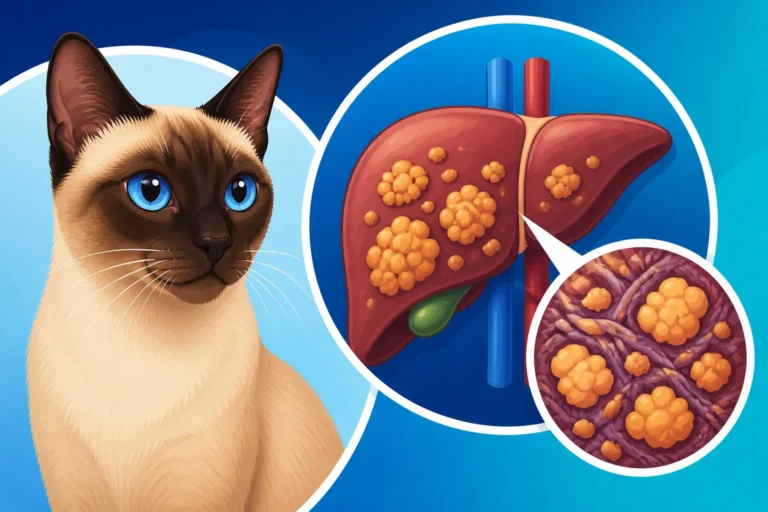
Perhaps one of the most devastating and feared conditions among Siamese cat owners is amyloidosis. This isn't just a scary word; it's a real, often silent, and ultimately fatal disease where abnormal protein deposits, called amyloid, build up in various organs. For Siamese cats, the primary target is often the liver, leading to hepatic amyloidosis. Imagine your cat's liver, a vital organ responsible for countless bodily functions, slowly being infiltrated by these stubborn proteins. This buildup hinders its ability to function properly, weakening the tissue until it can no longer cope. The insidious nature of What Amyloidosis Does to a Siamese Cat is that it often progresses without obvious symptoms until it reaches a critical stage, making early detection incredibly challenging. Many cats show no outward signs of illness until a sudden, catastrophic event occurs.
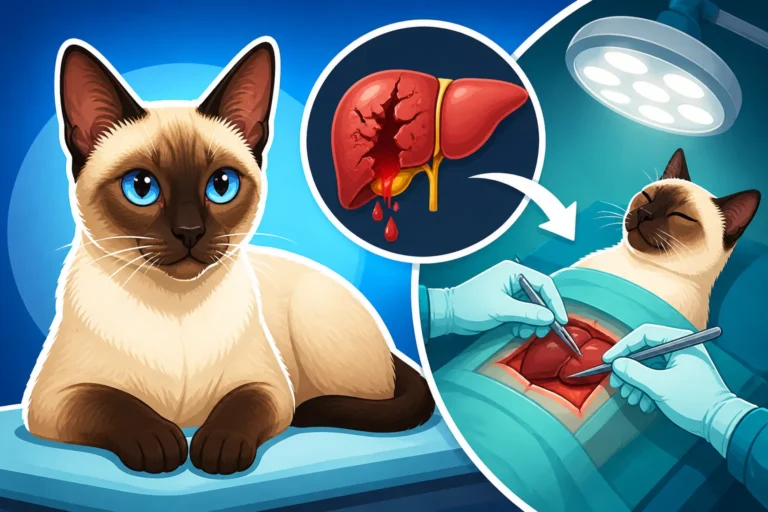
The true tragedy of amyloidosis in Siamese cats is often the sudden and unexpected nature of its terminal phase. When amyloid deposits reach a critical mass, the liver becomes extremely fragile and prone to rupture. This can lead to massive internal bleeding, causing a rapid decline and often death within hours or a day. Owners might wake up to find their cat listless, weak, or even collapsed, with gums that are pale or jaundiced. The sheer suddenness of a liver rupture, often occurring in seemingly healthy young adult cats, leaves owners reeling with shock and guilt, wondering what they could have missed. Unfortunately, because Why Siamese Cat Amyloidosis Is Inherited, this condition often runs in families, yet there is no reliable genetic test to screen breeding cats, leaving breeders and owners in a difficult, uncertain position.
Progressive Retinal Atrophy PRA – A Different Kind of Loss
While not directly fatal in the way amyloidosis can be, Progressive Retinal Atrophy (PRA) is another inherited condition that significantly impacts a Siamese cat's quality of life. This genetic eye disorder causes the slow degeneration of the cells in the retina, the light-sensitive tissue at the back of the eye. Think of it like the pixels on a screen gradually dying off until the entire picture fades to black. Initially, a Siamese cat with PRA might only struggle with night vision, bumping into furniture in dim light or being hesitant to navigate dark rooms. However, as the disease progresses, their vision deteriorates further, leading to complete blindness.
The emotional toll of watching your once agile and perceptive Siamese cat lose their sight can be immense. It's a profound loss for both the cat and the owner. While cats are incredibly adaptable, and many blind cats lead full, happy lives indoors, the inability to see can make them more vulnerable to accidents, falls, or becoming disoriented, especially if their environment changes. The reality is that What PRA Does to a Siamese Cat's Sight is a progressive journey, typically leading to full blindness. Owners need to understand that while cats can adjust, this condition requires a dedicated approach to ensure their safety and well-being. Knowing The Age a Siamese Cat With PRA Goes Blind can help owners prepare for this transition, as symptoms usually become noticeable in early to mid-adulthood.
Other Genetic Predispositions
Beyond amyloidosis and PRA, Siamese cats, like many purebreds, can have other genetic predispositions that, while not always leading directly to death, can complicate their health and potentially shorten their lifespan. One area of concern is certain forms of heart disease, specifically hypertrophic cardiomyopathy (HCM). HCM is a condition where the heart muscle thickens, making it harder for the heart to pump blood effectively. While some cats live for years with managed HCM, it can lead to sudden cardiac arrest or congestive heart failure. Symptoms can be subtle, like lethargy or decreased appetite, but sometimes the first sign is a sudden collapse. Understanding Heart Disease in a Siamese Cat is vital for early detection, often through regular vet check-ups where a vet might hear a heart murmur, prompting further investigation with an echocardiogram.
Additionally, certain neurological conditions or even some cancers can have a genetic component, though often less clearly defined than amyloidosis or PRA. For instance, some Siamese lines may show a higher incidence of certain types of cancer, similar to how Mediastinal Lymphoma in a Young Siamese Cat can be particularly aggressive in younger individuals. While these aren't guaranteed outcomes for every Siamese, the cumulative effect of these predispositions underscores the importance of choosing a reputable breeder who prioritizes genetic health and asking thorough questions about the health history of the breeding lines. Being informed allows you to be a more vigilant advocate for your Siamese's long-term health.
Age-Related Ailments and Chronic Conditions
As our beloved Siamese cats gracefully enter their golden years, they become more susceptible to a range of age-related ailments and chronic conditions. These diseases might not strike suddenly like an acute emergency, but their progressive nature can significantly impact quality of life and ultimately lead to natural causes of death.
Kidney Disease – A Common Senior Foe
Chronic kidney disease (CKD) is a dishearteningly common condition in older felines, and our vocal Siamese companions are certainly not immune. Imagine your cat's kidneys, those incredible filters, slowly losing their ability to clean waste products from the blood and concentrate urine. This gradual decline can be imperceptible in its early stages because cats are masters at hiding illness. By the time symptoms become obvious, a significant portion of kidney function might already be lost. We often hear about older cats starting to drink more water and urinate more frequently, which can be a key indicator of Kidney Disease in an Older Siamese Cat. This increased thirst is the body's attempt to flush out toxins that the failing kidneys can no longer efficiently remove, making them wonder Why a Siamese Cat Drinks More With Age.
The progression of kidney disease is typically slow, unfolding over months or even years. During this time, the buildup of toxins can lead to a host of other problems, including nausea, loss of appetite, weight loss, and general malaise. Managing kidney disease often involves special prescription diets, fluid therapy (either subcutaneous fluids at home or intravenous fluids at the vet), and medications to control symptoms like nausea or high blood pressure. While these interventions can significantly extend a cat's life and improve their comfort, kidney disease is ultimately a progressive and irreversible condition. The goal becomes slowing its advancement and supporting the cat's remaining kidney function for as long as possible, making their senior years as comfortable and joyful as they can be.
Cancer – The Unpredictable Threat
Cancer is a word that strikes fear into the hearts of pet owners, and unfortunately, it's another significant cause of death in older Siamese cats. Just like in humans, cancer in cats manifests in many forms, from localized tumors that can be surgically removed to aggressive systemic diseases like lymphoma or various carcinomas. The unpredictability of cancer is its cruelest aspect; it can appear suddenly, sometimes as a rapidly growing lump, or insidiously, with subtle symptoms like unexplained weight loss, lethargy, or a persistent cough that can easily be mistaken for other, less serious conditions. Discovering Which Cancers a Siamese Cat Gets is important for any owner, as certain breeds have higher predispositions to specific types.
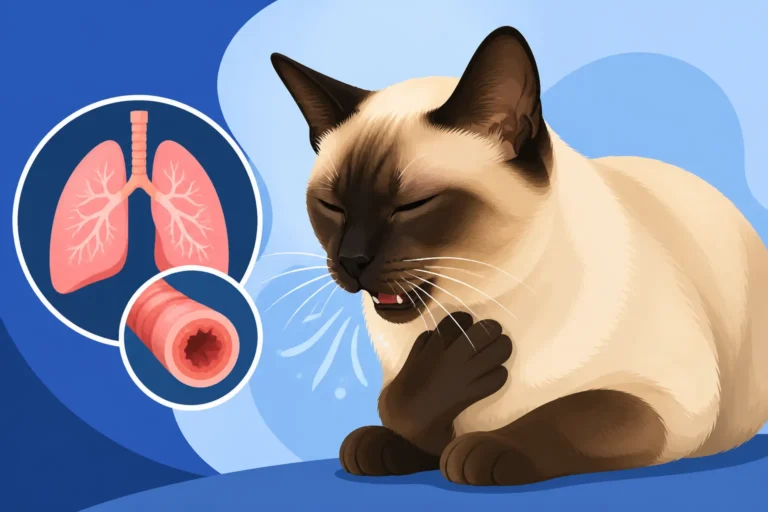
Lymphoma is a particularly common cancer in cats, and Siamese cats can be affected by various forms, including the dreaded mediastinal lymphoma which can quickly compromise breathing. Mediastinal Lymphoma Signs in a Siamese Cat can include difficulty breathing, coughing, and swelling in the chest area, making diagnosis urgent. Treatment options vary greatly depending on the type and stage of cancer, ranging from surgery and radiation to chemotherapy. While some cancers can be cured or put into remission, many are aggressive and eventually lead to decline. The decision to pursue treatment often involves a delicate balance between quality of life, prognosis, and the emotional and financial capacity of the owner. It's a journey filled with tough choices and deep emotional challenges, where every day counts.
Hyperthyroidism and Diabetes
Two other common endocrine disorders that often emerge in older Siamese cats are hyperthyroidism and diabetes mellitus. Hyperthyroidism occurs when the thyroid gland produces excessive amounts of thyroid hormones, essentially putting the cat's metabolism into overdrive. Imagine your cat constantly running a marathon inside their body, even when they're resting. This leads to a host of symptoms like ravenous appetite despite weight loss, increased thirst and urination, hyperactivity, vomiting, and diarrhea. While it can be debilitating, Hyperthyroidism in an Older Siamese Cat is often manageable with medication, radioactive iodine therapy, or surgery, significantly improving quality of life and extending their lifespan.
Diabetes mellitus, similar to humans, happens when a cat's body either doesn't produce enough insulin or can't properly use the insulin it does produce, leading to high blood sugar levels. Symptoms include increased thirst, frequent urination, weight loss despite a good appetite, and sometimes even hind leg weakness. Managing Diabetes in a Siamese Cat typically involves daily insulin injections, a carefully controlled diet, and regular monitoring of blood sugar levels. It's a commitment, requiring a significant adjustment to an owner's routine and a meticulous approach to care. Both hyperthyroidism and diabetes, if left untreated, can lead to severe complications, organ damage, and ultimately, be fatal. However, with consistent veterinary care and dedicated home management, many Siamese cats with these conditions can live comfortable and fulfilling lives for years after diagnosis.
Accidents, Injuries, and Acute Emergencies
While genetic and age-related conditions often manifest over time, sometimes the end comes suddenly and unexpectedly through acute accidents, injuries, or medical emergencies. These are the scenarios that can blindside even the most diligent Siamese cat owners, requiring immediate and often costly veterinary intervention.
Internal Bleeds and Liver Ruptures
The sudden onset of an internal bleed, particularly from a ruptured liver, is one of the most frightening and rapidly fatal emergencies a Siamese cat owner might face. As mentioned earlier with amyloidosis, this condition significantly weakens the liver's structure, making it incredibly fragile. Even a minor bump, jump, or sometimes no apparent cause at all, can lead to the liver tearing and spilling blood into the abdominal cavity. The speed at which a Siamese cat's liver can rupture without warning is terrifying. One moment your cat might seem fine, the next they could be lethargic, weak, breathing rapidly, and have pale gums. This internal hemorrhage causes a rapid drop in blood pressure, leading to shock and often death within a very short timeframe.
The visible signs might be subtle at first: a cat withdrawing, a loss of appetite, or simply not acting themselves. But as the internal bleeding progresses, more alarming symptoms like a distended abdomen (due to blood accumulation), extreme weakness, and even collapse will become apparent. Emergency veterinary care is crucial, focusing on stabilizing the cat with blood transfusions and intravenous fluids, though even with aggressive treatment, the prognosis for How a Siamese Cat's Ruptured Liver Is Treated can be grim due to the extent of blood loss and underlying liver damage. The emotional aftermath for owners is profound, as the suddenness often leaves little time for goodbyes or even understanding what truly happened until post-mortem examination.
Intestinal Blockages from Pica
Siamese cats are famously prone to a behavioral condition called pica, which involves chewing, and often ingesting, non-food items. While many cats might just "wool suck" on blankets or sweaters as a comforting habit, some take it a dangerous step further and actually swallow the fabric. This can lead to a life-threatening intestinal blockage. Imagine a linear foreign body, like a piece of yarn or fabric, traveling through your cat's digestive tract, bunching up the intestines like an accordion. Why a Siamese Cat Sucks Wool is still not fully understood, but it's thought to be linked to genetics, early weaning, or stress.
The signs of Signs a Siamese Cat Has an Intestinal Blockage can include persistent vomiting, anorexia, lethargy, abdominal pain, and an inability to pass stool. These blockages are medical emergencies requiring immediate veterinary attention. Without prompt surgery to remove the obstruction, the cat's intestines can become necrotic (tissue death), rupture, and lead to sepsis and death. It's a stark reminder that what seems like an innocuous, quirky habit can have fatal consequences. Owners of wool-sucking Siamese cats must be incredibly vigilant about keeping tempting fabrics out of reach, as the cost and invasiveness of emergency surgery are significant, and the risk to the cat's life is very real.
Trauma and Environmental Hazards
For many cats, especially those allowed outdoors, trauma and environmental hazards pose significant and often fatal risks. A Siamese cat's curious and adventurous nature, coupled with their strong hunting instinct, can lead them into dangerous situations. Tragically, being hit by a car is a common cause of death for outdoor cats. Beyond traffic, encounters with other animals, such as dogs or wildlife, can result in severe injuries, infections, or even death. Falls from heights, accidental poisonings from household chemicals or toxic plants, and getting trapped in confined spaces are other perils that can lead to fatal outcomes.
Even for indoor Siamese cats, accidents can happen. Falls from high shelves, getting tangled in blinds or cords, or ingesting small foreign objects (not necessarily fabric-related) can lead to serious injuries. A strong advocate for indoor-only living, I always tell fellow cat parents that keeping your Siamese safely inside is the single most effective way to protect them from a myriad of potentially fatal traumas and environmental dangers. Creating a secure, stimulating indoor environment greatly reduces these risks, allowing your Siamese to live a longer, safer life, free from the often-unseen perils of the outside world.
The Impact of Lifestyle and Environment
Beyond genetics, age, and sudden accidents, the daily lifestyle and environment we provide for our Siamese cats play a crucial role in their overall health and longevity. Poor nutrition, chronic stress, and neglected basic care can contribute to various conditions that, while not always immediately fatal, can significantly shorten their lifespan and diminish their quality of life.
Nutrition and Obesity-Related Issues
Siamese cats are often celebrated for their svelte, lean physique, and indeed, Why a Siamese Cat Stays So Thin is often attributed to their high metabolism and active nature. However, a lean body doesn't automatically mean optimal nutrition. Feeding a poor-quality diet lacking essential nutrients, or one with excessive fillers, can still lead to long-term health problems. While obesity is less common in the typical energetic Siamese, it is by no means impossible. An overweight Siamese can develop many of the same issues as an overweight human, including diabetes, arthritis, and heart strain. These conditions, while manageable, add to their overall health burden and can indirectly contribute to a shorter lifespan.
Proper nutrition is a cornerstone of preventative health. A balanced diet, appropriate for their life stage and activity level, supports a strong immune system, healthy organ function, and optimal energy levels. Overfeeding, even of good quality food, can lead to excess weight, which in turn stresses joints and internal organs. The impact of a consistently inappropriate diet might not lead to an immediate cause of death, but it creates a foundation for chronic diseases that can compromise their health significantly over their lifetime. Monitoring your Siamese's weight and body condition score regularly is a simple but powerful way to ensure they're receiving the right amount of fuel for their unique metabolism.
Stress-Related Conditions
Siamese cats are highly intelligent, sensitive, and emotionally expressive creatures who thrive on interaction and routine. Consequently, they are often more susceptible to stress than some other breeds. Chronic stress isn't just an emotional state; it has tangible physical effects on a cat's body, weakening the immune system, exacerbating existing conditions, and even manifesting in physical symptoms. One classic example of a stress-related condition in Siamese cats is Psychogenic Alopecia in a Siamese Cat. This is when a cat excessively licks or chews their fur, often to the point of creating bald patches, not due to parasites or allergies, but as a coping mechanism for anxiety or boredom.
Imagine your Siamese feeling constantly anxious due to a change in routine, a new pet, or even insufficient mental stimulation. This constant state of low-level stress can lead to a compromised immune system, making them more vulnerable to infections. It can also worsen inflammatory conditions or delay healing from injuries. While stress itself isn't a direct cause of death, it acts as a silent undermining force on overall health, making them less resilient to other illnesses or more prone to developing stress-induced behaviors that have physical consequences. Providing a stable, enriching environment, understanding What Separation Anxiety Looks Like in a Siamese Cat, and addressing sources of stress are crucial for their long-term well-being and a healthier, longer life.
Dental Disease and Its Systemic Effects
Dental disease might seem like a minor inconvenience, something confined to the mouth, but in cats, especially Siamese, it's a silent and pervasive threat that can have serious systemic consequences. Dental Disease in a Siamese Cat, ranging from gingivitis to painful periodontal disease, is incredibly common. Left untreated, bacteria from infected gums and teeth don't stay in the mouth. They can enter the bloodstream and travel to vital organs like the heart, kidneys, and liver, contributing to or worsening conditions in these areas. This secondary organ damage can significantly impact a Siamese cat's health and lifespan, often without a clear connection being made by owners. It's truly a hidden danger.
The reality is that Why a Siamese Cat Loses Teeth Young can often be attributed to their genetic predisposition to certain dental issues and the rapid progression of periodontal disease. Chronic pain from dental issues can also severely impact a cat's quality of life, leading to decreased appetite, weight loss, and irritability, which can mask other underlying health problems. Regular dental care, including professional cleanings under anesthesia, is not merely cosmetic; it's a critical component of preventative health that can ward off systemic infections and prolong a Siamese cat's life. Ignoring a cat's bad breath or red gums is akin to ignoring a ticking time bomb in their overall health.
Prolonging a Siamese Cat's Lifespan
While some health challenges are an unavoidable part of owning a Siamese cat, there's so much we can do as devoted owners to ensure they live the longest, healthiest, and happiest lives possible. It's about being proactive, informed, and dedicated to their unique needs.
Proactive Veterinary Care
One of the most impactful ways to prolong your Siamese cat's life is through consistent and proactive veterinary care. This isn't just about rushing to the vet when something is visibly wrong; it's about establishing a regular routine of wellness exams. These annual check-ups are your vet's opportunity to catch subtle changes that you might miss, such as a new heart murmur, a slight weight fluctuation, or early signs of dental disease. For example, How Often a Siamese Cat Needs a Wellness Exam should be at least yearly for adults, and more frequently for kittens or seniors. During these visits, your vet can conduct a thorough physical examination, listen to their heart and lungs, check their teeth, and discuss any behavioral changes you've observed.
Beyond physical exams, your vet may recommend routine diagnostics, especially as your Siamese ages. What a Siamese Cat's Yearly Bloodwork Should Cover typically includes a complete blood count (CBC) to check for anemia or infection, and a biochemistry panel to assess organ function, particularly the kidneys and liver. Early detection of conditions like kidney disease or hyperthyroidism through blood tests can mean the difference between effective management and a rapidly progressing illness. Regular check-ups also allow for up-to-date vaccinations and parasite control, protecting your Siamese from preventable infectious diseases. When facing unexpected medical challenges, having a robust pet insurance plan, like those offered by Healthy Paws, can truly lift a huge financial burden, allowing you to focus on getting your beloved Siamese the best possible care without added stress. Their comprehensive coverage can make a critical difference in these crucial moments.
Genetic Screening and Responsible Breeding
Given the genetic predispositions of Siamese cats to conditions like amyloidosis and PRA, understanding the role of genetic screening and responsible breeding is paramount. For conditions where genetic tests are available, such as PRA, ethical breeders will screen their breeding cats to ensure they are not passing on these debilitating genes. When looking for a kitten, asking Which Health Tests a Siamese Cat Breeder Runs and seeing verifiable results is crucial. A responsible breeder will be transparent about the health history of their breeding lines and be able to discuss potential genetic issues in the breed openly. While there is no DNA test for There Is No DNA Test for Siamese Cat Amyloidosis, a good breeder will track the health and longevity of cats in their lines and discuss any instances of sudden death or liver disease in their pedigrees. This historical data, while not a guarantee, offers a glimpse into the potential risks.
The journey of finding a healthy Siamese cat often starts long before you bring them home. It involves extensive research, asking probing questions, and being patient enough to wait for a kitten from a truly responsible source. Unfortunately, because amyloidosis is so difficult to screen for, even the most diligent breeder can sometimes have a cat that develops it. However, by choosing a breeder who actively works to minimize the risk of known genetic conditions through careful selection and transparency, you significantly improve your chances of welcoming a healthier, longer-lived Siamese into your family. It's an investment in their future.
Creating a Safe and Enriching Home Environment
A long and healthy life for your Siamese isn't just about veterinary visits and genetics; it's deeply intertwined with the daily environment you provide. Siamese cats are highly intelligent, social, and energetic, meaning they require significant mental and physical stimulation. A bored or under-stimulated Siamese can become stressed, which, as we've discussed, can lead to various health and behavioral issues. Providing plenty of Enrichment for a Siamese Cat That Gets Bored in an Hour through puzzle toys, regular play sessions, climbing structures, and even harness training can make a world of difference. Think vertically – cat trees, shelves, and window perches give them vantage points and exercise opportunities that prevent boredom and promote activity.
Beyond mental stimulation, ensuring a safe home environment is crucial to preventing accidents and injuries. Securing windows, keeping toxic substances out of reach, and managing potential hazards like loose cords or small objects that could be ingested are vital. For senior Siamese cats, adjustments like ramps to favorite perches or easier access to litter boxes can prevent strain and injury, making Caring for an Old Siamese Cat a smoother experience. And remember the discussion on pica; for Siamese cats with this tendency, diligent "cat-proofing" to remove tempting fabrics is non-negotiable. A stimulating, safe, and loving home environment is arguably one of the greatest gifts you can give your Siamese cat, setting them up for a lifetime of well-being and happiness.
| Cause of Death Category | Specific Condition Examples | Typical Age of Onset | Key Symptoms/Indicators | Prevention/Management |
|---|---|---|---|---|
| Genetic/Inherited | Amyloidosis (Liver Rupture) | Young to Mid-Adulthood (1-5 years) | Sudden collapse, lethargy, pale gums, jaundice (often sudden) | Responsible breeding, tracking family history |
| Progressive Retinal Atrophy (PRA) | Early to Mid-Adulthood (1-3 years) | Night blindness progressing to total blindness | Genetic screening of breeding cats | |
| Hypertrophic Cardiomyopathy (HCM) | Any age, often middle-aged | Heart murmur, lethargy, difficulty breathing, sudden collapse | Screening with echocardiogram, medication | |
| Age-Related/Chronic | Chronic Kidney Disease (CKD) | Senior (7+ years) | Increased thirst/urination, weight loss, vomiting, poor coat | Regular vet check-ups, special diet, fluid therapy |
| Cancer (e.g., Lymphoma) | Senior (7+ years), but can be younger | Unexplained weight loss, lethargy, lumps, difficulty breathing, vomiting | Regular vet check-ups, early detection, chemotherapy/surgery | |
| Hyperthyroidism | Senior (8+ years) | Weight loss despite ravenous appetite, hyperactivity, increased thirst | Medication, radioactive iodine therapy, surgery | |
| Diabetes Mellitus | Senior (7+ years) | Increased thirst/urination, weight loss, increased appetite | Insulin therapy, diet management | |
| Acute/Accidental | Liver Rupture (non-amyloidosis) | Any age | Sudden collapse, severe pain, pale gums | Careful handling, preventing trauma |
| Intestinal Blockage (Pica) | Any age, often younger | Persistent vomiting, anorexia, abdominal pain | "Cat-proofing," enrichment, behavioral modification | |
| Trauma (e.g., RTA, falls) | Any age | Visible injuries, pain, shock, internal bleeding | Indoor-only living, safe home environment | |
| Lifestyle/Environmental | Severe Dental Disease | Middle-aged to Senior (3+ years) | Bad breath, painful eating, gum inflammation, systemic infections | Regular dental cleanings, at-home dental care |
| Complications from Stress | Any age | Suppressed immune system, worsening existing conditions | Stable environment, enrichment, stress reduction |
Disclaimer
The information provided in this article is for general informational and educational purposes only, and is not a substitute for professional veterinary advice. Always consult with a qualified veterinarian for any health concerns or before making any decisions related to your Siamese cat's health or treatment. Specific symptoms and conditions can vary, and proper diagnosis and care require a personalized assessment by a veterinary professional.