The Screening a Siamese Cat Breeder Cannot Do
It's incredibly frustrating when you're trying to be the most responsible pet parent you can be, doing all your homework, finding a reputable breeder, and still discovering there are hidden health challenges you simply couldn't have screened for. We all want to give our beloved Siamese the healthiest start, but the truth is, even the most diligent breeders face limitations when it comes to predicting every potential inherited issue. This guide will walk you through the specific health screenings and genetic predispositions that, despite everyone's best efforts, a Siamese cat breeder simply cannot provide definitive answers for, helping you understand what to look for and how to manage these possibilities proactively.
The Elusive Nature of Amyloidosis Screening in Siamese Cats
Perhaps one of the most heartbreaking and challenging inherited conditions in the Siamese breed is amyloidosis. This isn't just a concern; it's a silent threat that can strike even seemingly healthy young cats. You might scour breeder websites, ask all the right questions, and still come up against a wall when it comes to definitive testing for this devastating disease. It’s a bitter pill to swallow when you realize that despite all your proactive research, some things remain beyond current scientific screening capabilities.
Why There Isn't a DNA Test for Amyloidosis
The biggest frustration for both breeders and prospective owners seeking to avoid this terrible disease is the simple fact that There Is No DNA Test for Siamese Cat Amyloidosis. Unlike some other genetic conditions where a clear gene mutation has been identified, amyloidosis in Siamese cats appears to be much more complex. It's not a single "bad gene" that you can easily test for and eliminate from a breeding line. Instead, current research suggests it’s likely polygenic, meaning multiple genes, possibly interacting with environmental factors, contribute to its development.
This complex inheritance pattern makes identifying a single, reliable DNA marker incredibly difficult. Imagine trying to pinpoint one specific instrument in an entire symphony orchestra that's causing a discordant note when dozens are playing at once. Breeders often track pedigrees meticulously, hoping to identify lines with a history of the disease, but without a specific genetic test, this is more of an educated guess than a definitive screening. It means that even a kitten from parents with no known history of amyloidosis could still carry the genetic predisposition and develop the disease later in life, leaving everyone feeling helpless.
The Limitations of Predictive Testing for Amyloidosis
Beyond the lack of a DNA test, other diagnostic methods also fall short when it comes to predictive screening in young, healthy cats. Amyloidosis involves the abnormal deposition of amyloid protein in various organs, most commonly the liver in Siamese cats. By the time symptoms appear, the damage is often already significant. You might hear about blood tests, but these usually only show abnormalities once the liver or kidneys are already affected. For instance, elevated liver enzymes could indicate trouble, but by then, the disease is already active.
A definitive diagnosis of amyloidosis often requires a biopsy of the affected organ. For a seemingly healthy kitten or young adult cat, performing an invasive liver biopsy is not only impractical but carries significant risks. The liver, when affected by amyloidosis, becomes incredibly fragile, and a biopsy can sometimes lead to Why a Siamese Cat's Liver Can Rupture Without Warning or cause internal bleeding. This ethical dilemma means that breeders cannot routinely screen their breeding animals with such invasive procedures, making early detection before symptoms appear virtually impossible. Sadly, many cases are only confirmed post-mortem, after the cat has succumbed to the disease, highlighting the challenge for breeders to screen effectively.
The Ethical Dilemma for Breeders
This lack of reliable screening tools places a huge ethical burden on conscientious Siamese cat breeders. They dedicate their lives to improving the breed and minimizing inherited health issues, yet amyloidosis remains a formidable foe. Breeders will typically track health histories and causes of death in their lines for generations, trying to identify any patterns. If a cat from a specific line develops amyloidosis, breeders face tough decisions about whether to continue breeding relatives of that cat, even if those relatives show no signs themselves.
This careful tracking is vital, but it's not a foolproof "screen." It's more about risk assessment. A breeder might voluntarily remove a cat from their breeding program if multiple cases appear in its lineage, but this relies on transparent reporting from previous kitten owners and often comes too late to prevent the spread of the gene. What Amyloidosis Does to a Siamese Cat is devastating, and this is why many breeders emphasize general health and longevity in their lines, hoping that robust cats are less likely to express complex genetic predispositions. For you, as an owner, this means that even with the best breeder, this particular concern remains a risk that requires ongoing vigilance and understanding throughout your cat's life.
Navigating the Complexities of PRA Testing in Siamese Cats
Another condition that aspiring Siamese cat owners often ask about is Progressive Retinal Atrophy (PRA). The idea of a cat slowly losing its sight is heartbreaking, and naturally, people want to ensure their kitten won't face this. While there are DNA tests for PRA in some breeds, the situation for Siamese cats is, again, more nuanced than a simple "yes" or "no" answer, leading to confusion and a false sense of security.
Why Current PRA DNA Tests Can Be Unreliable
You might have heard about DNA tests for PRA, specifically the rdAc mutation. However, when it comes to Siamese cats, Whether the rdAc DNA Test Works on a Siamese Cat is a complex question with a disappointing answer: it's generally not considered reliable or applicable for predicting PRA in the Siamese breed. The rdAc mutation is responsible for PRA in some other cat breeds, but it's not the primary or only cause of PRA in Siamese cats. Therefore, a negative result on an rdAc test for a Siamese cat doesn't mean your cat is definitively free from PRA risk.
This discrepancy can be incredibly frustrating. You do your due diligence, ask the breeder if they test for PRA, and they might say "yes," showing you a negative rdAc result. But without understanding Why an rdAc Result Is Unreliable in a Siamese Cat, you might mistakenly believe your cat is safe. It's a classic example of a screening tool that works for one population but not necessarily for another, highlighting the unique genetic makeup of the Siamese. This means breeders currently don't have a simple, definitive DNA test to clear their lines of PRA in the same way some other breeds might.
The Importance of Ophthalmic Exams Over DNA in Some Cases
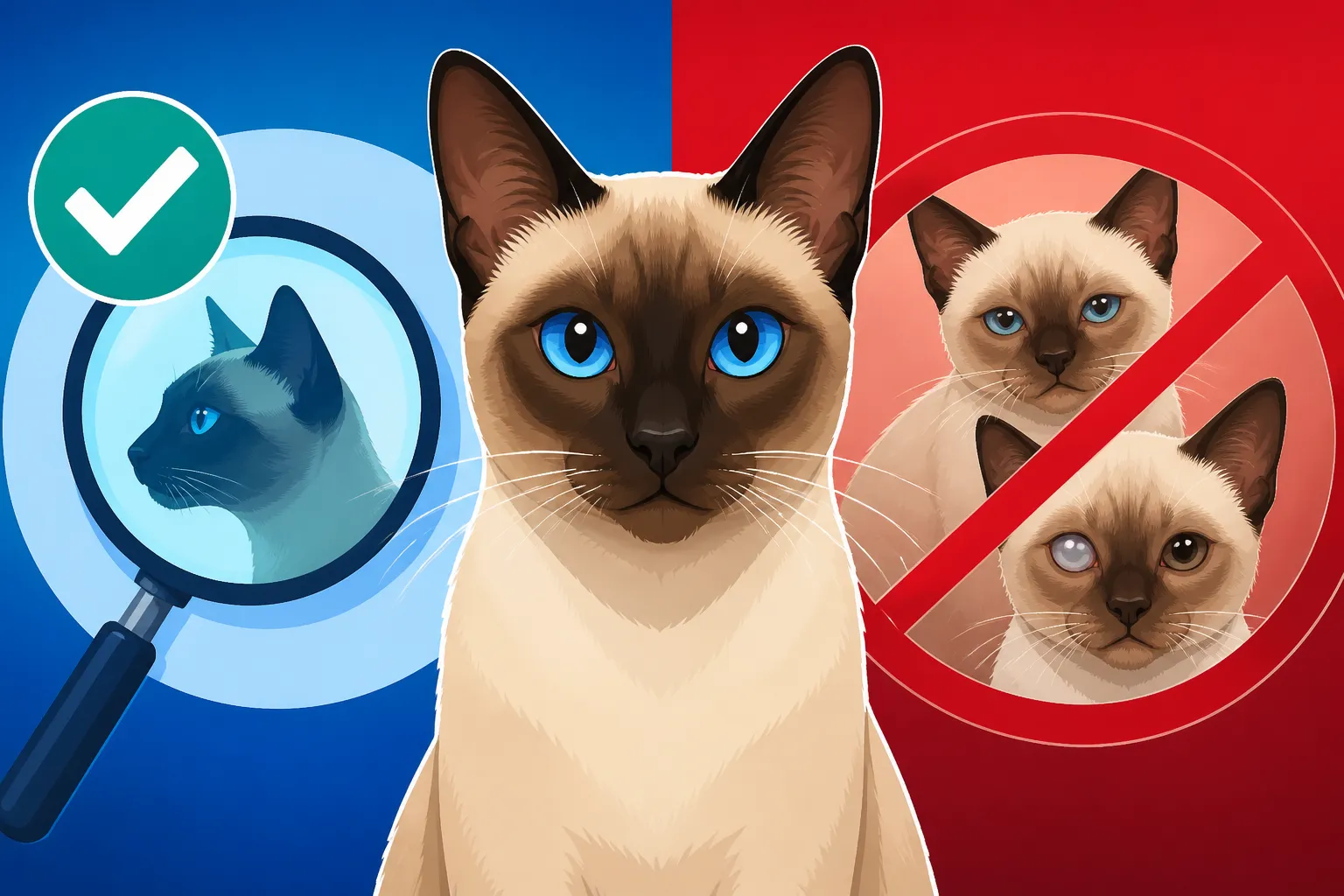
Given the limitations of DNA testing for PRA in Siamese cats, regular ophthalmic examinations by a board-certified veterinary ophthalmologist become paramount. While these exams can't predict PRA in a young kitten, they can identify early signs of retinal degeneration in breeding cats or kittens as they mature. A thorough eye exam can reveal changes in the retina long before clinical blindness becomes apparent. This is particularly important because The Age a Siamese Cat First Loses Night Vision can vary, and early intervention or management relies on careful observation.
Breeders committed to health will often have their breeding cats examined annually by an ophthalmologist, looking for any indicators of PRA or other eye conditions. While this isn't a "screening test" in the genetic sense, it's the most reliable way currently available to monitor the ocular health of breeding stock and make informed decisions. It's an ongoing process, not a one-and-done test, and this continuous vigilance is what separates truly dedicated breeders. For you, as a kitten buyer, asking about these regular professional eye exams for the parent cats is a much more valuable question than simply "do you DNA test for PRA?". This proactive approach helps to mitigate the risks, even if absolute prevention via genetic screening isn't an option.
Beyond Genetics: Environmental and Predisposition Challenges
Not every health issue that disproportionately affects Siamese cats stems from a simple, testable genetic mutation. Many conditions involve a complex interplay of genetic predisposition and environmental factors, making it impossible for a breeder to "screen out" the risk entirely. You can get the healthiest kitten from the best lines, and still encounter these challenges because they are inherent quirks of the breed.
The Unpredictable Nature of Asthma and Allergies
Siamese cats are, unfortunately, known to have a higher prevalence of asthma and allergies compared to many other breeds. You might notice your cat experiencing coughing fits or breathing difficulties, and it can be quite alarming. Asthma in a Siamese Cat is a real concern for many owners, but here’s the rub: there's no genetic test a breeder can perform to guarantee a kitten won't develop it. While there's a suspected genetic component that makes them more susceptible, the actual triggers are often environmental.
Think about it: even if your cat has a genetic predisposition, it might never develop full-blown asthma if it lives in an immaculate, low-dust environment free of specific allergens. Conversely, a cat with a milder predisposition could suffer if constantly exposed to smoke, dusty litter, or certain perfumes. This makes it impossible for a breeder to screen for, because they can't control the environment your kitten will live in, nor can they definitively test for a predisposition that relies so heavily on external factors. As an owner, this means focusing on managing the environment, using low-dust litter (Chewy offers many great options), and avoiding aerosol sprays. Understanding What Triggers a Siamese Cat's Asthma becomes your responsibility, not something a breeder could have predicted or prevented with a test.
The Enigma of Psychogenic Alopecia and Pica
Siamese cats are renowned for their intelligence and intense personalities, which can sometimes manifest in unique behavioral challenges like psychogenic alopecia (stress-induced over-grooming) and pica (the compulsive eating of non-food items, particularly wool-sucking). Psychogenic Alopecia in a Siamese Cat can lead to bald patches, and pica can be dangerous if fabric is ingested. While these behaviors often have a strong genetic link—you’ll frequently find Whether Wool Sucking in a Siamese Cat Is Genetic in certain lines—there's no "pica gene test" or "anxiety gene test" available for breeders to use.
These behaviors are often triggered or exacerbated by stress, boredom, or changes in environment, making them incredibly difficult to predict or screen for. A breeder can tell you if previous cats in the line exhibited these traits, and a responsible one will be transparent about it. They can also ensure kittens are raised in an enriched, low-stress environment. However, they can't predict how an individual kitten will cope with the transition to a new home, different routines, or varying levels of stimulation. It’s a personality trait almost as much as a health concern, and while good breeding aims for stable temperaments, predicting every nuance of a Siamese cat's complex mind is simply beyond any screening capability. It means you might need to be extra vigilant about providing mental enrichment and addressing any potential stressors in your home environment.
Congenital Conditions That Slip Through the Net
While many serious congenital defects are obvious at birth or shortly after, some subtle ones, particularly those affecting the heart or neurological system, can be much harder for a breeder to detect in young kittens. These are not always conditions that can be "tested" for pre-purchase in the same way you might test for a specific gene.
Heart Defects Not Always Detectable Early
Heart Disease in a Siamese Cat is a broad category, and while some forms like hypertrophic cardiomyopathy (HCM) can be screened for in adult breeding cats with echocardiograms, other congenital heart defects can be much sneakier. For instance, a kitten might have a very minor heart murmur that's barely audible or intermittent, making it easy to miss during a routine vet check-up at eight or ten weeks of age. Heart Murmurs in a Siamese Cat can be physiological (harmless) or indicative of an underlying issue, and differentiating them in a tiny, energetic kitten isn't always straightforward.
A breeder typically relies on their vet's physical exam to detect such issues. While responsible breeders will always have kittens vetted before they go to new homes, detecting every single, subtle Congenital Heart Defects in a Siamese Cat Kitten can be challenging. An echocardiogram, which is a specialized ultrasound of the heart, is not a routine screening for every kitten simply due to cost and the lack of necessity unless a significant murmur is heard. This means that a seemingly healthy kitten could still harbor a minor defect that might or might not become a larger issue later in life, and it's not something a breeder could realistically screen for without specialized, expensive, and often unnecessary procedures on every single kitten.
Neurological Quirks and Vestibular Disease
Siamese cats, with their unique vocalizations and energetic personalities, sometimes present with neurological quirks that are hard to predict or screen for. One example is Vestibular Disease, which can affect kittens. While it often has a good prognosis, it can cause distressing symptoms like head tilting, loss of balance, and nystagmus (involuntary eye movement). Vestibular Disease in a Siamese Cat Kitten can appear suddenly, and while some cases are idiopathic (no known cause), others might have an underlying congenital factor that is currently untestable.
There isn't a specific genetic test or even a routine screening that breeders can do to identify every potential neurological predisposition. A breeder can tell you that their lines are free of known severe neurological disorders, and they certainly wouldn't sell a kitten exhibiting clear signs of such issues. However, subtle or late-onset conditions, or those with complex origins, are simply beyond current screening methods. It underscores the fact that even with the best breeding practices, some health challenges may only reveal themselves as a cat grows and develops, requiring attentive observation from the owner and a good relationship with a vet.
The Lifelong Battle Against Dental Disease
Dental health might not be the first thing that comes to mind when you think of genetic screening, but for Siamese cats, it's a significant and often costly concern. These magnificent felines are, unfortunately, highly predisposed to developing dental issues early and aggressively. While you won't find a "dental disease gene test," this inherited tendency is something a breeder cannot entirely screen out.
A Genetic Predisposition Without a Specific Screening Test
It's a well-known fact among Siamese enthusiasts and veterinarians that this breed is highly susceptible to various dental problems, including gingivitis, periodontal disease, and tooth resorption, often starting at a surprisingly young age. You might find your Siamese needing dental cleanings and even extractions much earlier than other cat breeds. Why a Siamese Cat Loses Teeth Young is often attributed to a genetic predisposition to inflammation and poor enamel quality, making their teeth more vulnerable.
The challenge here is that there's no singular genetic test a breeder can perform to screen for this predisposition. It's not like testing for a specific gene that causes blindness; it's a more generalized, complex genetic tendency that influences the overall health and structure of their teeth and gums. While a breeder can ensure their breeding cats have good dental health through regular veterinary care, this doesn't guarantee their offspring will be entirely free from the breed's general susceptibility. You can choose a breeder whose lines have historically had fewer dental issues, but this is based on observation and careful husbandry, not a definitive genetic screen. Dental Disease in a Siamese Cat is almost an expected part of owning the breed, requiring diligent preventative care from day one.
The Role of Diet and Environment in Dental Health
Even with this strong genetic predisposition, diet, oral hygiene, and environmental factors play a crucial role in how severe dental disease becomes in a Siamese cat. A breeder can't guarantee you'll consistently brush your cat's teeth, provide dental treats, or offer a diet optimized for oral health. They can certainly give you advice and ensure kittens are starting on a good foundation, but the ongoing responsibility falls to you.
Imagine feeding your cat a diet that contributes to plaque buildup, or never brushing their teeth – even a cat with a mild predisposition could develop severe issues. Conversely, a Siamese with a stronger genetic tendency might fare better with meticulous home care, including regular brushing and appropriate dental chews, many of which are available through retailers like Chewy. While these efforts can significantly manage the risk, they don't erase the underlying genetic susceptibility that no breeder can definitively test for or eliminate through genetic screening. It’s a lifelong commitment to preventative care that owners must embrace.
What a Breeder Can Do: Responsible Practices and Transparency
While it's important to understand the limitations of genetic screening, this doesn't mean breeders are powerless or that you should despair. On the contrary, responsible breeders do a tremendous amount to ensure the health and well-being of their kittens. Their "screening" goes beyond simple genetic tests; it involves extensive knowledge, careful husbandry, and a deep ethical commitment to the breed.
The Value of Pedigree Research and Health Guarantees
A truly responsible Siamese cat breeder is, in many ways, a living database of their cats' health histories. They engage in meticulous pedigree research, studying the health and longevity of every cat in their lines, sometimes going back many generations. They will know if Amyloidosis Is the Disease That Kills Young Siamese Cats has appeared in a particular branch of the family tree, or if there's a history of other concerning issues. This isn't a "screen" in the scientific sense, but it's an invaluable tool for risk assessment.
When you ask a breeder about health, they should be able to discuss the health of the parents and grandparents, and provide detailed records of veterinary check-ups, vaccinations, and any tests that are available and applicable (like some eye exams for PRA or echocardiograms for HCM in adult breeding cats, where relevant). They will typically offer a health guarantee for their kittens, often covering genetic or congenital conditions for a certain period. While this isn't a "screening," it's a commitment to standing behind their breeding program and an acknowledgement that despite best efforts, unexpected issues can arise. This transparency and dedication to tracking goes a long way in giving you confidence, even when definitive genetic tests don't exist for every condition. It’s part of What a Siamese Cat Breeder Should Have Screened – not just tests, but knowledge and accountability.
Partnering with Your Vet for Early Detection
Ultimately, the journey of ensuring your Siamese cat's health is a partnership between you, the breeder, and your veterinarian. Even when a breeder can't screen for a specific inherited condition, they provide you with a healthy kitten that has received initial veterinary care and vaccinations. From there, your role in vigilant observation and regular veterinary check-ups becomes crucial for early detection of any issues that might emerge.
Your veterinarian is your primary resource for ongoing health monitoring. Regular wellness exams, yearly bloodwork for older cats, and prompt attention to any unusual symptoms are your best tools against conditions that can't be genetically screened for. Understanding that The Fifteen to Twenty Years a Siamese Cat Gets often involves navigating some of these breed-specific health challenges empowers you to be proactive. Consider investing in pet insurance, like a plan from Healthy Paws, early in your cat's life. This can provide immense peace of mind, knowing that if an unforeseen condition like asthma or a heart murmur does arise, you'll be better equipped to afford the best veterinary care without financial strain. It's about preparedness for the unknowns, rather than relying on an unattainable promise of total pre-screening.
Summary of Screening Feasibility for Common Siamese Health Concerns
To give you a clearer picture, here's a table summarizing some of the key health conditions in Siamese cats and the current feasibility of genetic screening by breeders:
| Health Condition | Typical Age of Onset | Genetic Screening Available? | Feasibility for Breeders | Owner's Role/Monitoring |
|---|---|---|---|---|
| Amyloidosis | Young adult (1-7 years) | No (polygenic/complex) | Difficult to impossible | Monitor for symptoms, vet check-ups, pedigree awareness |
| PRA (Progressive Retinal Atrophy) | Variable (can be young) | Yes (rdAc, but unreliable for Siamese) | Limited, relies on ophthalmic exams | Regular vet eye exams, observe night vision, adapt environment |
| Asthma/Allergies | Any age | No (predisposition + environment) | Impossible | Environmental control, monitor breathing, vet intervention |
| Psychogenic Alopecia/Pica | Kitten to adult | No (genetic tendency + stress) | Limited, focus on temperament | Environmental enrichment, stress management, behavioral modification |
| Congenital Heart Defects | Birth (may manifest later) | No (some specific tests for HCM in adults) | Difficult for all defects | Vet physical exams, murmur follow-up, general wellness |
| Dental Disease | Early (2-3 years) | No (general predisposition) | Impossible | Daily tooth brushing, dental chews, regular vet dentals |
Disclaimer
This article is for general informational purposes only and does not constitute professional advice. Laws, prices and regulations vary by location and change over time. Consult a qualified professional for guidance on your specific situation.